

Paper
Douglas H. Paal
{
  "authors": [
    "Douglas H. Paal"
  ],
  "type": "legacyinthemedia",
  "centerAffiliationAll": "dc",
  "centers": [
    "Carnegie Endowment for International Peace",
    "Carnegie China"
  ],
  "collections": [
    "China’s Foreign Relations",
    "U.S.-China Relations"
  ],
  "englishNewsletterAll": "asia",
  "nonEnglishNewsletterAll": "",
  "primaryCenter": "Carnegie Endowment for International Peace",
  "programAffiliation": "AP",
  "programs": [
    "Asia"
  ],
  "projects": [],
  "regions": [
    "North America",
    "United States",
    "East Asia",
    "Southeast Asia",
    "Russia"
  ],
  "topics": [
    "Foreign Policy",
    "Economy"
  ]
}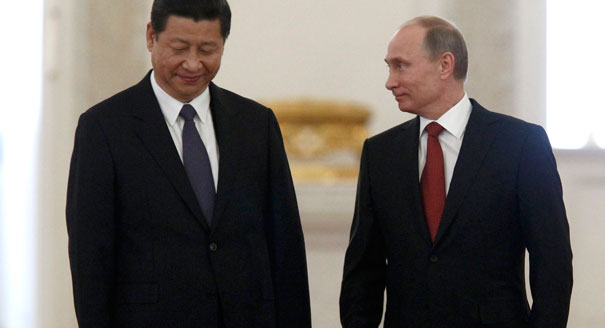
Source: Getty
Obama’s absence from the APEC meeting is a disappointment for U.S. partners in Asia, but Washington can recover its credibility in the region by rescheduling meetings and pushing forward on the Trans-Pacific Partnership.
Source: PBS NewsHour
Carnegie’s Douglas Paal spoke on PBS’ NewsHour to discuss how Obama's absence from the APEC meetings in Bali will impact U.S. interests in the region. Paal noted that Obama’s absence does represent an erosion of U.S. support for its Asian partners. Furthermore, given foreign policy issues like chemical weapons in Syria, there is some skepticism among Asian leaders as to whether the Obama administration remains fully committed to the rebalance toward Asia. However, Paal also suggested that Washington can recover its credibility in the region by rapidly rescheduling missed meetings and pushing forward on key initiatives, including the Trans-Pacific Partnership.

Distinguished Fellow, Asia Program
Paal previously served as vice chairman of JPMorgan Chase International and as unofficial U.S. representative to Taiwan as director of the American Institute in Taiwan.
Recent Work
Douglas H. Paal


Douglas H. Paal, Tong Zhao, Chen Qi, …
Carnegie does not take institutional positions on public policy issues; the views represented herein are those of the author(s) and do not necessarily reflect the views of Carnegie, its staff, or its trustees.

Depleted financial reserves and a shrinking tax base mean it is no longer possible to simultaneously deliver high defense spending, price stability, and economic growth.

Alexandra Prokopenko
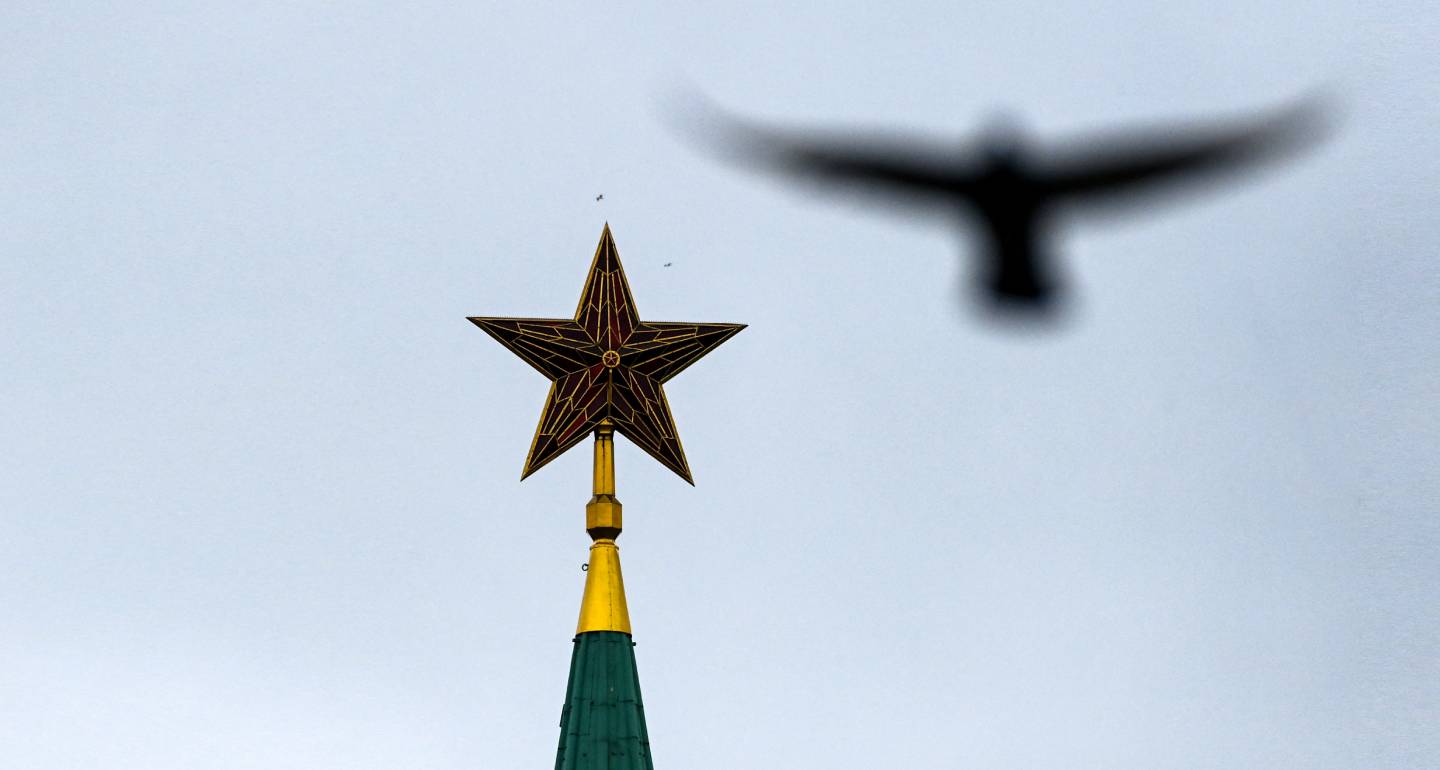
Blurring the line between humans and animals is a long-standing tradition in social utopian prose. In his latest novel, Leonid Bershidsky reminds us that in social experiments, people are often treated no differently than animals.

Alexander Baunov
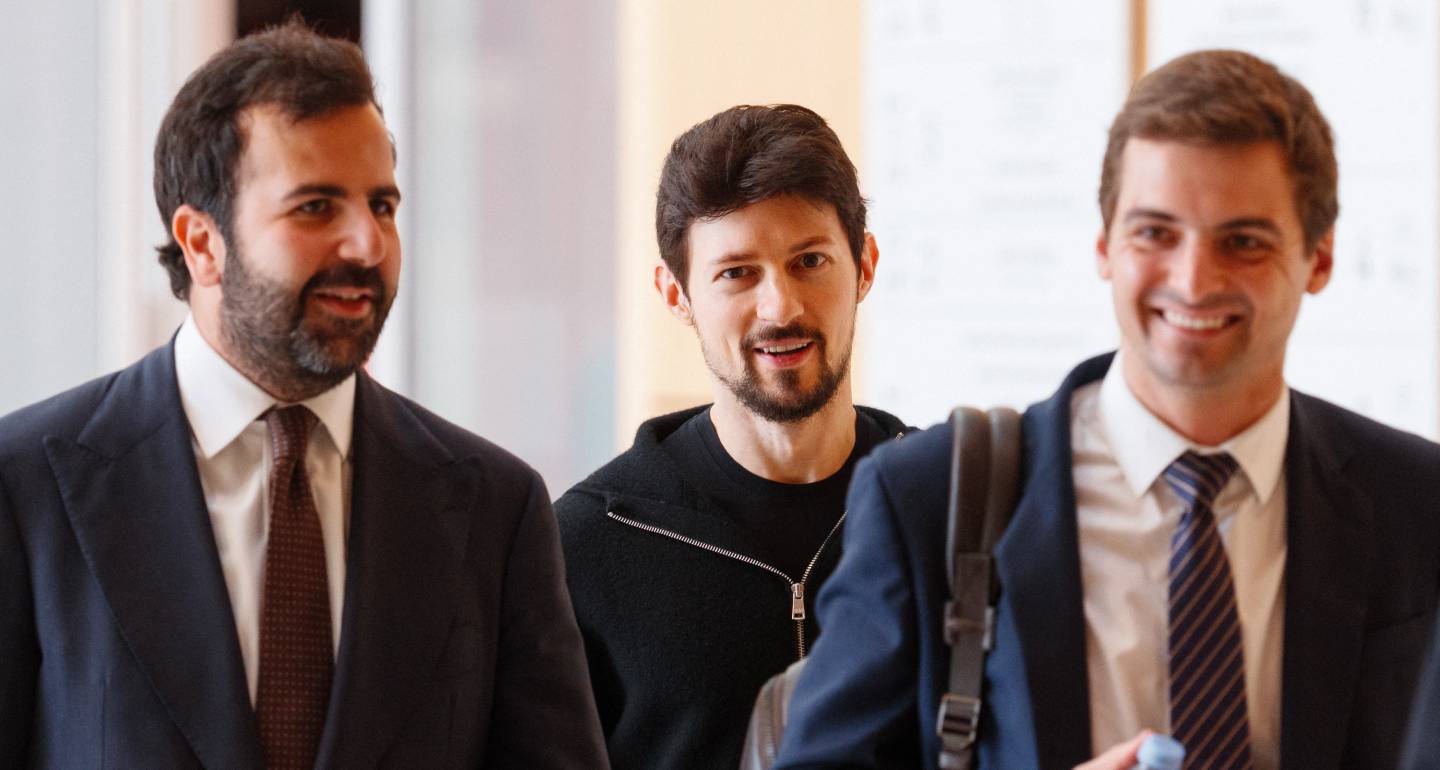
While France and Australia are seeking to establish the legal obligations of messaging apps like Telegram, Russia wants total subordination.

Maria Kolomychenko

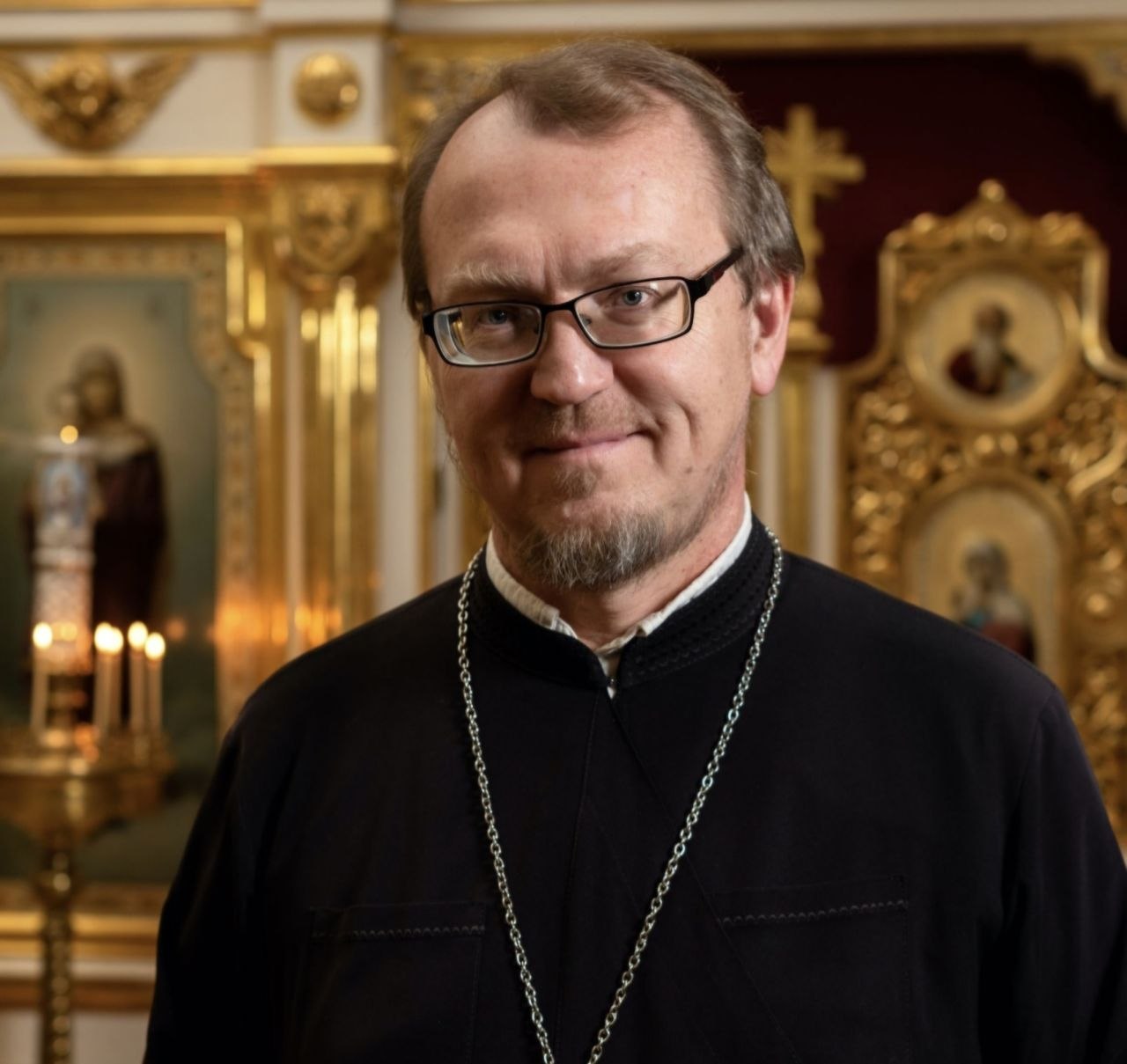
The recent uncovering of Dmitry Donskoy’s relics in the Cathedral of the Archangel is yet another attempt by the Russian Orthodox Church to help the state solve its problems. However, parroting the state’s version of Russian history leaves the Church with no message except “patriotism.”
Alexander Zanemonets

With the growth in points of friction between the great powers, organizations like the SCO will continue to play a role in the strategic adaptation of the smaller powers caught between them.

Temur Umarov