

In The Media
John Judis
{
  "authors": [
    "John Judis"
  ],
  "type": "legacyinthemedia",
  "centerAffiliationAll": "",
  "centers": [
    "Carnegie Endowment for International Peace"
  ],
  "collections": [],
  "englishNewsletterAll": "",
  "nonEnglishNewsletterAll": "",
  "primaryCenter": "Carnegie Endowment for International Peace",
  "programAffiliation": "",
  "programs": [],
  "projects": [],
  "regions": [
    "North America",
    "United States"
  ],
  "topics": [
    "Political Reform",
    "Democracy"
  ]
}
Source: Getty
The future of American socialism depends very much on whether or not Obama’s ambitious health care program works.
Source: New Republic
In 1973, the San Francisco Socialist Coalition, with whom, as an Oakland socialist, I had a fraternal connection, ran Kayren Hudiburgh for the board of supervisors. The coalition members, Hudiburgh’s election brochure declared, “oppose the unjust tax structure favoring the rich” and want “to make government more responsive to people’s needs instead of big business.” Hudiburgh came in well back of the field, even behind Jesus Christ Satan who promised to “repeal prohibitions on sex and drugs and legalize everything.” In liberal San Francisco in those days, socialism was a dirty word.
But in Seattle this month, socialist Kshama Sawant, a former computer engineer who teaches economics at Seattle Central Community College, enjoys a slim lead over 16-year incumbent City Council member Richard Conlin. Sawant has advocated, among other things, a $15 an hour minimum wage, rent control, and a millionaire’s tax to fund mass transit and education. Well up through the 1930s, socialists had strong presence in the Seattle labor movement, but they have been invisible since then, and have never elected a candidate to public office.Sawant’s success means that voters no longer automatically reject candidates who call themselves socialist. In a Pew poll in 2010, 29 percent of all respondents and 44 percent of Democrats and 43 percent of 18-to-29 year olds had a “positive reaction” to socialism. That probably reflects the dissociation of socialism with the Soviet Union, and its identification with generous welfare governments in Europe or Canada. There is nothing to suggest that almost half of Democrats support the older socialist goal of government ownership and control of the means of production.
The Seattle result, along with election results in New York and Boston, also signify that Democratic voters in some large northern metro areas are moving to the left on economic issues, which, as my colleague Noam Scheiber suggests, could put them at odds with center-left politicians like Barack Obama and Hillary Clinton. More broadly, what this reflects is the political maturation of an alliance, dating back to the Sixties, of mid- and lower-level professionals (nurses, teachers, software programmers like Sawant or the founders of Moveon.org) with minorities, who in many states make up the bulk of working class voters.
But as the Democrats in these metro centers turn left, the country isn’t necessarily moving with them. If Obamacare craters, that will undermine the new socialism (understood as the imposition on public priorities through government on the private sector) and boost the anti-government politics of Republican conservatives. The urban left could still win mayoral or city council elections, but a divided Democratic Party would find it more difficult to compete, especially if the Republicans decide to compete for rather than cede the political center. In the next years, the future of an American socialism depends very much on whether or not Obama’s ambitious health care program works.
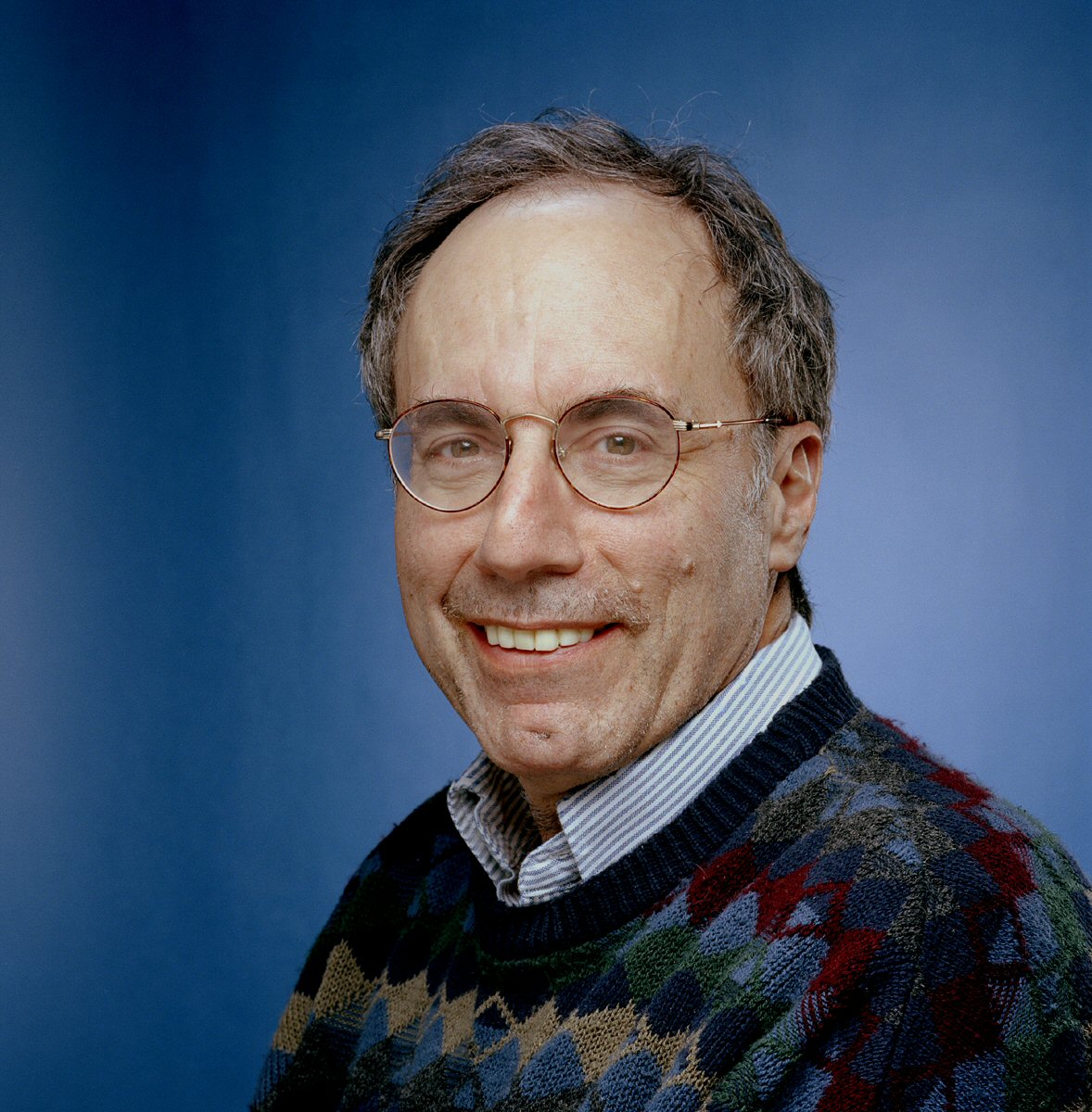
Former Visiting Scholar
As a visiting scholar at Carnegie, Judis wrote The Folly of Empire: What George W. Bush Could Learn from Theodore Roosevelt and Woodrow Wilson.
Recent Work
John Judis
John Judis
Carnegie does not take institutional positions on public policy issues; the views represented herein are those of the author(s) and do not necessarily reflect the views of Carnegie, its staff, or its trustees.

If the Russian-speaking community in Latvia cannot articulate their interests without being seen as disloyal, they could end up embracing a pro-Kremlin agenda.

Sergejs Potapkins

Russia’s ruling party would have benefited from Putin appearing as its distant patron, but as an active frontman imposing his views on the public, he has done nothing but harm both the party’s election campaign and the ruling system overall.

Andrey Pertsev

In the tenth year of his presidency, President Mirziyoyev’s system is becoming even more personalized than that of his predecessor Karimov.

Galiya Ibragimova

The greater threat to Zelensky comes not from Fedorov alone, but from the convergence between the former defense minister’s political campaign and the anti-corruption investigations moving ever closer to the presidential administration.

Balázs Jarábik

With his public call for new elections in Ukraine, ex-defense minister Mykhailo Fedorov has opened Pandora’s box.

Konstantin Skorkin