

Paper
Louise Tillin, Milan Vaishnav, Andy Robaina
{
  "authors": [
    "Milan Vaishnav"
  ],
  "type": "legacyinthemedia",
  "centerAffiliationAll": "dc",
  "centers": [
    "Carnegie Endowment for International Peace"
  ],
  "collections": [],
  "englishNewsletterAll": "ctw",
  "nonEnglishNewsletterAll": "",
  "primaryCenter": "Carnegie Endowment for International Peace",
  "programAffiliation": "SAP",
  "programs": [
    "South Asia"
  ],
  "projects": [
    "India Decides 2014"
  ],
  "regions": [
    "South Asia",
    "India"
  ],
  "topics": [
    "Political Reform",
    "Democracy"
  ]
}
Source: Getty
In a region where democracy has been uneven, the successful completion of another election in India, especially one in which voter turnout achieved record highs, is cause for celebration.
Source: Indian Express
Democratic elections serve an unmistakable purpose: to allow voters to reflect on the performance of their government and decide whether to welcome it back or toss it by the wayside. In the recent state elections, voters utilised the ballot box to both ends. In Delhi and Rajasthan, voters dismissed incumbent governments, while in Chhattisgarh and Madhya Pradesh, they embraced them. In all four states, the BJP emerged as the largest beneficiary. What lessons do these disparate elections impart?
For starters, the metaphor of these state elections as a "semi-final" for the 2014 general election is inaccurate. The four states are not a representative sample of India at large. If BJP partisans had been given a choice of where to hold elections this winter, they would have strained to come up with a more ideal set: four states in the Hindi heartland in which there is a two-way contest between the BJP and the bruised and battered Congress party (Delhi, of course, proving a belated and unexpected exception). This twist of fate was a boon for the BJP. Imagine the commentary today if elections had instead been held in West Bengal, Tamil Nadu, Andhra Pradesh and Kerala.Still, the BJP's strong showing gives it unquestionable momentum heading into next year's main event. After all, state election cycles provide the context in which national elections take place. In every state — nine in total — that held assembly elections immediately prior to national elections in both 2004 and 2009, the party that won the largest share of seats in the state elections also won the largest share in the national elections. With 72 parliamentary seats on the line in these four states, this is nothing to sneeze at.
The precise contribution of Narendra Modi to the BJP's cause will receive scrutiny in the days to come. Post-poll surveys from the CSDS indicate that local factors, not Modi, dominated. Nevertheless, the Gujarat leader will receive, and understandably accept, the credit for these victories. In all four states, Modi was the voters' most popular choice for prime minister by a significant margin. And when voters were explicitly asked to choose between Modi and Rahul Gandhi for the top job, an even larger share of voters chose the former. Suffice to say that these elections represent a critical juncture for the PM aspirant. Finally, after several false starts, Modi can associate himself with a set of clear victories in states other than his own. Indeed, the party's defeat in their lone southern bastion of Karnataka in May, with Modi engaged as lead campaigner, had caused some consternation in BJP circles.
The latest victories will allow Modi to consolidate his power within the BJP. True, both Shivraj Singh Chouhan and Raman Singh now join Modi in the pantheon of three-time election winners; collectively the three men have run their states for a total of 30 years. Still, Modi remains in a class of his own, given that both Hindi heartland leaders are victims of the vagaries of the electoral calendar. At this late date, there is little manoeuvring room for rivals to take Modi down a rung. Such machinations will have to wait until after national polls, if and when the BJP struggles to cobble together a coalition.
And what of the Congress? These elections serve to underscore the issue of the party's leadership, an affliction plaguing both its central and state units. With the exception of Karnataka, there is hardly a major state where the Congress today is better placed than four years ago. Delhi Chief Minister Sheila Dikshit was one of the few recognisable state leaders of the grand old party. With Dikshit's ouster, the party's stable of regional leaders has been decimated. While there is a cadre of youthful leaders with potential — Jyotiraditya Scindia was perhaps trotted out too tentatively and prematurely in MP — this will take time.
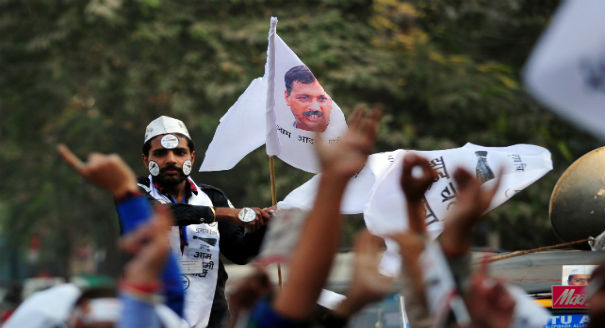
Last but not least, Arvind Kejriwal deserves credit for the Aam Aadmi Party's (AAP) meteoric rise in Delhi. The success of the AAP, though not unprecedented, is indeed historic. No matter what one thinks about the party's platform, what Kejriwal and his crew of volunteers assembled in a matter of months is a feat to be studied and mimicked by aspiring netas. Given the barriers to entry in Indian electoral politics, coming out of nowhere to win a substantial number of seats is no small feat, but Kejriwal and company may have to reassemble the troops for an encore performance if the BJP cannot manufacture a majority. Going forward, the AAP faces an even tougher task: to carve out an existence in between elections after the volunteers return to their universities and careers, and the spotlight of elections goes dark.
In a region where democracy has been uneven, the successful completion of another election in India, especially one in which voter turnout achieved record highs, is cause for celebration. If nothing else, these elections should put to rest the old canard that high turnouts spell disaster for incumbent governments. That turnout reached new heights even in the capital of Delhi, long mocked for its apathetic middle-class electorate inclined to vent rather than vote, represents a glimmer of hope about the middle class's renewed political engagement. Of all the lessons emerging from the 2013 elections, this could be the biggest of all.
http://www.indianexpress.com/news/a-new-party-a-more-engaged-class/1207077/0

Director and Senior Fellow, South Asia Program
Milan Vaishnav is a senior fellow and director of the South Asia Program and the host of the Grand Tamasha podcast at the Carnegie Endowment for International Peace. His primary research focus is the political economy of India, and he examines issues such as corruption and governance, state capacity, federalism, and electoral behavior. He also conducts research on the Indian diaspora.
Recent Work


Louise Tillin, Milan Vaishnav, Andy Robaina


Milan Vaishnav, Sameer Lalwani, Tanvi Madan, …
Carnegie does not take institutional positions on public policy issues; the views represented herein are those of the author(s) and do not necessarily reflect the views of Carnegie, its staff, or its trustees.

Despite unhappiness on the ground, Moscow is determined to use both carrot and stick to ensure there is record support for United Russia in occupied Ukraine.

Konstantin Skorkin

Whether PAS can refocus on the unfinished business of state-building may ultimately prove more consequential for Moldova’s European future than the pace of its accession negotiations.

Balázs Jarábik
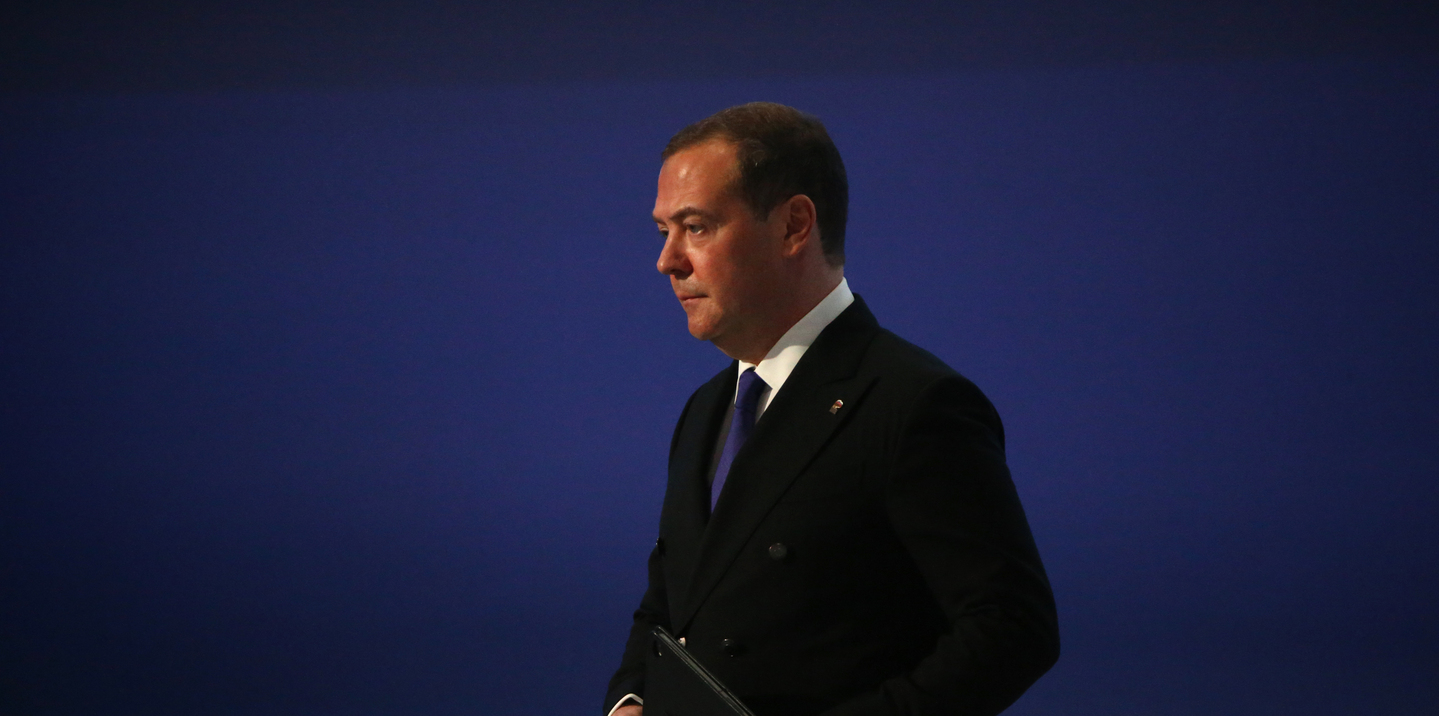
Medvedev’s defeat in the battle for the position of speaker appears to signal that the long process of his marginalization in Russian politics has passed the point of no return.

Andrey Pertsev
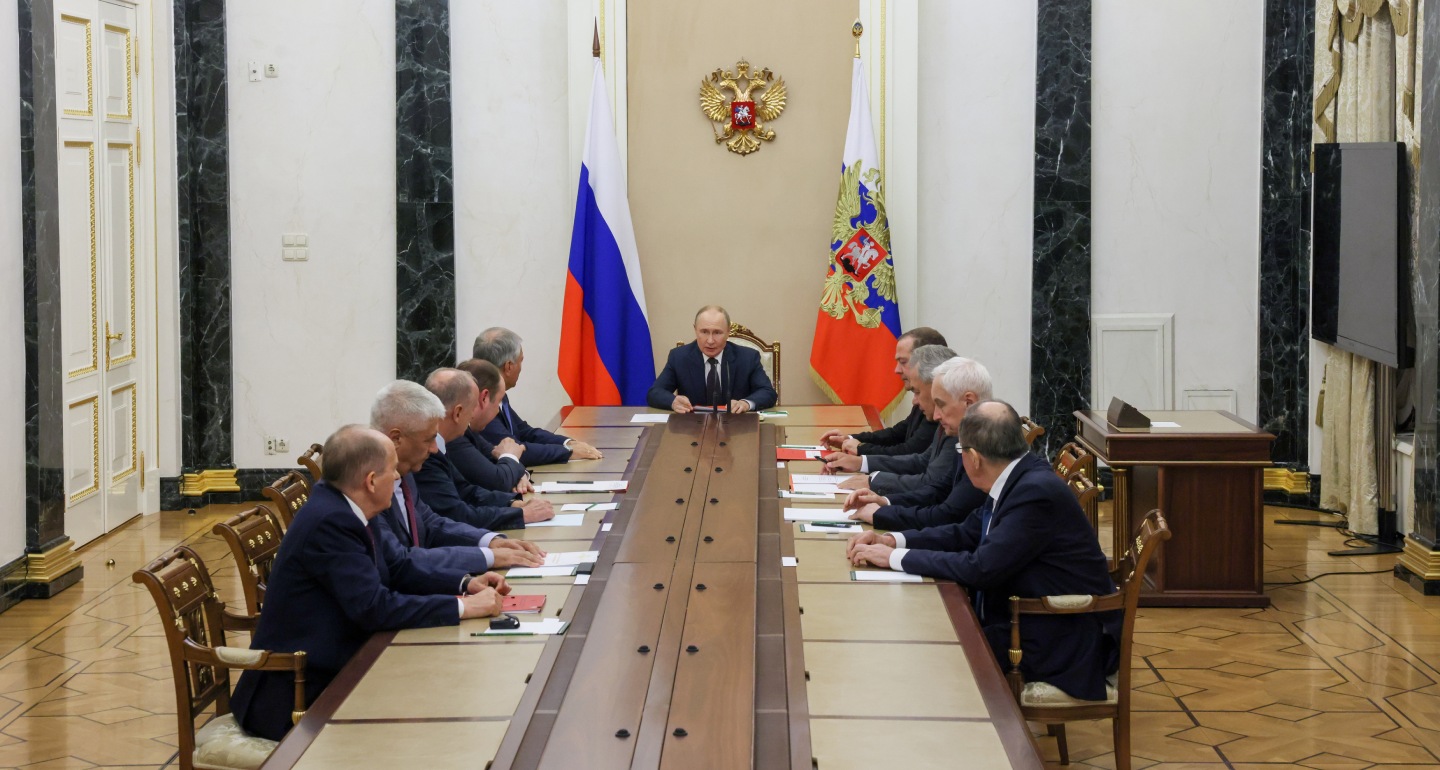
The ruling elites in contemporary Russia are not a political class, but a community of managers who are not subject to competition or public accountability. The state is becoming an operating apparatus without any internal autonomy.

Alexandra Prokopenko

Pashinyan’s pro-European party has been re-elected with a decisive victory. But the pro-Russian opposition could still slow Armenia’s progress toward peace with Azerbaijan and rapprochement with Europe.
Mikayel Zolyan