

Commentary
Sarah Chayes
{
  "authors": [
    "Sarah Chayes"
  ],
  "type": "legacyinthemedia",
  "centerAffiliationAll": "dc",
  "centers": [
    "Carnegie Endowment for International Peace"
  ],
  "collections": [],
  "englishNewsletterAll": "ctw",
  "nonEnglishNewsletterAll": "",
  "primaryCenter": "Carnegie Endowment for International Peace",
  "programAffiliation": "SAP",
  "programs": [
    "South Asia"
  ],
  "projects": [],
  "regions": [
    "North America",
    "United States",
    "South Asia",
    "Afghanistan"
  ],
  "topics": [
    "Security",
    "Military",
    "Foreign Policy"
  ]
}
Source: Getty
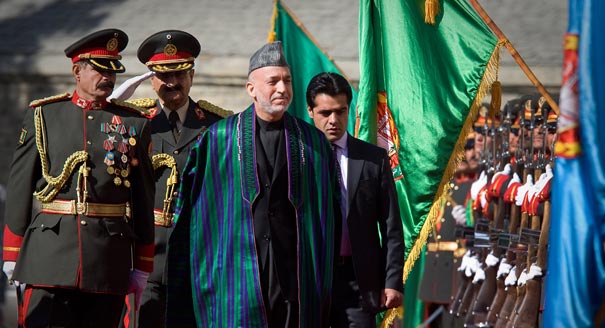
After an arduous diplomatic process to define the terms of a future international presence in Afghanistan, President Karzai balked at the last second.
Source: Los Angeles Times
He's done it again. Afghan President Hamid Karzai has startled and dismayed the world. After an arduous diplomatic process to define the terms of a future international presence in Afghanistan, he balked at the last second, like a white-eyed horse in front of a jump.
Karzai was on board when the language of the Security and Defense Cooperation Agreement with U.S. negotiators was finalized on Nov. 19. Less than a week later, a gathering of Afghan elders, officials and community leaders (known as a loya jirga) voted unanimously — as Karzai had asked them to do — in favor of signing the deal before the end of the year. But then Karzai abruptly announced he wouldn't sign after all, insisting on new conditions, such as "peace in Afghanistan," and an end to house raids and drone strikes.U.S. decision-makers should have expected such antics. It is they who have conditioned Karzai to behave this way, by persistently rewarding similar stunts. In Afghanistan as elsewhere, a lack of psychological savvy on the part of U.S. leaders, combined with a perverse tendency to abandon or undervalue their own leverage, are undermining U.S. interests as well as those of populations Washington purports to be helping.
The first sign that Karzai was collecting cards to slip up his sleeve was his decision to convene a loya jirga to vote on the draft agreement with the United States. The deal would authorize the presence and define the role of international forces in Afghanistan beyond 2014.
The Afghan loya jirga, a traditional, consensus-based institution that can provide popular checks on executive power, harks back to the days of the nation's founding in the 18th century and beyond, before formal government structures existed. But today's Afghan Constitution is clear: According to Article 90, the National Assembly is charged with "ratification of international treaties and agreements, or abrogation of membership of Afghanistan in them." There was no call for a loya jirga at all.
But a National Assembly vote would have been binding, while a loya jirga only submits recommendations. Stuffed with delegates selected by Karzai and his aides, debating dozens of policy issues embedded within the text of the draft agreement, it was bound to generate a variety of cards Karzai could subsequently play.
As the final interpreter of the resulting contradictory recommendations, Karzai is the sole interlocutor, whose whim determines the monumental — perhaps existential — issue of an ongoing international security presence in Afghanistan, and the millions of dollars in international aid likely to be linked to that presence.
And that's just where Karzai likes to be: alone in the driver's seat. For years he has successfully reduced the entire U.S. partnership with his country to an often emotionally fraught personal relationship between a succession of U.S. officials and him.
President George W. Bush indulged him with a biweekly videoconference — while the bulk of U.S. investment, in material resources, personnel and the time and energy of top officials, was devoted to Iraq, leaving Afghanistan and its growing problems drastically under-resourced.
Obama took office determined to shift the emphasis but also to subject Karzai and his ostentatiously corrupt and exploitative coterie to more scrutiny.
Yet Obama officials also proved incapable of making that change. They would scold Karzai but neglect to think through his likely countermoves and how best to block them, or to marshal concrete actions to back up the tough verbiage.
In 2009, Karzai brazenly stole a presidential election that was largely paid for and secured by the United States, counterfeiting at least one-third of his ballots. Then-Senate Foreign Relations Chairman John F. Kerry spent days afterward in the palace rose garden, patiently hearing Karzai gripe, wheedling and bargaining with him for the barest acknowledgment that not all had been right with the vote. At the time, Kerry was praised for having salvaged the "relationship." In fact, he was reinforcing a pattern.
Somehow, subsequently, Karzai rewrote the narrative — as he so often does — making America the villain, railing against its "interference" in the election. No one bothers to counter him.
In March 2010, President Obama, on a surprise visit to Kabul, addressed the corrosive corruption of the Afghan government, which many saw as fueling the Taliban insurgency. Karzai went ballistic, storming out of rooms and theatrically threatening to join the Taliban himself.
The U.S. response? Roll out the red carpet for an unctuous mend-the-fences state visit to Washington.
Moreover, throughout the ups and downs, the CIA has doled out its millions, in suitcases and shopping bags stuffed with cash, no questions, no accountability. Far from buying Karzai's malleability, the payments have taught him that whatever he says or does, the U.S. will stick by him.
Still, U.S. policy does tend to be binary: all on or all off. We do, until we don't. A scan of reader reactions to newspaper coverage of the latest dust-up reveals near-unanimity in favor of an immediate, total withdrawal. Karzai is gambling the future of Afghanistan and its people — not that he especially cares.
For their part, now that the U.S. aims to increase its reliance on diplomacy rather than brute force abroad, U.S. diplomats and civilian officials might do well to enroll in some negotiation workshops. A few psychology seminars wouldn't hurt either.
This article was originally published in the Los Angeles Times.
Former Senior Fellow, Democracy, Conflict, and Governance Program
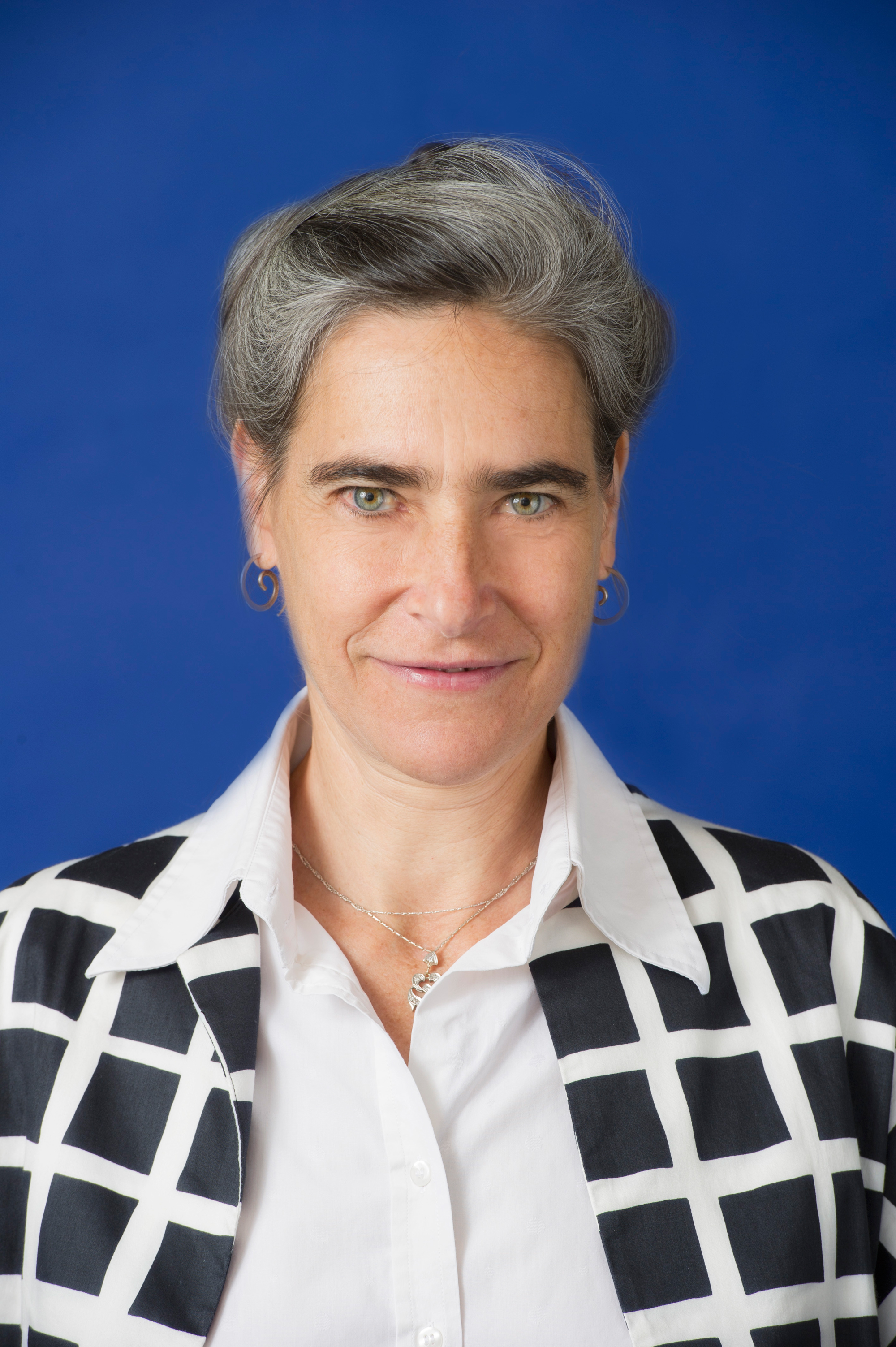
Sarah Chayes is internationally recognized for her innovative thinking on corruption and its implications. Her work explores how severe corruption can help prompt such crises as terrorism, revolutions and their violent aftermaths, and environmental degradation.
Recent Work
Sarah Chayes
Carnegie does not take institutional positions on public policy issues; the views represented herein are those of the author(s) and do not necessarily reflect the views of Carnegie, its staff, or its trustees.
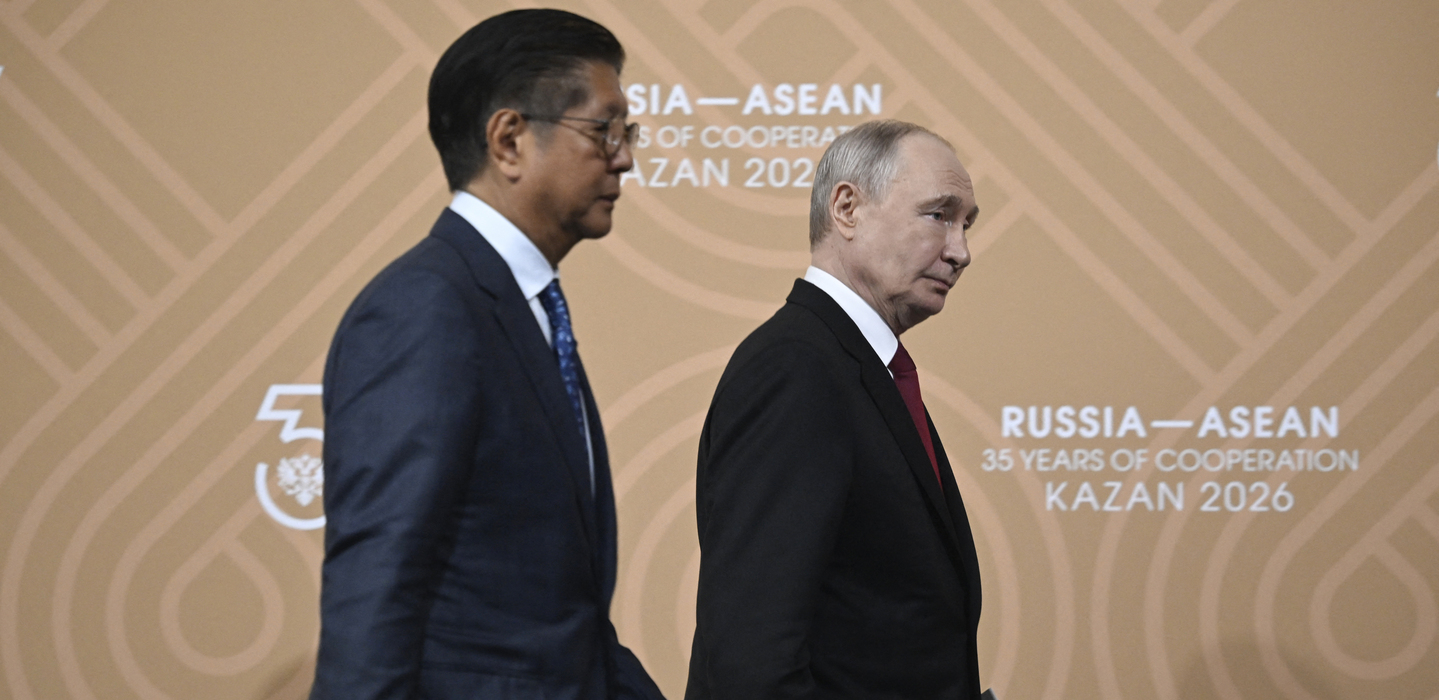
Russia looks set to reap economic benefits from closer ties with Southeast Asian countries that are keen to find reliable energy suppliers and diversify trade ties.

Alexander Gabuev

Ongoing uncertainty in the Middle East allows Moscow to both increase its influence in Tehran and continue to enjoy the financial windfall of higher oil prices.

Nikita Smagin
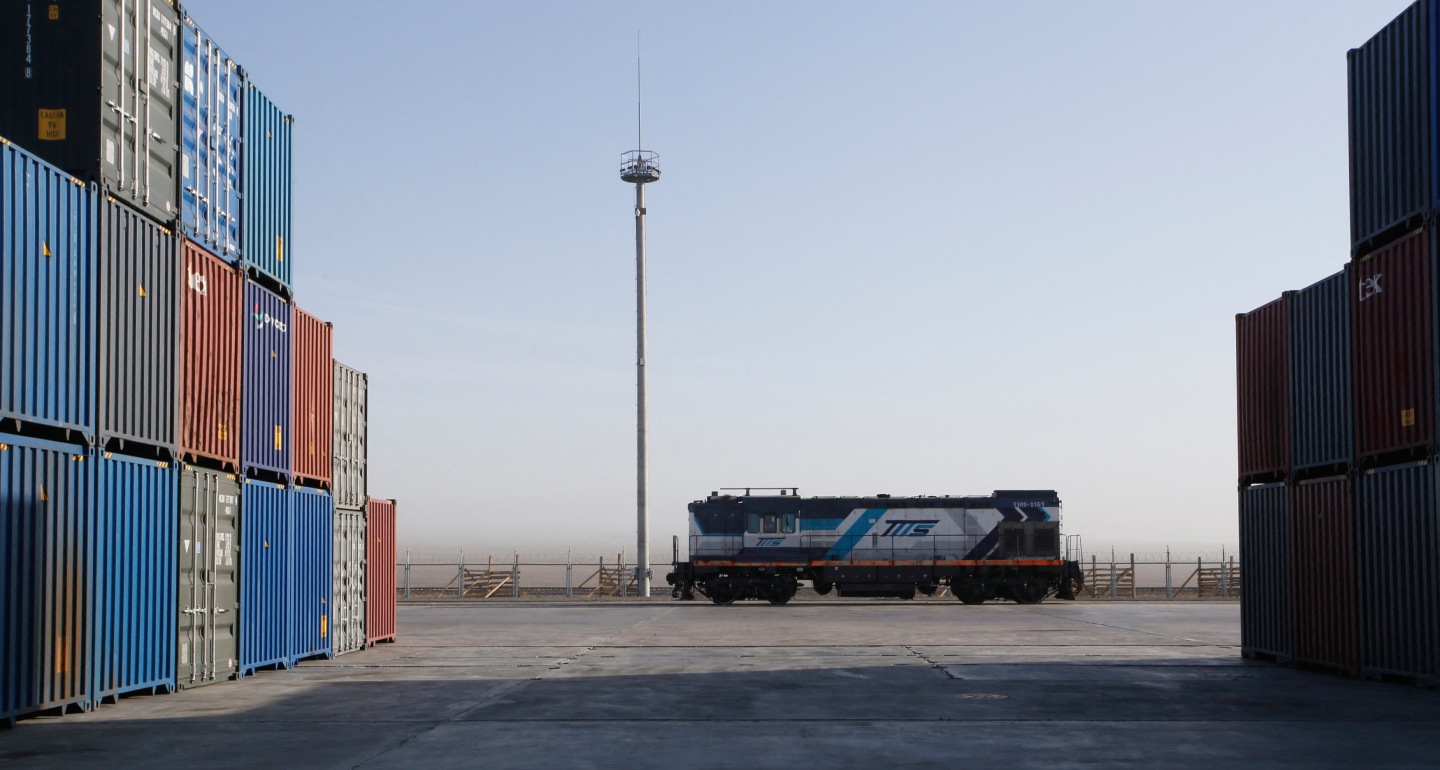
This year’s wars have made alternative routes to transit through Russia no less risky for Central Asian countries.

Galiya Ibragimova
Reestablishing a dialogue with Moscow is not a goal in its own right. The goal is to guarantee the independence of Ukraine and the peace and security of Europe.
Arkady Moshes
Ukraine’s increasingly confrontational posture on Belarus reflects Kyiv’s effort to shape the emerging regional order in Eastern Europe. Kyiv wants to limit European normalization with Minsk—and any future rapprochement with Russia.

Balázs Jarábik