

Article
Thomas de Waal
{
  "authors": [
    "Thomas de Waal"
  ],
  "type": "legacyinthemedia",
  "centerAffiliationAll": "dc",
  "centers": [
    "Carnegie Endowment for International Peace",
    "Carnegie Europe"
  ],
  "collections": [],
  "englishNewsletterAll": "ctw",
  "nonEnglishNewsletterAll": "",
  "primaryCenter": "Carnegie Europe",
  "programAffiliation": "russia",
  "programs": [
    "Russia and Eurasia"
  ],
  "projects": [],
  "regions": [
    "Caucasus",
    "Armenia"
  ],
  "topics": [
    "Political Reform",
    "Economy",
    "Foreign Policy"
  ]
}
Source: Getty
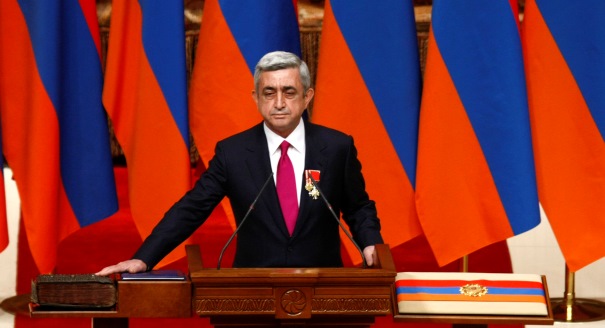
There are still many questions about Armenia’s future in the Russia-led Eurasian Customs Union, as well as the future of the union itself.
Source: Radio Free Europe/Radio Liberty
In an interview with Radio Free Europe/Radio Liberty’s Armenian Service, Carnegie’s Tom de Waal discussed the factors behind Armenia’s decision to join the Russia-led Eurasian Customs Union and halt its plans to sign an Association Agreement with the European Union. De Waal suggested that the Armenian government is now working to speed up the process of Customs Union ascenscion in order to avoid being left in a vacuum without the benefits of European integration or Customs Union membership. Armenian society is less pro-Russian than the political elite, de Waal stated. However, the political elite is quite pro-Russian, and President Serzh Sargsyn may have decided to join the Customs Union to avoid a pro-Russian threat to his rule in the future.
This interview was originally aired on Radio Free Europe/Radio Liberty.

Senior Fellow, Carnegie Europe
Thomas de Waal is a senior fellow at Carnegie Europe, specializing in Eastern Europe and the Caucasus.
Recent Work
Thomas de Waal
Thomas de Waal
Carnegie does not take institutional positions on public policy issues; the views represented herein are those of the author(s) and do not necessarily reflect the views of Carnegie, its staff, or its trustees.

Depleted financial reserves and a shrinking tax base mean it is no longer possible to simultaneously deliver high defense spending, price stability, and economic growth.

Alexandra Prokopenko

In the tenth year of his presidency, President Mirziyoyev’s system is becoming even more personalized than that of his predecessor Karimov.

Galiya Ibragimova

With the growth in points of friction between the great powers, organizations like the SCO will continue to play a role in the strategic adaptation of the smaller powers caught between them.

Temur Umarov
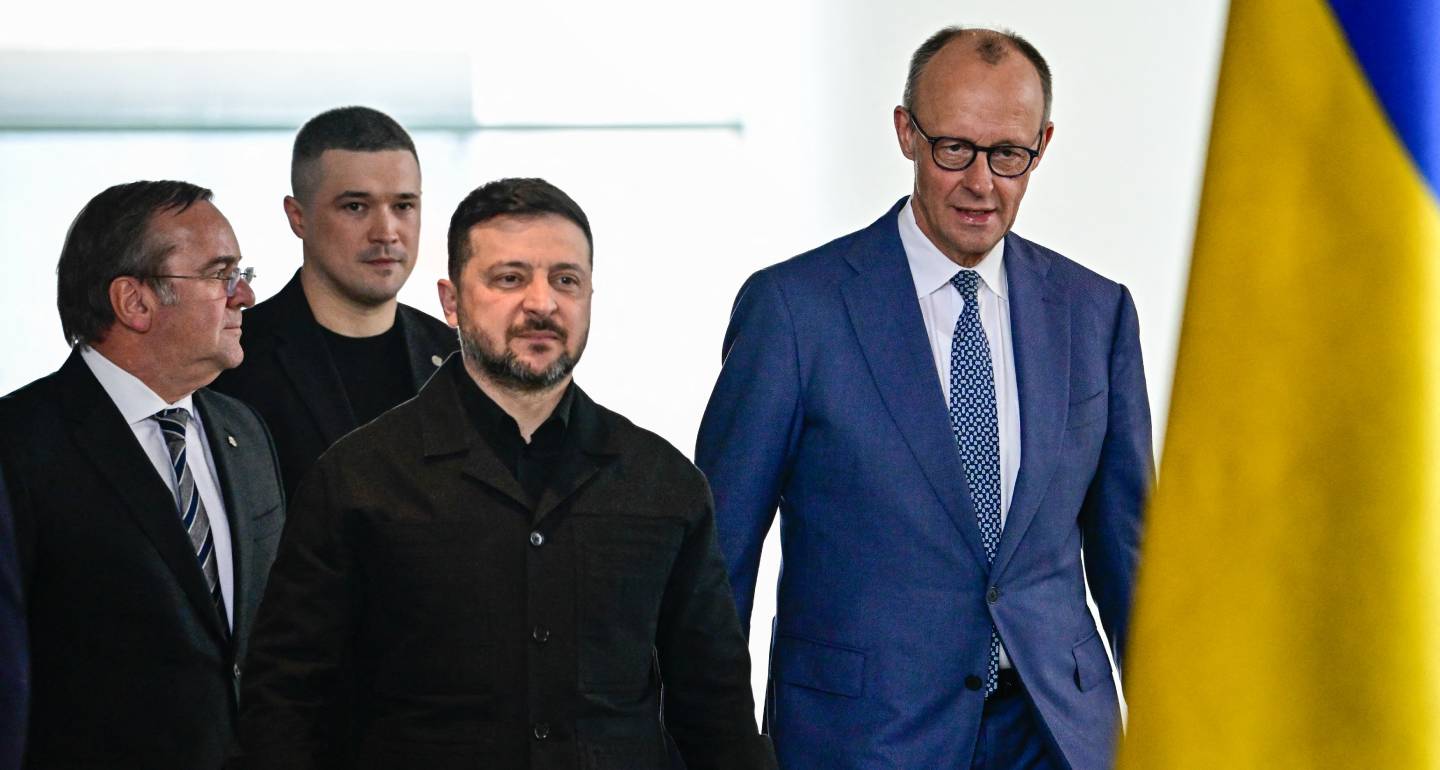
The greater threat to Zelensky comes not from Fedorov alone, but from the convergence between the former defense minister’s political campaign and the anti-corruption investigations moving ever closer to the presidential administration.

Balázs Jarábik
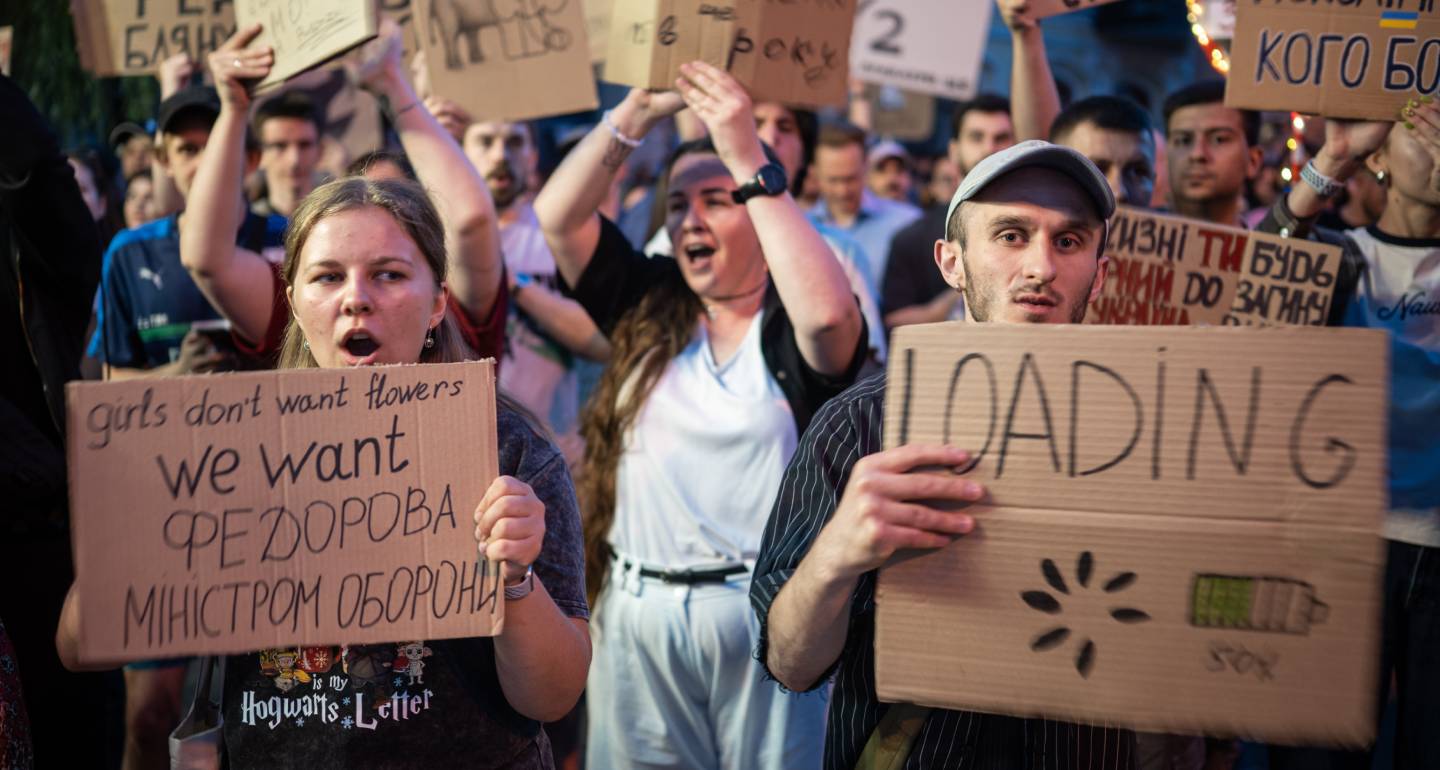
With his public call for new elections in Ukraine, ex-defense minister Mykhailo Fedorov has opened Pandora’s box.

Konstantin Skorkin