

Commentary
Japan’s long-term security policy is driven by concerns about China, and there is little appetite for (or interest in) pursuing a confrontation with Moscow.
James D.J. Brown
{
  "authors": [
    "Dmitri Trenin",
    "Eugene Rumer"
  ],
  "type": "legacyinthemedia",
  "centerAffiliationAll": "dc",
  "centers": [
    "Carnegie Endowment for International Peace",
    "Carnegie Russia Eurasia Center"
  ],
  "collections": [],
  "englishNewsletterAll": "ctw",
  "nonEnglishNewsletterAll": "",
  "primaryCenter": "Carnegie Russia Eurasia Center",
  "programAffiliation": "russia",
  "programs": [
    "Russia and Eurasia"
  ],
  "projects": [],
  "regions": [
    "Russia",
    "Eastern Europe",
    "Ukraine"
  ],
  "topics": [
    "Security",
    "Foreign Policy"
  ]
}
Source: Getty
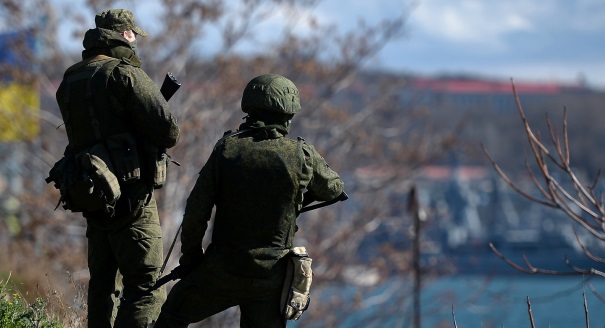
Putin interprets the victory of the Maidan in Ukraine as a victory of anti-Russian and pro-Western forces. He is very concerned about the possibility of having an anti-Russian state right on the Russian border.
Source: KCRW’s To the Point
If Russia does intend to forcefully take control of Crimea, it would violate international laws on territorial integrity. Already, the western powers have threatened various ways to isolate Russia diplomatically and economically. Does Vladimir Putin care?
Carnegie’s Eugene Rumer and Dmitri Trenin spoke about the recent developments in Ukraine on KCRW’s To the Point. They were joined by Will Englund of the Washington Post and P. J. Crowley of the George Washington University.
Trenin argued that Russia has switched gears in a dramatic way during the past ten days, moving from moderate reactions to deep involvement in the Ukrainian conflict. This change of policy is a result of Putin’s reassessment of the situation: now he seems to interpret the victory of the Maidan as a victory of anti-Russian forces. Putin does not only fear to lose Ukraine as a good neighbor that can be influenced, Trenin added, but to have an anti-Russian state right on the Russian border.
Rumer said that Ukraine’s close relations with Russia and with the EU seem to be mutually exclusive for Putin, who looks at the world from a zero-sum perspective. Now Ukraine made it clear that it still want to vigorously pursue the path of European integration. Thus, Rumer noted, Putin has calculated the risks and the costs and figured out that getting hold of Crimea and letting Ukraine go west is worth the price of taking actions on the peninsula.
Former Director, Carnegie Moscow Center
Trenin was director of the Carnegie Moscow Center from 2008 to early 2022.
Director and Senior Fellow, Russia and Eurasia Program
Rumer, a former national intelligence officer for Russia and Eurasia at the U.S. National Intelligence Council, is a senior fellow and the director of Carnegie’s Russia and Eurasia Program.
Carnegie does not take institutional positions on public policy issues; the views represented herein are those of the author(s) and do not necessarily reflect the views of Carnegie, its staff, or its trustees.

Japan’s long-term security policy is driven by concerns about China, and there is little appetite for (or interest in) pursuing a confrontation with Moscow.

James D.J. Brown

The truth of the strategic situation is that Europe and Russia are extremely unlikely to be able to “turn the page” on their confrontation within the next two decades.

Arkady Moshes
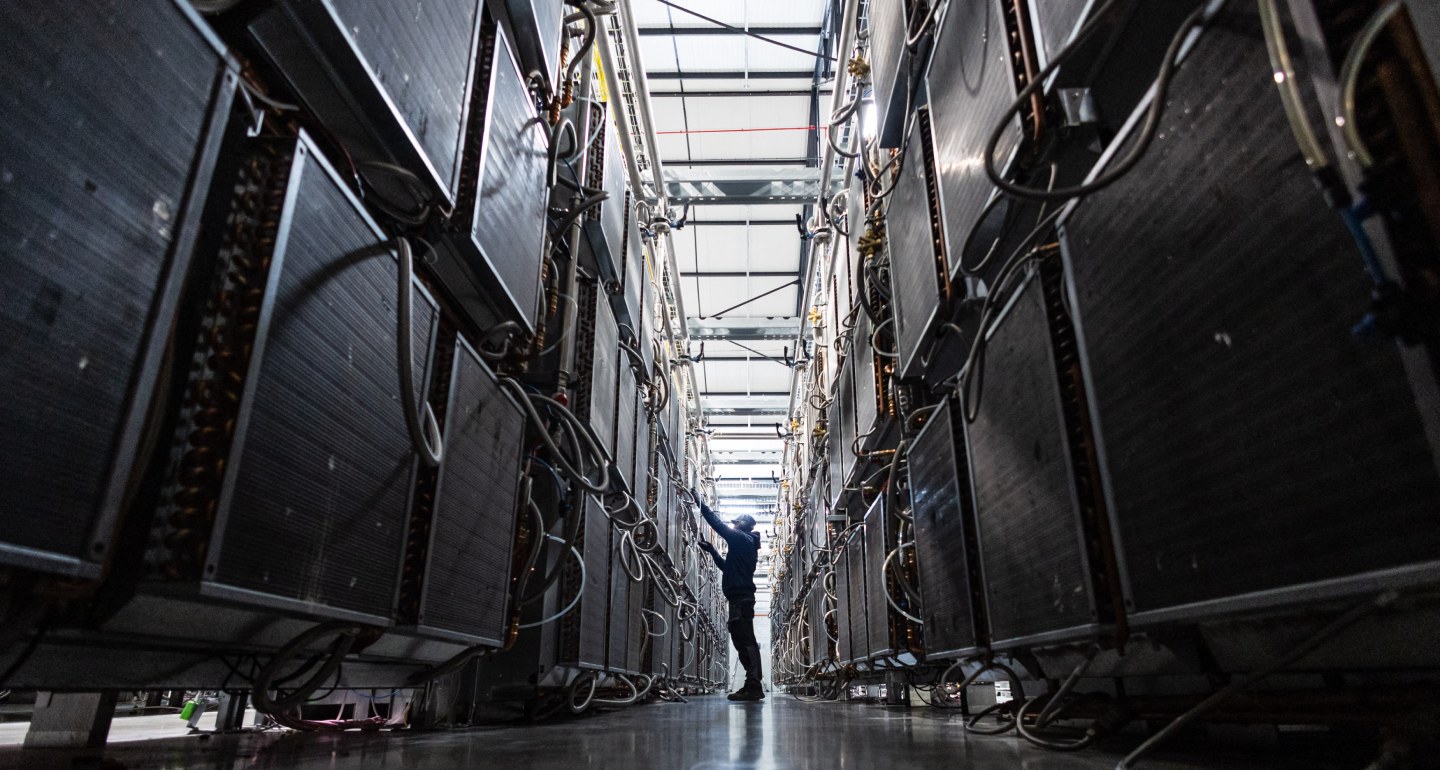
Russia spent years building a “sovereign internet,” concentrating web infrastructure exclusively within Russian territory. Ukrainian drone attacks have shown how vulnerable that approach has left the Russian internet.

Maria Kolomychenko

Putin’s conservative staffing policies and search for ever greater control have cemented parliament’s transformation into a bureaucratic appendage of the executive branch.

Andrey Pertsev

Russia’s AI-driven propaganda campaigns operate in a fragmented, chaotic, and often illogical manner. That’s not necessarily a problem for the Kremlin, though: It’s much easier to mimic genuine public debate that way.

Ilya Klishin