

Commentary
Balázs Jarábik
{
  "authors": [
    "Balázs Jarábik"
  ],
  "type": "legacyinthemedia",
  "centerAffiliationAll": "dc",
  "centers": [
    "Carnegie Endowment for International Peace"
  ],
  "collections": [],
  "englishNewsletterAll": "ctw",
  "nonEnglishNewsletterAll": "",
  "primaryCenter": "Carnegie Endowment for International Peace",
  "programAffiliation": "russia",
  "programs": [
    "Russia and Eurasia"
  ],
  "projects": [],
  "regions": [
    "Russia",
    "Eastern Europe",
    "Ukraine"
  ],
  "topics": [
    "Political Reform"
  ]
}
Source: Getty
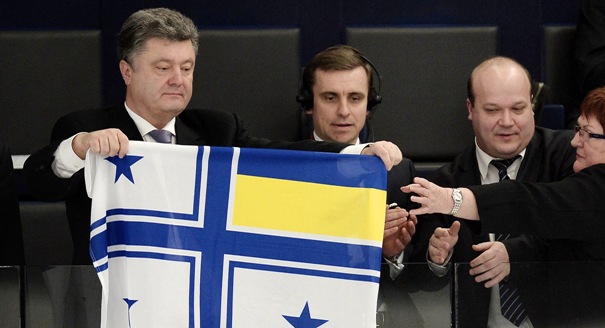
Oligarch and presidential candidate Petro Poroshenko was one of the biggest supporters of the protests in Ukraine. With the government breaking down, people are now turning to him and other oligarchs.
Source: NPR’s Weekend Edition Saturday
SCOTT SIMON, HOST:
The man expected to win tomorrow's election is known as the Chocolate King of Ukraine. Petro Poroshenko made his billions from his business holdings that include factories that make extremely popular candies. He also owns a television station, and its broadcast support of the protests on Kiev's Maidan square that brought down President Viktor Yanukovych. Yet, at one point, Mr. Poroshenko himself served in the Yanukovych government. For some insight into Ukraine's frontrunner, we called Carnegie Endowment scholar, Balazs Jarabik, in Kiev. He explained why Mr. Poroshenko is considered an oligarch.
BALAS JARABIK: You know, oligarchs are the people who are making money on contracts with the government and businesses where they have monopolies. And they're able to create those monopolies so basically stifling competition. Petro Poroshenko was able to build a chocolate factory - or a chocolate monopoly, if you like. Not only in Ukraine - but it's very interesting that he's making most of his money in the former Soviet Union market, including Russia. His biggest factory, actually, is in Russia. So, you know, he's well-versed in the former Soviet Union business and political circles just by his holdings.SIMON: It sounds like he would have a great personal incentive to keep good relations with Russia.
JARABIK: Well, he's a very outspoken and always been. I mean, he was the oligarch who funded the Orange Revolution. Which is, you know, basically the Ukrainians - the Orange Revolution - they realized that they are not Russians, and they are Ukrainians. So he's - among the oligarchs, he's the most pro-Western oriented. At the same time, you know, also among the oligarchs, he has the biggest holding in Russia. So that's - that's going to be an interesting - an important dimension, I believe Because he could be the man who can make an agreement or strike a deal both between the European Union and Russia. Now, how he's going to do that is a different question, and I think it's not going to be that easy.
SIMON: Have you had the chocolate?
JARABIK: Oh, the chocolate is good actually, decent quality, which, you know, when - when we're speaking about quality that's, you know, European standard, if you like.
SIMON: Does he have good relations with President Putin? Do we know anything about that?
JARABIK: I don't think there is any personal relationship here. The issue is simply that, you know, like, he needs to take into the Russian considerations, and I think he will be willing to do that. And I think President Putin is also looking for someone who can make a deal.
The most important question for the Russians is the gas. How, between Ukraine and Russia, can make the gas deal. Ukraine is the biggest consumer of Russian gas, and Russia does not want to lose this market. Now, President Putin needs someone who can sign a decent gas deal. Ukraine needs someone who can make and strike a good gas deal with Russia. And, just a reminder that, you know, like, Yulia Tymoshenko was sitting in the jail exactly for the gas deal that she signed as the Prime Minister of Ukraine, back in 2009 with President Putin. So this is a very sensitive issue.
SIMON: Speaking of the former Prime Minister, Tymoshenko, is she a factor in this election?
JARABIK: Petro Poroshenko's rating is very high. It's, it's - I just see the fresh poll result, and it's showing 44, 45 percent for him. And Yulia Tymoshenko is trailing the second with 10 percent, which is obviously a huge difference. But it's not going to be enough for this first round. Now, the issue is not only that there's going to be a second round. The issue - the other issue is, like, whether Yulia Tymoshenko is going to accept the results. Now, if you're going back through history, what we've seen is actually a big conflict between Petro Poroshenko, who is the head of the National Security Council after the Orange Revolution, and Yulia Tymoshenko, the Prime Minister. And we may have a déjà vu again, after these elections.
SIMON: Why is the man known as the Chocolate King so - apparently, so popular with a lot of the people who say they were out to overthrow oligarchs?
JARABIK: They're voting for him for various reasons. A, he was a very big Maidan supporter. He was clearly pushing the opposition to take a very pro-European and pro-Western stand. He was helping with those victims during the fights. He was basically becoming one of the faces of Maidan. And that's one of the reasons why people are actually voting for him. The second reason is because he is an oligarch where, actually, now they can turn to.
You know, when you have the central government break down, the people need some kind of stability. And that's not going to be civil society. It needs to be something bigger than that. And the oligarchs are coming, very interestingly, back in the picture by that. The question is not whether Poroshenko is going to win and why he's going to win - what he's going to do with his mandate. If he understands that he needs to bring in a new generation of Ukrainians and do the reform, I think Ukraine is going to be in a very good place.
SIMON: Balazs Jarabik is a scholar and analyst we reached from Kiev. Thanks very much for being with us.
JARABIK: Thanks, really, for having me.

Political analyst, former Slovak diplomat, and consultant specializing in Eastern Europe
Recent Work
Balázs Jarábik
Balázs Jarábik
Carnegie does not take institutional positions on public policy issues; the views represented herein are those of the author(s) and do not necessarily reflect the views of Carnegie, its staff, or its trustees.
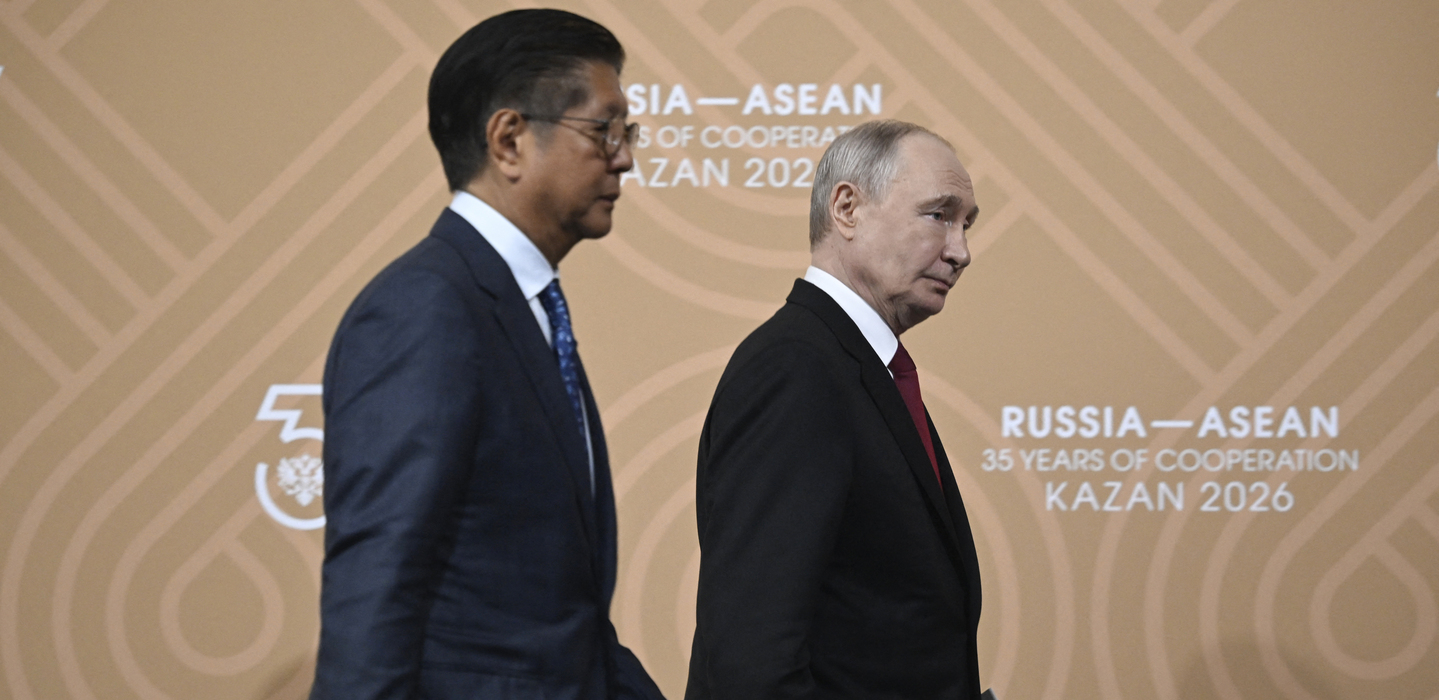
Russia looks set to reap economic benefits from closer ties with Southeast Asian countries that are keen to find reliable energy suppliers and diversify trade ties.

Alexander Gabuev

Ongoing uncertainty in the Middle East allows Moscow to both increase its influence in Tehran and continue to enjoy the financial windfall of higher oil prices.

Nikita Smagin
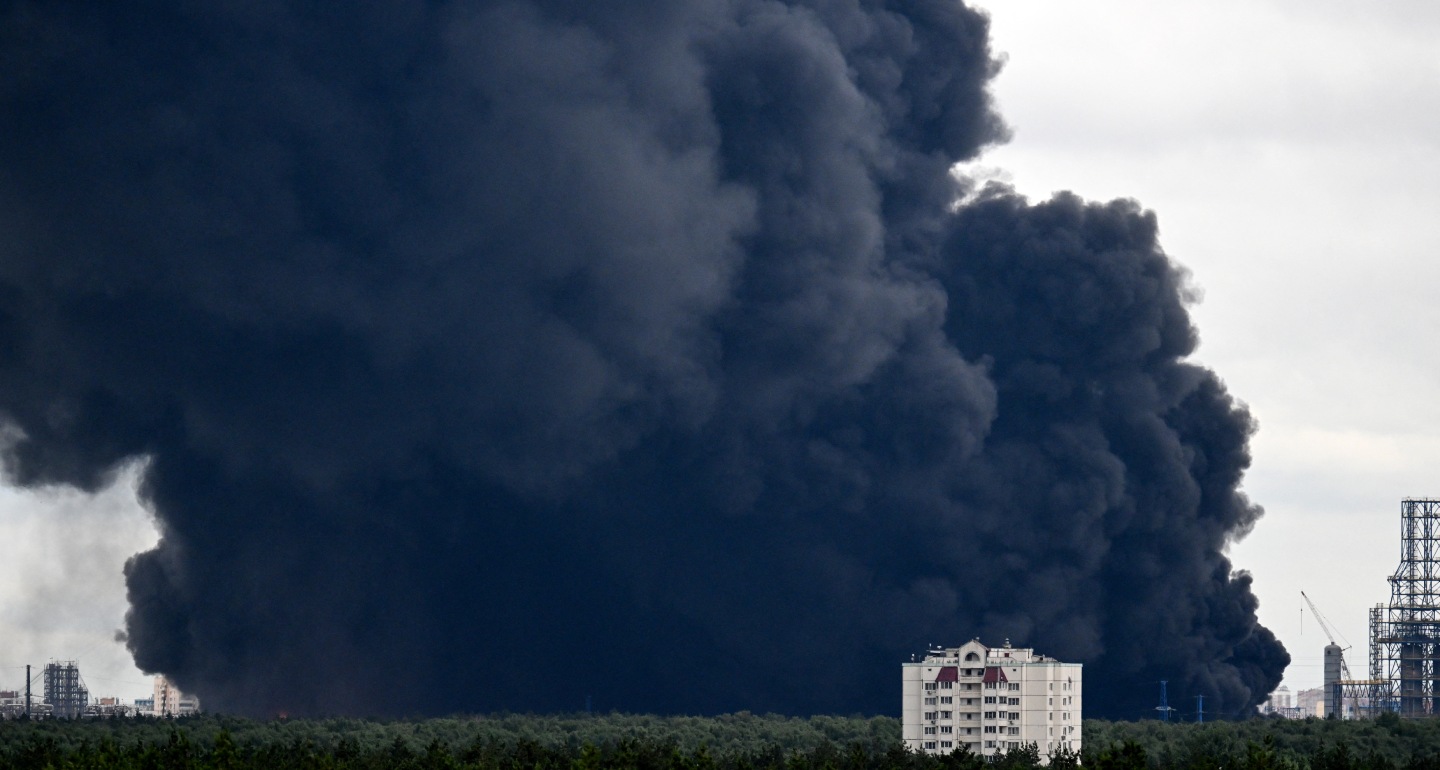
If it proves impossible for the Russian authorities to avoid a gasoline deficit, the question then becomes how they will organize the distribution of a scarce resource.

Sergey Vakulenko
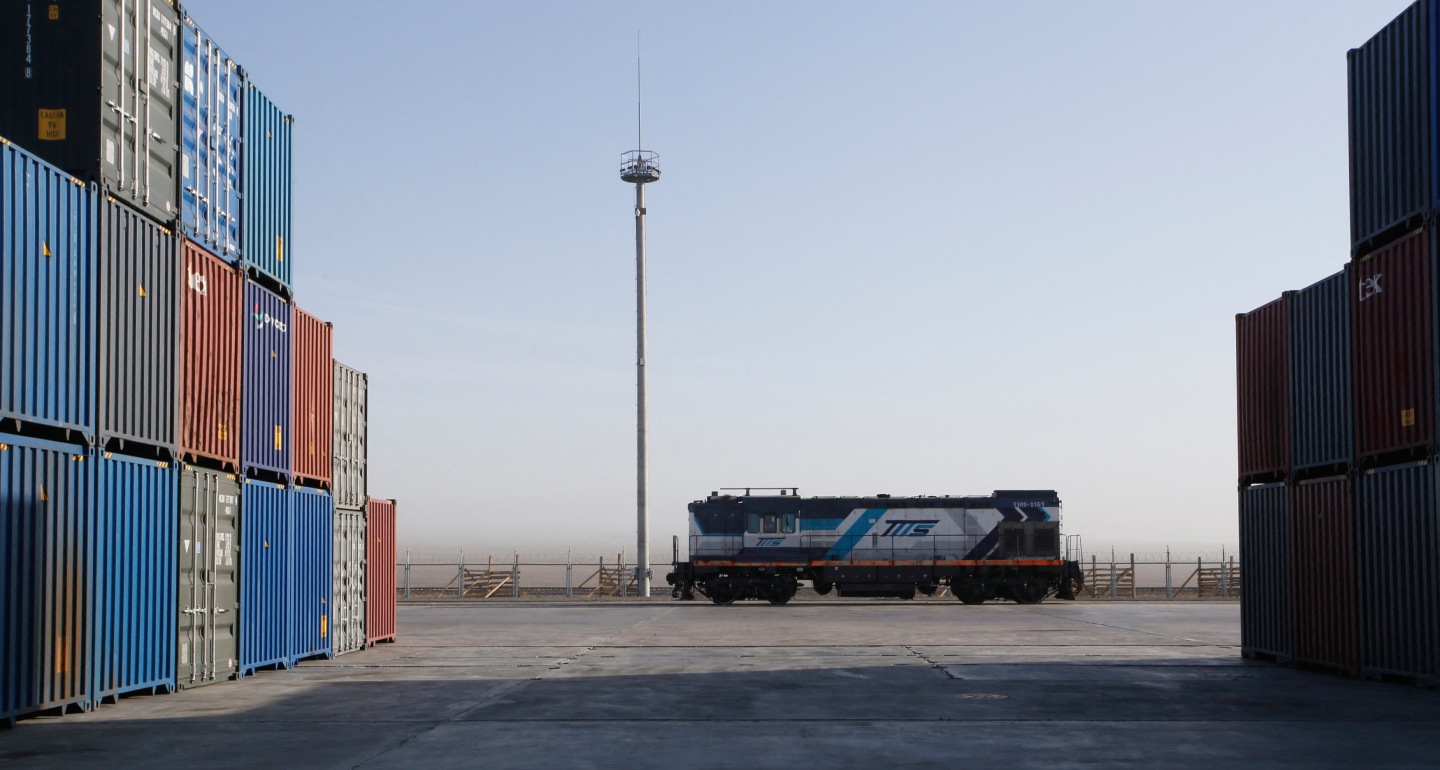
This year’s wars have made alternative routes to transit through Russia no less risky for Central Asian countries.

Galiya Ibragimova
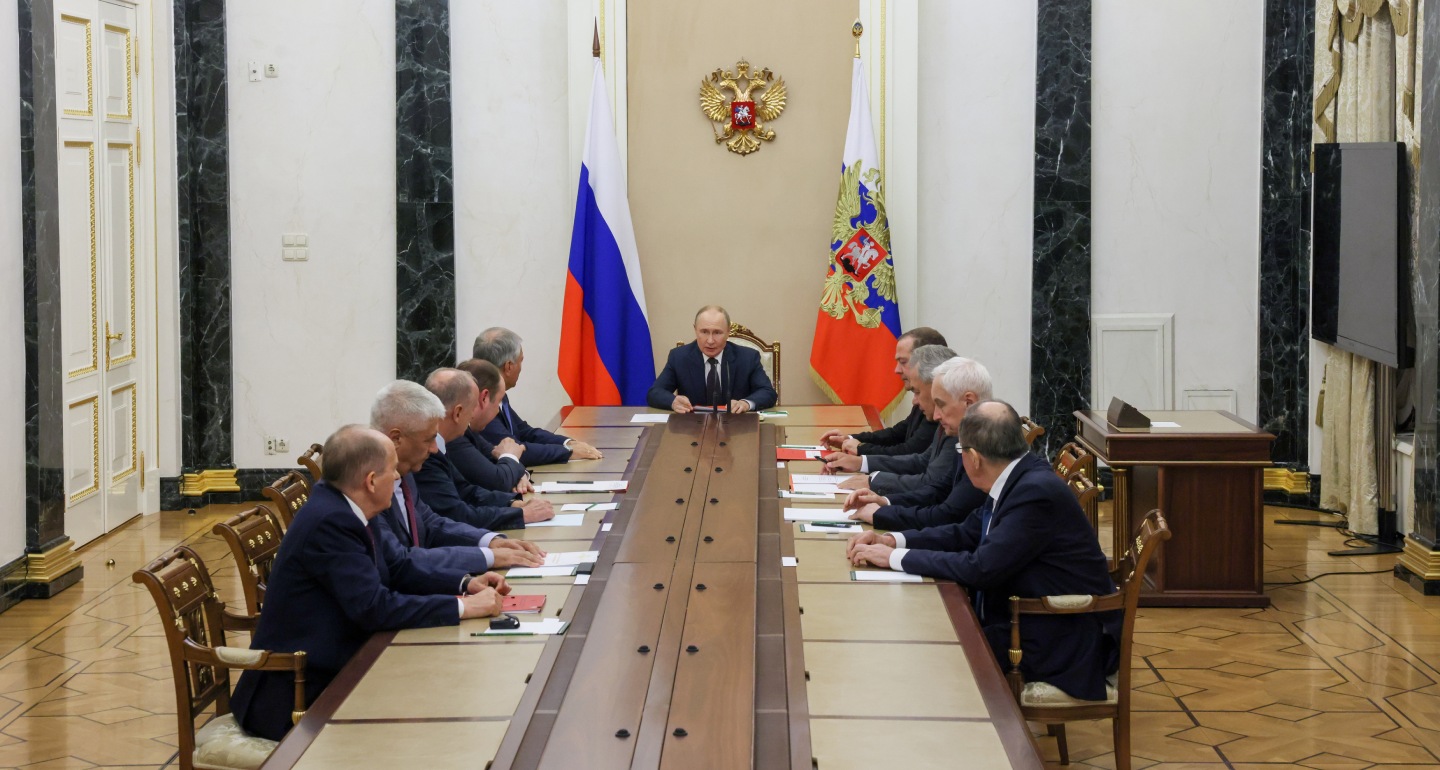
The ruling elites in contemporary Russia are not a political class, but a community of managers who are not subject to competition or public accountability. The state is becoming an operating apparatus without any internal autonomy.

Alexandra Prokopenko