

Commentary
The recent damage inflicted by Ukrainian drones and missiles on Russia has made Belarus aware of its own vulnerabilities—and surprisingly amenable to Kyiv’s demands.
Artyom Shraibman
{
  "authors": [
    "Arkady Dubnov"
  ],
  "type": "commentary",
  "centerAffiliationAll": "",
  "centers": [
    "Carnegie Endowment for International Peace",
    "Carnegie Russia Eurasia Center"
  ],
  "collections": [],
  "englishNewsletterAll": "",
  "nonEnglishNewsletterAll": "",
  "primaryCenter": "Carnegie Russia Eurasia Center",
  "programAffiliation": "",
  "programs": [],
  "projects": [
    "Eurasia in Transition"
  ],
  "regions": [
    "South Asia",
    "Afghanistan",
    "Pakistan",
    "Central Asia"
  ],
  "topics": [
    "Security",
    "Religion"
  ]
}
Source: Getty
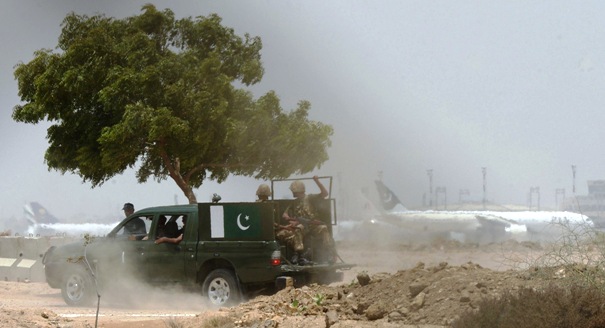
Although participation of Islamic Movement of Uzbekistan in the recent attacks on a Karachi airport is not confirmed yet, many analysts believe the IMU to be a real force that threatens the countries in the region.
The Pakistani Taliban, formally known as Tehreek-i-Taliban Pakistan, has claimed responsibility for a series of armed attacks on a Karachi Airport carried out on June 9 and 10. According to the information provided by the Pakistani authorities, it is believed that some of the 10 terrorists killed over the course of the attacks were ethnic Uzbeks (7 terrorists were killed in a shootout with the Pakistani military, and the other three blew themselves up).
However, so far, there is not enough information to determine conclusively whether these Uzbeks indeed belonged to the so-called Islamic Movement of Uzbekistan (IMU). The area to the north of the Pakistani capital between Islamabad and Chitral, in the direction of the Chinese border, is densely populated with the descendants of refugees from Central Asia, whose ancestors fled their homes almost 100 years ago, in the 1920’s. They look very similar to Uzbeks, and, in light of the fact that this area is controlled by the Pakistani Taliban, their involvement in the Karachi airport attacks is quite possible.
But, even if the terrorists happen to be ethnic Uzbeks, this does not automatically make them IMU members. Today, the IMU is more of a mythical than real structure that acts independently of the Taliban or functions as an Al Qaeda branch. Central Asian natives are still part of both Pakistani and Afghan Taliban factions (the Haqqani network or Mullah Omar group), and there have been no recent assaults or terrorist attacks in the region specifically tied to the Islamic Movement of Uzbekistan. According to informed sources in Afghanistan, the non-Pashtun militants (Uzbeks, Tajiks, and others) that remain in Afghanistan are under control of the Afghan Taliban. The Taliban helps them travel from North Waziristan, where their training camps are located, to Afghanistan’s northern provinces.
Meanwhile, many Central Asian analysts believe the IMU to be a real force that threatens the countries in the region. They think that the IMU will move out of the shadows as soon as the American troop withdrawal weakens the Afghan central government. Moreover, a conspiracy theory advanced by some analysts holds that the IMU is actually controlled by Uzbek special services, which are using the threat of attacks by Islamic militants as a pretext for cracking down on the civil society inside Uzbekistan and persecuting any activism on the part of observant Muslims.
The theories notwithstanding, we see no surge in terrorist activity along the Afghan borders with Central Asian countries so far, although it was expected in connection with the impending Coalition troop withdrawals. The skirmishes at the Afghan-Turkmen border that claimed the lives of three Turkmen border guards are a notable exception. But according to some local reports, these incidents appear to be conflicts between Afghan drug traffickers and their Tukrmen counterparts.
However, after the second round of the Afghan presidential elections scheduled to take place on June 14, terrorist activity at the country’s northern borders is likely to increase.
Arkady Dubnov is a political analyst and an expert on Central Asia.
Arkady Dubnov
Carnegie does not take institutional positions on public policy issues; the views represented herein are those of the author(s) and do not necessarily reflect the views of Carnegie, its staff, or its trustees.
The recent damage inflicted by Ukrainian drones and missiles on Russia has made Belarus aware of its own vulnerabilities—and surprisingly amenable to Kyiv’s demands.

Artyom Shraibman
It is not a phenomenon unique to Russia that the public of a country at war (even the aggressor) enduring airstrikes will not overturn its government but rather show solidarity with it and blame its woes on the enemy.
Vladislav Gorin

Ongoing uncertainty in the Middle East allows Moscow to both increase its influence in Tehran and continue to enjoy the financial windfall of higher oil prices.

Nikita Smagin
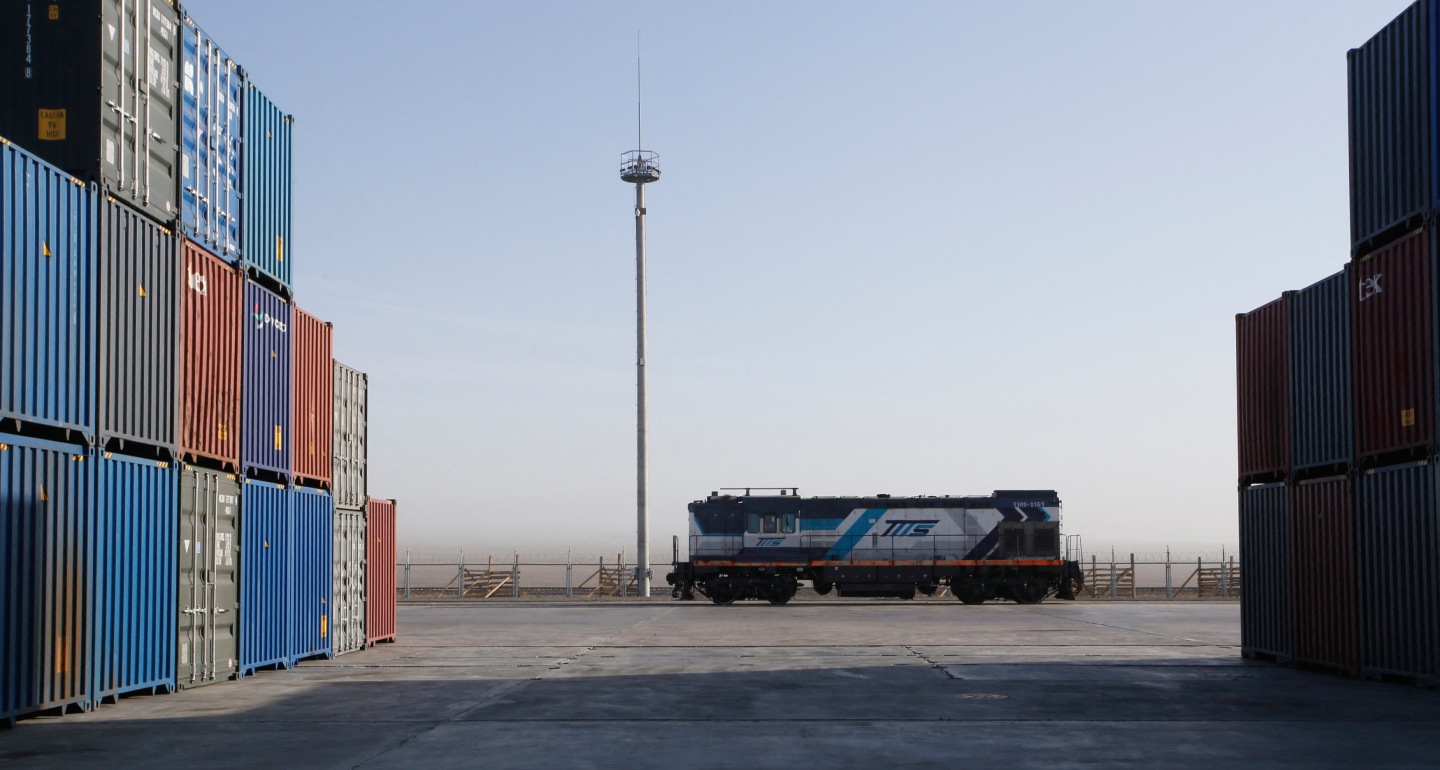
This year’s wars have made alternative routes to transit through Russia no less risky for Central Asian countries.

Galiya Ibragimova
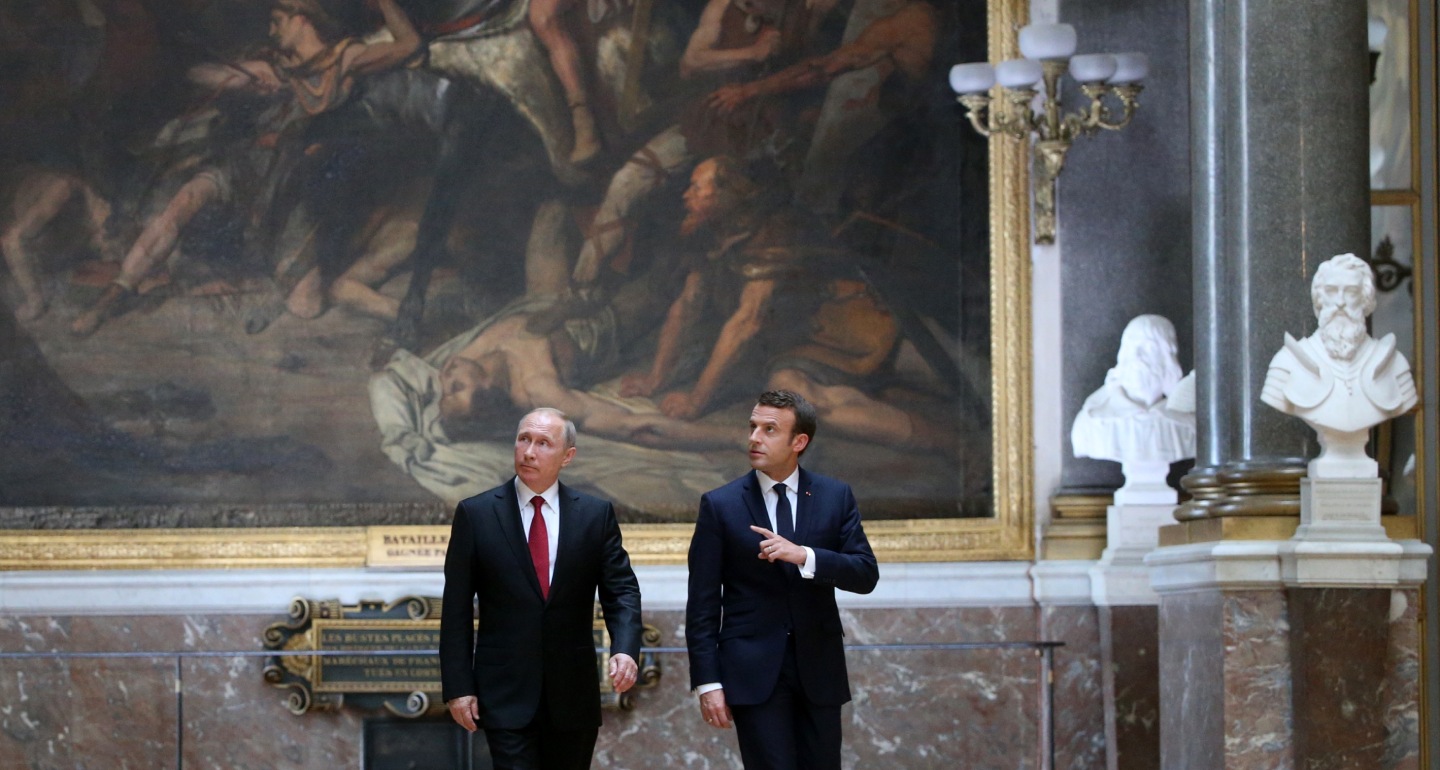
Reestablishing a dialogue with Moscow is not a goal in its own right. The goal is to guarantee the independence of Ukraine and the peace and security of Europe.
Arkady Moshes