

Commentary
Togzhan Kassenova
{
  "authors": [
    "Togzhan Kassenova"
  ],
  "type": "other",
  "centerAffiliationAll": "dc",
  "centers": [
    "Carnegie Endowment for International Peace"
  ],
  "collections": [],
  "englishNewsletterAll": "ctw",
  "nonEnglishNewsletterAll": "",
  "primaryCenter": "Carnegie Endowment for International Peace",
  "programAffiliation": "NPP",
  "programs": [
    "Nuclear Policy"
  ],
  "projects": [],
  "regions": [
    "Central Asia",
    "Kazakhstan"
  ],
  "topics": [
    "Nuclear Policy"
  ]
}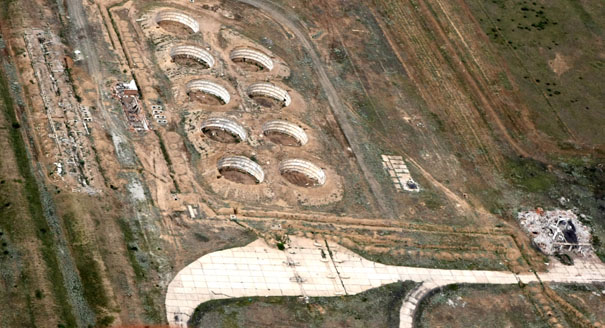
Source: Getty
Kazakhstan’s advanced nuclear industry and active foreign nuclear policy make it a significant player on the global nuclear scene.
Source: Central Asian Affairs
Kazakhstan’s role in the global nuclear order is far from minor. Blessed with abundant uranium resources, it is the world’s largest uranium producer. Kazakhstan’s nuclear sector made a major comeback after facing collapse in the early 1990s when the Soviet Union disintegrated. The state-owned company Kazatomprom has been gradually pursuing an advanced nuclear fuel cycle, including the capacity to produce nuclear fuel. Further, Kazakhstan is the only country in Central Asia that has made a firm commitment to developing nuclear energy.On the international scene, Kazakhstan’s nuclear diplomacy is rather ambitious as well. The country hosted Iranian nuclear talks in 2013 and will host the international nuclear fuel bank expected to be launched in 2015. These are just a couple of recent examples that confirm that Kazakhstan is seeking a greater role for itself in global nuclear politics....
Former Nonresident Fellow, Nuclear Policy Program
Kassenova was a nonresident fellow in the Nuclear Policy Program at the Carnegie Endowment.
Recent Work
Togzhan Kassenova

Toby Dalton, Togzhan Kassenova, Lauryn Williams
Carnegie does not take institutional positions on public policy issues; the views represented herein are those of the author(s) and do not necessarily reflect the views of Carnegie, its staff, or its trustees.

In the tenth year of his presidency, President Mirziyoyev’s system is becoming even more personalized than that of his predecessor Karimov.

Galiya Ibragimova

With the growth in points of friction between the great powers, organizations like the SCO will continue to play a role in the strategic adaptation of the smaller powers caught between them.

Temur Umarov

When faced with fuel shortages in the past, Central Asian governments could always count on additional supplies from Moscow. That safety net no longer exists.
Galiya Ibragimova
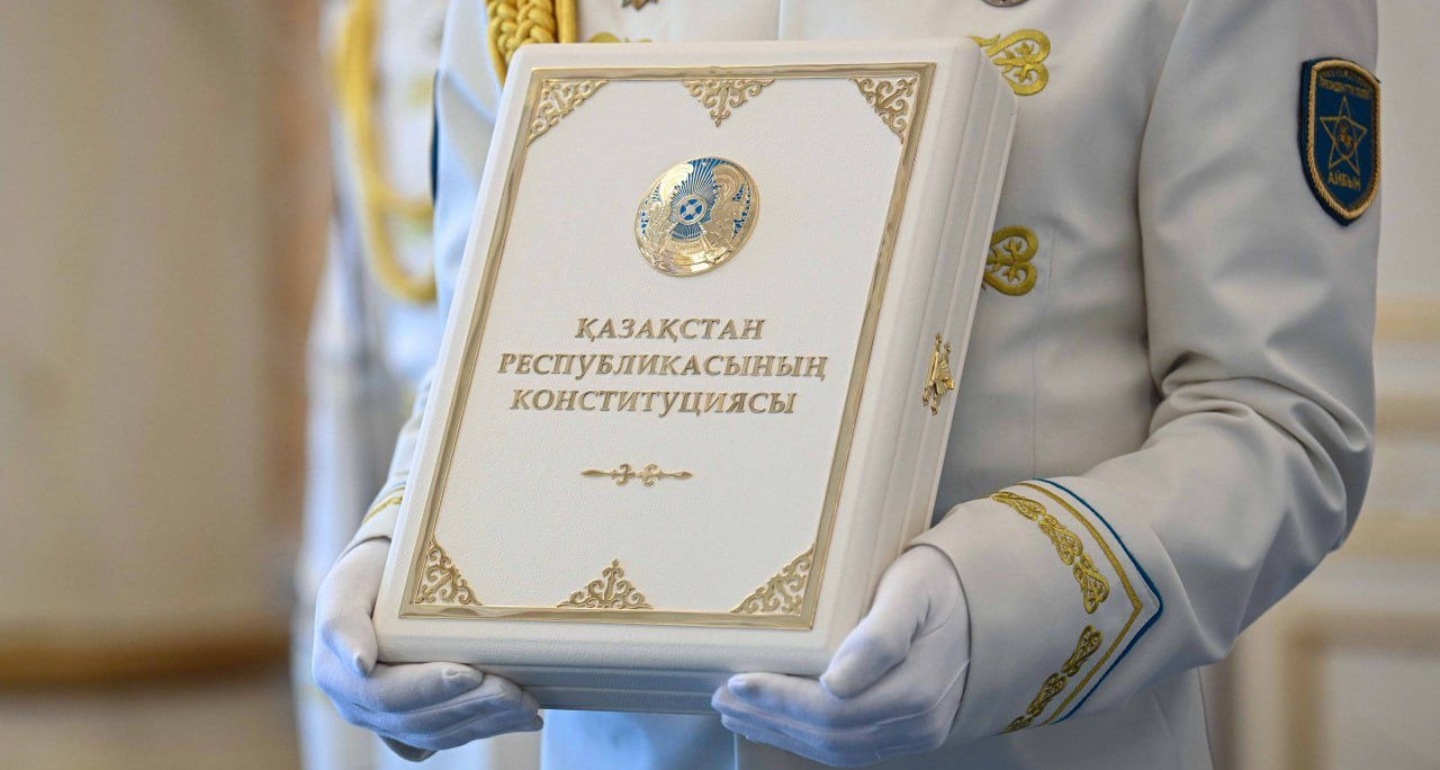
Tokayev’s predecessor, Nursultan Nazarbayev, outlined arrangements for a power transition too soon and in too much detail, ultimately losing control over the process. Tokayev is determined not to meet the same fate.
Temur Umarov
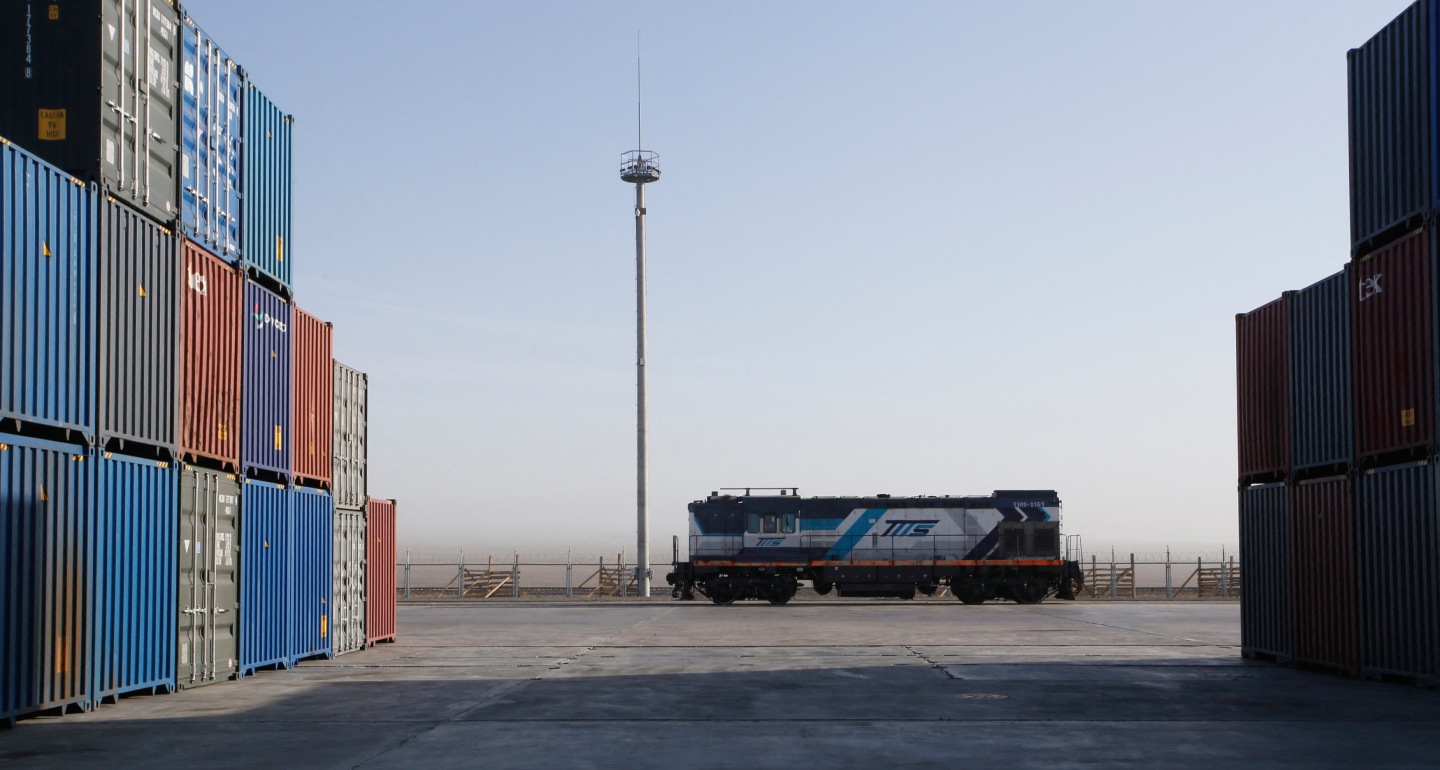
This year’s wars have made alternative routes to transit through Russia no less risky for Central Asian countries.
Galiya Ibragimova