

Paper
James M. Acton, Ankit Panda
{
  "authors": [
    "James M. Acton"
  ],
  "type": "legacyinthemedia",
  "centerAffiliationAll": "dc",
  "centers": [
    "Carnegie Endowment for International Peace"
  ],
  "collections": [
    "U.S. Nuclear Policy"
  ],
  "englishNewsletterAll": "ctw",
  "nonEnglishNewsletterAll": "",
  "primaryCenter": "Carnegie Endowment for International Peace",
  "programAffiliation": "NPP",
  "programs": [
    "Nuclear Policy"
  ],
  "projects": [],
  "regions": [
    "North America",
    "United States",
    "East Asia",
    "China"
  ],
  "topics": [
    "Nuclear Policy"
  ]
}
Source: Getty
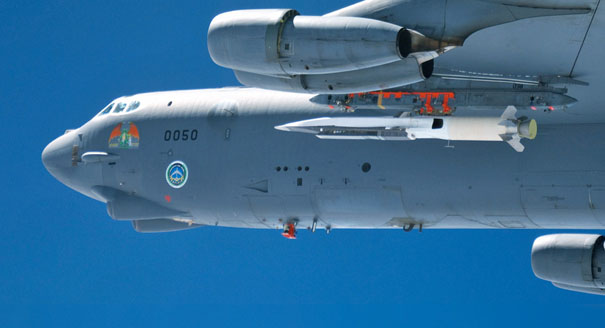
It’s hard to dispute the notion that before spending billions of dollars on a new weapon, the Pentagon ought to be able to explain what it’s for. So it’s surprising how often this rule isn’t followed. Take the Advanced Hypersonic Weapon.
Source: Defense One
It’s hard to dispute the notion that before spending billions of dollars on a new weapon, the Pentagon ought to be able to explain what it’s for. So it’s surprising how often this rule isn’t followed.
Take the Advanced Hypersonic Weapon. Just tested last month, it’s the latest candidate technology being developed for the Defense Department’s Conventional Prompt Global Strike program, an effort to develop long-range, ultra-fast, non-nuclear weapons. Following a successful test in 2011, hopes were running high ,but the booster rocket went out of control and was deliberately destroyed shortly after its launch from Alaska. If the test had gone to plan, the rocket would have released a glider that would then have flown—without power—for about 4,000 miles across the Pacific at many times the speed of sound.
Members of Congress will undoubtedly want to know about the causes of this failure and whether a do-over is warranted (which it may well be since the glider itself never got the chance to perform). But they should also be asking tough questions about how this weapon fits into broader U.S. defense strategy.
Jessica T. Mathews Chair, Co-director, Nuclear Policy Program
Acton holds the Jessica T. Mathews Chair and is co-director of the Nuclear Policy Program at the Carnegie Endowment for International Peace.
Recent Work

James M. Acton, Ankit Panda
James M. Acton
Carnegie does not take institutional positions on public policy issues; the views represented herein are those of the author(s) and do not necessarily reflect the views of Carnegie, its staff, or its trustees.

With the growth in points of friction between the great powers, organizations like the SCO will continue to play a role in the strategic adaptation of the smaller powers caught between them.

Temur Umarov
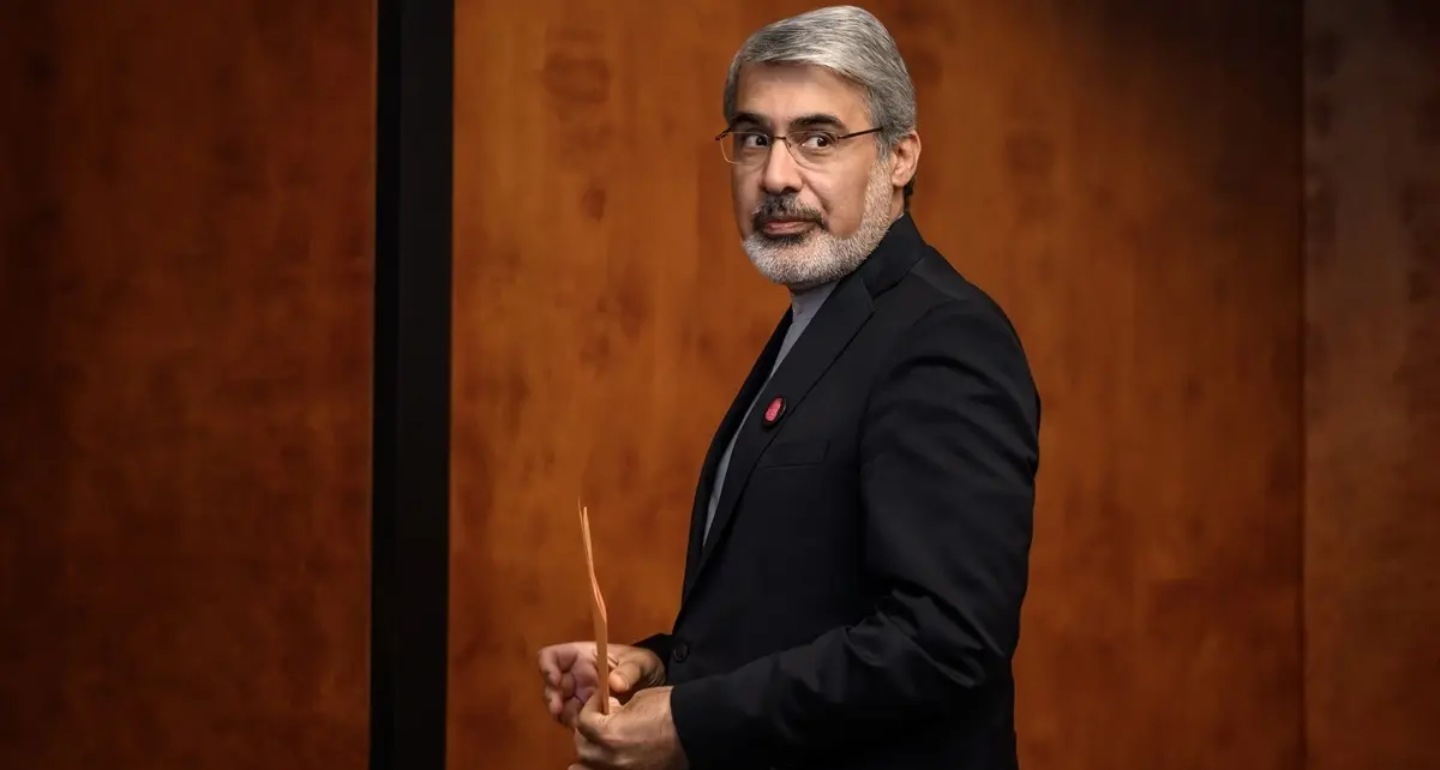
Ongoing uncertainty in the Middle East allows Moscow to both increase its influence in Tehran and continue to enjoy the financial windfall of higher oil prices.

Nikita Smagin
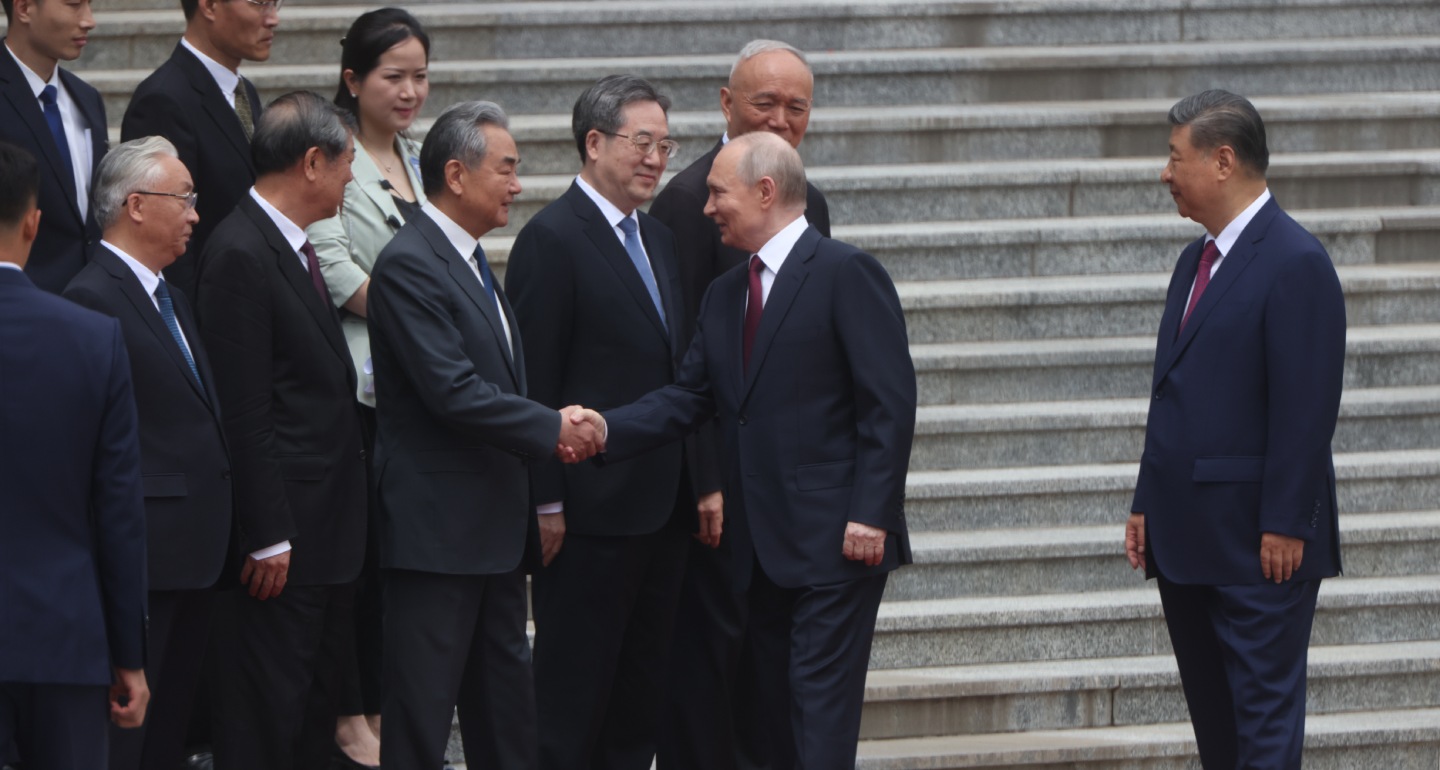
With no key agreement signed on the Power of Siberia 2 gas pipeline, there is a risk that the window of opportunity for Russia will close if Chinese power generation becomes so green that new gas sources are no longer of any interest to Beijing.

Alexander Gabuev
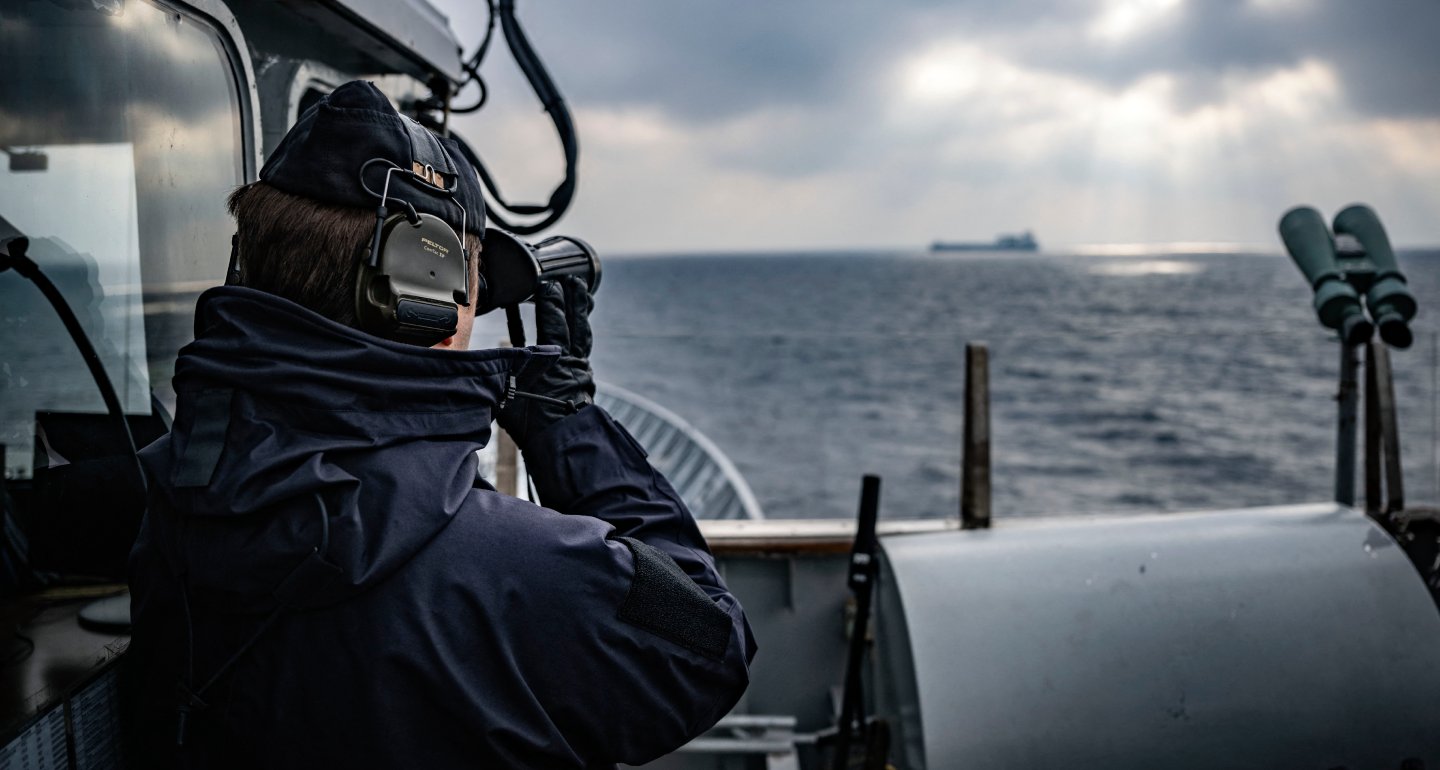
Governments in Estonia, Latvia, and Lithuania want to ensure that a U.S. military withdrawal would not leave them dangerously exposed to a Russian attack.

Sergejs Potapkins

Tokyo would have to surmount a lot of obstacles—not least Western sanctions—if it wanted to return Russian oil imports to even modest pre-2022 volumes.

Vladislav Pashchenko