

Commentary
Most of Moscow’s military resources are tied up in Ukraine, while Beijing’s foreign policy prioritizes economic ties and avoids direct conflict.
Alexander Gabuev, Temur Umarov
{
  "authors": [
    "Akio Kawato"
  ],
  "type": "commentary",
  "centerAffiliationAll": "",
  "centers": [
    "Carnegie Endowment for International Peace",
    "Carnegie Russia Eurasia Center"
  ],
  "collections": [],
  "englishNewsletterAll": "",
  "nonEnglishNewsletterAll": "",
  "primaryCenter": "Carnegie Russia Eurasia Center",
  "programAffiliation": "",
  "programs": [],
  "projects": [],
  "regions": [
    "East Asia",
    "China",
    "Japan",
    "Russia"
  ],
  "topics": [
    "Economy",
    "Foreign Policy"
  ]
}
Source: Getty
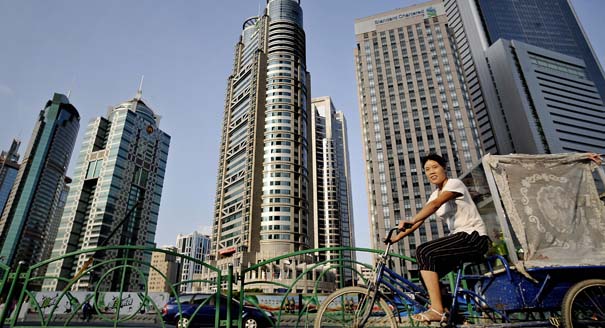
Facing Western sanctions, some Russian pundits are rushing to find an easy way out through increased cooperation with Asia. However, nothing can replace the West for Russia.
Facing Western sanctions, some Russian pundits are rushing to find an easy way out through increased cooperation with Asia. But their expectations are built on an illusion.
Firstly, neither China nor Japan possesses the technology needed for exploitation of non-conventional oil and natural gas. Japan has a monopoly on gas liquefaction technology, but that is another matter, because, if new sources of natural gas are not developed, liquefaction plants will be of no use. China may be able to provide huge advance payments for oil and gas from Siberia, but Russia will not be able to find any other suppliers of long-term credit in Asia.
Secondly, Siberia and the Russian Far East are too economically feeble to become a dynamic member of the East Asian economy. Industrial products made in European Russia face high transportation costs en route to Asia, and the natural resource wealth to the east of the Urals needs money and time to be further developed.
The ruble and the renminbi are used in international transactions, but only on a limited scale as mere accounting units in bilateral payments. In this way, they remind us of the “transferable ruble” used by the socialist “COMECON” countries during the Cold War; the currency existed on paper but did not contribute to an expansion of trade.
Some Russian pundits lay vain hope on the “increasingly independent” policies of Germany and Japan in relation to the United States. However, this independence has its own limits. Neither country intends to discard its cozy “dependence” on U.S. military might.
Therefore, nothing can replace the West for Russia. The best way out for Russia is to go back to the basics: Moscow must reconcile with the West by finding a modus vivendi in Ukraine. Former Ukrainian President Viktor Yanukovych played the West and Russia against one another to gain financial assistance, but was overthrown by the unexpected rise of the rightist elements of the opposition. The “middle way” would have been and continues to be the most pragmatic way forward: to promote gradual reforms in both Russia and Ukraine without attempts to forcibly change the political framework of either country.
The devaluation of the ruble has inflated Russian state revenues, creating a false sense of confidence that Russia can outlast the storm of western sanctions. But such a course will mean a desperate race with growing inflation. It is time for Russia to come to terms with reality and stop dreaming about a Shangri-La in Asia.
Akio Kawato
Writer
Akio Kawato is a former Japanese diplomat and blogger.
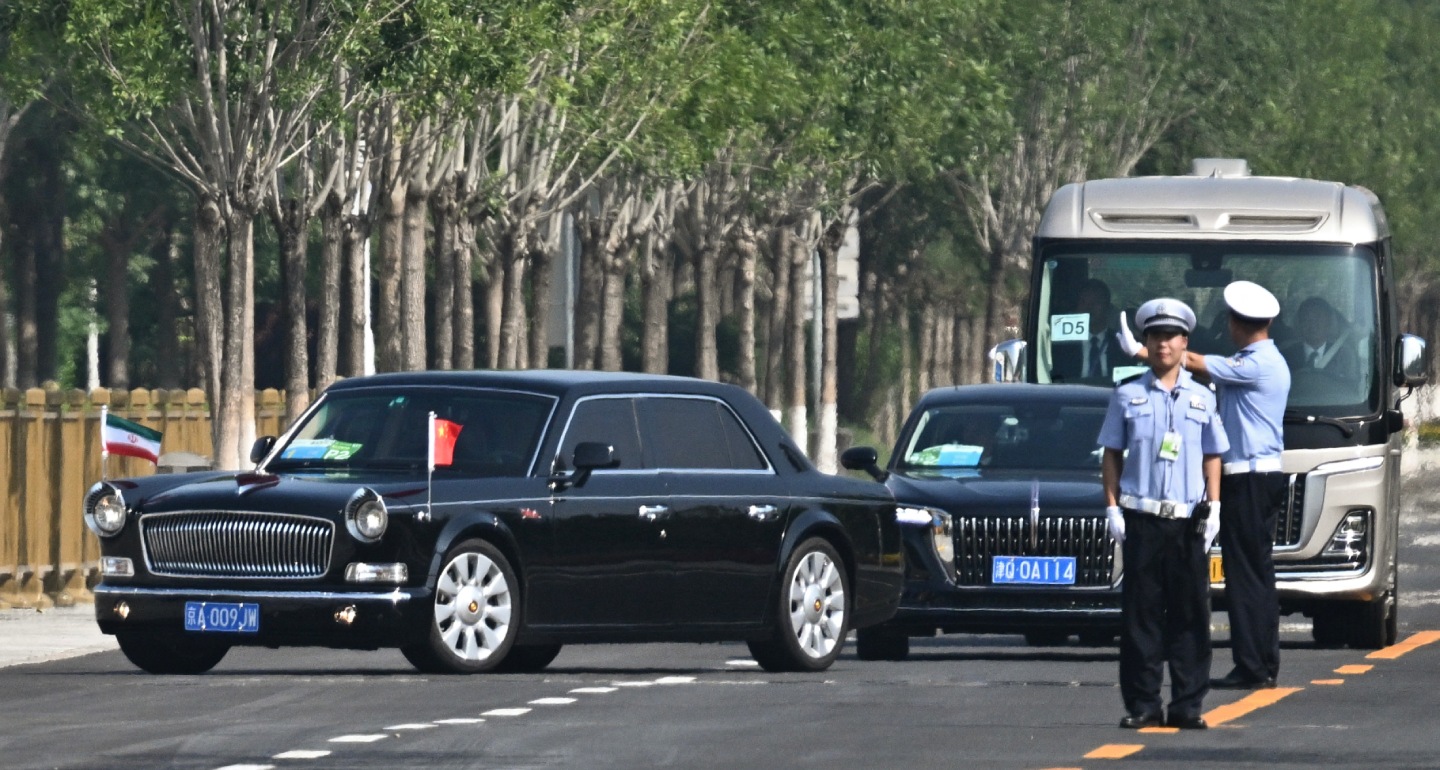
Most of Moscow’s military resources are tied up in Ukraine, while Beijing’s foreign policy prioritizes economic ties and avoids direct conflict.


Alexander Gabuev, Temur Umarov
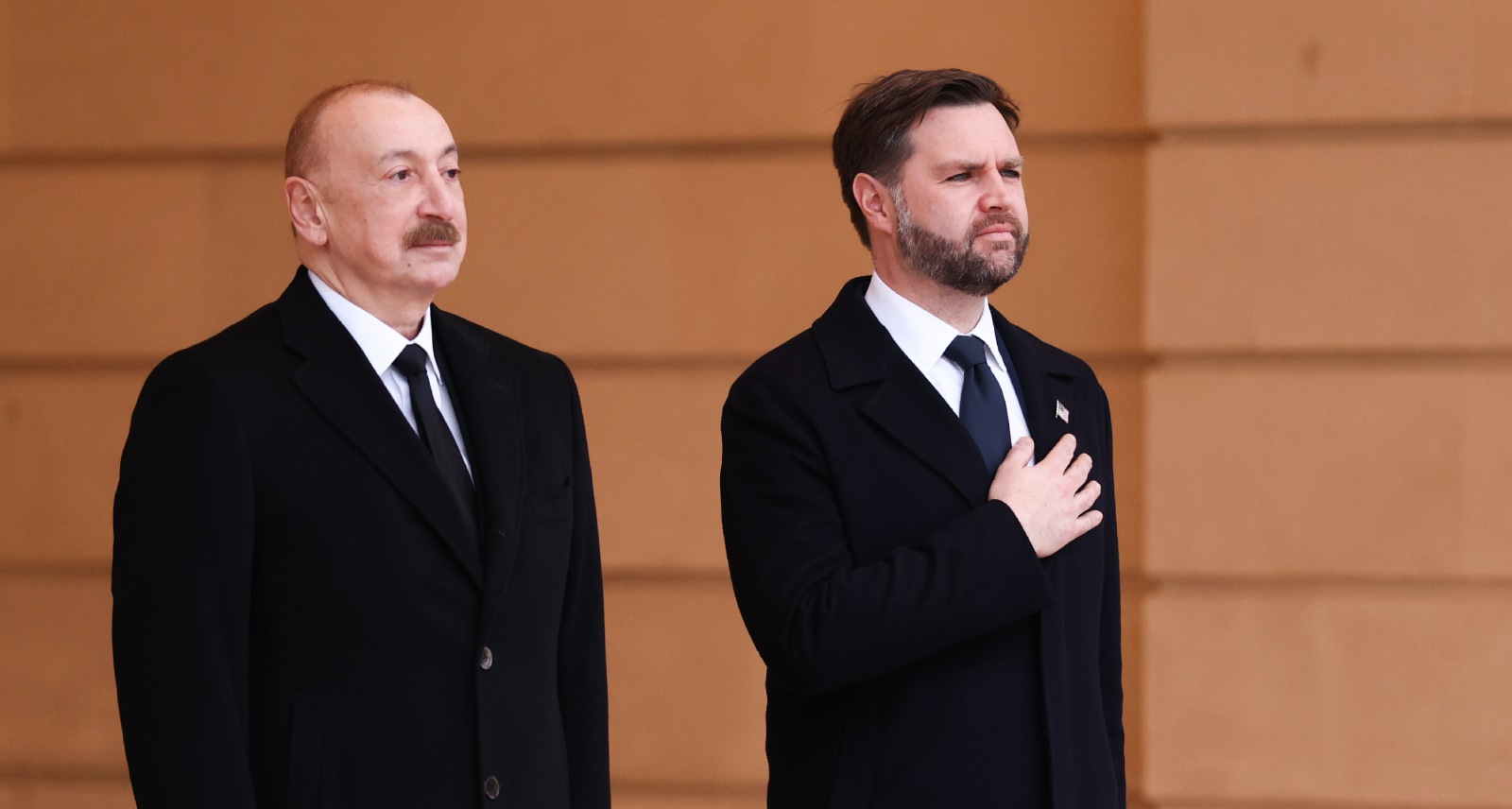
With the White House only interested in economic dealmaking, Georgia finds itself eclipsed by what Armenia and Azerbaijan can offer.

Bashir Kitachaev
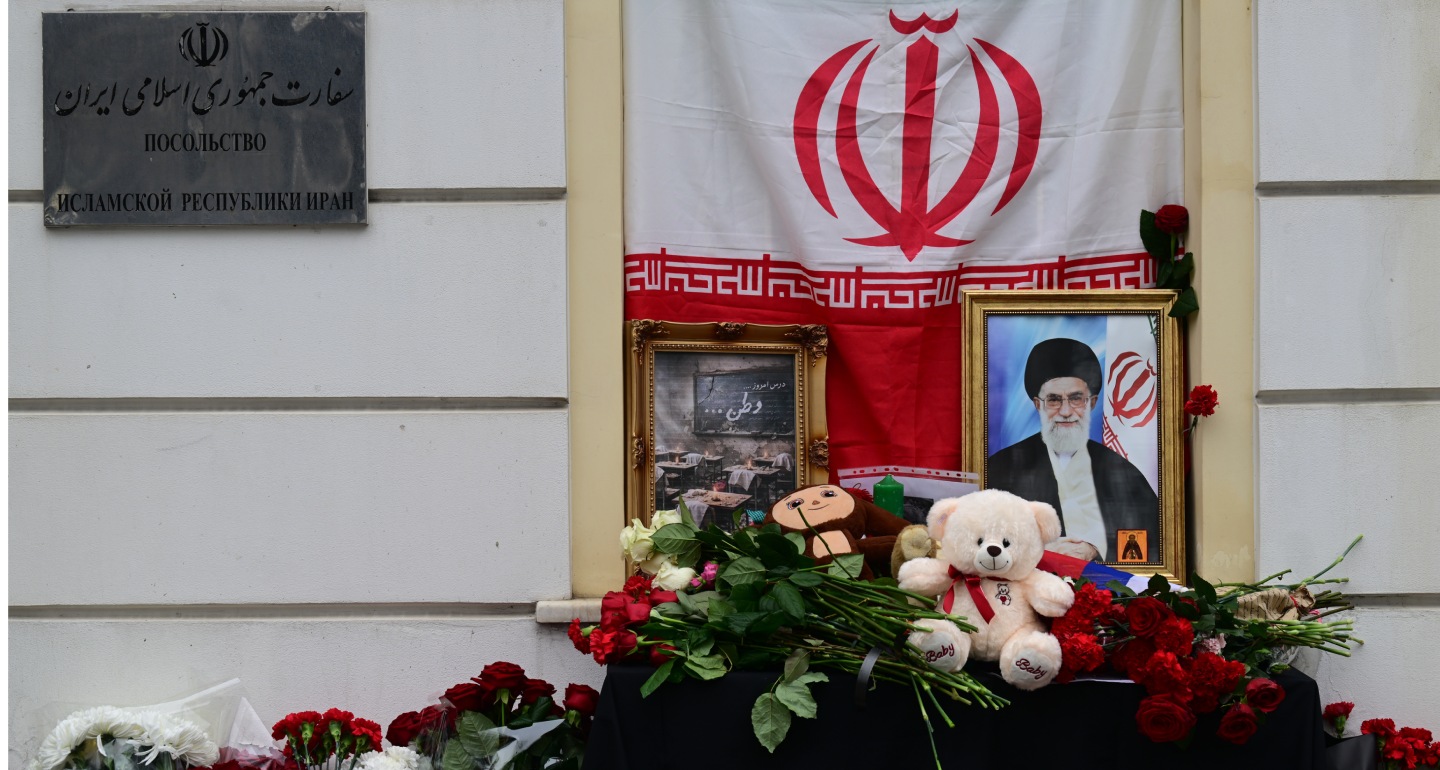
If the regime in Tehran survives, it could be obliged to hand Moscow significant political influence in exchange for supplies of weapons and humanitarian aid.

Nikita Smagin
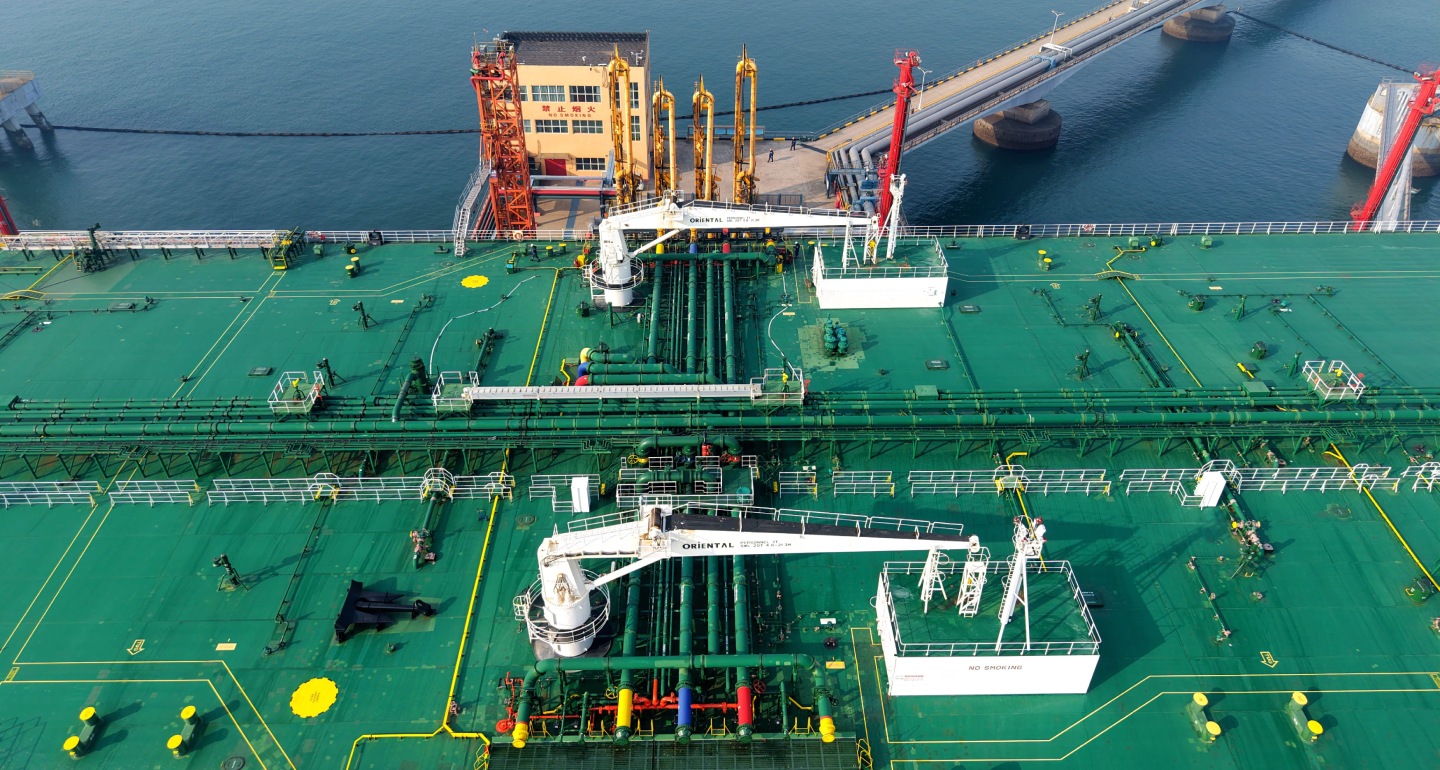
The interventions in Iran and Venezuela are in keeping with Trump’s strategy of containing China, but also strengthen Russia’s position.

Mikhail Korostikov
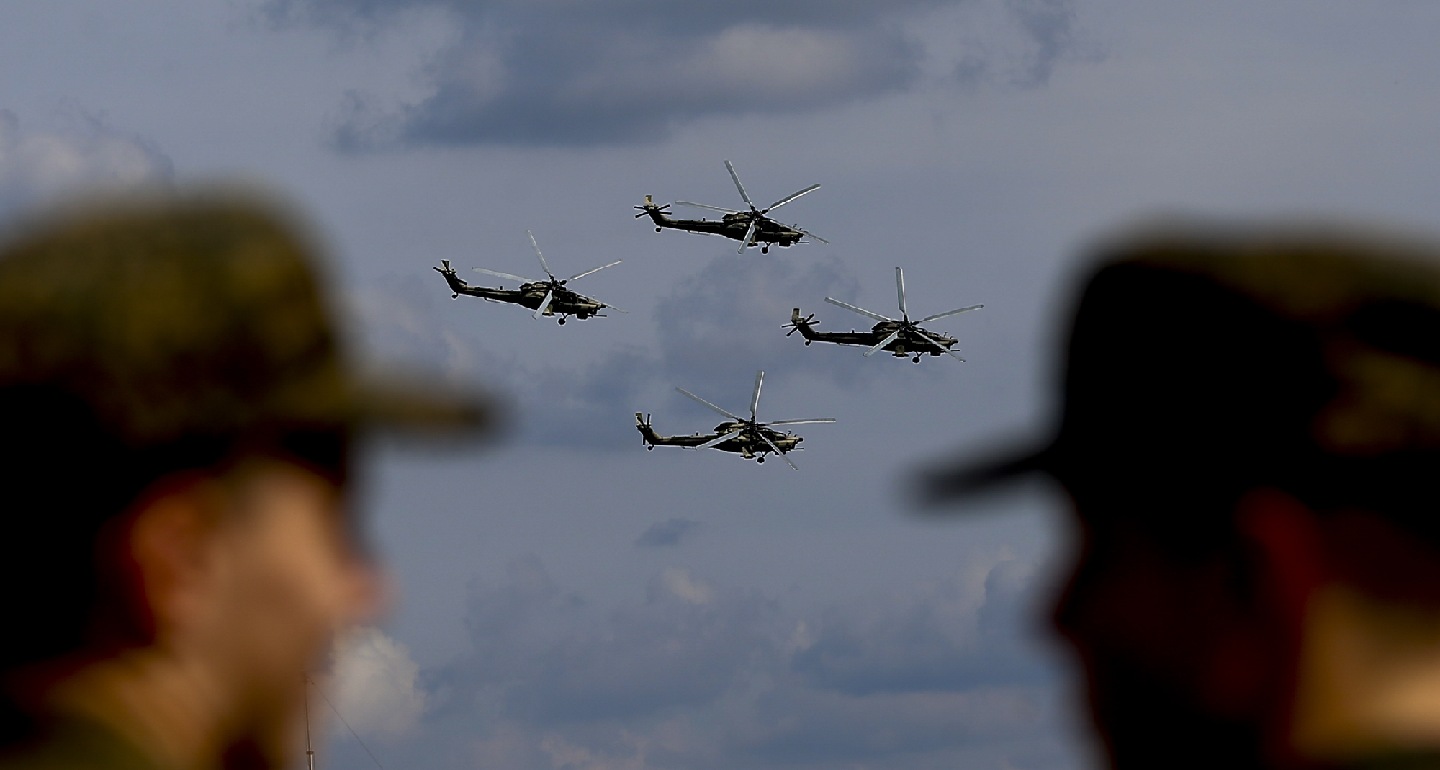
Arms supplies from Russia to Iran will not only continue, but could grow significantly if Russia gets the opportunity.
Nikita Smagin