

Article
C. Raja Mohan, Darshana M. Baruah
{
  "authors": [
    "C. Raja Mohan"
  ],
  "type": "legacyinthemedia",
  "centerAffiliationAll": "dc",
  "centers": [
    "Carnegie Endowment for International Peace",
    "Carnegie India"
  ],
  "collections": [],
  "englishNewsletterAll": "ctw",
  "nonEnglishNewsletterAll": "",
  "primaryCenter": "Carnegie India",
  "programAffiliation": "SAP",
  "programs": [
    "South Asia"
  ],
  "projects": [],
  "regions": [
    "India",
    "Southeast Asia",
    "South Asia"
  ],
  "topics": [
    "Foreign Policy"
  ]
}
Source: Getty
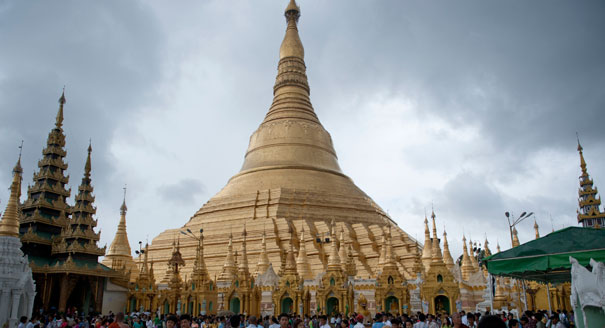
Modi has his work cut out for him in bridging the growing gap between the potential and reality of India’s partnership with Myanmar.
Source: Indian Express
Connecting to Myanmar was the central theme of Prime Minister Narendra Modi’s talks with President Thein Sein on the margins of the East Asia Summit in Nay Pyi Taw this week. The two leaders reiterated the importance of building on the natural geographic, cultural and historic cultural links between the two countries.
Modi, however, has his task cut out in bridging the growing gap between the potential and reality of India’s partnership with Myanmar. The problem in Delhi is not in the lack of a vision for the future of the relationship, but India’s problems in translating that into practical outcomes over the last two decades.
The hosting of the East Asia Summit in the capital of Myanmar marks an end to the prolonged international isolation of the nation that was once among the richest nations of the region and was at the forefront of imagining post colonial Asia.Myanmar, then called Burma, voluntarily cut itself off from its neighbours and the world from the early 1960s to the late 1980s. The country sought to engage the world since then, but the brutal crack down on the pro-democracy movement at home saw the West impose sanctions on the military regime.
In an effort to breakout of the Western pressure, Myanmar joined the Association of South East Asian Nations and began tentative economic reforms. Myanmar found that the membership of the ASEAN was not enough to ease the Western pressures.
Myanmar turned to China and India for economic cooperation and political support. China was quick to embrace Myanmar. India, which had supported the democracy movement in the late 1980s, after some hesitation began a constructive engagement with the military leadership from the early 1990s.
Over the last two decades, India’s relationship with Myanmar has steadily expanded. The focus was on restoring high level political exchanges, renewing economic ties, and reviving trans-border links between India’s North East and northern Myanmar.
The two sides also launched cooperation between their security forces to counter insurgencies operating on both sides of the restive land frontier that is 1600 km long. India also stepped up military exchanges with the armed forces of Myanmar.
As India unveiled its Look East policy in the early 1990s, Myanmar became quite central to Delhi’s engagement with South East Asia. After all Myanmar is the natural land bridge between India and East Asia.
Given the vast and shared maritime frontier in the Bay of Bengal and southern Myanmar’s location at the nexus between the Indian and Pacific Oceans, the eastern neighbour has also become an important element of India’s new maritime calculus.
Despite the recognition of these massive stakes in Myanmar, there is no denying that Delhi’s performance there has been less than impressive. Bilateral trade remains at a paltry 2 billion dollars. Trans-border connectivity projects have been slow to get off the ground. Indian companies, private and public, have been reluctant to take up projects in the country.
China, in contrast, has dramatically expanded its economic presence in the country. Among the many impressive projects that China has implemented is the twin pipeline system to carry oil and gas across Myanmar territory from the Bay of Bengal coast to south western China.
Over the last couple of years, there has been a significant transformation of Myanmar’s international position. Its unfolding transition to democracy and economic liberalisation have seen the relaxation of Western sanctions and a new rush by international corporations to do business in Myanmar.
The rise of China and its assertiveness in Asia has seen Japan and the United States taking a more strategic view of Myanmar and extending military cooperation to Nay Pyi Taw. Basking in the new attention from the West, Myanmar has also sought to reduce its economic reliance on China.
This new dynamic offers both challenges and opportunities for the Modi government. For one, India no longer has a privileged access to the markets in Myanmar. It has to compete with global businesses in the country. At the same time, as Thein Sein told the PM, Myanmar wants to take full advantage of India’s prospects for rapid economic growth under Modi. As its diversifies its international relations, India remains an important political partner for Myanmar.
The PM’s emphasis on expanding of infrastructure in the North East, promoting connectivity to South East Asia, developing the huge tourism potential in the region, especially the Buddhist circuit, and timely implementation of projects do indeed set the stage for a new phase in bilateral relations.
Modi has promised President Thein Sein to return to Myanmar on bilateral visit next year. By that time, the PM should have a concrete action plan for a vigorous and sustainable framework for the transformation of the partnership with Nay Pyi Taw.
This article was originally published in the Indian Express.
Former Nonresident Senior Fellow, Carnegie India
A leading analyst of India’s foreign policy, Mohan is also an expert on South Asian security, great-power relations in Asia, and arms control.
Recent Work

C. Raja Mohan, Darshana M. Baruah


Alexander Gabuev, Paul Haenle, C. Raja Mohan, …
Carnegie does not take institutional positions on public policy issues; the views represented herein are those of the author(s) and do not necessarily reflect the views of Carnegie, its staff, or its trustees.

Despite unhappiness on the ground, Moscow is determined to use both carrot and stick to ensure there is record support for United Russia in occupied Ukraine.

Konstantin Skorkin
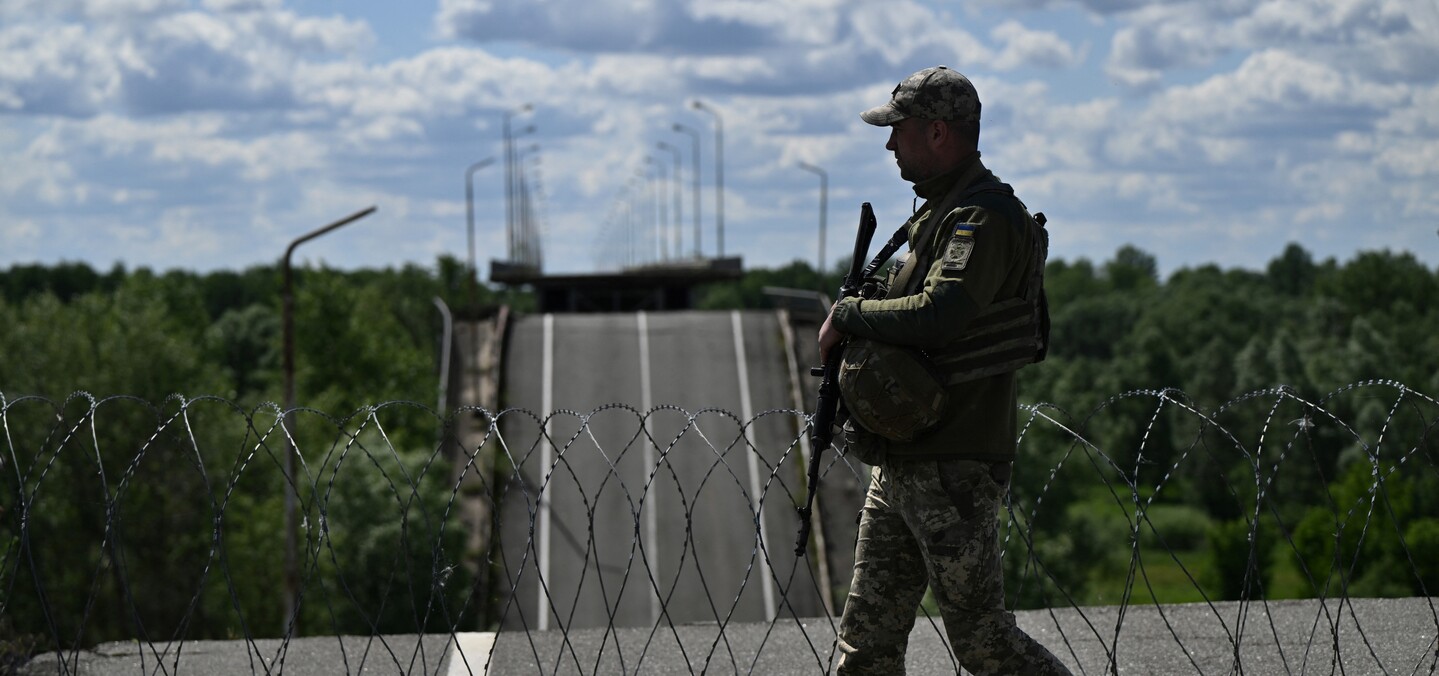
The recent damage inflicted by Ukrainian drones and missiles on Russia has made Belarus aware of its own vulnerabilities—and surprisingly amenable to Kyiv’s demands.

Artyom Shraibman
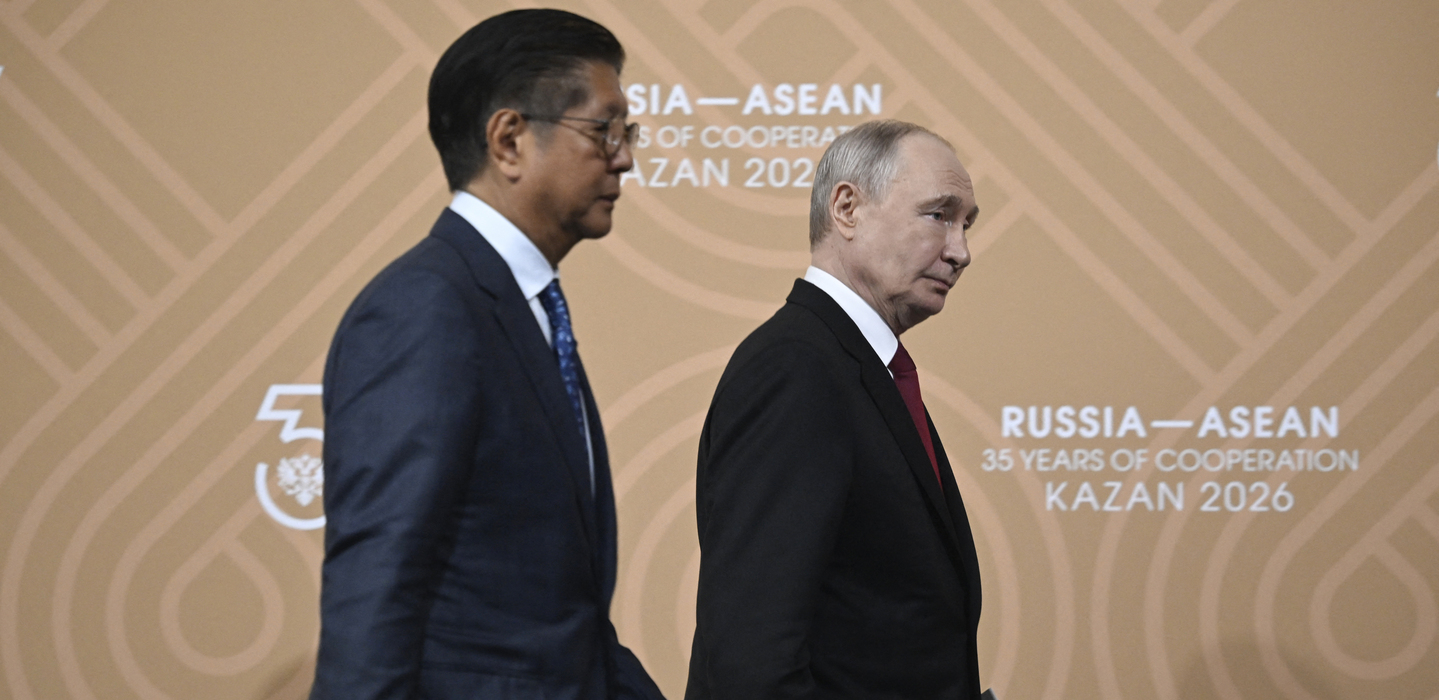
Russia looks set to reap economic benefits from closer ties with Southeast Asian countries that are keen to find reliable energy suppliers and diversify trade ties.
Alexander Gabuev
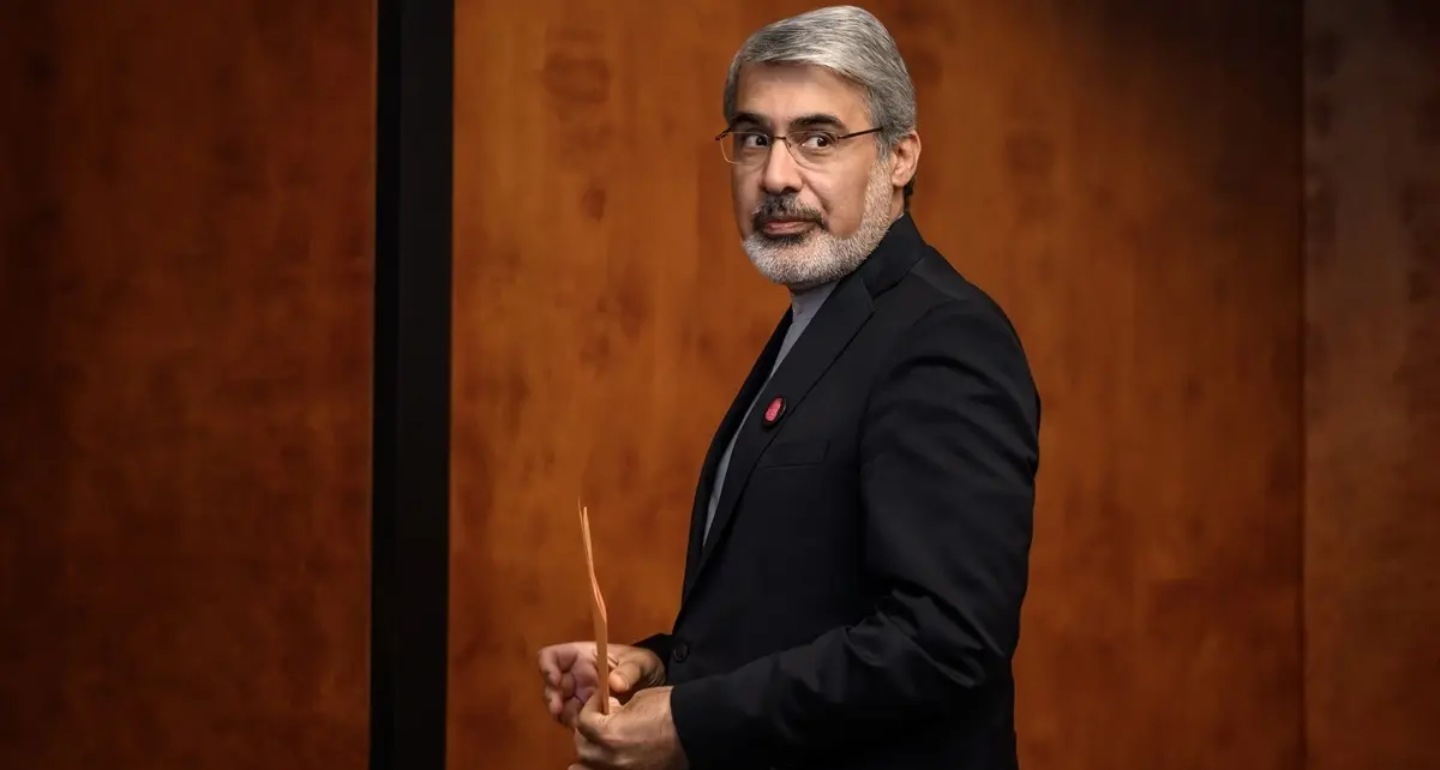
Ongoing uncertainty in the Middle East allows Moscow to both increase its influence in Tehran and continue to enjoy the financial windfall of higher oil prices.

Nikita Smagin

This year’s wars have made alternative routes to transit through Russia no less risky for Central Asian countries.

Galiya Ibragimova