

Commentary
In the discussions made possible by the State Duma election campaign, one question is being asked more and more loudly. “What next?”
Andrey Pertsev
{
  "authors": [
    "Dmitri Trenin",
    "Yu Bin"
  ],
  "type": "legacyinthemedia",
  "centerAffiliationAll": "dc",
  "centers": [
    "Carnegie Endowment for International Peace",
    "Carnegie Russia Eurasia Center"
  ],
  "collections": [],
  "englishNewsletterAll": "ctw",
  "nonEnglishNewsletterAll": "",
  "primaryCenter": "Carnegie Russia Eurasia Center",
  "programAffiliation": "russia",
  "programs": [
    "Russia and Eurasia"
  ],
  "projects": [],
  "regions": [
    "East Asia",
    "China",
    "Russia"
  ],
  "topics": [
    "Economy",
    "Trade",
    "Foreign Policy"
  ]
}
Source: Getty
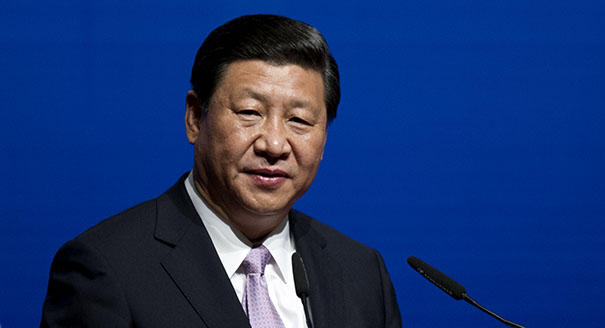
Xi Jinping’s visit to Russia has high value in the wake of the Ukraine crisis and the West’s response.
Source: China Radio International’s People In the Know
China’s President Xi Jinping is going to Russia for his fourth visit to the country since he became the Chinese president in 2013. His main agendas in Russia include an attendance at the 70th anniversary celebration of Russia’s victory in World War II. The visit is also expected to bring forth now cooperative initiatives between the two neighbors bonded by an ever deeper strategic partnership.
On China Radio International, Carnegie Moscow Center’s Dmitri Trenin discussed Xi Jinping’s visit to Russia with Zheng Chenguang. He was joined by Yu Bin, a professor of political science at the Wittenberg University in the United States.
The visit has high symbolic value in the wake of the Ukraine crisis and the West’s response, Trenin said. He added that Russia regards China as a potential replacement for the sanction regime losses as well as an opportunity to reform its own economy through joint projects in infrastructure and science and technology.
This interview was originally broadcast on China Radio International.
Former Director, Carnegie Moscow Center
Trenin was director of the Carnegie Moscow Center from 2008 to early 2022.
Yu Bin
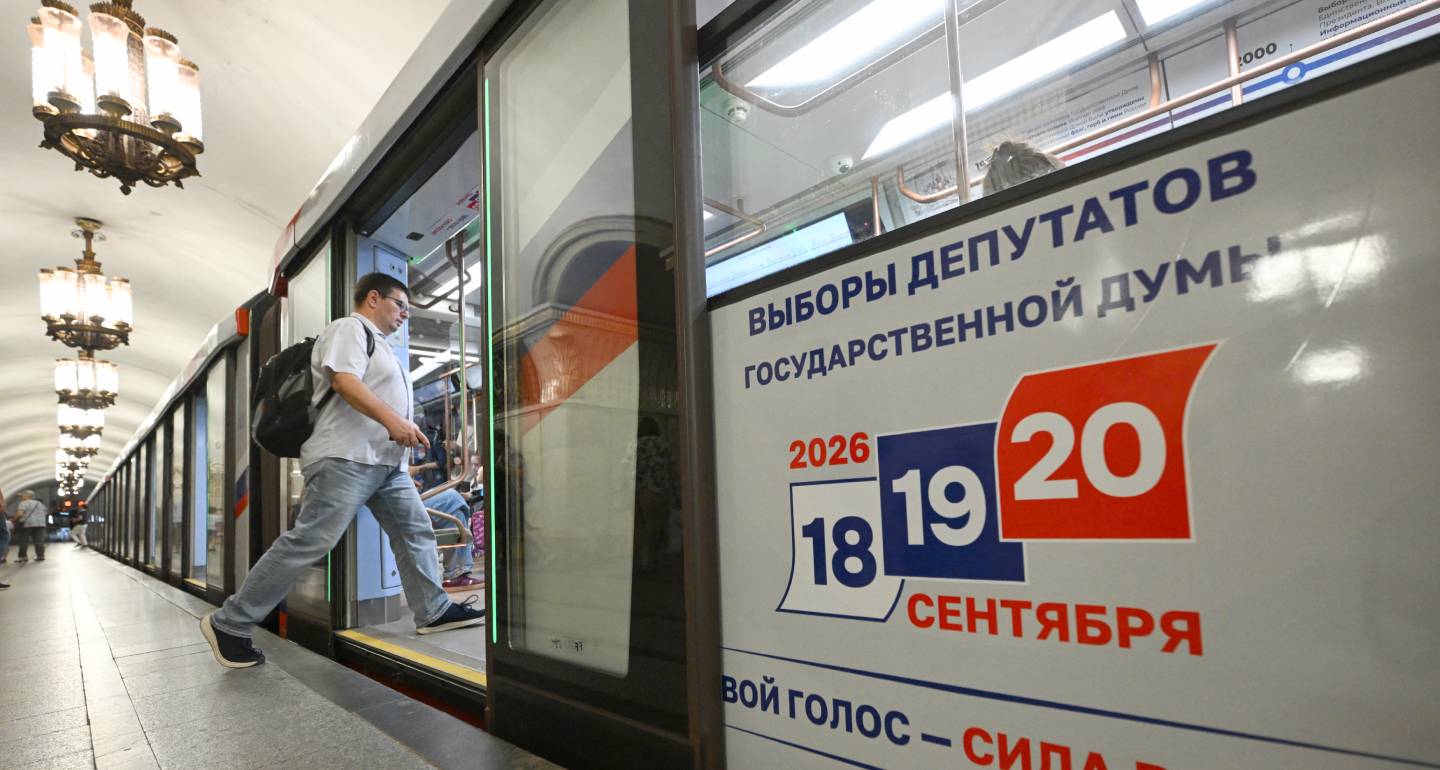
In the discussions made possible by the State Duma election campaign, one question is being asked more and more loudly. “What next?”

Andrey Pertsev
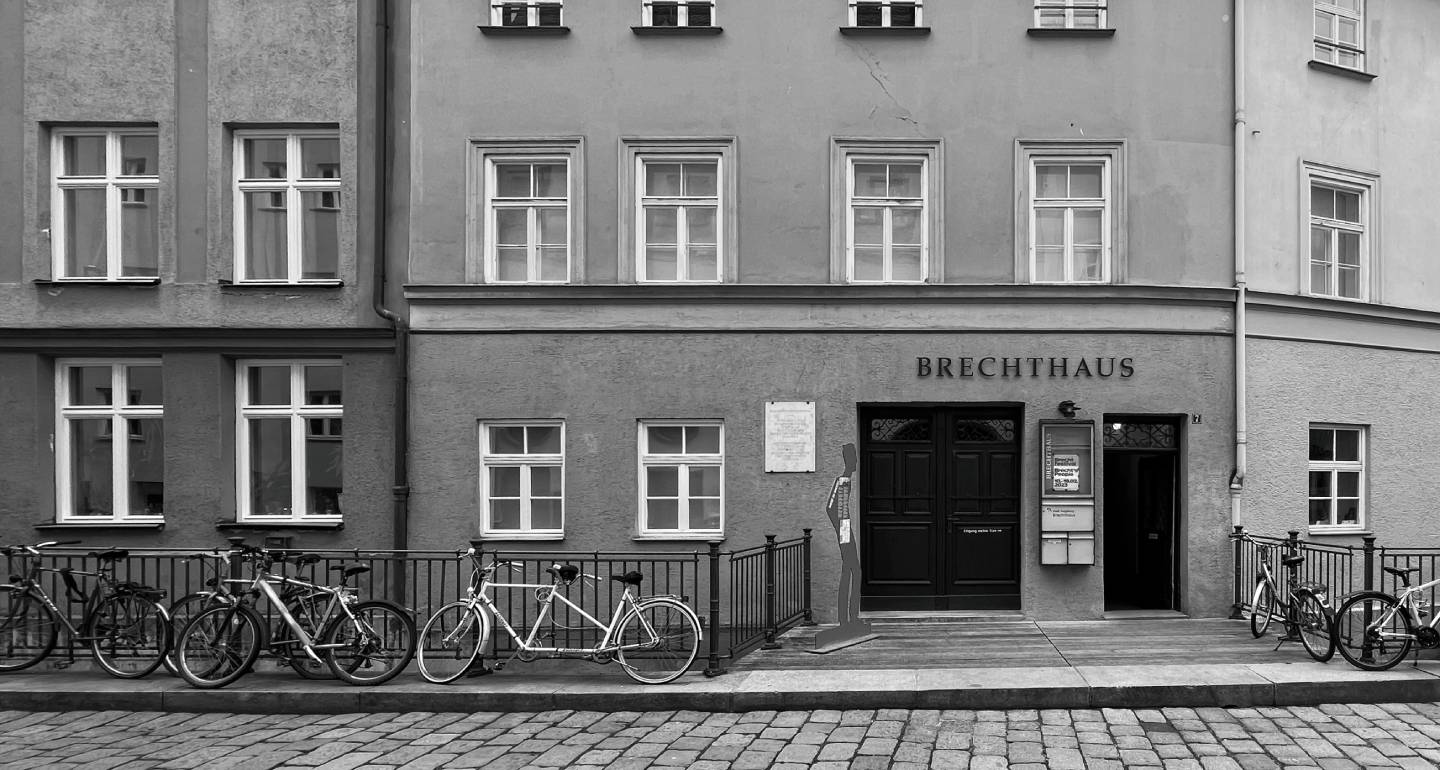
While the Nazis rushed ahead in a revolutionary fervor, Russia’s modern crusaders against enemies of the state work methodically, giving their targets time to adjust to restrictions before closing the loopholes.

Leonid Bershidsky

When faced with fuel shortages in the past, Central Asian governments could always count on additional supplies from Moscow. That safety net no longer exists.

Galiya Ibragimova
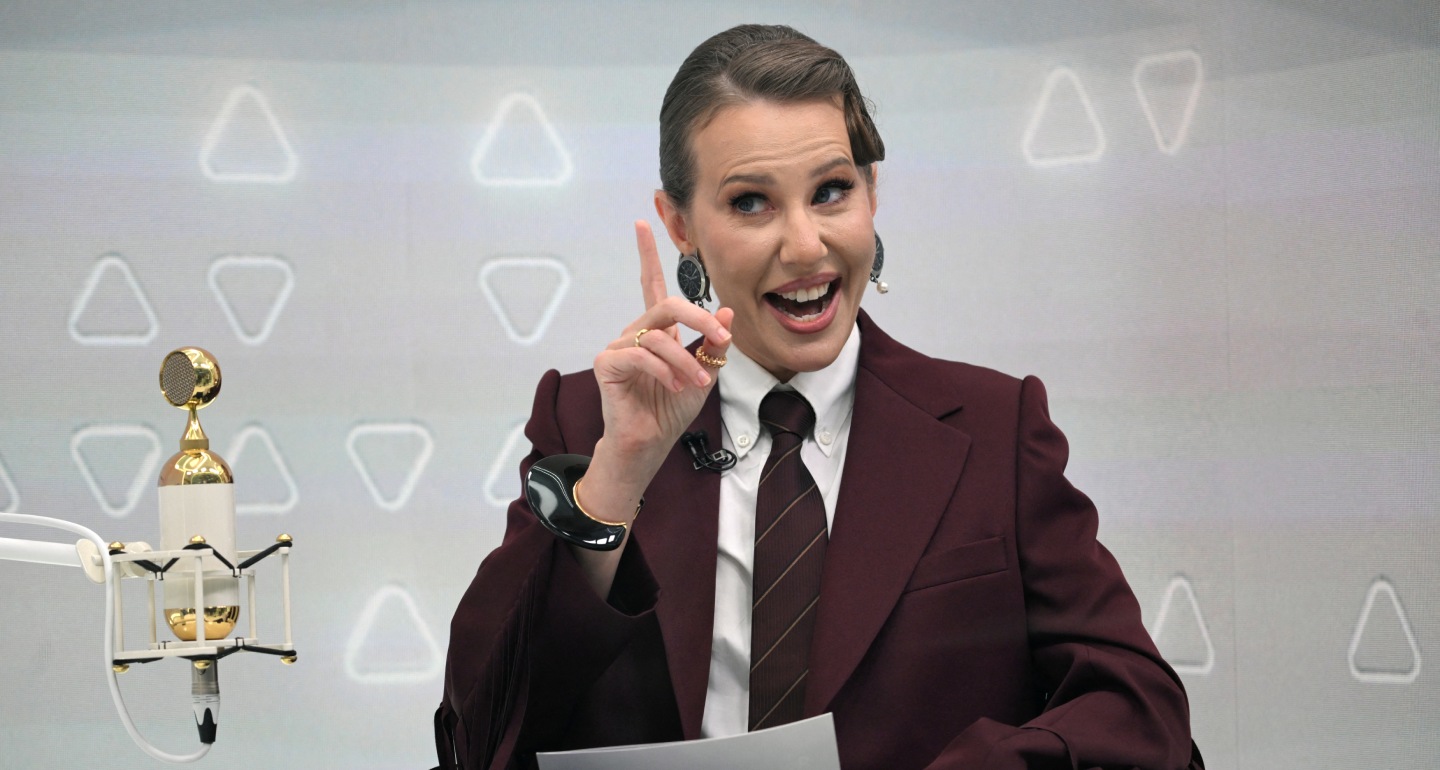
Reading the purported correspondence of celebrity Ksenia Sobchak sheds light on her role within the system, and how journalism and politics function in Putin’s Russia.
Vladislav Gorin
When political power is concentrated in the hands of a small circle of people, a country invariably ends up with technological stagnation.
Aleksei Kiselev