

Commentary
Dmitri Trenin
{
  "authors": [
    "Dmitri Trenin"
  ],
  "type": "legacyinthemedia",
  "centerAffiliationAll": "",
  "centers": [
    "Carnegie Endowment for International Peace",
    "Carnegie Russia Eurasia Center"
  ],
  "collections": [],
  "englishNewsletterAll": "",
  "nonEnglishNewsletterAll": "",
  "primaryCenter": "Carnegie Russia Eurasia Center",
  "programAffiliation": "",
  "programs": [],
  "projects": [
    "Eurasia in Transition"
  ],
  "regions": [
    "North America",
    "United States",
    "East Asia",
    "China",
    "Russia",
    "Eastern Europe",
    "Ukraine",
    "Western Europe"
  ],
  "topics": [
    "Foreign Policy"
  ]
}
Source: Getty
The Ukraine crisis was not just about Ukraine, or even Europe. It was about the global order, which promises a long competition with a yet-unforeseen result.
Source: Global Times
The recent visits to Russia by German chancellor Angela Merkel and US Secretary of State John Kerry have raised the prospect of the stabilization of the conflict between Russia and the West, which broke out in 2014 over Ukraine. Some observers even go so far as to discuss what a new security regime in Europe might look like. Not so fast.
The Ukraine crisis was not just about Ukraine, or even Europe. It was about the global order, which promises a long competition with a yet-unforeseen result. Crucially, it is part of a pattern of changing relationships among the world's powers, with the US struggling to preserve its dominance.
The EU, for now, is not one of the competitors. The Ukraine crisis has demonstrated its woeful lack of both strategic thinking and action. The EU precipitated the crisis with its Eastern Partnership initiative, but then failed to oversee the transition in Kiev, and now is falling short of resources to keep Ukraine afloat financially.The military conflict has naturally highlighted the role of NATO and the US, pushing the EU to the side. Germany, which after the euro crisis was rising as the EU's sole leader, has to accept that whatever leadership it may be able to exercise now has to be embedded within a broader US leadership.
This leaves Europe's security in a precarious state. The Russia problem which was left unresolved through inclusion since the end of the Cold War, cannot be solved through Russia's exclusion: It is still too big and increasingly assertive of its interests.
Western policies of sanctioning Russia economically and isolating it politically have failed to achieve the stated goal of making Russian President Vladimir Putin change his course. However, changing gears by sitting down with Putin to hammer out some compromise on Ukraine would be politically suicidal for Western leaders, in view of the rhetoric of the past 15 months. Strategically, this would constitute a US retreat which would reverberate around the world.
This means that Europe, for the foreseeable future, will not have a stable security order. The Minsk II agreement which the US, Germany, France, Ukraine and Russia pledged to uphold has little chance of being implemented. Kiev is unlikely to federalize Ukraine and give Donbass the "widest possible autonomy" it seeks, and the Donbass will not just wither away, ceding control of the Russian border to Ukraine. The best one can hope for is a stable truce, with some economic and humanitarian ties across the divide and regular contact between officials. Thus, Minsk would be less about the goal and more about the process.
The only consolation for the West in this situation will be that "Putin has been stopped." No attack on Mariupol by the rebels, no Russian offensive toward Kharkov or Odessa, the notion of Novorossiya has been retired. Transnistria is quiet, for the time being, the status quo in Abkhazia and South Ossetia is undisturbed. Moldova has confirmed its westward orientation, Georgia hosts US training exercises. Crucially, the Baltic States have not been disturbed by Russia, and have received not just moral, but also military support from their NATO allies. All true, except that the Kremlin did not intend to restore the Soviet Union, much less the Soviet sphere of influence in Europe.
The change that the Ukraine crisis has brought about is not territorial, but rather strategic and mental. Russia has finally quit its policy of trying to integrate into the West and become part of the Euro-Atlantic system. It has returned to its home base in Eurasia and has prioritized links to non-Western countries.
Relations with China for the first time are becoming as important for Russia as its relations with the US, and totally the opposite in nature. The Sino-Russian entente can further serve as a catalyst for coordination within such formations as BRICS and SCO, both of which will hold their next summits in Russia in July.
With Indian Prime Minister Narendra Modi's ground-breaking visit to China and India's forthcoming accession to the SCO, Moscow is putting more effort into its pet project of a closer triangular "RIC" cooperation.
The change of the global order will take a generation. The transition period will be marked by instability: The arrival of ambitious players at different levels and in virtually all regions will overload the capacity of the existing instruments of governance and control. Look at the Middle East, until very recently a playground for competing outside powers. Europe, until recently the world's most stable region, will hardly escape unscathed. Ukraine's domestic situation is fraught with many dangers. The Balkans, as Macedonia has just reminded everyone, are not a done deal. Britain may be headed for exit from the EU, and Turkey, having been denied entry there, is now on a path of its own, both internally and internationally.
The most important developments shaping the future of the world, however, will take place in Asia. What different players there will have learnt from the lessons of Ukraine will matter.
Former Director, Carnegie Moscow Center
Trenin was director of the Carnegie Moscow Center from 2008 to early 2022.
Recent Work
Dmitri Trenin
Dmitri Trenin
Carnegie does not take institutional positions on public policy issues; the views represented herein are those of the author(s) and do not necessarily reflect the views of Carnegie, its staff, or its trustees.

Depleted financial reserves and a shrinking tax base mean it is no longer possible to simultaneously deliver high defense spending, price stability, and economic growth.

Alexandra Prokopenko

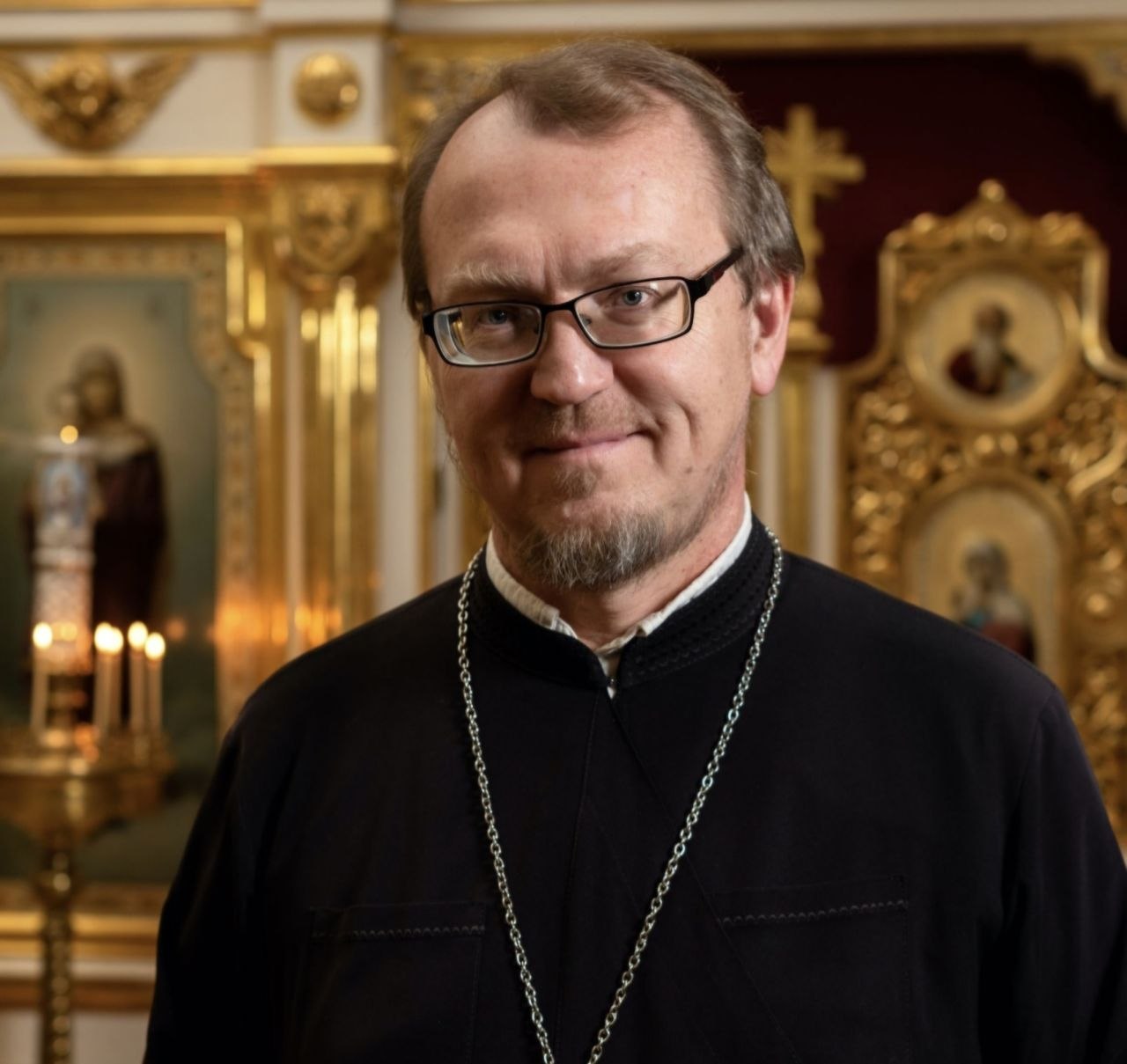
Blurring the line between humans and animals is a long-standing tradition in social utopian prose. In his latest novel, Leonid Bershidsky reminds us that in social experiments, people are often treated no differently than animals.

Alexander Baunov
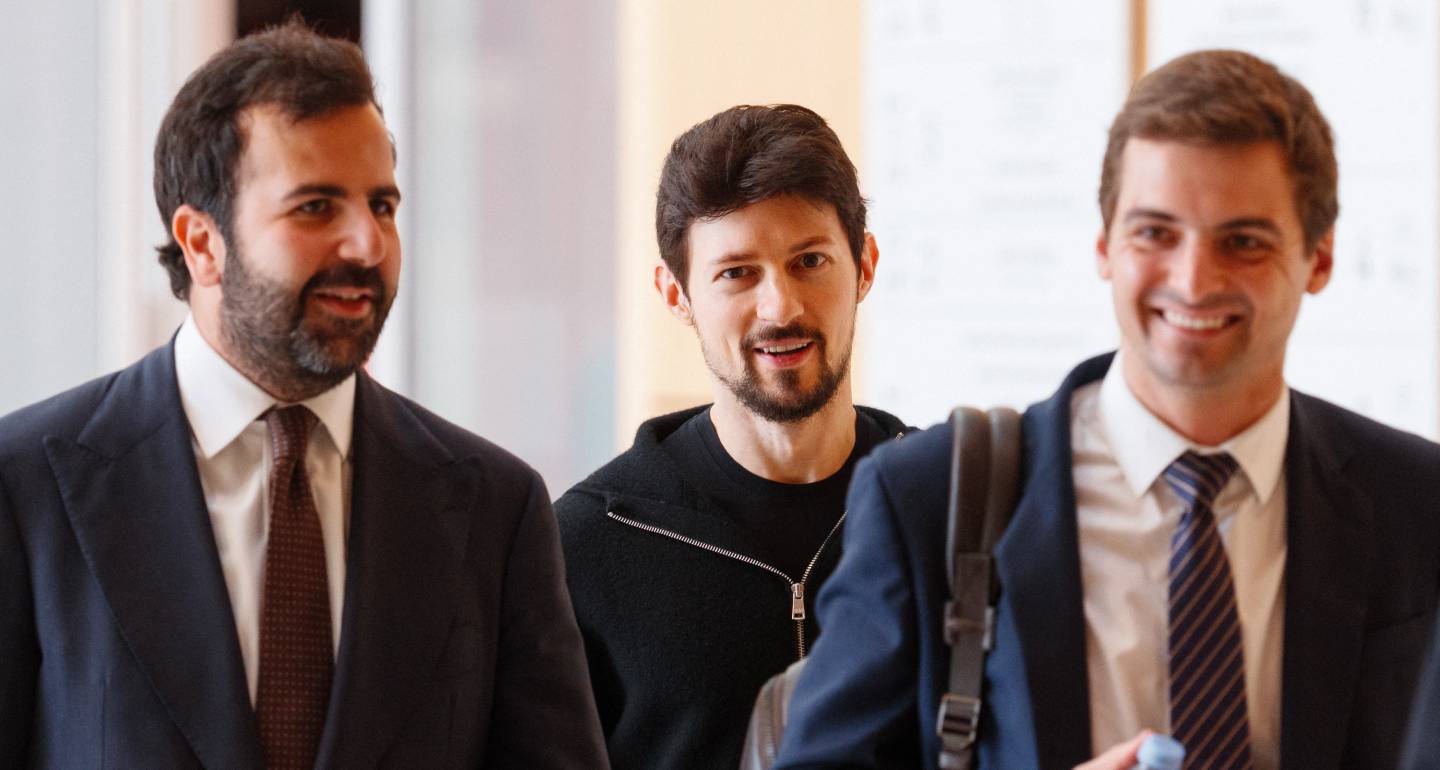
While France and Australia are seeking to establish the legal obligations of messaging apps like Telegram, Russia wants total subordination.

Maria Kolomychenko
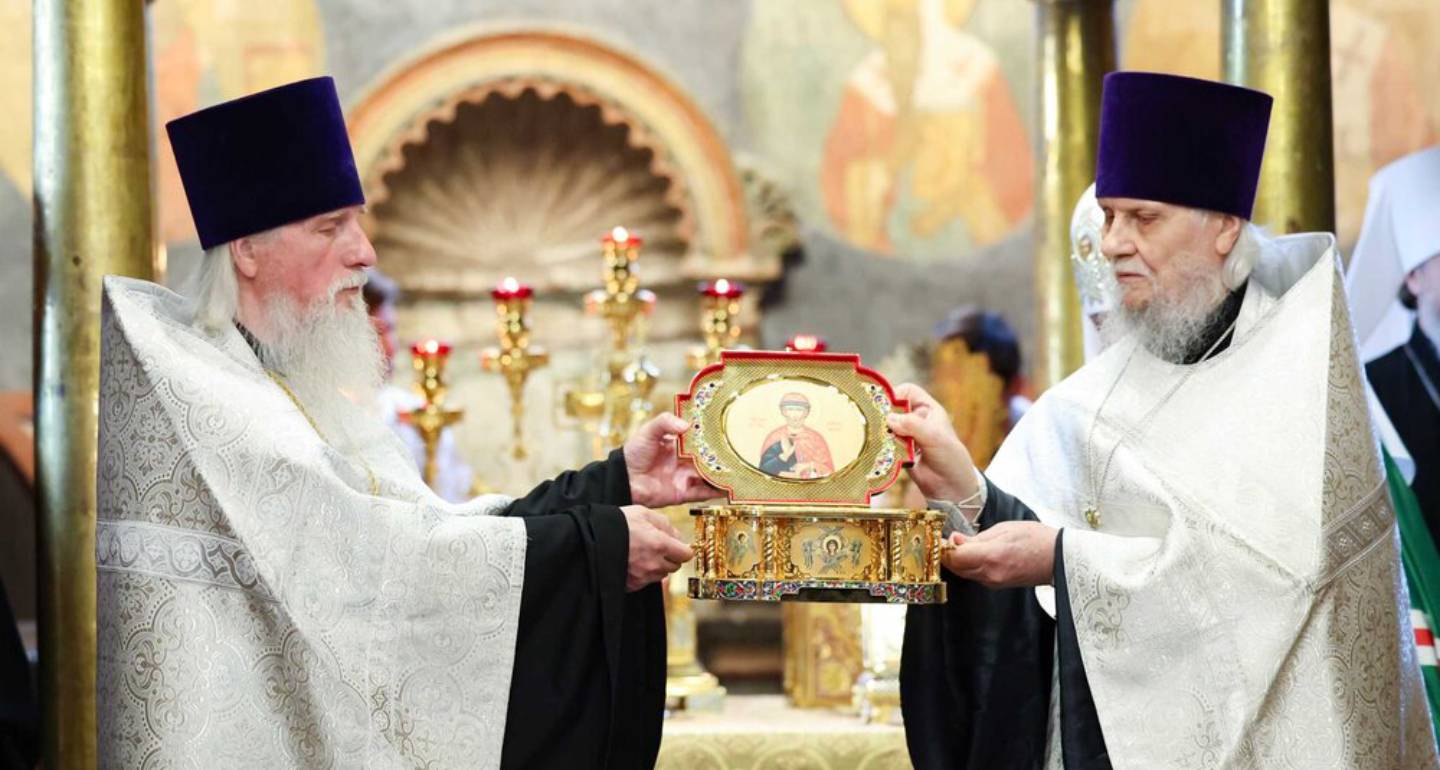
The recent uncovering of Dmitry Donskoy’s relics in the Cathedral of the Archangel is yet another attempt by the Russian Orthodox Church to help the state solve its problems. However, parroting the state’s version of Russian history leaves the Church with no message except “patriotism.”
Alexander Zanemonets

With the growth in points of friction between the great powers, organizations like the SCO will continue to play a role in the strategic adaptation of the smaller powers caught between them.

Temur Umarov