

Article
Ariel (Eli) Levite, Toby Dalton
{
  "authors": [
    "Ariel (Eli) Levite"
  ],
  "type": "legacyinthemedia",
  "centerAffiliationAll": "dc",
  "centers": [
    "Carnegie Endowment for International Peace",
    "Malcolm H. Kerr Carnegie Middle East Center"
  ],
  "collections": [
    "Iranian Proliferation"
  ],
  "englishNewsletterAll": "ctw",
  "nonEnglishNewsletterAll": "",
  "primaryCenter": "Carnegie Endowment for International Peace",
  "programAffiliation": "NPP",
  "programs": [
    "Nuclear Policy"
  ],
  "projects": [],
  "regions": [
    "Middle East",
    "Iran"
  ],
  "topics": [
    "Political Reform",
    "Security",
    "Nuclear Policy",
    "Foreign Policy"
  ]
}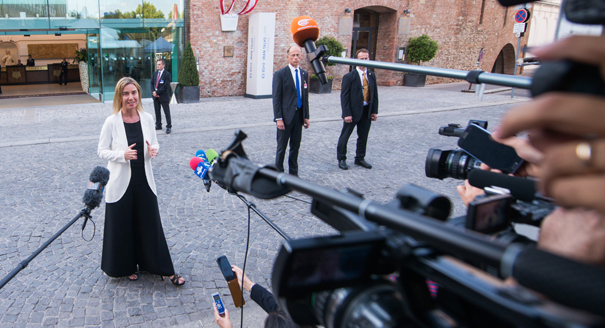
Source: Getty
The latest deadline for the long-standing negotiations over Iran’s nuclear program is almost here. While a short extension seems likely, the talks may finally be winding down.
Source: China Radio International’s English Service
The latest deadline for the long-standing negotiations over Iran’s nuclear program is almost here. While a short extension seems likely, the talks may finally be winding down. Iran and the major world powers have struggled over the issue since 2003. So how has this turned into a world issue? What do the different sides disagree about? And what are the stakes?
On CRI’s Today, Carnegie’s Ariel Levite argued that the negotiations have taken so long partially because the international community has tried to regain confidence in Iran. However, Iran has not collaborated on the nuclear issue, which has extended the process to well over a decade. Levite also contends that Iran has questioned the status quo in the Middle East, calling for the destruction of Israel and engaging in other activities “of deep concern.”“Between the nuclear activities and Iran’s regional behavior, it triggered a kind of crisis that has taken more than a decade to resolve, and I don’t think we’re around the corner from resolving it,” said Levite.
On the issue of sanctions, Levite argued that they were imposed “reluctantly, incrementally, and late” because Iran refused to come forward on the nuclear negotiations. “When sanctions were tightened up considerably, this was done after Iran had been given more than a decade of an opportunity to actually come clean on its past efforts in terms of nuclear weapons development,” added Levite.
“The fact that Iran is currently negotiating is a testimony to the success of sanctions ... the sanctions have brought Iran to the table, alongside mismanagement of the Iranian economy by the Ahmadinejad regime, and alongside lower oil prices. You can’t separate the three elements,” said Levite.
This interview was originally broadcast on the China Radio International’s English Service.
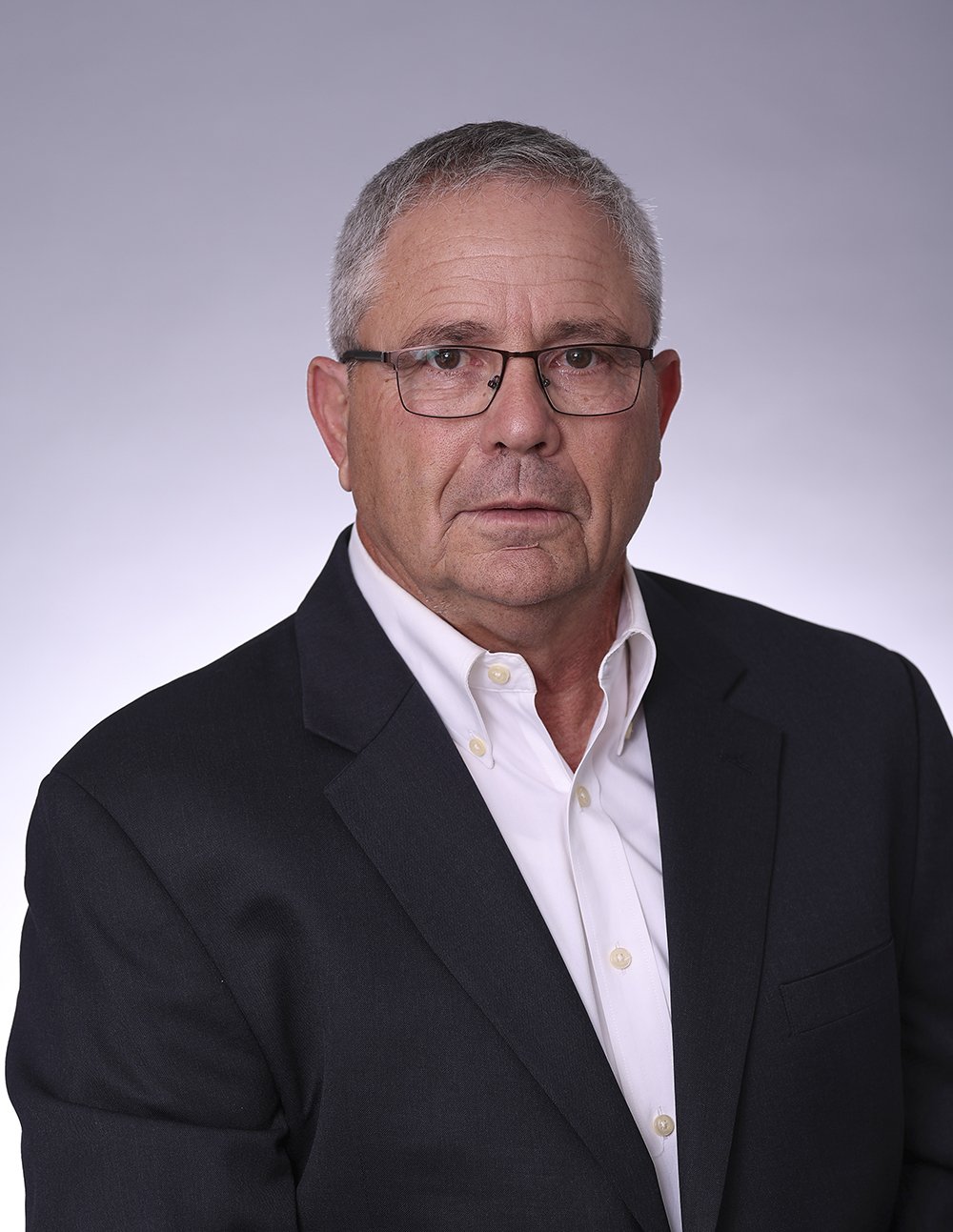
Senior Fellow, Nuclear Policy Program, Technology and International Affairs Program
Levite was the principal deputy director general for policy at the Israeli Atomic Energy Commission from 2002 to 2007.
Recent Work

Ariel (Eli) Levite, Toby Dalton



James M. Acton, Saskia Brechenmacher, Cecily Brewer, …
Carnegie does not take institutional positions on public policy issues; the views represented herein are those of the author(s) and do not necessarily reflect the views of Carnegie, its staff, or its trustees.
The Russian state has opted for complete ideological control of the internet and is prepared to bear the associated costs.

Maria Kolomychenko

After four years of war, there is no one who can stand up to the security establishment, and President Vladimir Putin is increasingly passive.

Tatiana Stanovaya
Although Ukrainian strikes have led to a noticeable decline in the physical volume of Russian oil exports, the rise in prices has more than made up for it.

Sergey Vakulenko
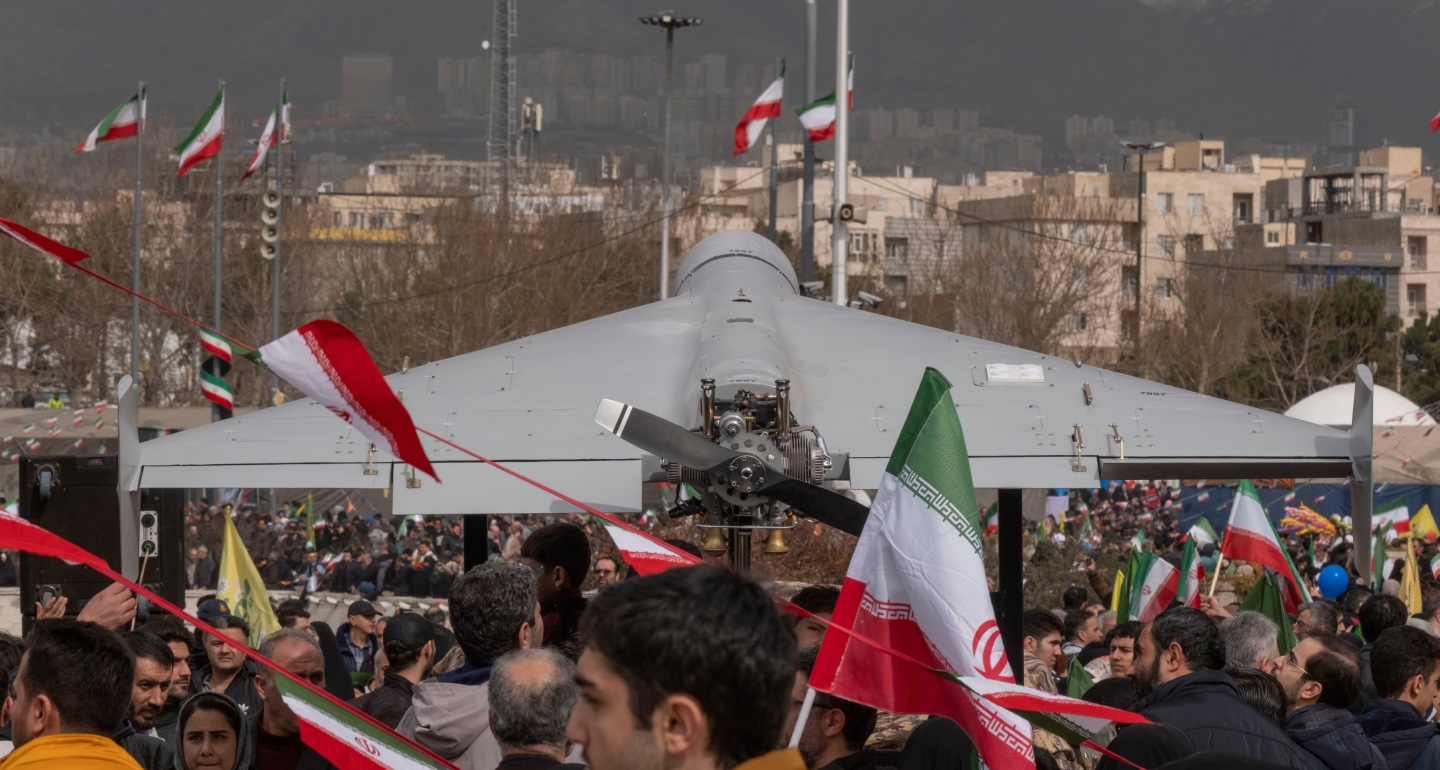
The Russian leadership wants to avoid a dangerous precedent in which it is squeezed out of Iran by the United States and Israel—and left powerless to respond in any meaningful way.

Nikita Smagin
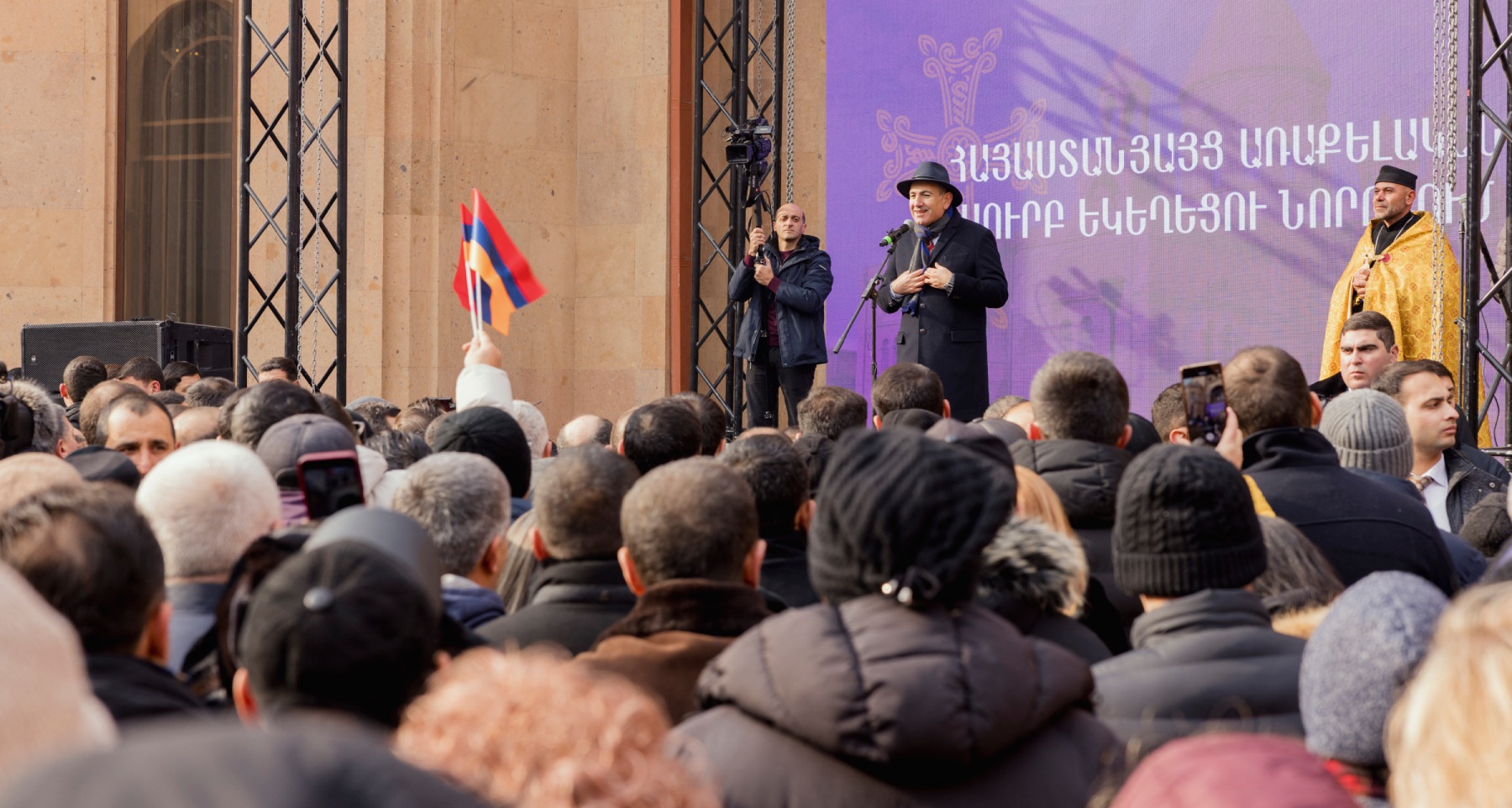
It’s true that many Armenians would vote for anyone just to be rid of Pashinyan, whom they blame for the loss of Nagorno-Karabakh, but the pro-Russia opposition is unlikely to be able to channel that frustration into an electoral victory.
Mikayel Zolyan