

Commentary
Duyeon Kim, Andrei Lankov, Leon V. Sigal
{
  "authors": [
    "Duyeon Kim"
  ],
  "type": "other",
  "centerAffiliationAll": "dc",
  "centers": [
    "Carnegie Endowment for International Peace"
  ],
  "collections": [
    "U.S. Nuclear Policy",
    "Korean Peninsula"
  ],
  "englishNewsletterAll": "ctw",
  "nonEnglishNewsletterAll": "",
  "primaryCenter": "Carnegie Endowment for International Peace",
  "programAffiliation": "NPP",
  "programs": [
    "Nuclear Policy"
  ],
  "projects": [],
  "regions": [
    "North America",
    "United States",
    "East Asia",
    "South Korea"
  ],
  "topics": [
    "Nuclear Policy",
    "Nuclear Energy"
  ]
}
Source: Getty
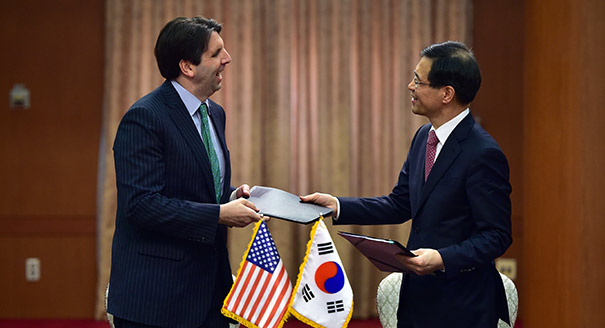
The successor agreement to the U.S.-South Korean 1974 civil nuclear cooperation accord reflects the interdependence of the American and South Korean nuclear industries as an equal partnership.
Source: CSIS
On June 15, the United States and South Korea signed a successor agreement to their 1974 civil nuclear cooperation accord. Updating the existing agreement took over four years of challenging negotiations complicated by Seoul’s demands for the right to enrich uranium and reprocess (or pyroprocess) spent nuclear fuel to which Washington objected. What began as nearly irreconcilable political differences resulted in win-win compromises that strike a balance between maintaining the U.S.' core nonproliferation policy and reflecting South Korea’s industrial maturity and desire to advance its civil nuclear program while establishing pathways for an unprecedented level of cooperation between the two allies. The new agreement reflects the interdependence of the American and South Korean nuclear industries as an equal partnership—from a unilateral obligation to reciprocal consent rights and obligations—as well as mature, strong bilateral relationship...This report was originally published by CSIS

Former Associate, Nuclear Policy Program, Asia Program
Kim is an expert on nuclear nonproliferation, diplomacy, and Northeast Asia.
Recent Work
Duyeon Kim, Andrei Lankov, Leon V. Sigal

James L. Schoff, Duyeon Kim
Carnegie does not take institutional positions on public policy issues; the views represented herein are those of the author(s) and do not necessarily reflect the views of Carnegie, its staff, or its trustees.
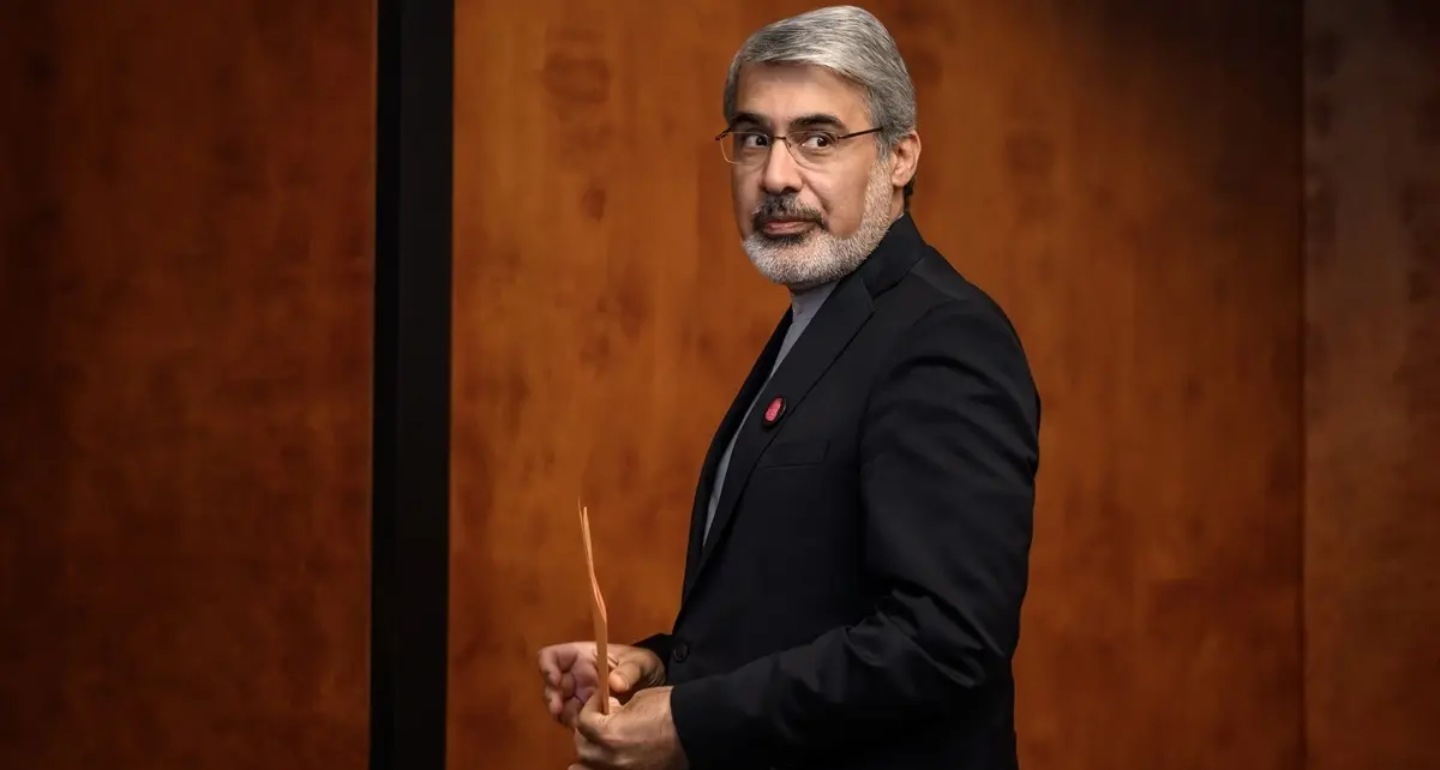
Ongoing uncertainty in the Middle East allows Moscow to both increase its influence in Tehran and continue to enjoy the financial windfall of higher oil prices.

Nikita Smagin

Governments in Estonia, Latvia, and Lithuania want to ensure that a U.S. military withdrawal would not leave them dangerously exposed to a Russian attack.

Sergejs Potapkins
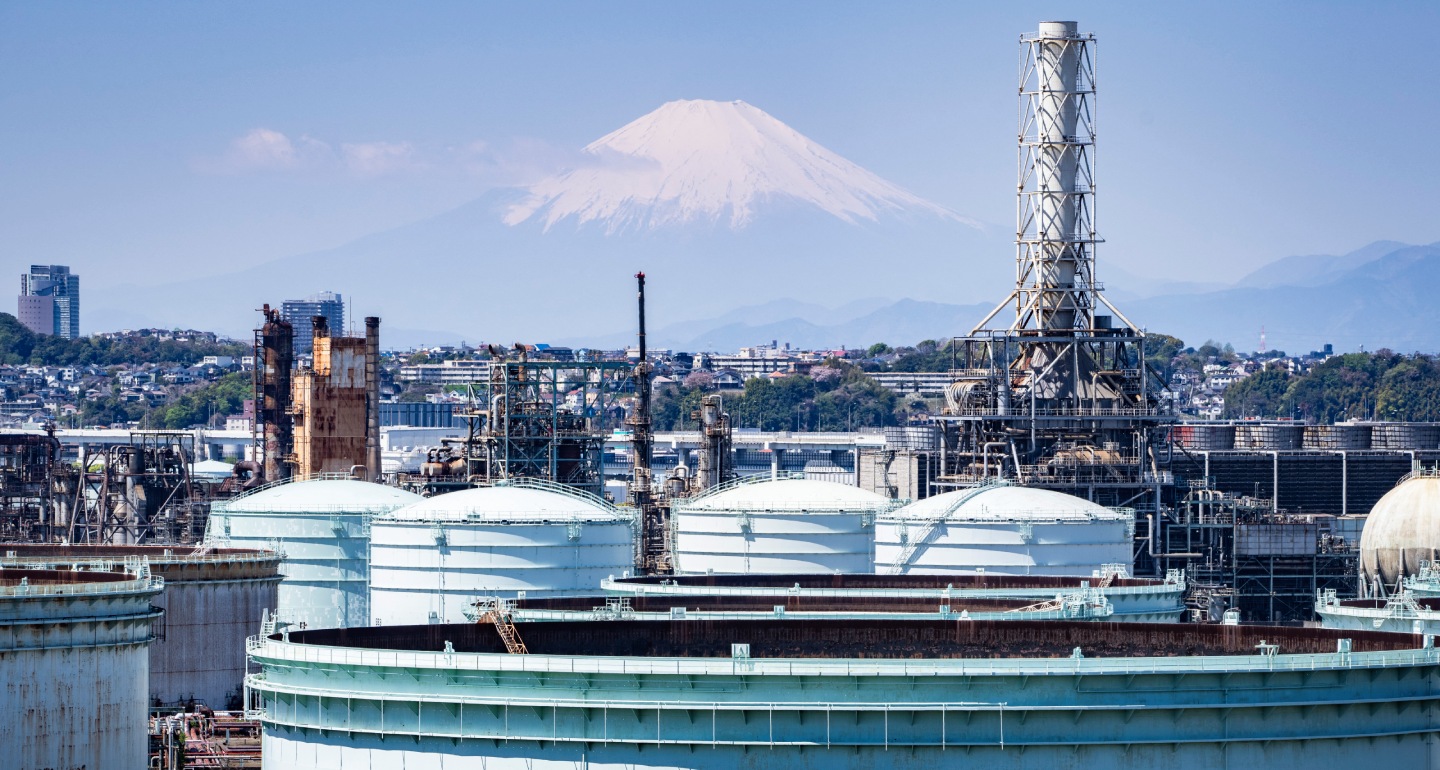
Tokyo would have to surmount a lot of obstacles—not least Western sanctions—if it wanted to return Russian oil imports to even modest pre-2022 volumes.

Vladislav Pashchenko
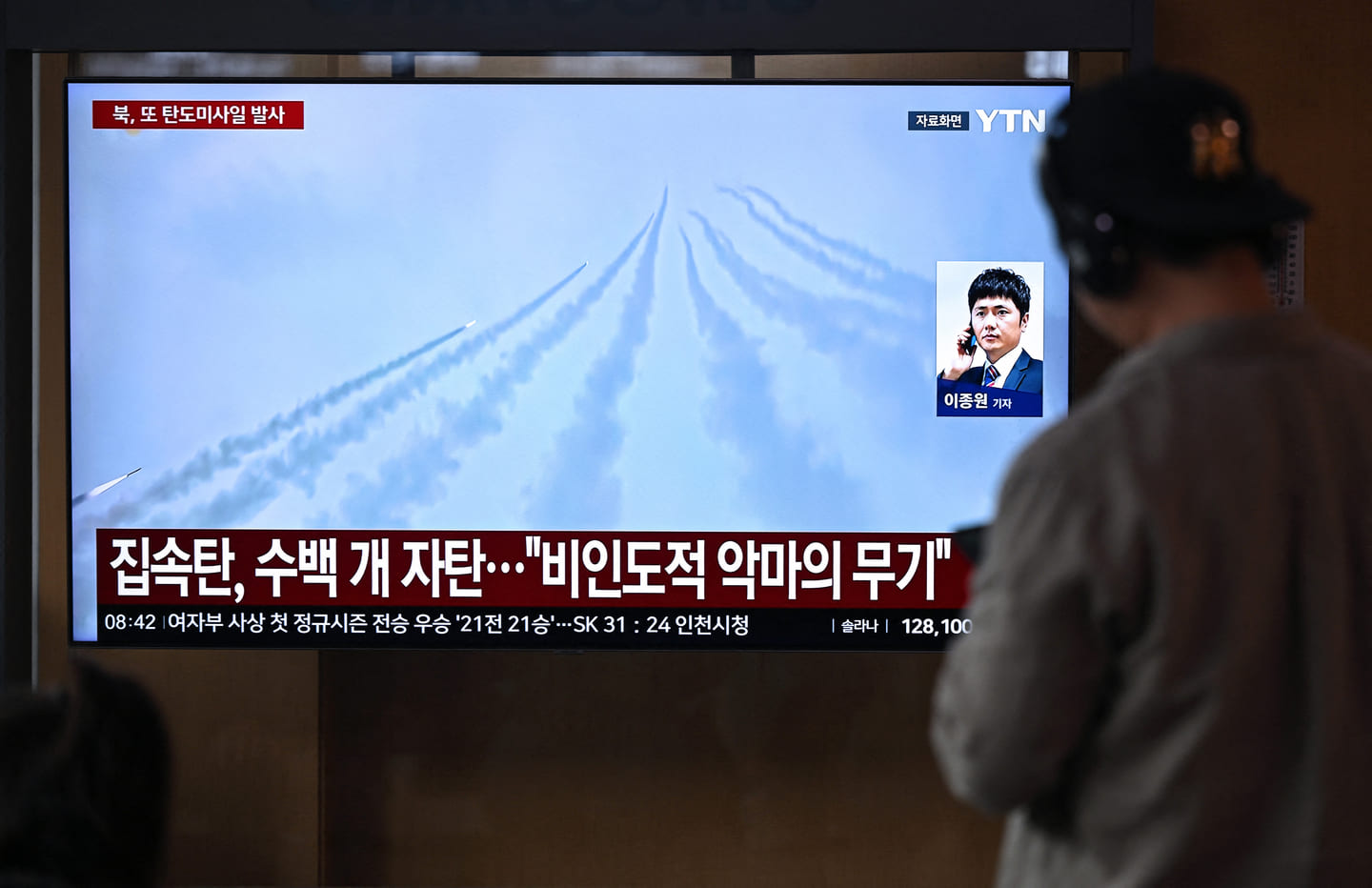
Troubled by the growing salience of nuclear debates in East Asia, Moscow has responded in its usual way: with condemnation and threats. But by exacerbating insecurity, Russia is forcing South Korea and Japan to consider radical security options.

James D.J. Brown
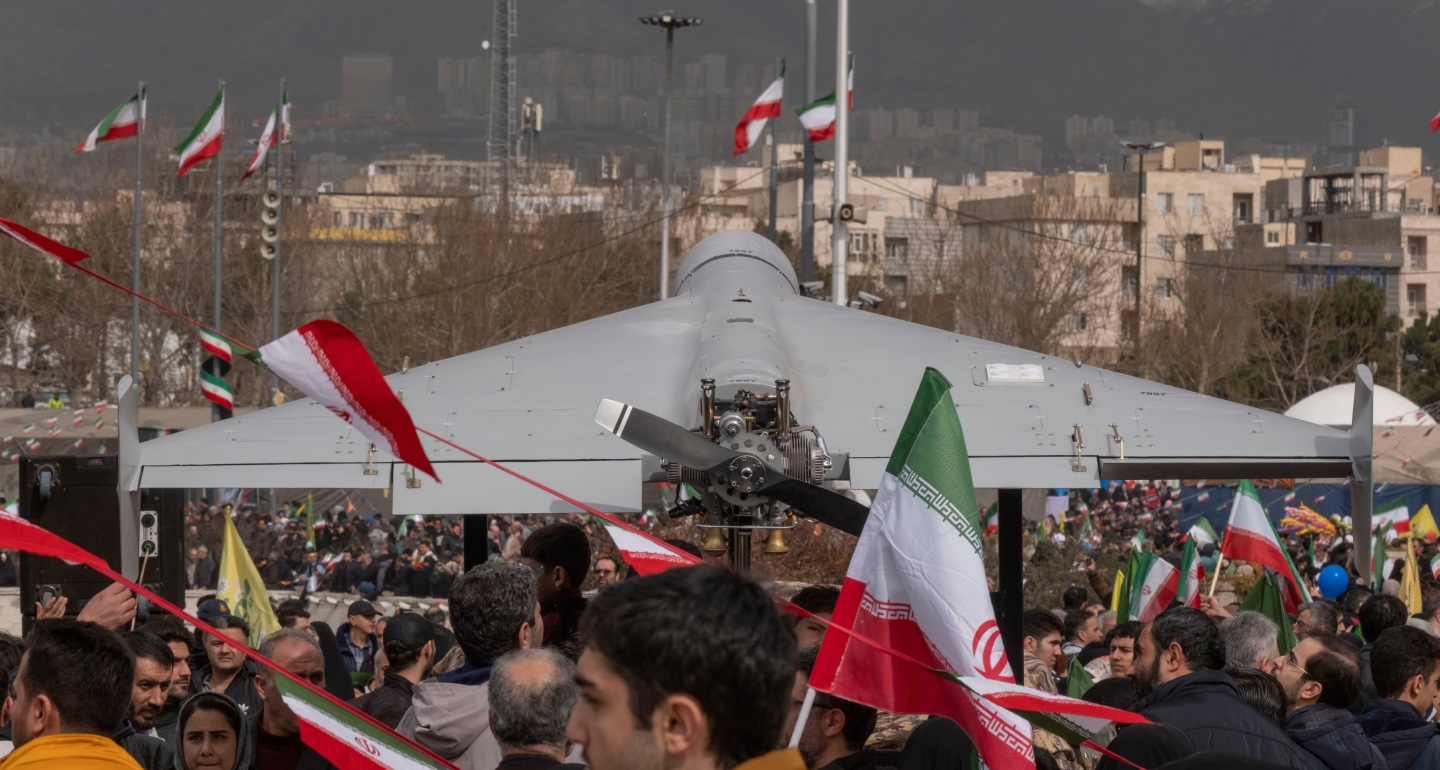
The Russian leadership wants to avoid a dangerous precedent in which it is squeezed out of Iran by the United States and Israel—and left powerless to respond in any meaningful way.
Nikita Smagin