

Commentary
Most of Moscow’s military resources are tied up in Ukraine, while Beijing’s foreign policy prioritizes economic ties and avoids direct conflict.
Alexander Gabuev, Temur Umarov
{
  "authors": [
    "Nikolay Kozhanov",
    "Jeffrey Mankoff"
  ],
  "type": "legacyinthemedia",
  "centerAffiliationAll": "dc",
  "centers": [
    "Carnegie Endowment for International Peace",
    "Malcolm H. Kerr Carnegie Middle East Center",
    "Carnegie Russia Eurasia Center"
  ],
  "collections": [],
  "englishNewsletterAll": "ctw",
  "nonEnglishNewsletterAll": "",
  "primaryCenter": "Carnegie Russia Eurasia Center",
  "programAffiliation": "russia",
  "programs": [
    "Russia and Eurasia"
  ],
  "projects": [
    "Eurasia in Transition"
  ],
  "regions": [
    "Levant",
    "Middle East",
    "Syria",
    "Russia"
  ],
  "topics": [
    "Political Reform",
    "Security",
    "Military",
    "Foreign Policy"
  ]
}
Source: Getty
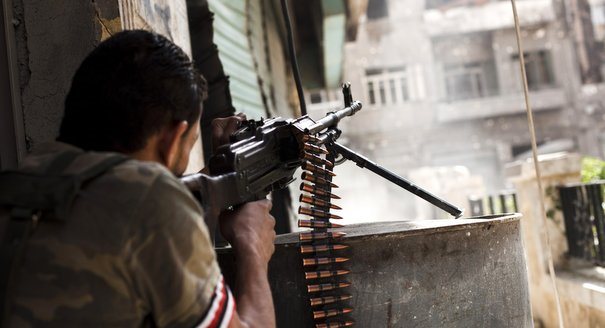
The increase of Russian supplies and presence in support of the Bashar al-Assad’s regime is part of the Russian plan to start negotiations on the ground to resolve the Syrian crisis.
Source: ABC’s Saturday Extra
Russia has deployed large amounts of military equipment to Syria, including fighter aircraft, surface-to-air missiles, and about 2,000 personnel to support the regime of President Bashar al-Assad, a longtime ally of the Kremlin.
On the diplomatic front, Russia has been engaged in military-to-military talks with the United States, held discussions with the Syrian opposition and the Assad regime, and this week President Vladimir Putin will address the United Nations General Assembly—his first address in a decade.Why is Russia acting now? Carnegie Moscow Center’s Nikolay Kozhanov answered this question in his interview on ABC with Geraldine Doogue. Jeffrey Mankoff, acting director and fellow in the Russia and Eurasia Program at the Center for Strategic and International Studies (CSIS), also participated.
The Russians have been involved in Syria since the beginning of the crisis, Kozhanov said. He argued that the current increase of Russian supplies and presence in support of the Assad’s regime is part of the Russian plan to start negotiations on the ground to resolve the crisis—the Kremlin would like to bolster the regime long enough so that it survives until the start of this reconciliation process.
Russians do not believe that Assad’s days are over, Kozhanov added, since they recognize that there is no individual, in their mind, who can take his place. Also, Moscow thinks that only the preservation of the current Syrian regime will guarantee the survival of this country.
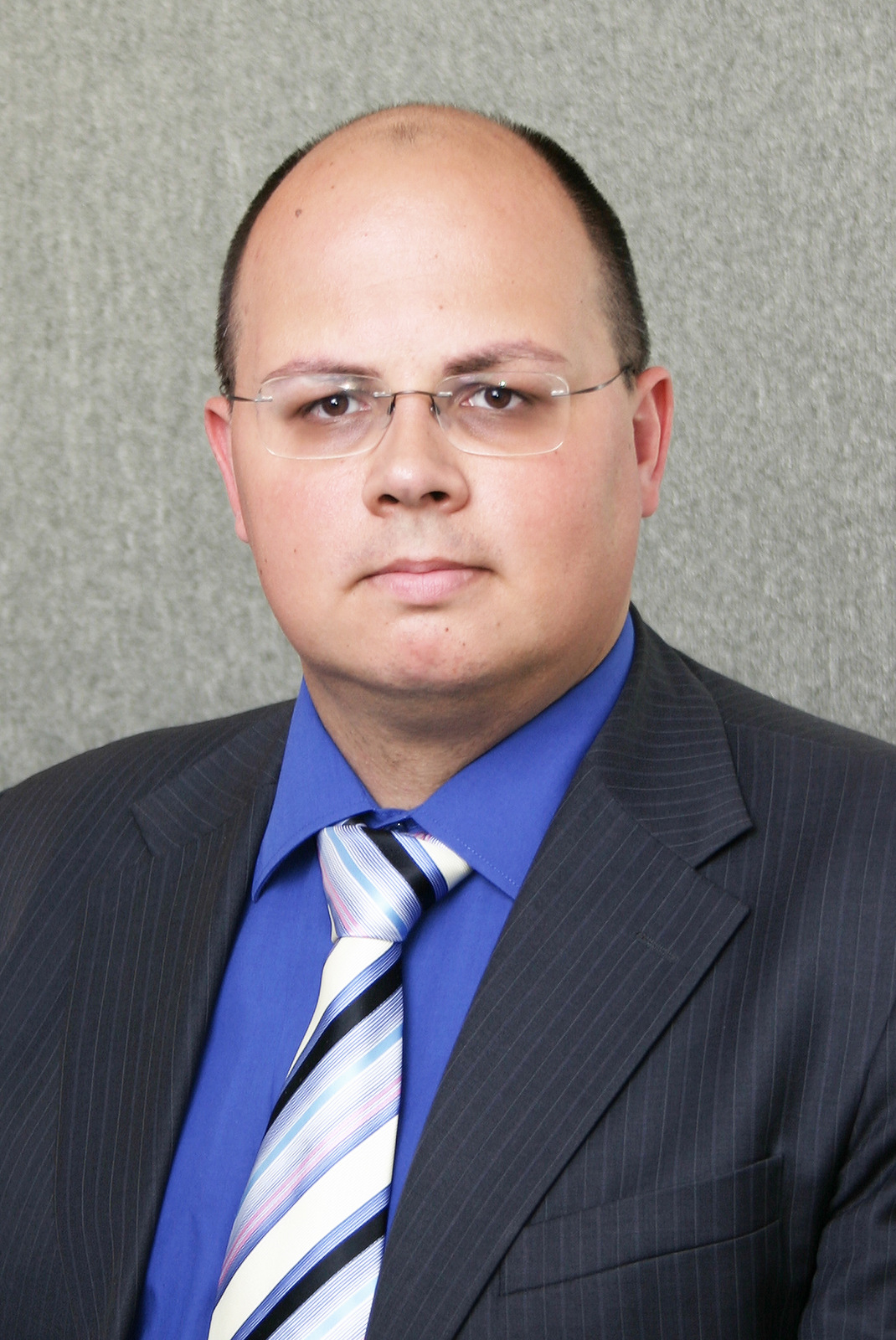
Nikolay Kozhanov
Former nonresident scholar, Foreign and Security Policy Program, Moscow Center
Kozhanov is a former nonresident scholar at the Carnegie Moscow Center and a contributing expert to the Moscow-based Institute of the Middle East.
Jeffrey Mankoff
Carnegie does not take institutional positions on public policy issues; the views represented herein are those of the author(s) and do not necessarily reflect the views of Carnegie, its staff, or its trustees.
Most of Moscow’s military resources are tied up in Ukraine, while Beijing’s foreign policy prioritizes economic ties and avoids direct conflict.


Alexander Gabuev, Temur Umarov
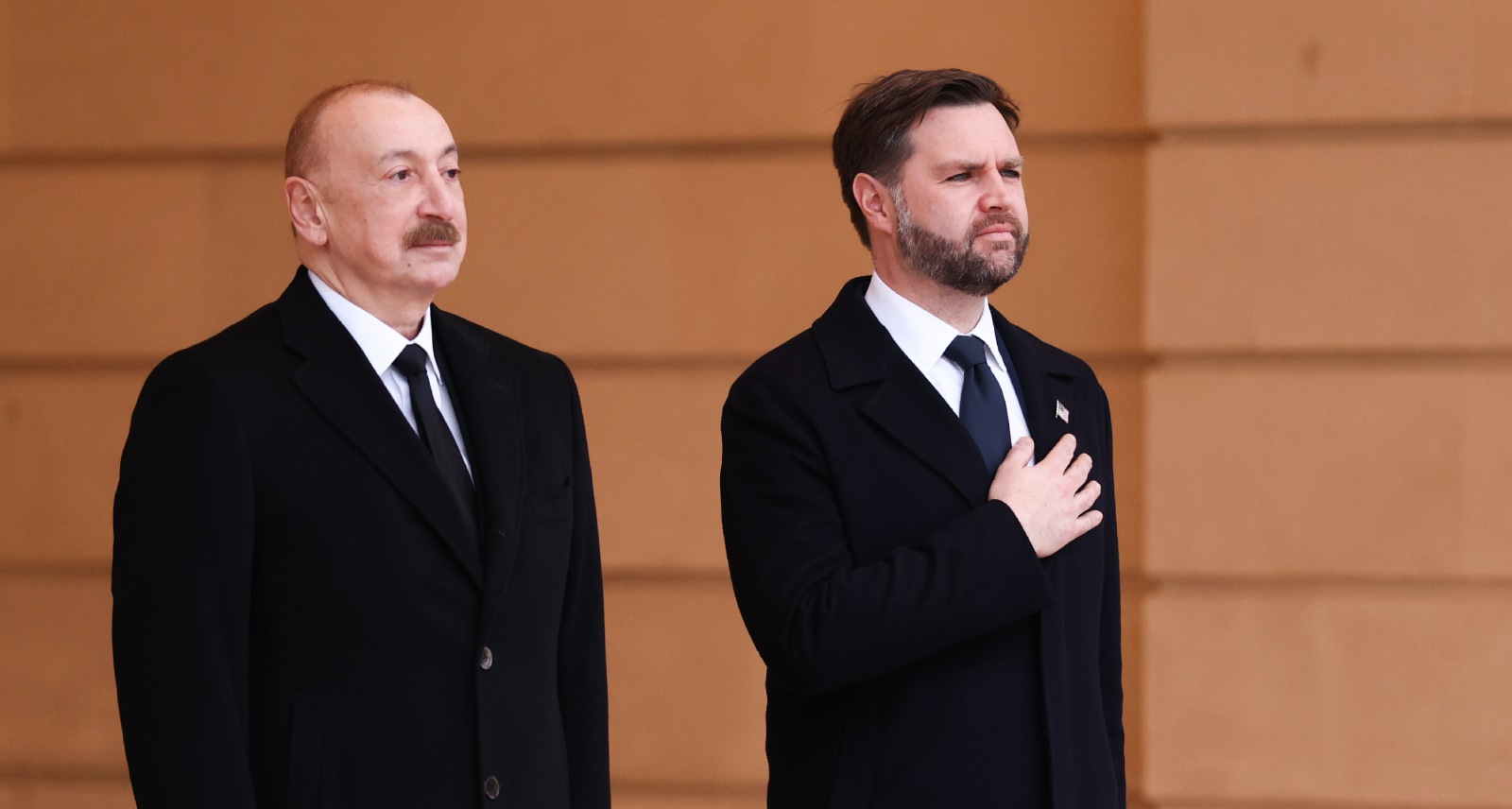
With the White House only interested in economic dealmaking, Georgia finds itself eclipsed by what Armenia and Azerbaijan can offer.

Bashir Kitachaev
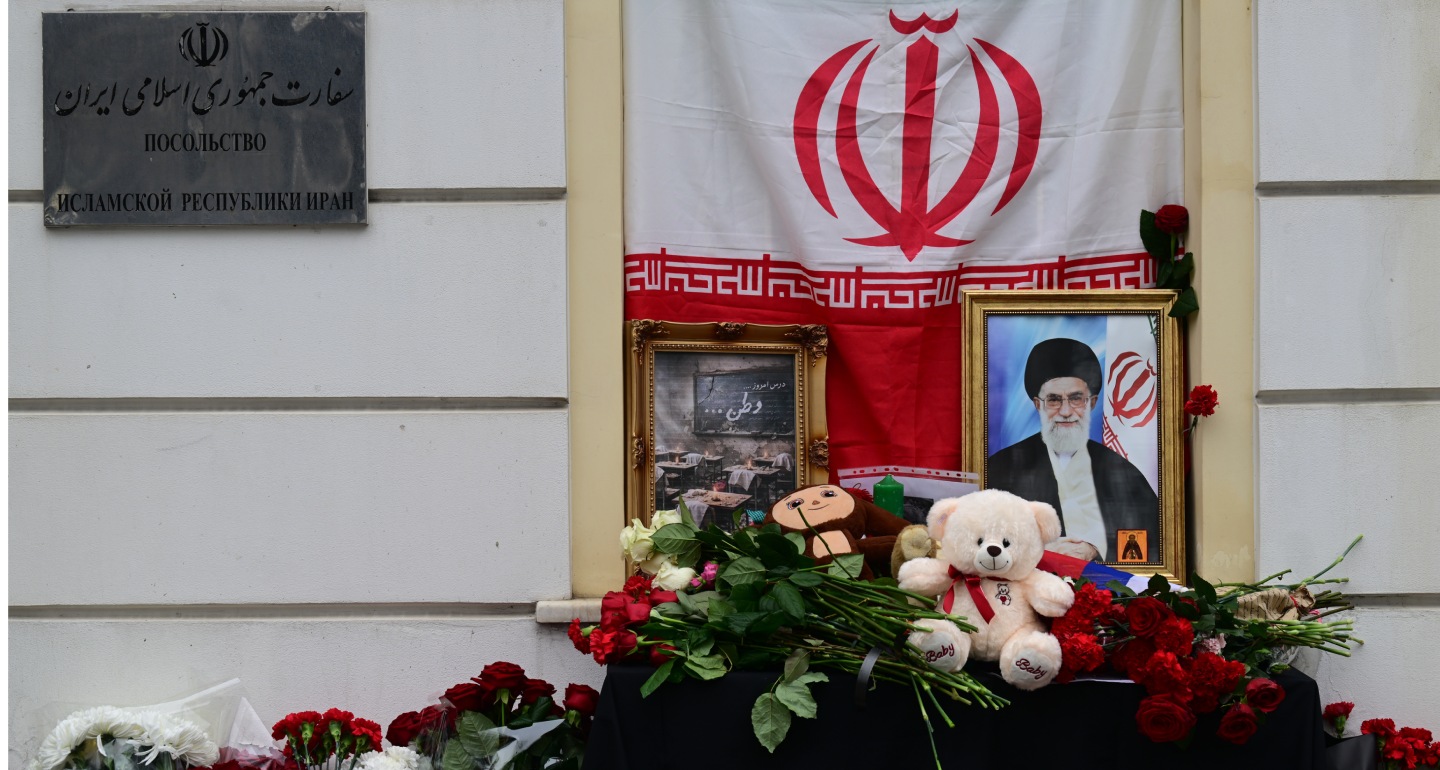
If the regime in Tehran survives, it could be obliged to hand Moscow significant political influence in exchange for supplies of weapons and humanitarian aid.

Nikita Smagin
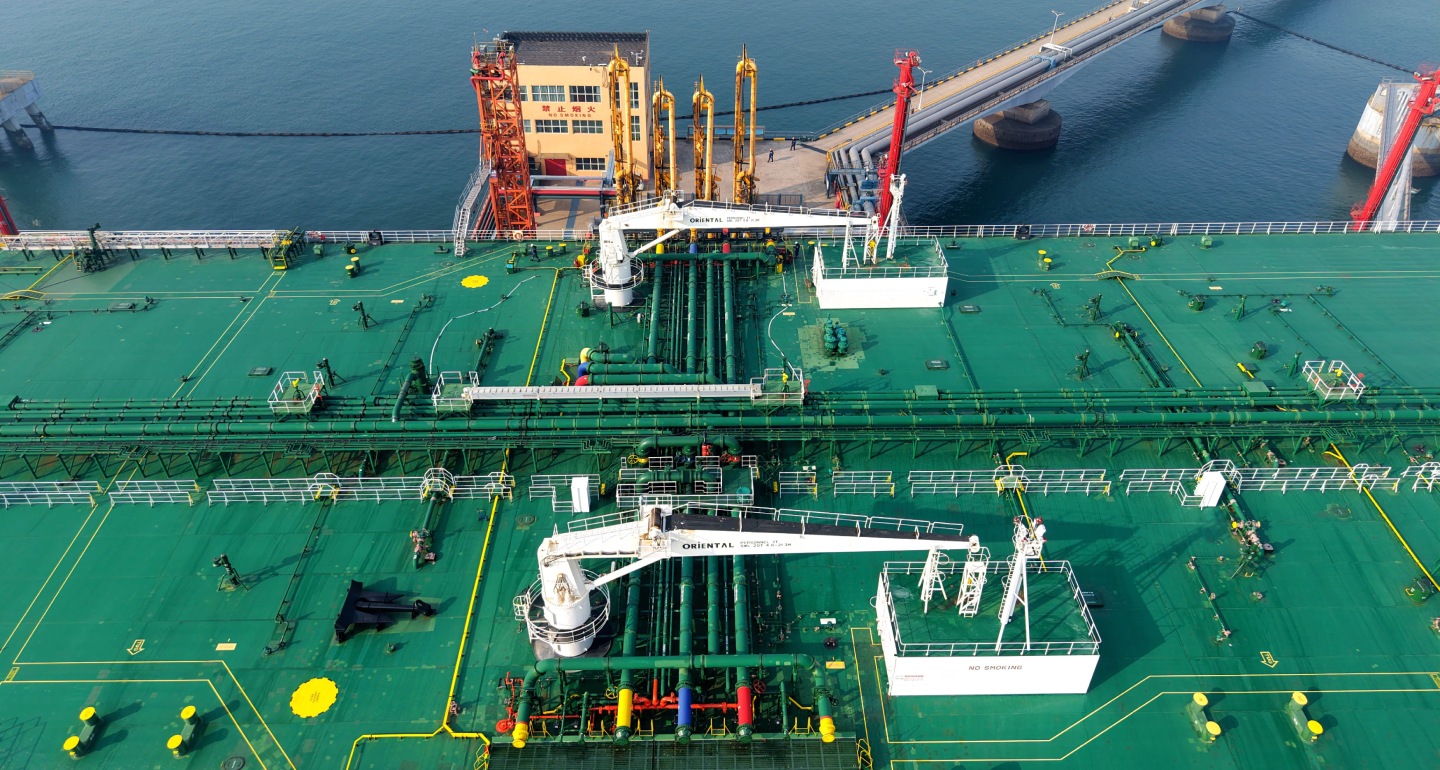
The interventions in Iran and Venezuela are in keeping with Trump’s strategy of containing China, but also strengthen Russia’s position.

Mikhail Korostikov
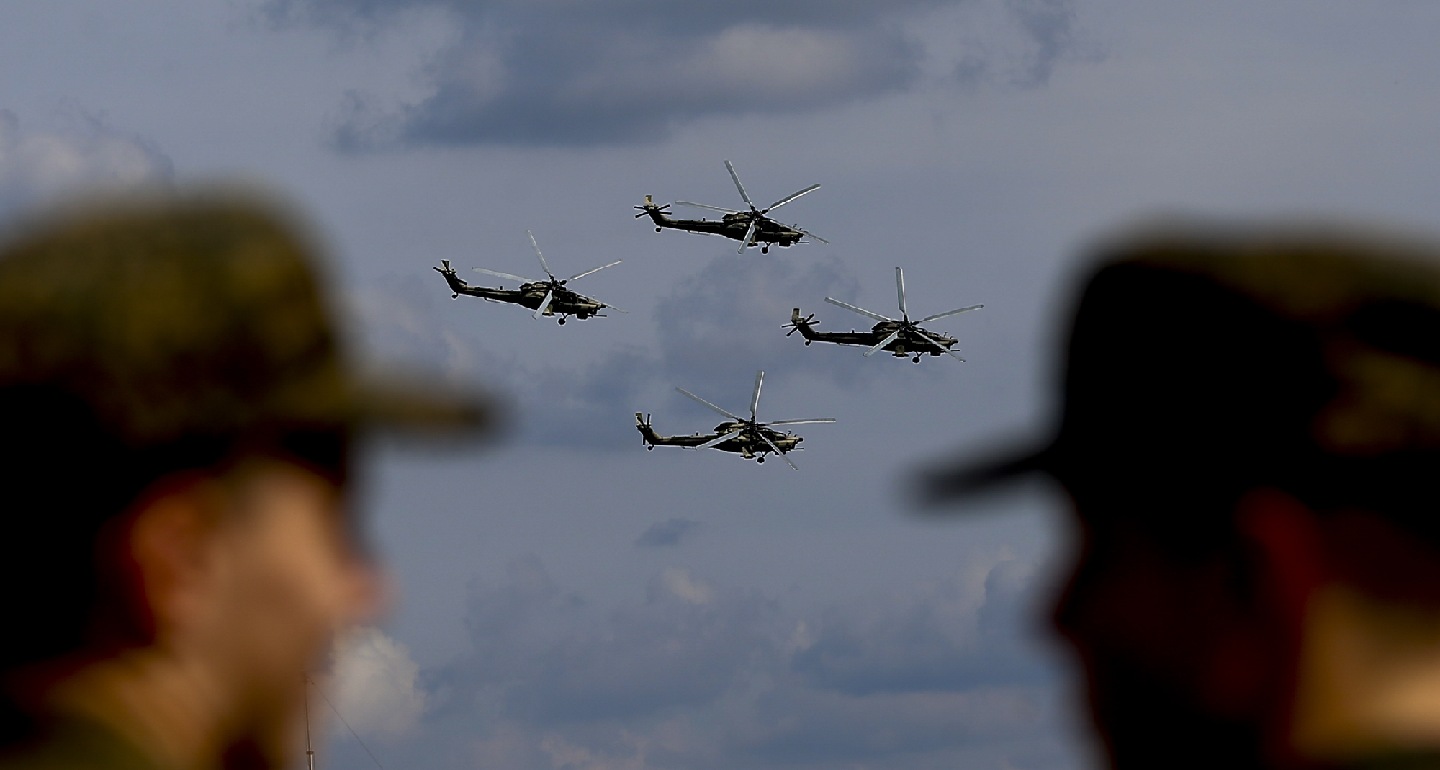
Arms supplies from Russia to Iran will not only continue, but could grow significantly if Russia gets the opportunity.
Nikita Smagin