

Q&A
Dara Massicot, Aaron David Miller, Andrew S. Weiss
{
  "authors": [
    "Andrew S. Weiss"
  ],
  "type": "legacyinthemedia",
  "centerAffiliationAll": "dc",
  "centers": [
    "Carnegie Endowment for International Peace",
    "Malcolm H. Kerr Carnegie Middle East Center"
  ],
  "collections": [],
  "englishNewsletterAll": "ctw",
  "nonEnglishNewsletterAll": "",
  "primaryCenter": "Carnegie Endowment for International Peace",
  "programAffiliation": "russia",
  "programs": [
    "Russia and Eurasia"
  ],
  "projects": [],
  "regions": [
    "North America",
    "Middle East",
    "Syria",
    "Russia",
    "Levant"
  ],
  "topics": [
    "Political Reform",
    "Foreign Policy"
  ]
}
Source: Getty
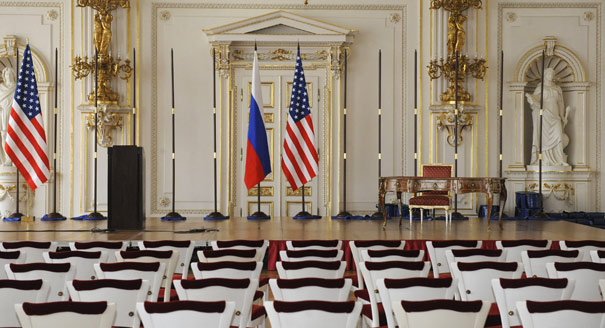
Last week’s conversation between the defense chiefs of the United States and Russia demonstrates the important role that Syria has come to play in U.S.-Russia relations.
Source: KCRW’s To the Point
On Friday, the defense chiefs of the United States and Russia held their first talks in over a year. The topic? Syria. Andrew Weiss spoke with Warren Olney on To The Point about what this means for the future of the U.S.-Russia relationship, and for the situation in Syria.
Regarding the new Russian air base in Syria, Weiss said that one motivation for this conversation between the defense chiefs was a desire to clarify Russia's intentions in Syria. Weiss saw this recent activity in some ways as a public relations gesture that allows Putin to come to the UN General Assembly and direct the conversation towards Syria and away from Ukraine.In response to the claim that by stepping up its activity in Syria, Russia is trying to replace the United States as a factor in the Middle East, Weiss argued that while the Russians are definitely more active in the region than they have been in decades, and that Iraq, Egypt, and Saudi Arabia see Russia as a useful friend, the center of gravity for the international system is still the United States, and Russia is not in a position to replace Washington in the Middle East and North Africa.
James Family Chair, Vice President for Studies
Andrew S. Weiss is the James Family Chair and vice president for studies at the Carnegie Endowment for International Peace, where he oversees research on Russia, Ukraine, and Eurasia. His graphic novel biography of Vladimir Putin, Accidental Czar: the Life and Lies of Vladimir Putin, was published by First Second/Macmillan in 2022.
Recent Work

Dara Massicot, Aaron David Miller, Andrew S. Weiss

Frances Z. Brown, Nate Reynolds, Priyal Singh, …
Carnegie does not take institutional positions on public policy issues; the views represented herein are those of the author(s) and do not necessarily reflect the views of Carnegie, its staff, or its trustees.
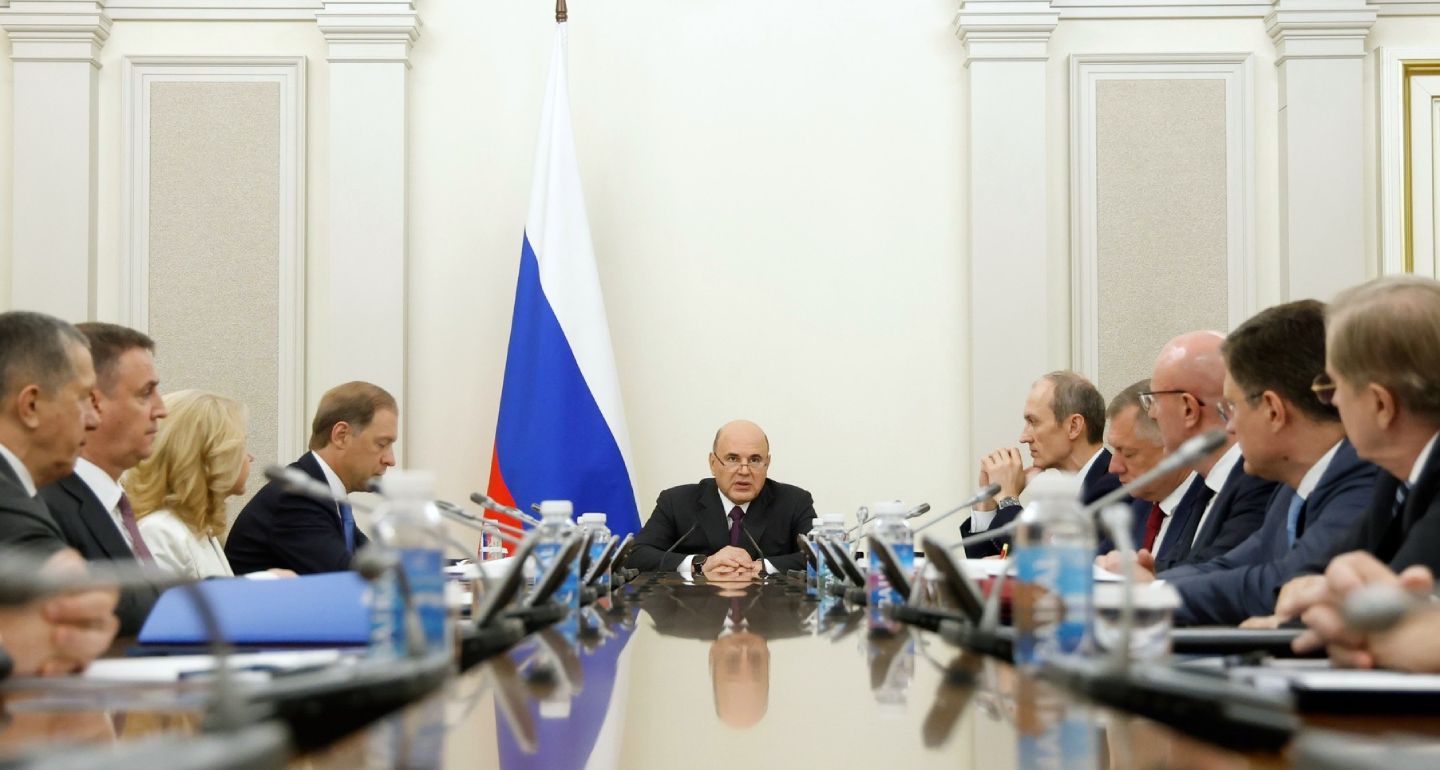
The pressures of war are gradually warping Russia’s system of governance, making it more vulnerable to a future crisis.

Tatiana Stanovaya

A leak of Russian gas price data helps establish that China is paying Russia far less than Central Asian countries and Gazprom’s former European customers.

Sergey Vakulenko

Japan’s long-term security policy is driven by concerns about China, and there is little appetite for (or interest in) pursuing a confrontation with Moscow.

James D.J. Brown

The truth of the strategic situation is that Europe and Russia are extremely unlikely to be able to “turn the page” on their confrontation within the next two decades.

Arkady Moshes
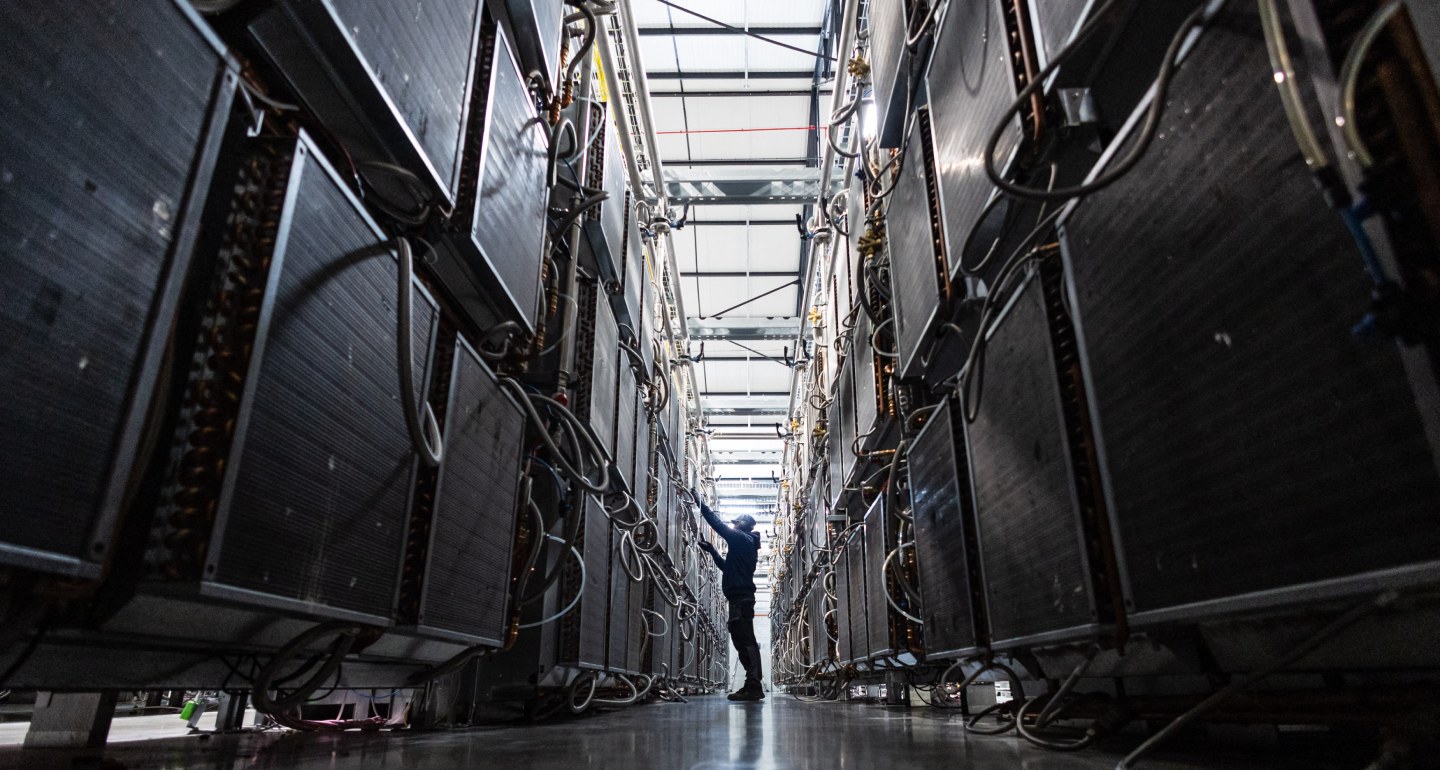
Russia spent years building a “sovereign internet,” concentrating web infrastructure exclusively within Russian territory. Ukrainian drone attacks have shown how vulnerable that approach has left the Russian internet.

Maria Kolomychenko