

Article
Wang Tao
{
  "authors": [
    "Wang Tao"
  ],
  "type": "legacyinthemedia",
  "centerAffiliationAll": "",
  "centers": [
    "Carnegie Endowment for International Peace",
    "Carnegie China"
  ],
  "collections": [],
  "englishNewsletterAll": "",
  "nonEnglishNewsletterAll": "",
  "primaryCenter": "Carnegie China",
  "programAffiliation": "",
  "programs": [],
  "projects": [
    "Carnegie Oil Initiative"
  ],
  "regions": [
    "East Asia",
    "China"
  ],
  "topics": []
}
Source: Getty
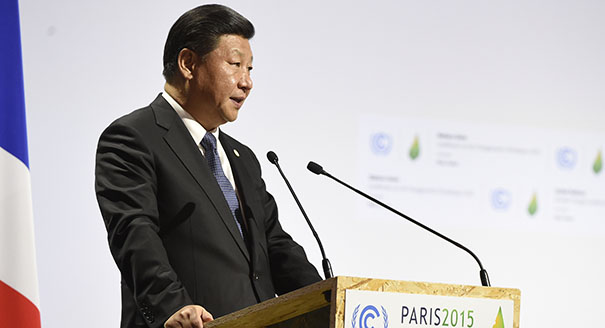
China’s commitment to addressing climate change may help serve as a bridge between the negotiating positions of developed and developing countries.
Source: CCTV America
Speaking on CCTV America, Carnegie–Tsinghua’s Wang Tao asserted that China is playing a constructive role in the Paris COP21 negotiations. A successful outcome will require all participating countries to set ambitious yet attainable emissions targets. Wang predicted that any agreement coming out of Paris would likely have some element of legal force, although he noted that the United States may try to downplay this aspect of the talks to limit Congress’s influence over the proceedings.
Wang pointed out that China may be uniquely positioned to serve as a bridge between the two sides’ negotiating positions. He explained that it will cost billions of dollars for countries to respond to climate change and that much of this funding must come from developed countries that have more fiscal resources, although China has also allocated $30 billion.
Former Nonresident Scholar, Carnegie-Tsinghua Center for Global Policy
Wang Tao was a nonresident scholar in the Energy and Climate Program based at the Carnegie–Tsinghua Center for Global Policy.
Recent Work
Wang Tao
Wang Tao, Yang Yifang

With the growth in points of friction between the great powers, organizations like the SCO will continue to play a role in the strategic adaptation of the smaller powers caught between them.

Temur Umarov
With no key agreement signed on the Power of Siberia 2 gas pipeline, there is a risk that the window of opportunity for Russia will close if Chinese power generation becomes so green that new gas sources are no longer of any interest to Beijing.

Alexander Gabuev
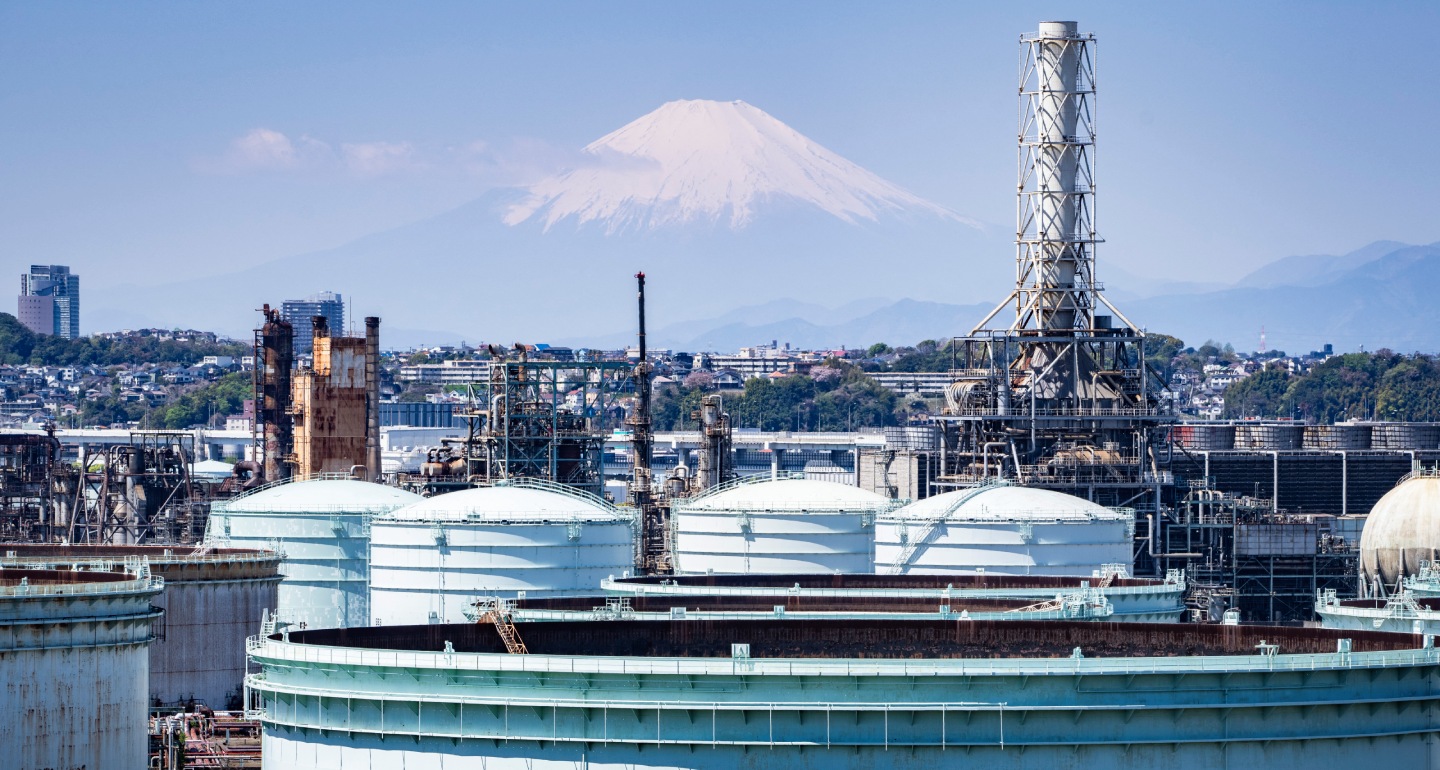
Tokyo would have to surmount a lot of obstacles—not least Western sanctions—if it wanted to return Russian oil imports to even modest pre-2022 volumes.
Vladislav Pashchenko
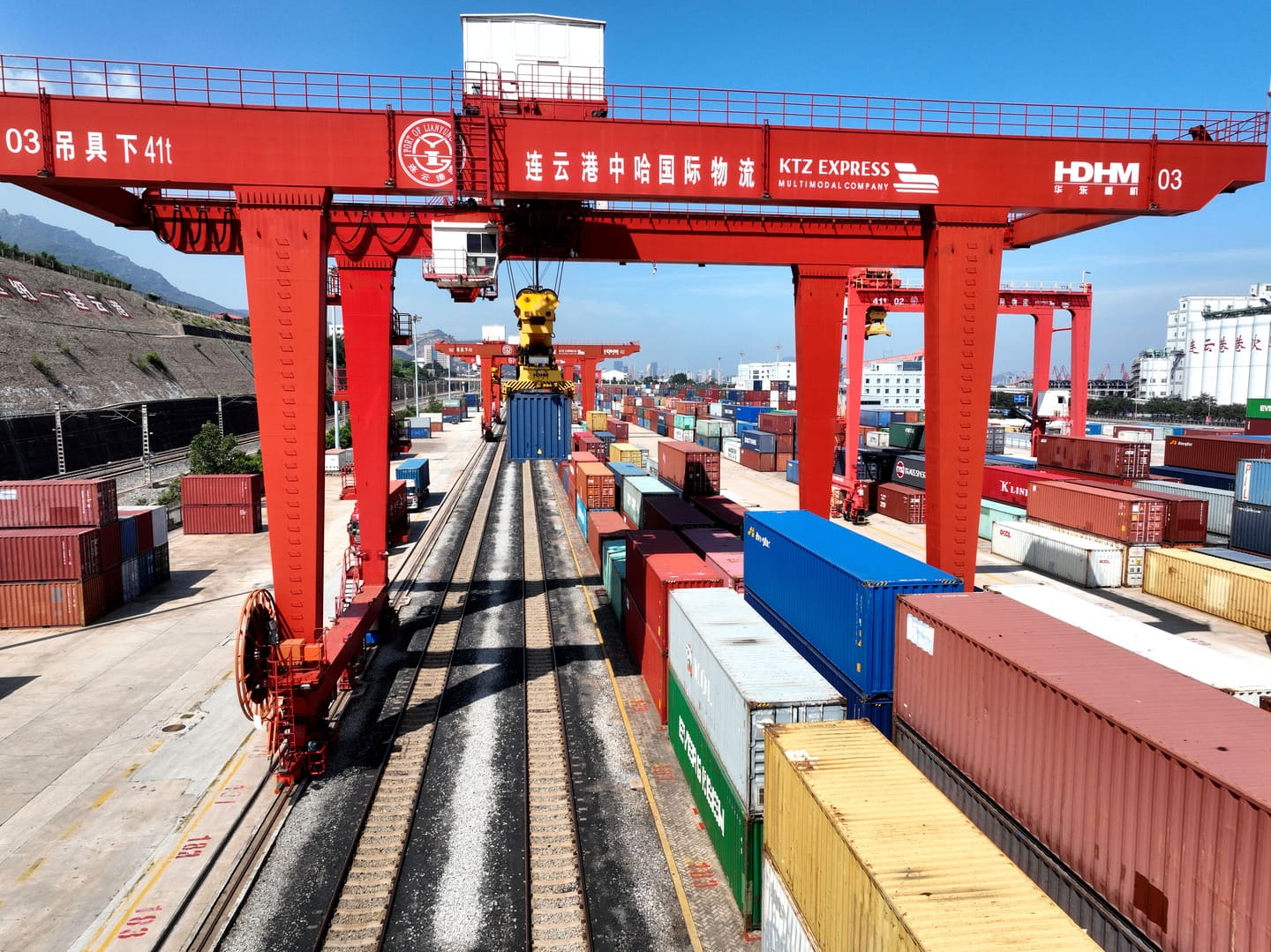
For the Middle Corridor to fulfill its promises, one of these routes must become scalable. At present, neither is.
Friedrich Conradi
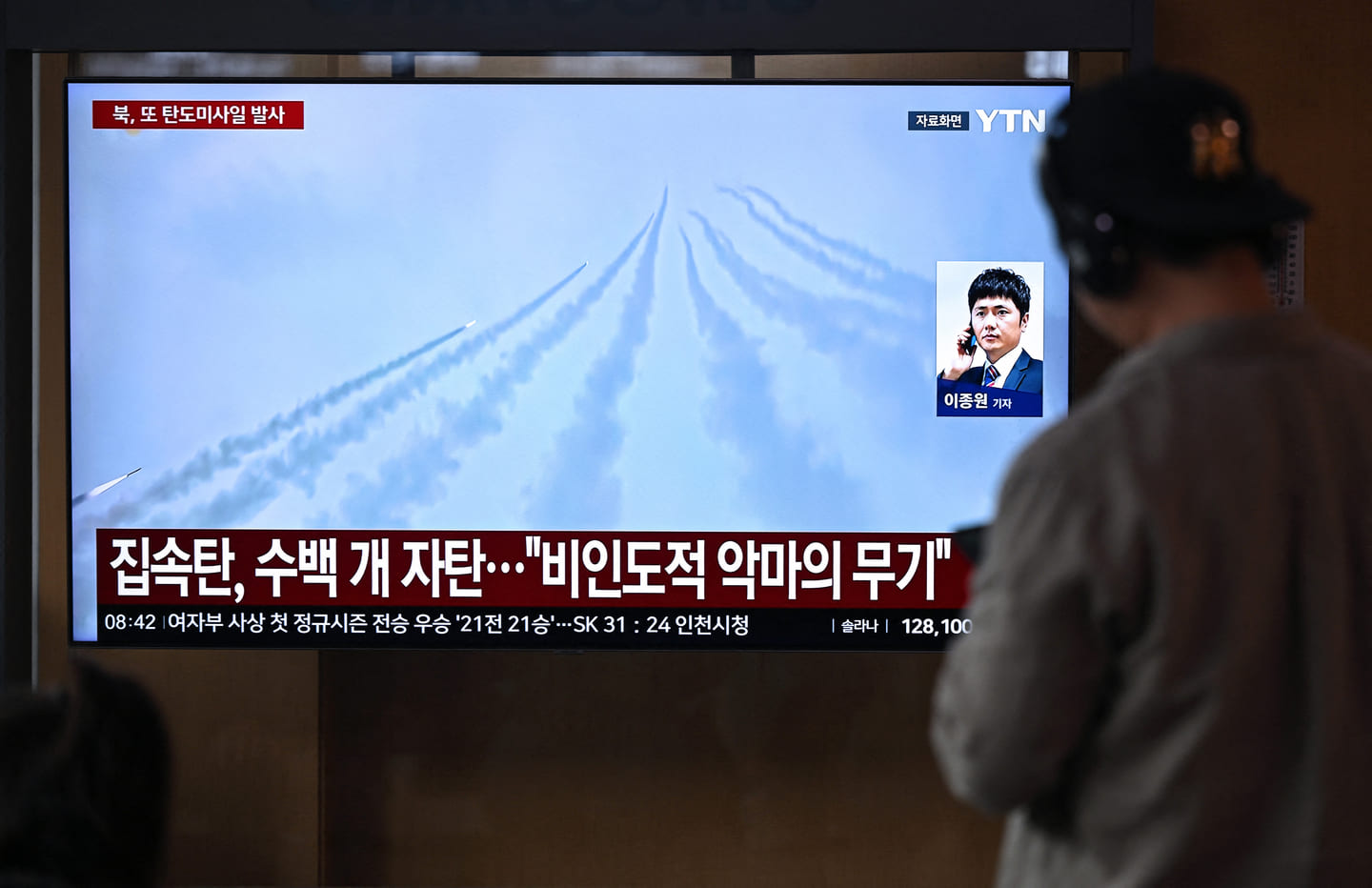
Troubled by the growing salience of nuclear debates in East Asia, Moscow has responded in its usual way: with condemnation and threats. But by exacerbating insecurity, Russia is forcing South Korea and Japan to consider radical security options.

James D.J. Brown