

Commentary
With the growth in points of friction between the great powers, organizations like the SCO will continue to play a role in the strategic adaptation of the smaller powers caught between them.
Temur Umarov
{
  "authors": [],
  "type": "pressRelease",
  "centerAffiliationAll": "",
  "centers": [
    "Carnegie Endowment for International Peace"
  ],
  "collections": [],
  "englishNewsletterAll": "",
  "nonEnglishNewsletterAll": "",
  "primaryCenter": "Carnegie Endowment for International Peace",
  "programAffiliation": "",
  "programs": [],
  "projects": [],
  "regions": [],
  "topics": [
    "Foreign Policy"
  ]
}
REQUIRED IMAGE
William J. Burns, Michèle Flournoy, and Nancy Lindborg announced today the launch of an independent and non-partisan Study Group on Fragility.
WASHINGTON—William J. Burns, Michèle Flournoy, and Nancy Lindborg announced today the launch of an independent and non-partisan Study Group on Fragility. The Study Group’s aim is to identify principles and recommendations for a strategic and effective U.S. foreign policy response to the interrelated security, humanitarian, and development challenges posed by fragile states.
Burns, a former deputy secretary of state; Flournoy, a former undersecretary of defense for policy, and Lindborg, a former assistant administrator for the Bureau for Democracy, Conflict and Humanitarian Assistance at the U.S. Agency for International Development, are the leaders of the Carnegie Endowment for International Peace, the Center for a New American Security, and the U.S. Institute of Peace, respectively.
“The upheaval we’ve seen over the past few years, from the Arab uprisings to the spread of extremism, and the global displacement crisis to the Ebola outbreak, underscores the stakes and urgency of addressing fragility with renewed emphasis,” said Burns. “American interests are often at play, as are those of key allies and partners who look to American leadership to help galvanize a response.”
The Study Group includes a Senior Advisory Group, consisting of former members of Congress, senior executive branch officials and experts from academia, think-tanks, non-governmental organizations, and the private sector.
“After the 2016 elections, the new Congress and next administration – regardless of political affiliation – should demand better ideas about whether and how to engage, prioritize, and invest in these challenges,” said Flournoy. “This Study Group will identify principles to underscore where the stakes are most significant and concrete recommendations that build on America’s strengths.”
“More than a billion people now live in states deemed fragile, which is where conflict, violence, and poverty are deeply concentrated,” said Lindborg. “A vital challenge for the coming administration will be to get ahead of crises that routinely emerge from these states in order to save lives and improve our security.”
The Study Group will publish its findings and recommendations during the summer of 2016.
Carnegie does not take institutional positions on public policy issues; the views represented herein are those of the author(s) and do not necessarily reflect the views of Carnegie, its staff, or its trustees.

With the growth in points of friction between the great powers, organizations like the SCO will continue to play a role in the strategic adaptation of the smaller powers caught between them.

Temur Umarov

When faced with fuel shortages in the past, Central Asian governments could always count on additional supplies from Moscow. That safety net no longer exists.

Galiya Ibragimova

Despite unhappiness on the ground, Moscow is determined to use both carrot and stick to ensure there is record support for United Russia in occupied Ukraine.

Konstantin Skorkin
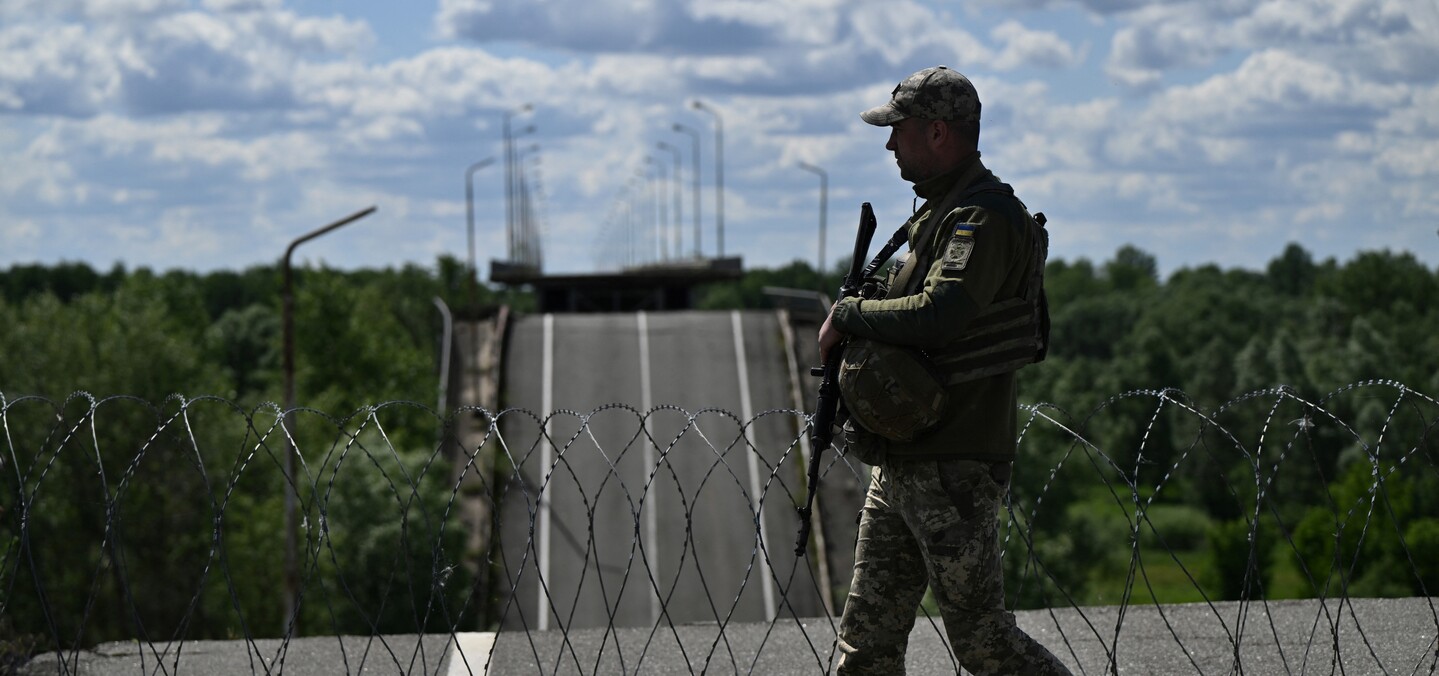
The recent damage inflicted by Ukrainian drones and missiles on Russia has made Belarus aware of its own vulnerabilities—and surprisingly amenable to Kyiv’s demands.

Artyom Shraibman
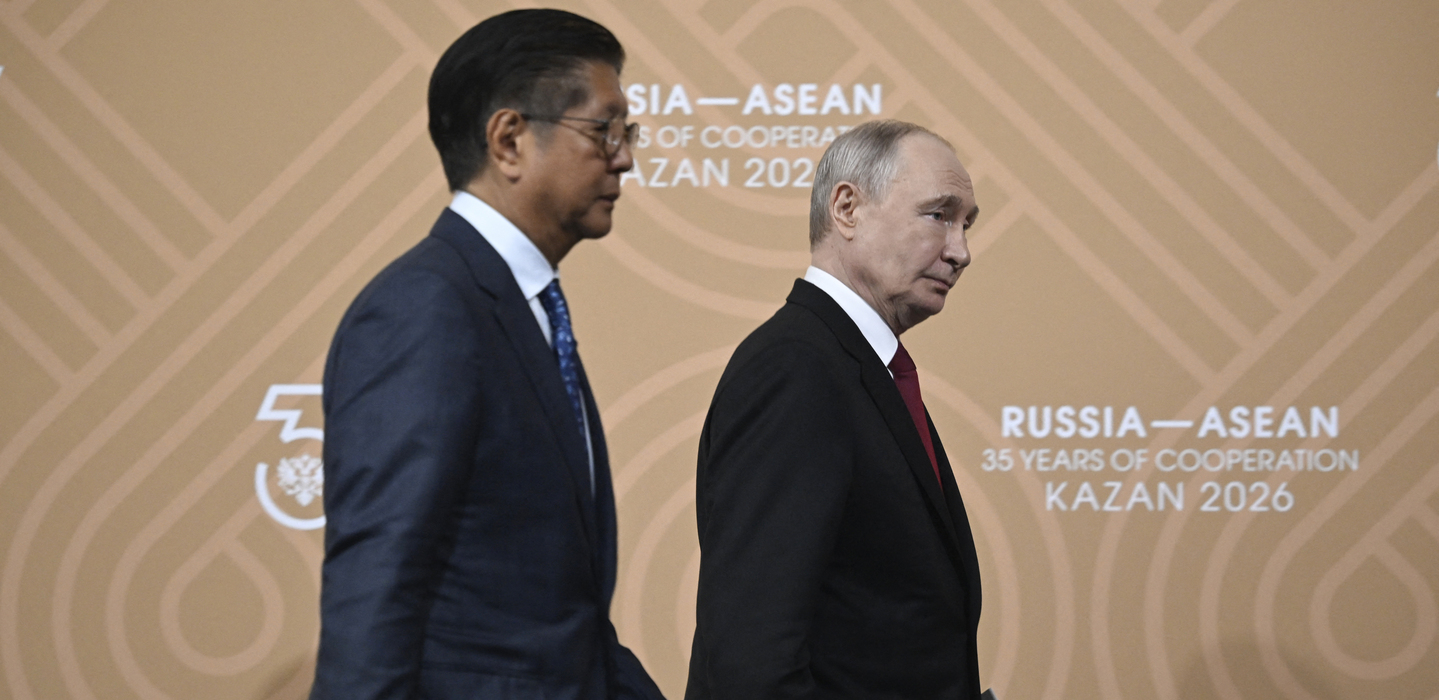
Russia looks set to reap economic benefits from closer ties with Southeast Asian countries that are keen to find reliable energy suppliers and diversify trade ties.

Alexander Gabuev