

Commentary
Judy Dempsey
{
  "authors": [
    "Judy Dempsey"
  ],
  "type": "legacyinthemedia",
  "centerAffiliationAll": "dc",
  "centers": [
    "Carnegie Endowment for International Peace",
    "Carnegie Europe"
  ],
  "collections": [],
  "englishNewsletterAll": "ctw",
  "nonEnglishNewsletterAll": "",
  "primaryCenter": "Carnegie Europe",
  "programAffiliation": "EP",
  "programs": [
    "Europe"
  ],
  "projects": [],
  "regions": [
    "Europe",
    "Western Europe",
    "Germany",
    "Iran"
  ],
  "topics": [
    "EU",
    "Migration"
  ]
}
Source: Getty
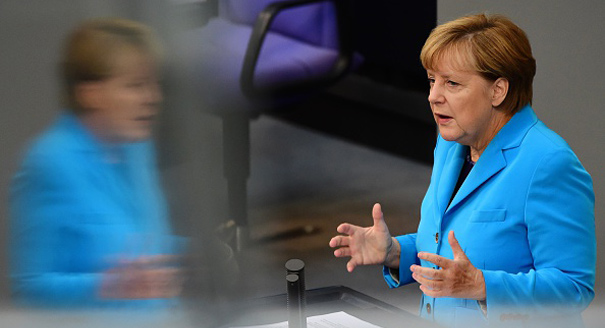
The German chancellor’s open-door policy toward the refugees is a challenge to her leadership. As public debate gets harsher in Germany, will Angela Merkel opt for a plan B?
Source: Deutsche Welle
Speaking on Deutsche Welle’s Quadriga, Judy Dempsey discussed if Angel Merkel can survive one of the biggest test of her career: the refugee crisis. She was joined by Alan Posener, journalist at Die Welt, and Erik Kirschbaum, Germany correspondent at Los Angeles Times.

Nonresident Senior Fellow, Carnegie Europe
Judy Dempsey is a nonresident senior fellow at Carnegie Europe
Recent Work
Judy Dempsey
Judy Dempsey
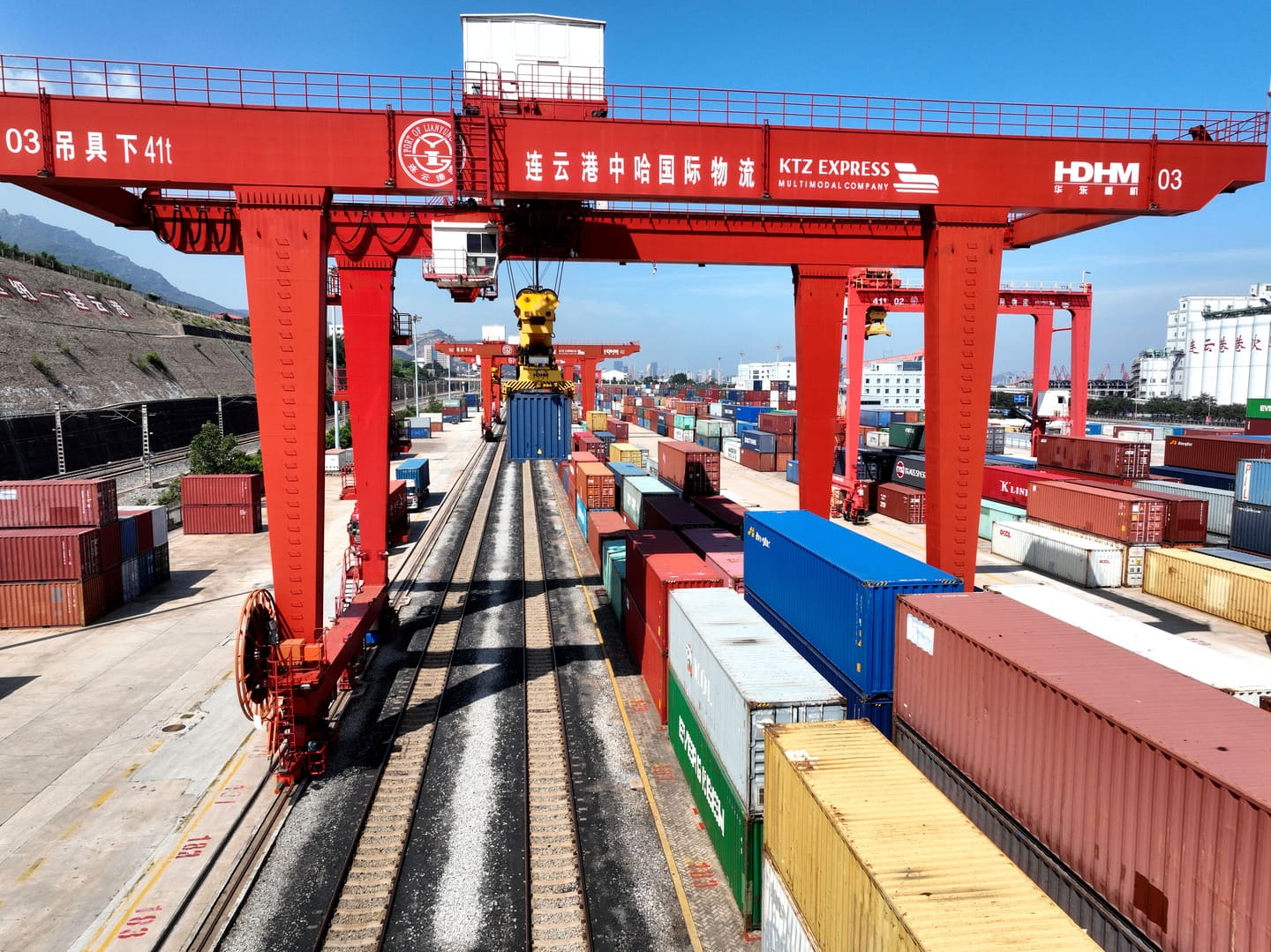
For the Middle Corridor to fulfill its promises, one of these routes must become scalable. At present, neither is.
Friedrich Conradi
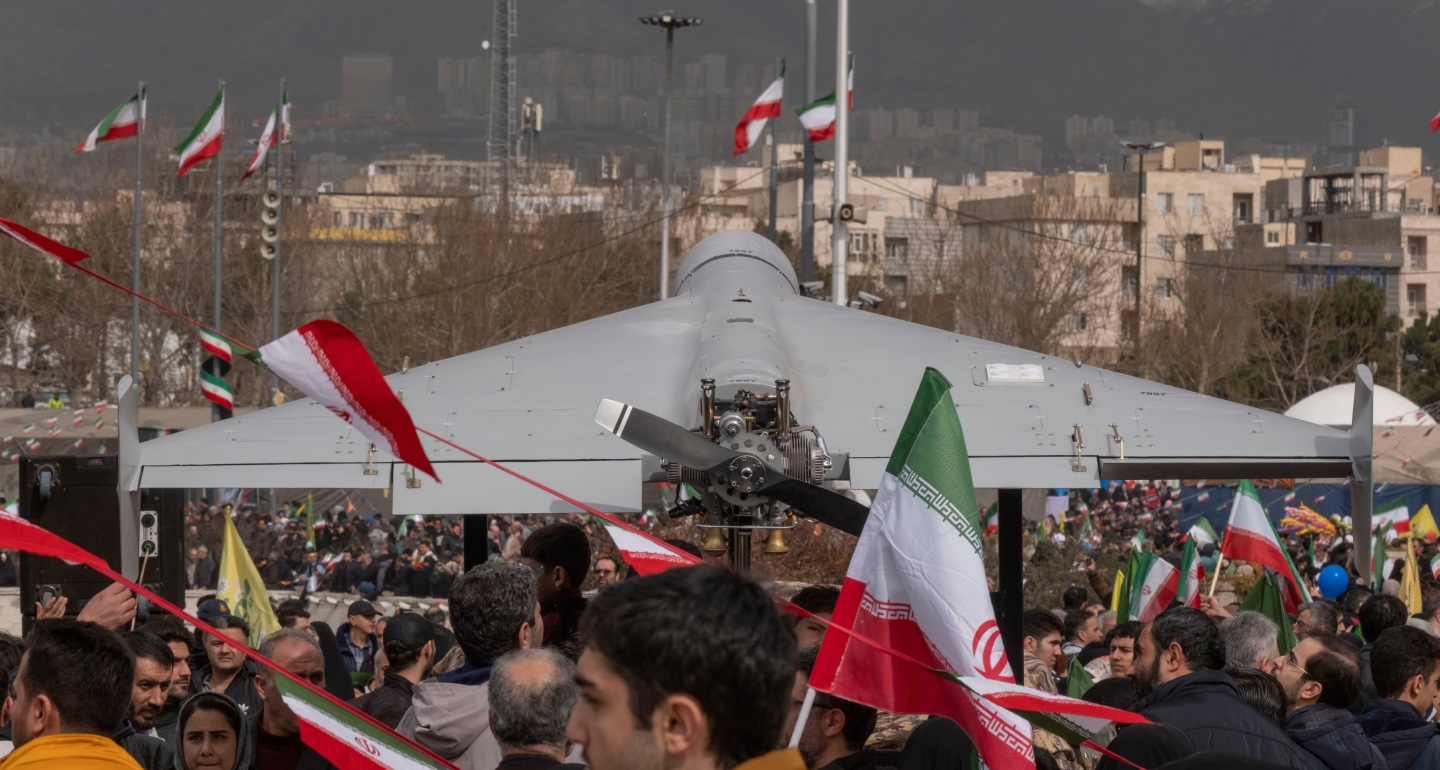
The Russian leadership wants to avoid a dangerous precedent in which it is squeezed out of Iran by the United States and Israel—and left powerless to respond in any meaningful way.

Nikita Smagin
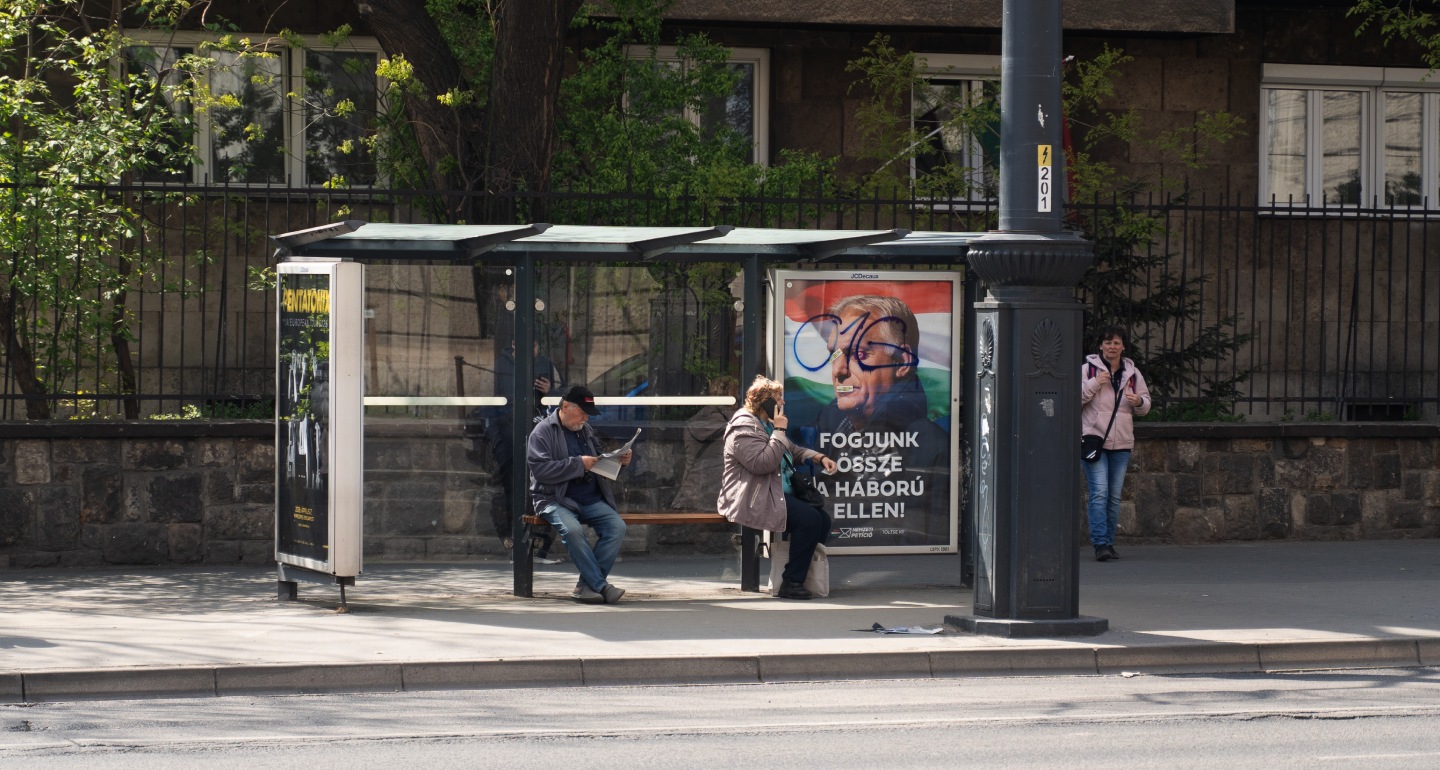
Orbán created an image for himself as virtually the only opponent of aid to Ukraine in the entire EU. But in reality, he was simply willing to use his veto to absorb all the backlash, allowing other opponents to remain in the shadows.
Maksim Samorukov
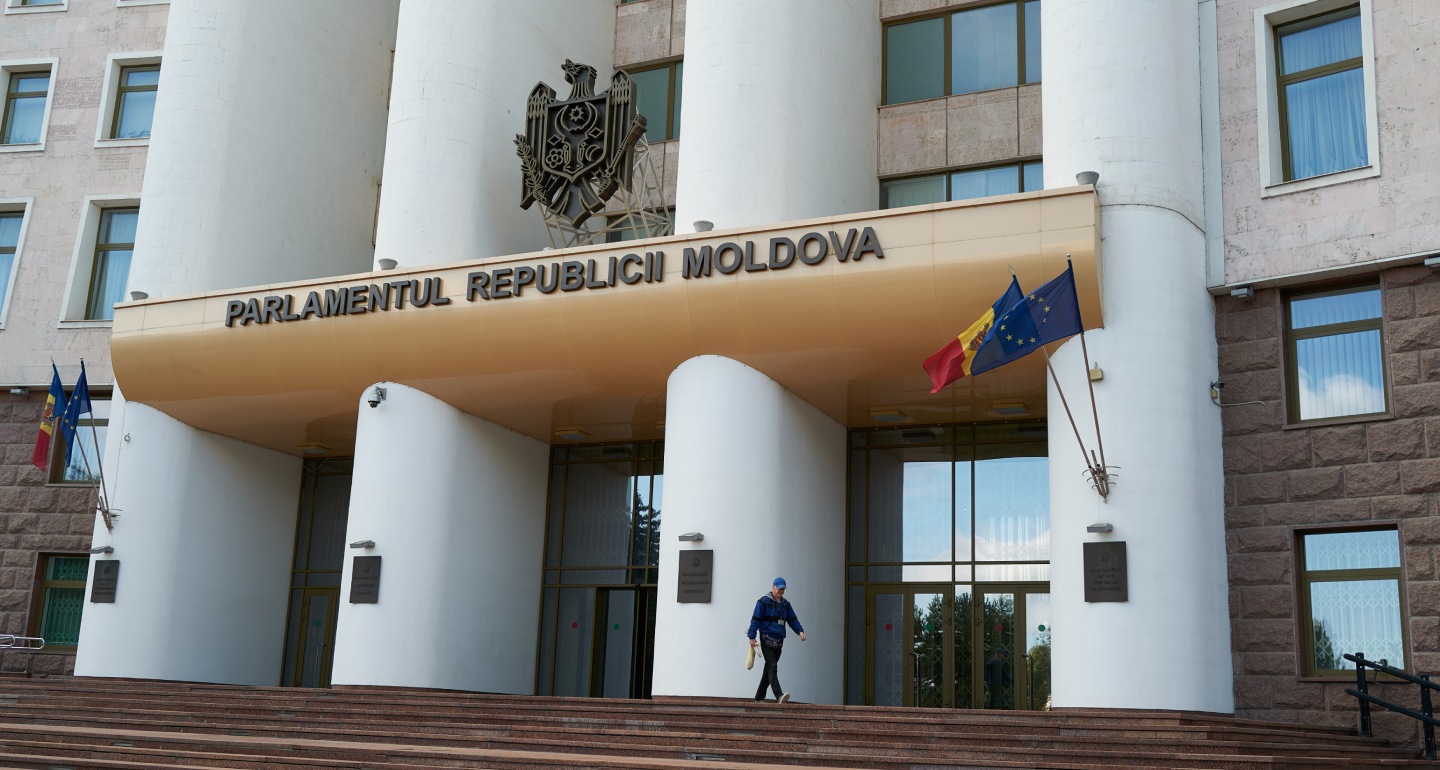
Moldova’s reintegration plan was drawn up to demonstrate to Brussels that Chișinău is serious about the Transnistria issue—and to get the West to react.
Vladimir Solovyov
The future trajectory of the U.S.-Iran war remains uncertain, but its impact on global energy trade flows and ties will be far-reaching. Moscow is likely to become a key beneficiary of these changes; the crisis in the Gulf also strengthens Russia’s hand in its relationships with China and India, where advantages might prove more durable.

Sergey Vakulenko