

Commentary
Minsk clearly expected the dialogue with Washington to yield more results, in particular the lifting of EU sanctions and permission to export potash.
Artyom Shraibman
{
  "authors": [
    "Toby Dalton",
    "Miles A. Pomper",
    "Scott Snyder",
    "Ferenc Dalnoki-Veress"
  ],
  "type": "other",
  "centerAffiliationAll": "dc",
  "centers": [
    "Carnegie Endowment for International Peace"
  ],
  "collections": [
    "U.S. Nuclear Policy",
    "Korean Peninsula"
  ],
  "englishNewsletterAll": "ctw",
  "nonEnglishNewsletterAll": "",
  "primaryCenter": "Carnegie Endowment for International Peace",
  "programAffiliation": "NPP",
  "programs": [
    "Nuclear Policy"
  ],
  "projects": [],
  "regions": [
    "North America",
    "United States",
    "East Asia",
    "South Korea",
    "North Korea"
  ],
  "topics": [
    "Nuclear Policy"
  ]
}
Source: Getty
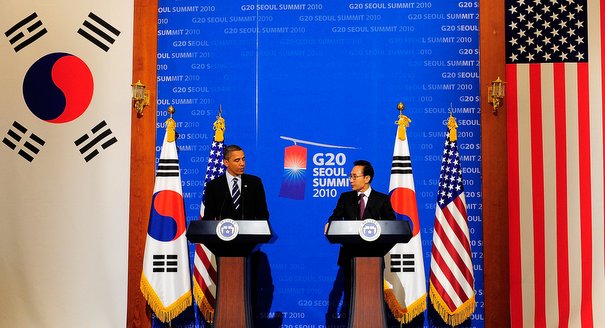
South Korea and the United States have become essential partners on nuclear matters over the last forty years. However, as with all maturing relationships, there remain differences of view and priority that must be managed.
Source: Center for Nonproliferation Studies
Over the last forty years, South Korea (or the Republic of Korea, or ROK) and the United States have become essential partners on nuclear matters. The United States provided the technology and knowhow necessary for Korea to establish a nuclear sector. Koreans mastered that technology and have worked to improve on it, with the twin goals of expanding their country’s energy independence and becoming a leading exporter of nuclear power production facilities. The two states’ nuclear energy industries have become intertwined. They cooperate on multiple initiatives to strengthen international nuclear security and nonproliferation measures. Collaborative research ties amongst nuclear scientists from both countries run deep. Arguably, each state is the other’s most important nuclear partner.
As with all maturing relationships, there remain differences of view and priority that must be managed. Though unlikely, a disruption in ROK-US nuclear relations would have wide-ranging, deleterious effects on both states. For this reason, the conclusion in June 2015 of a new bilateral treaty, the Agreement for Cooperation Between the Government of the United States of America and the Government of the Republic of Korea Concerning Peaceful Uses of Nuclear Energy (hereafter referred to as the 123 agreement after section 123 of the Atomic Energy Act, the relevant US statute) is a critical milestone. The new agreement establishes the terms for nuclear cooperation for the next twenty years. It is expansive and forward-looking, providing the basis for unusually broad and deep nuclear ties. The 123 agreement will bring predictability to the relationship at a time when the global nuclear energy outlook remains in flux.However, the new nuclear agreement only managed to partially resolve several deep-seated differences between the two sides that were illustrated by the fact that negotiations on a new agreement lasted more than four years and required an extension to complete. The agreement creates a new political framework for managing divergent views over how to cooperate most effectively, but differences may yet re-emerge and frustrate cooperation. The challenge before the two governments now is to implement the new agreement in ways that can either resolve or remove these differences and solidify existing ties. In other words, the two countries should seek to build a nuclear partnership in deed, not just in word.
This report articulates a vision for ROK-US nuclear partnership for the next two decades, a period which aligns with the duration of the new agreement for cooperation. It highlights challenges and opportunities and provides recommendations intended to deepen and expand the range of existing cooperation in ways that will support a stable and sustainable nuclear partnership. The objective of the report is to describe a desirable and stable end-state for the relationship—an enduring partnership—and to identify steps along the path to achieve it. It discusses multiple areas of cooperation, assesses strengths and weaknesses of existing ties, and identifies practical activities both parties can pursue toward building the partnership....
Read the full text of this report at the Center for Nonproliferation Studies.

Senior Fellow and Co-director, Nuclear Policy Program
Toby Dalton is a senior fellow and co-director of the Nuclear Policy Program at the Carnegie Endowment. An expert on nonproliferation and nuclear energy, his work addresses regional security challenges and the evolution of the global nuclear order.
Miles A. Pomper
Center for Nonproliferation Studies
Scott Snyder
The Asia Foundation
Scott Snyder is senior fellow for Korea studies and director of the program on U.S.-Korea policy at the Council on Foreign Relations. His research focuses on South Korea's efforts to contribute on the international stage, its potential influence and contributions in East Asia, and implications of North Korean instability.
Ferenc Dalnoki-Veress
Center for Nonproliferation Studies
Carnegie does not take institutional positions on public policy issues; the views represented herein are those of the author(s) and do not necessarily reflect the views of Carnegie, its staff, or its trustees.

Minsk clearly expected the dialogue with Washington to yield more results, in particular the lifting of EU sanctions and permission to export potash.

Artyom Shraibman
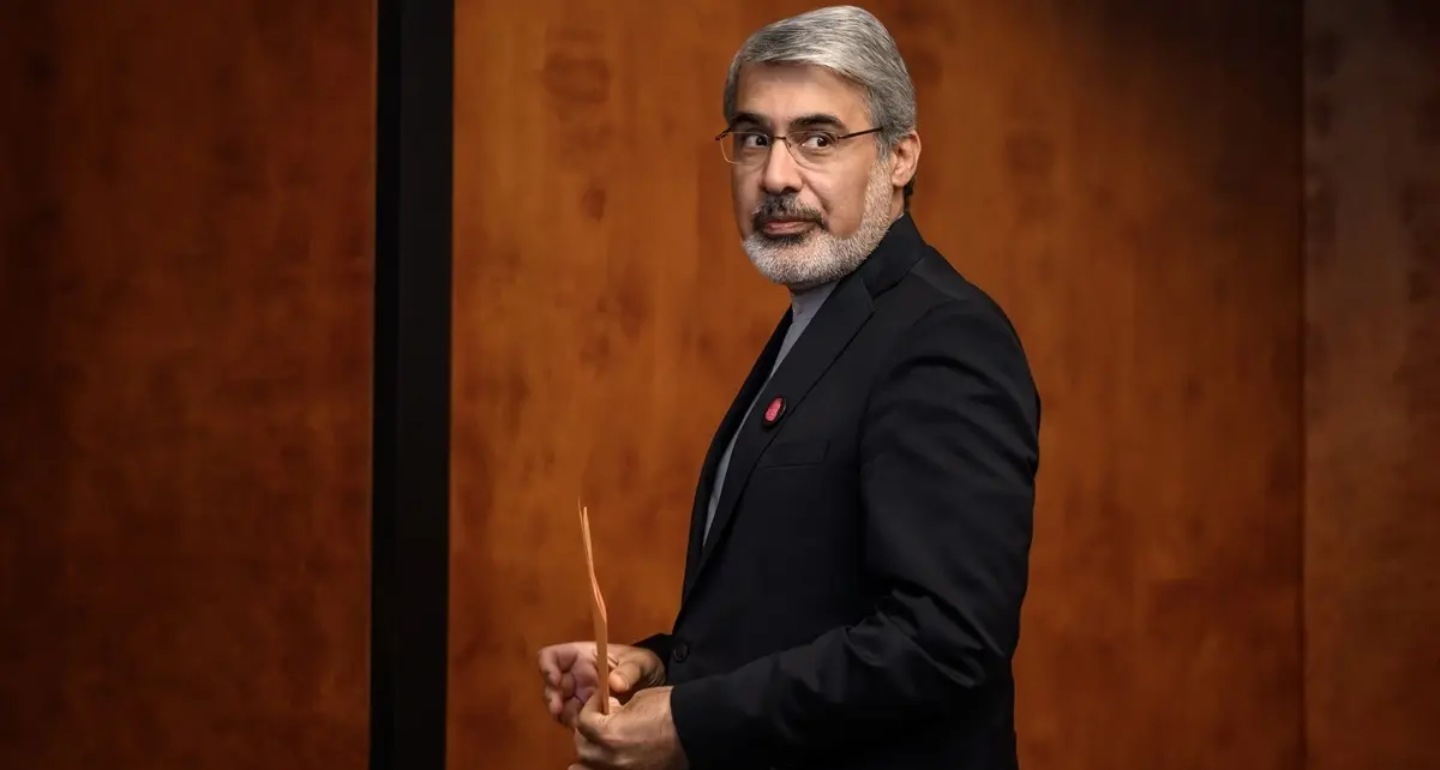
Ongoing uncertainty in the Middle East allows Moscow to both increase its influence in Tehran and continue to enjoy the financial windfall of higher oil prices.

Nikita Smagin

Governments in Estonia, Latvia, and Lithuania want to ensure that a U.S. military withdrawal would not leave them dangerously exposed to a Russian attack.

Sergejs Potapkins
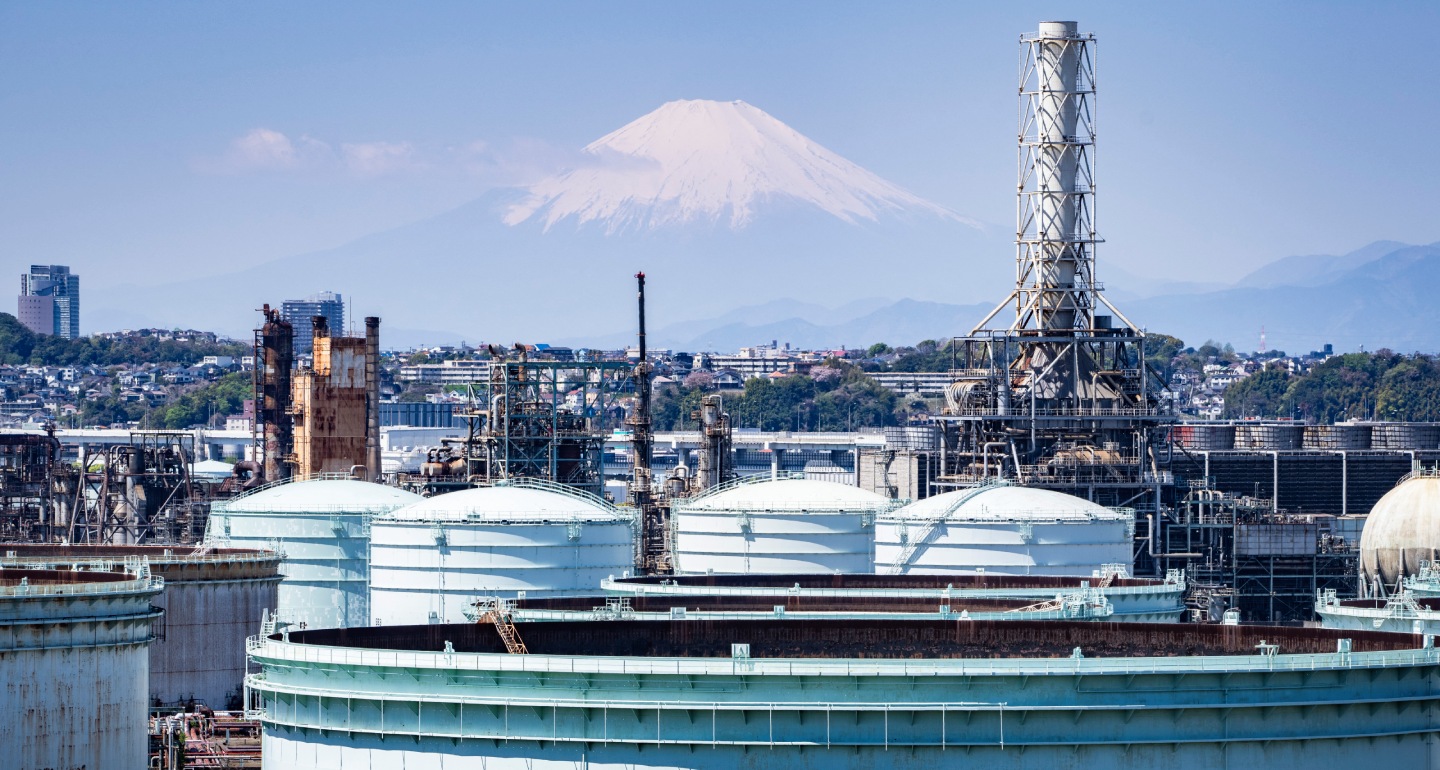
Tokyo would have to surmount a lot of obstacles—not least Western sanctions—if it wanted to return Russian oil imports to even modest pre-2022 volumes.

Vladislav Pashchenko
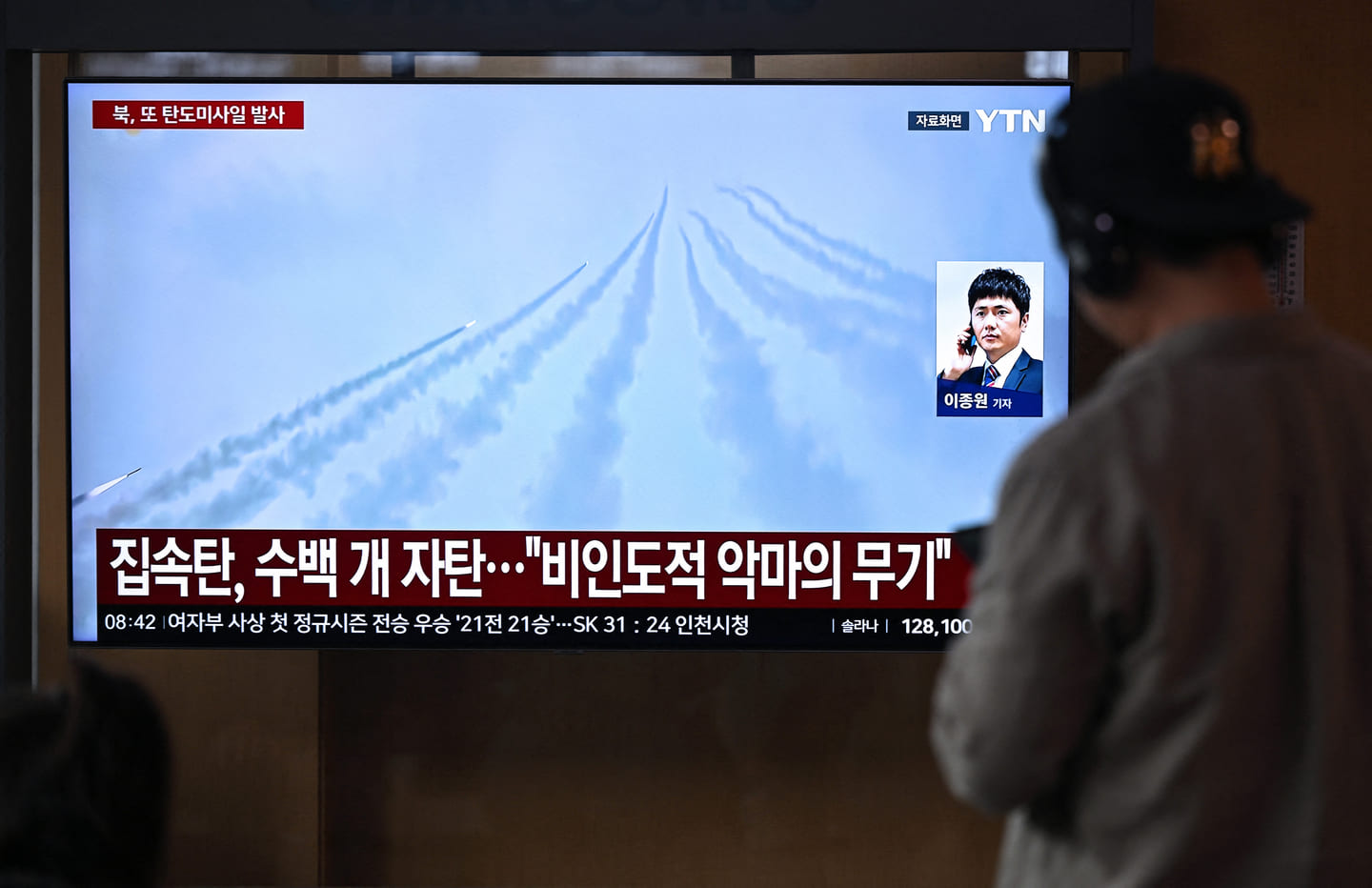
Troubled by the growing salience of nuclear debates in East Asia, Moscow has responded in its usual way: with condemnation and threats. But by exacerbating insecurity, Russia is forcing South Korea and Japan to consider radical security options.

James D.J. Brown