

Commentary
With the growth in points of friction between the great powers, organizations like the SCO will continue to play a role in the strategic adaptation of the smaller powers caught between them.
Temur Umarov
{
  "authors": [
    "Uri Dadush",
    "Beatriz Leycegui"
  ],
  "type": "other",
  "centerAffiliationAll": "",
  "centers": [
    "Carnegie Endowment for International Peace"
  ],
  "collections": [],
  "englishNewsletterAll": "",
  "nonEnglishNewsletterAll": "",
  "primaryCenter": "Carnegie Endowment for International Peace",
  "programAffiliation": "",
  "programs": [],
  "projects": [],
  "regions": [
    "North America",
    "United States",
    "South America",
    "East Asia",
    "Southeast Asia"
  ],
  "topics": [
    "Economy",
    "Trade",
    "Foreign Policy"
  ]
}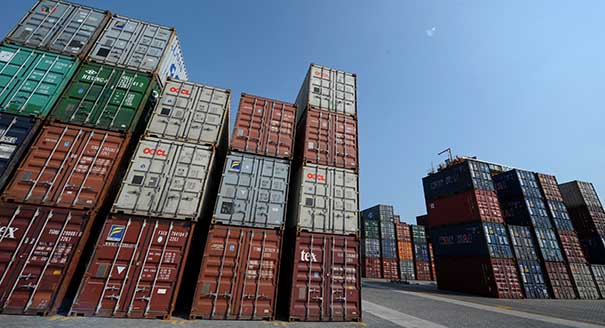
Source: Getty
There is a large unfinished agenda in the integration of the North American economy, a gap which TPP could help fill.
Source: Wilson Center
While the three North American countries, Canada, Mexico, and the United States, together acccount for a large share of TPP GDP and intra-TPP trade, their trade is also already governed by NAFTA. Though NAFTA is a far-reaching and long-standing mega-regional agreement, there is a large unfinished agenda in the integration of the North American economy, a gap which TPP could help fill.
This paper compares TPP and NAFTA as they affect the trade of the NAFTA countries. It will argue that TPP is likely to advance trade of the NAFTA block with the other TPP members, and within the NAFTA block, and make the whole TPP block, including NAFTA, more attractive as an investment destination.The paper also examines the motivation of NAFTA countries in joining TPP as well as the additionality of market access commitments, followed by an assessment of how the rules negotiated in TPP modify pre-existing NAFTA commitments. Finally, the paper briefly considers how TPP might help promote other crucial interests of the NAFTA countries, including integration in North and South America, and the vitality of the WTO...

Former Senior Associate, International Economics Program
Dadush was a senior associate at the Carnegie Endowment for International Peace. He focuses on trends in the global economy and is currently tracking developments in the eurozone crisis.
Beatriz Leycegui
Carnegie does not take institutional positions on public policy issues; the views represented herein are those of the author(s) and do not necessarily reflect the views of Carnegie, its staff, or its trustees.

With the growth in points of friction between the great powers, organizations like the SCO will continue to play a role in the strategic adaptation of the smaller powers caught between them.

Temur Umarov

When faced with fuel shortages in the past, Central Asian governments could always count on additional supplies from Moscow. That safety net no longer exists.

Galiya Ibragimova

Despite unhappiness on the ground, Moscow is determined to use both carrot and stick to ensure there is record support for United Russia in occupied Ukraine.

Konstantin Skorkin
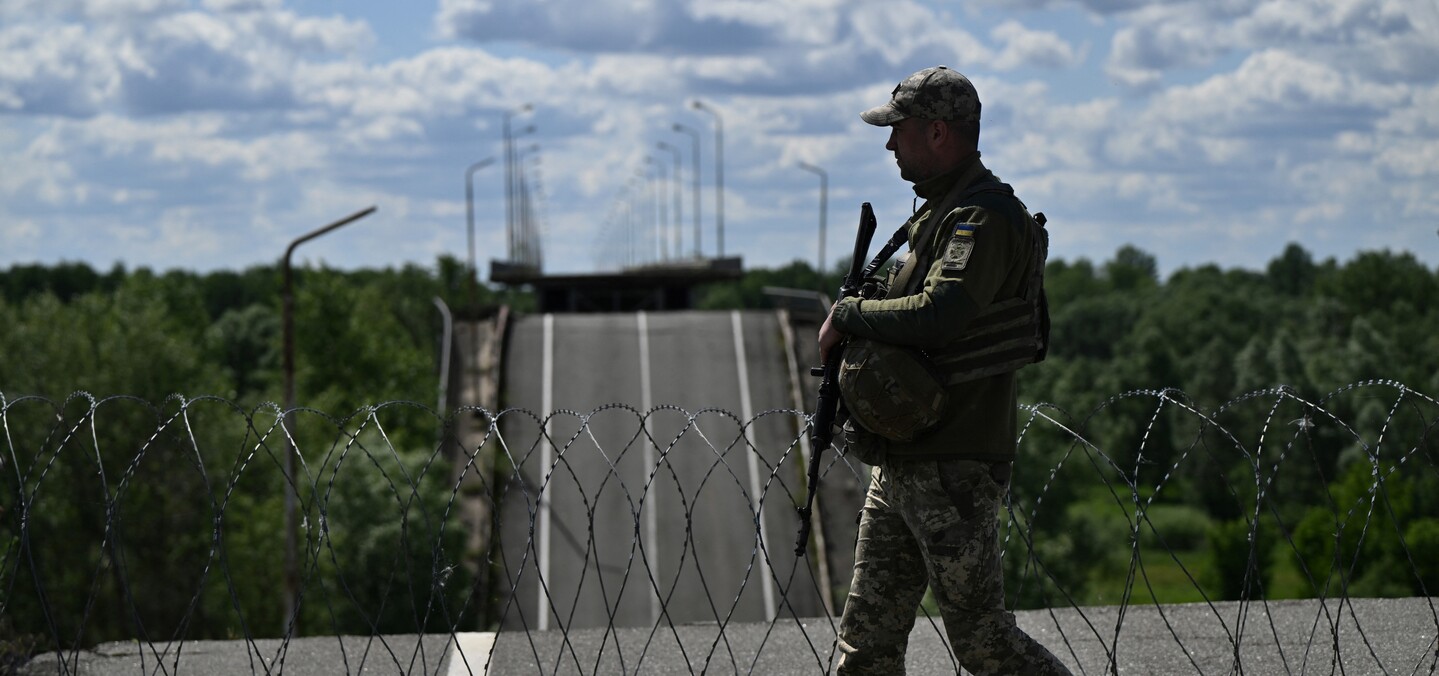
The recent damage inflicted by Ukrainian drones and missiles on Russia has made Belarus aware of its own vulnerabilities—and surprisingly amenable to Kyiv’s demands.

Artyom Shraibman
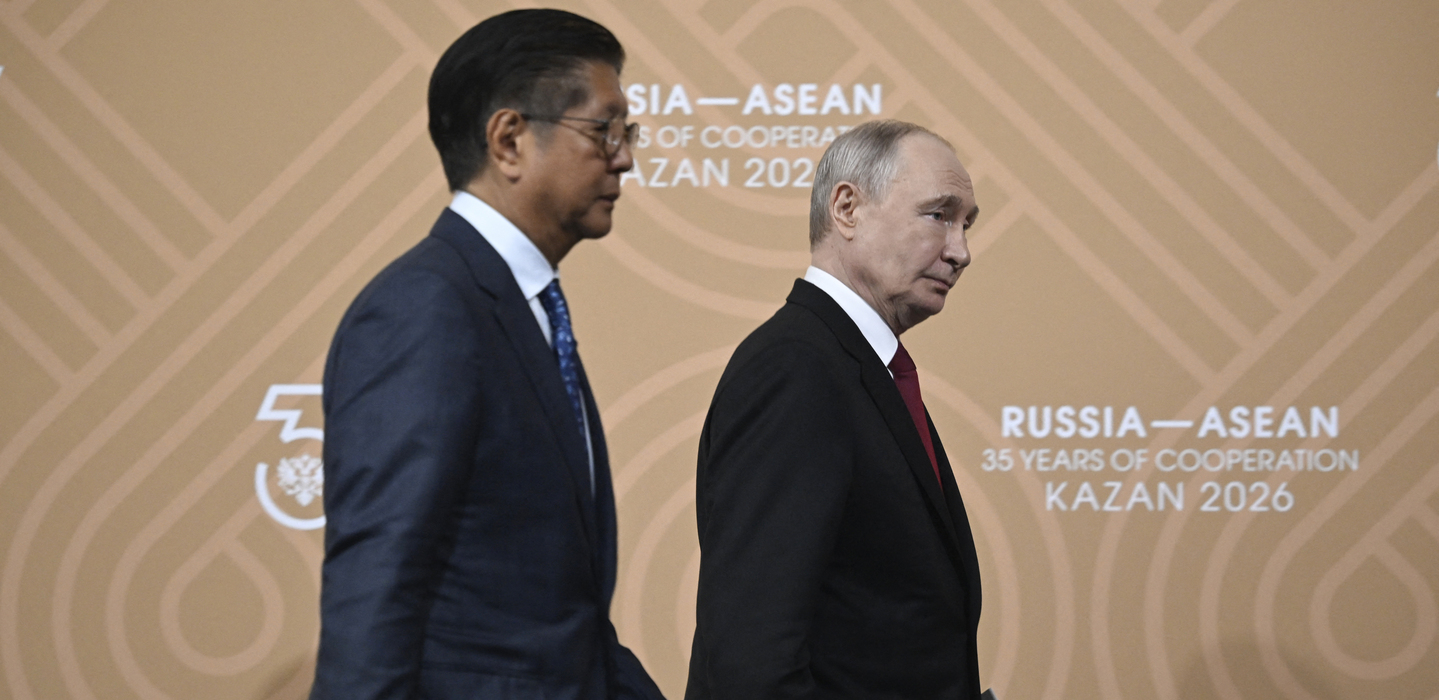
Russia looks set to reap economic benefits from closer ties with Southeast Asian countries that are keen to find reliable energy suppliers and diversify trade ties.

Alexander Gabuev