

Article
- +1
Toby Dalton, Mark Hibbs, Nicole Grajewski, …
{
  "authors": [
    "Mark Hibbs"
  ],
  "type": "other",
  "centerAffiliationAll": "dc",
  "centers": [
    "Carnegie Endowment for International Peace"
  ],
  "collections": [],
  "englishNewsletterAll": "ctw",
  "nonEnglishNewsletterAll": "",
  "primaryCenter": "Carnegie Endowment for International Peace",
  "programAffiliation": "NPP",
  "programs": [
    "Nuclear Policy"
  ],
  "projects": [],
  "regions": [
    "South Asia",
    "India",
    "Pakistan"
  ],
  "topics": []
}
Source: Getty
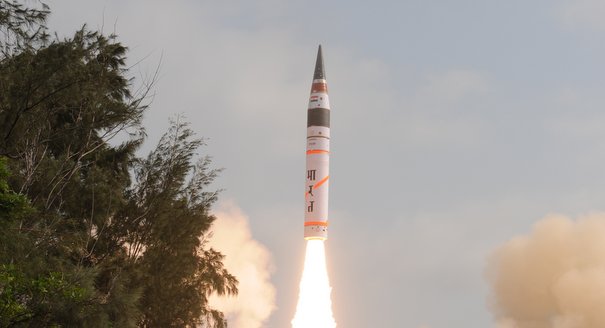
With membership bids from India and Pakistan, the Nuclear Suppliers Group is faced with a key decision over its non-proliferation agenda.
Source: Jane's Intelligence Review
India's bid to gain admission to the Nuclear Suppliers Group (NSG), the world's most important multilateral nuclear export control arragement, remains in limbo despite New Delhi's efforts at the NSG's annual plenary meeting in June 2016. Held in Seoul, South Korea, the 48 participating governments of the NSG concluded their annual meeting without taking a decision on membership applications filed by India, as well as Pakistan.
The decision regarding Indian and Pakistani admission to the group is key to the future stability of the global non-proliferation regime. The NSG sets the rules for virtually all producers of nuclear materials and equipment, deciding which items are classified as proliferation-sensitive and to which destinations nuclear-related goods may be transferred. Notably, decisions by the NSG are made by consensus, and each member state essentially has veto power.
As countries with significant civil nuclear energy programmes, both India and Pakistan are critical to global efforts to prevent the illicit transfer of nuclear goods, yet they have remained largely outside the world’s nuclear trade governance system given their status as nuclear-armed states not party to the Nuclear Non-Proliferation Treaty (NPT).
The signal importance of a decision to admit India to the NSG was evident as early as 2005, when the United States and India announced their formation of a bilateral agreement for civil nuclear co-operation – a step that implied the need for the NSG to grant India an exception to its nuclear trade restrictions, which for three decades had prevented nuclear suppliers from exporting nuclear goods to India on the grounds of its NPT non-signatory status. In 2008, under strong pressure from the US, the NSG’s members agreed by consensus to grant India that exception, thereby permitting New Delhi to participate in nuclear commerce with nuclear supplier states and their industries. Evidently, representatives from most NSG member states held the view that exempting India from the NSG’s trade conditions would be qualitatively less significant than endowing India with NSG membership.
Full membership would permit India to shape the rules that govern global nuclear trade and could validate New Delhi’s quest for equal status with the five permanent members of the United Nations Security Council. Eager to keep pace with India, Pakistan is likewise seeking to enhance its access to nuclear trade and gain global recognition as a responsible nuclear state. India’s aspiration to join the NSG has been under active consideration by nuclear supplier states since 2010, when the US announced that it advocated India’s admission to the group as part of an effort to gain Indian membership in other multilateral export control arrangements. These include the Australia Group, which is concerned with preventing the proliferation of chemical and biological weapons, the Wassenaar Arrangement, which establishes export controls for conventional arms and dual-use goods and technologies, and the Missile Technology Control Regime (MTCR), which India joined in June 2016 to curb the spread of unmanned nuclear delivery systems.
Given that all of the NSG’s 48 member states are party to the NPT, the group is faced with the unprecedented task of weighing up the risks and benefits of including non-NPT states at the table. Whether and under what conditions India and Pakistan are eventually allowed to join the NSG will have a profound impact on how nuclear supplier states evaluate and manage nuclear proliferation risks.
This article was originally published at Jane's Intelligence Review.

Nonresident Senior Fellow, Nuclear Policy Program
Hibbs is a Germany-based nonresident senior fellow in Carnegie’s Nuclear Policy Program. His areas of expertise are nuclear verification and safeguards, multilateral nuclear trade policy, international nuclear cooperation, and nonproliferation arrangements.
Recent Work


Toby Dalton, Mark Hibbs, Nicole Grajewski, …
Mark Hibbs
Carnegie does not take institutional positions on public policy issues; the views represented herein are those of the author(s) and do not necessarily reflect the views of Carnegie, its staff, or its trustees.

With the growth in points of friction between the great powers, organizations like the SCO will continue to play a role in the strategic adaptation of the smaller powers caught between them.

Temur Umarov

The demands of the Kremlin’s war in Ukraine, demographic problems, and public hostility toward Central Asians mean Russia does not have enough workers.

Salavat Abylkalikov
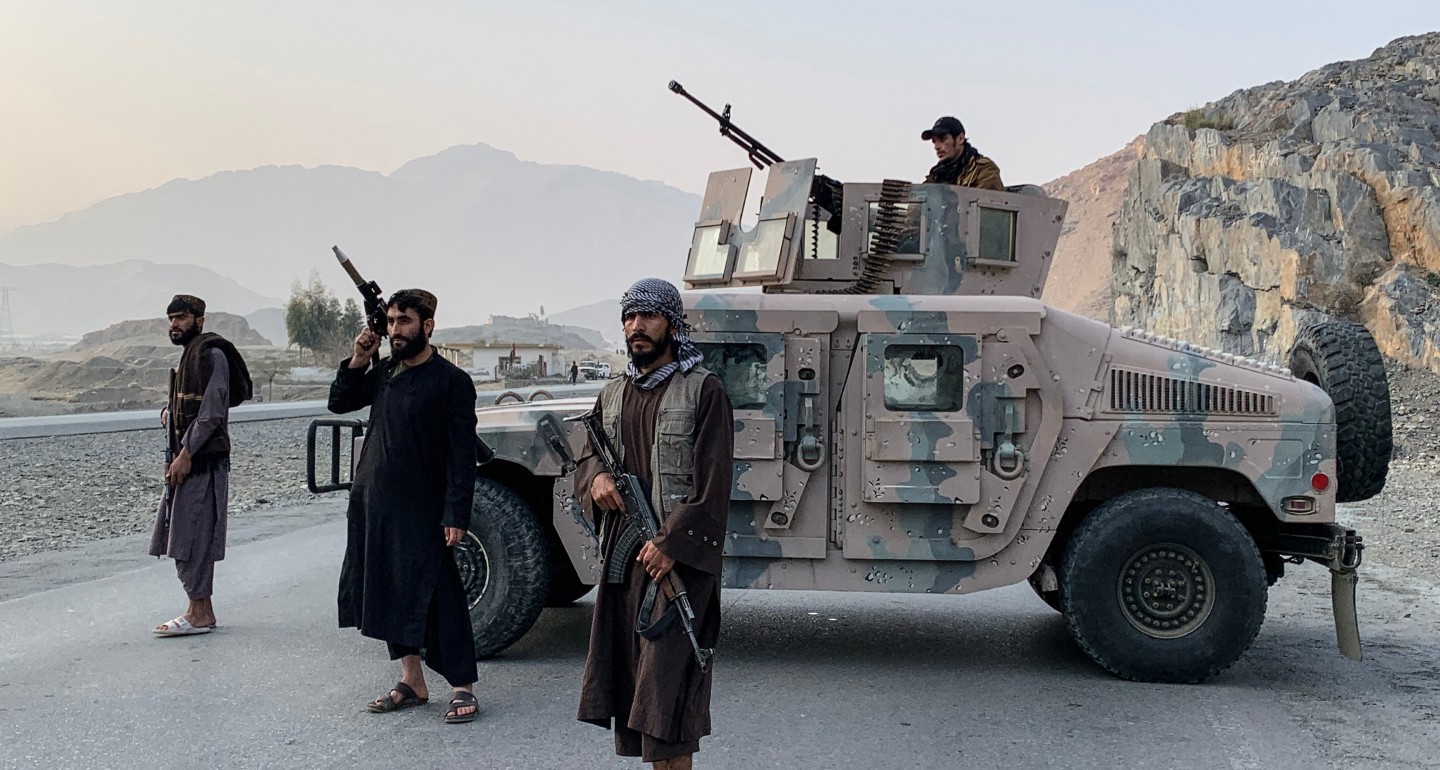
Not only does the fighting jeopardize regional security, it undermines Russian attempts to promote alternatives to the Western-dominated world order.

Ruslan Suleymanov
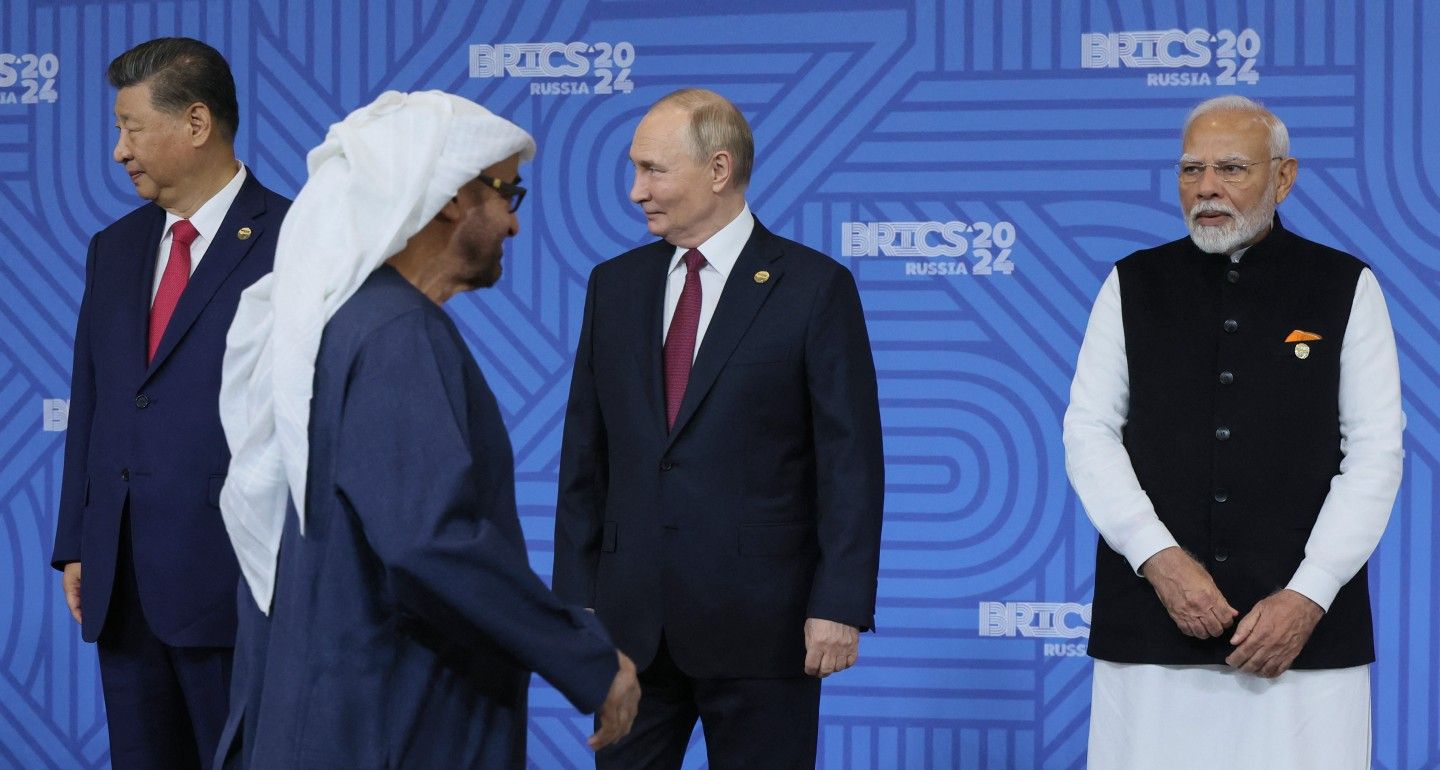
It might seem that within BRICS, Russia should be overshadowed by the giant economies of China and India, especially the former. Yet what is happening is almost the opposite, with Russia effectively taking over the leading role in the club.

Alexander Baunov

As Russia’s relationship with the West has deteriorated, the Kremlin’s view of the Taliban has changed. But substantive economic cooperation will be hard to achieve.
Ruslan Suleymanov