

Commentary
Andrei Kolesnikov
{
  "authors": [
    "Andrei Kolesnikov"
  ],
  "type": "commentary",
  "centerAffiliationAll": "",
  "centers": [
    "Carnegie Endowment for International Peace",
    "Carnegie Russia Eurasia Center"
  ],
  "collections": [],
  "englishNewsletterAll": "",
  "nonEnglishNewsletterAll": "",
  "primaryCenter": "Carnegie Endowment for International Peace",
  "programAffiliation": "",
  "programs": [],
  "projects": [],
  "regions": [],
  "topics": [
    "Economy"
  ]
}
Source: Getty
Even if Putin didn’t know about the cyber initiative, what‘s truly important is that he is seen as omnipotent by the media and the politicians in the West. Perhaps the blame is undeserved, and Putin’s power is once again being overstated. But that’s the price you pay for creating a political system where everything hinges on the whims of one man.
Guess what? The DNC email hacking scandal is barely making waves in Russia even though Russia’s formidable intelligence services are widely blamed and President Obama has suggested that the Kremlin might even be trying to sway the U.S. election.
Russia’s parliamentary elections are just seven weeks away, and the Kremlin’s propaganda machinery is dutifully churning out claims that Russia’s economic woes are all due to U.S. machinations. Even the Olympic doping scandal is being portrayed in Russia as yet another sign of the undying hostility of the West and the United States, in particular.
But, believe it or not, this “blame America first” campaign isn’t getting much traction with average Russians. Sure, popular attitudes toward the United States are very negative, but they have crested from the historic highs registered back in January 2015. For better or worse, Russians have started to move on, a state of affairs which lends itself to new jokes like “Life has never been as bad as it’s been under Obama.”
While Russian public opinion usually follows Putin’s lead on major issues, voters are not terribly impressed by scandals these days. That helps explain both why Putin’s popularity rating remains stubbornly high amid the current economic doldrums and why suggestions that the Kremlin may have been working behind the scenes to boost Donald Trump’s position are likely to fade from the news after just a day or two.
If put on the spot, average Russians would doubtlessly say that they were impressed by Putin’s craftiness and that it was pretty cool for the Kremlin to try to use covert tools to influence events far beyond the country’s borders. And if they were given a chance to vote in the U.S. election, we can assume that plenty of Russians would break for Trump, given the stubborn appeal of ultra-right political populists. Unfortunately, there are only two state-sanctioned opposition parties in Russia these days, the Communists and the Liberal-Democrats. Their main purpose is to provide outlets for those who want to protest but aren’t wild about the idea of ending up in prison. Both parties have succesfully impersonated the country’s political opposition for over 20 years.
The Liberal-Democrats’ founder and public face is Vladimir Zhirinovskiy, a seemingly tireless figure who can lay claim to being the original “Trump.” He emerged in the early 1990s and owes his popularity to being everything Trump is today: rude, crude, politically incorrect, and downright erratic. Since the Yeltsin era he has played a role unlike that of any other post-Soviet politician in a country that had quickly grown disenchanted with its entire political class. In that way, Russia is Trump’s true birthplace and homeland.
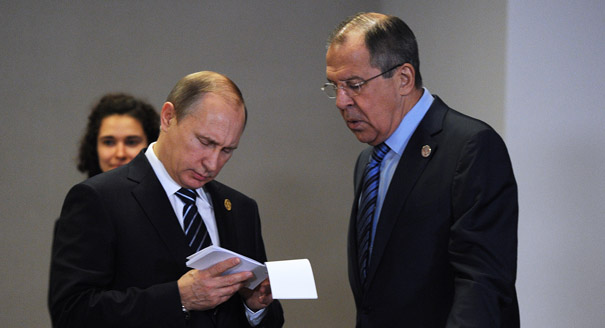
For their part, Russian officials have predictably denied any meddling in US domestic politics and disavowed responsibility for the cyber attack on the DNC. Foreign Minister Sergey Lavrov said, half-jokingly one assumes, that he didn’t want to use any Trump-like four-letter words when questioned about the scandal. In fairness to Mr. Lavrov, Russia’s intelligence services probably don’t feel any obligation to talk about their doings with the Foreign Ministry, which they consider an inferior branch of government charged merely with executing policies that are devised and decided upon by others with access to the inner sanctum.
Putin is unlikely to offer any substantive comment on the scandal. That leaves a lot of tough unanswered questions. For example, assuming that Russian intelligence agencies were indeed behind the DNC attack, does that mean that Putin himself ordered it? Amid Russia’s Byzantine, highly secretive politics, nobody ever knows for sure exactly what Putin discusses with his war cabinet.
What an image problem Putin has created for himself! He barely had any time to put to rest scandals about Russia’s involvement in Brexit, funding for European populist parties like France’s Front National, and the high-tech tampering with Russian athletes’ urine samples when the DNC email mess erupted. Did the FSB fail to keep him informed about these initiatives, too? Didn’t anybody remember to keep him in the loop about the cyber attack on the DNC? Or did they somehow forget that any and all allegations would invariably lead to Putin’s being put in the dock once again as the world’s personification of evil?
Even if Putin didn’t know about the cyber initiative, what‘s truly important is that he is seen as omnipotent by the media and the politicians in the West. Once again, perception is reality. Regardless of whether Putin’s hidden hand was part of these scandals, Western media and politicians will surely continue to blame him for them. Perhaps the blame is undeserved, and Putin’s power is once again being overstated. But that’s the price you pay for creating a political system where everything hinges on the whims of one man.
Former Senior Fellow, Carnegie Russia Eurasia Center
Kolesnikov was a senior fellow at the Carnegie Russia Eurasia Center.
Recent Work
Andrei Kolesnikov
Andrei Kolesnikov
Carnegie does not take institutional positions on public policy issues; the views represented herein are those of the author(s) and do not necessarily reflect the views of Carnegie, its staff, or its trustees.
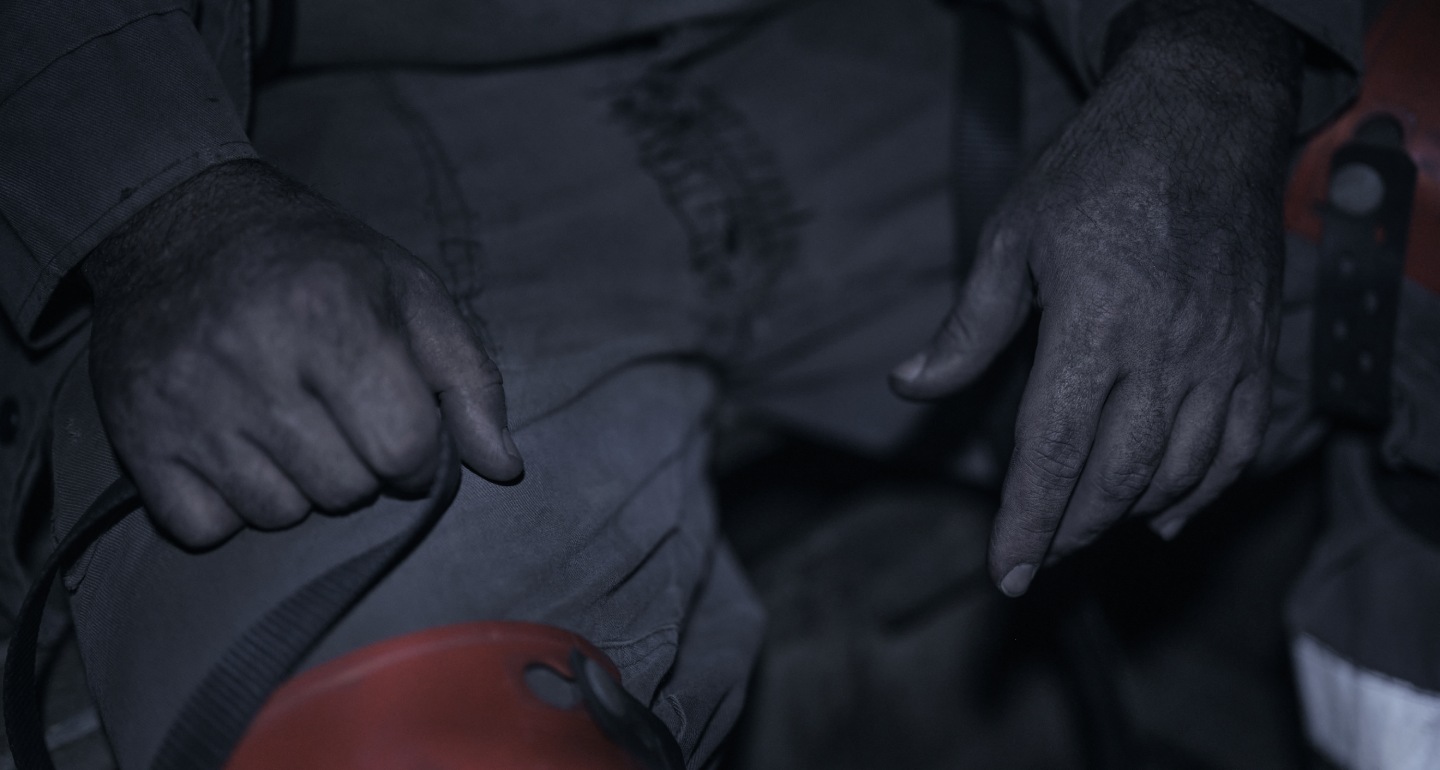
Powerful lobbyists and inertia led to Russia’s coal-mining sector missing an excellent opportunity to solve its structural problems.
Alexey Gusev
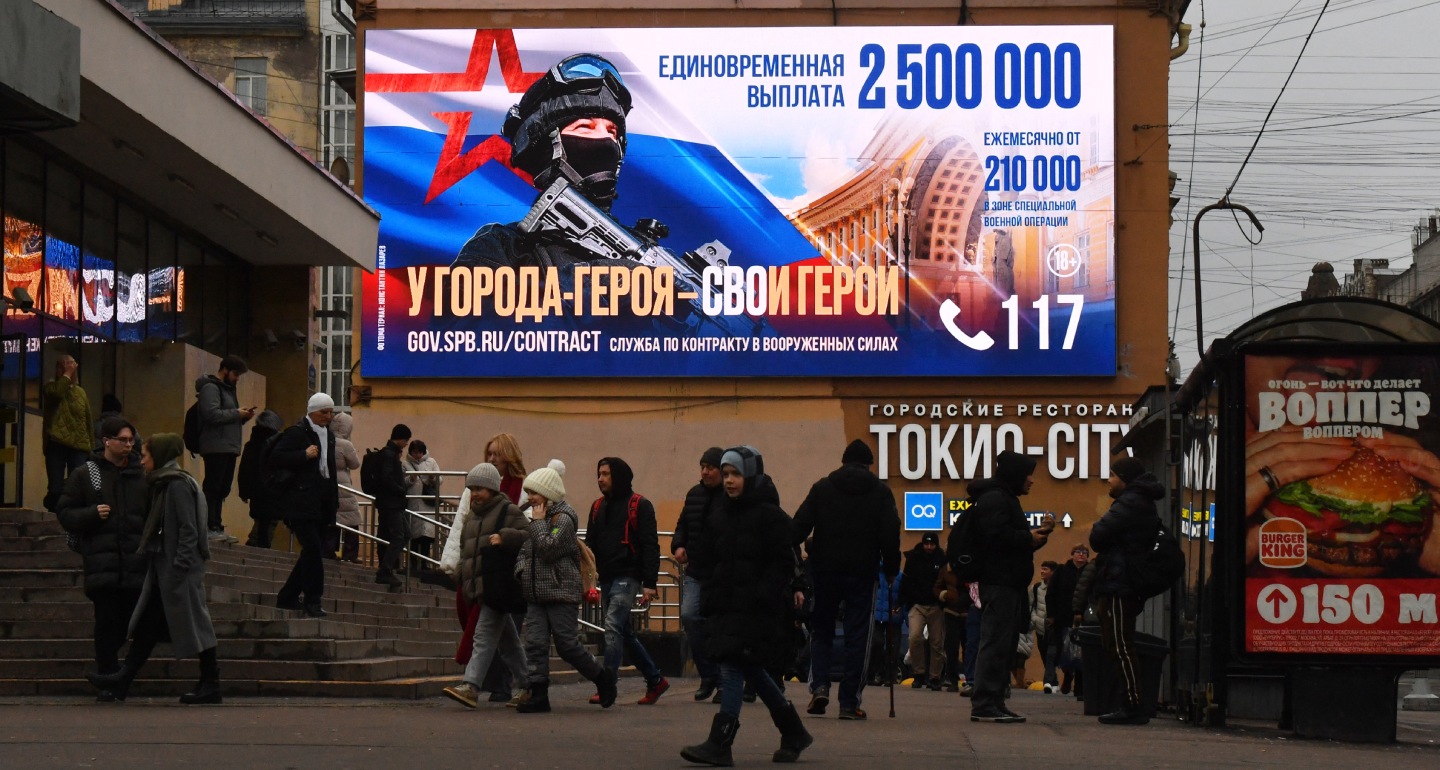
The Russian army is not currently struggling to recruit new contract soldiers, though the number of people willing to go to war for money is dwindling.

Dmitry Kuznets
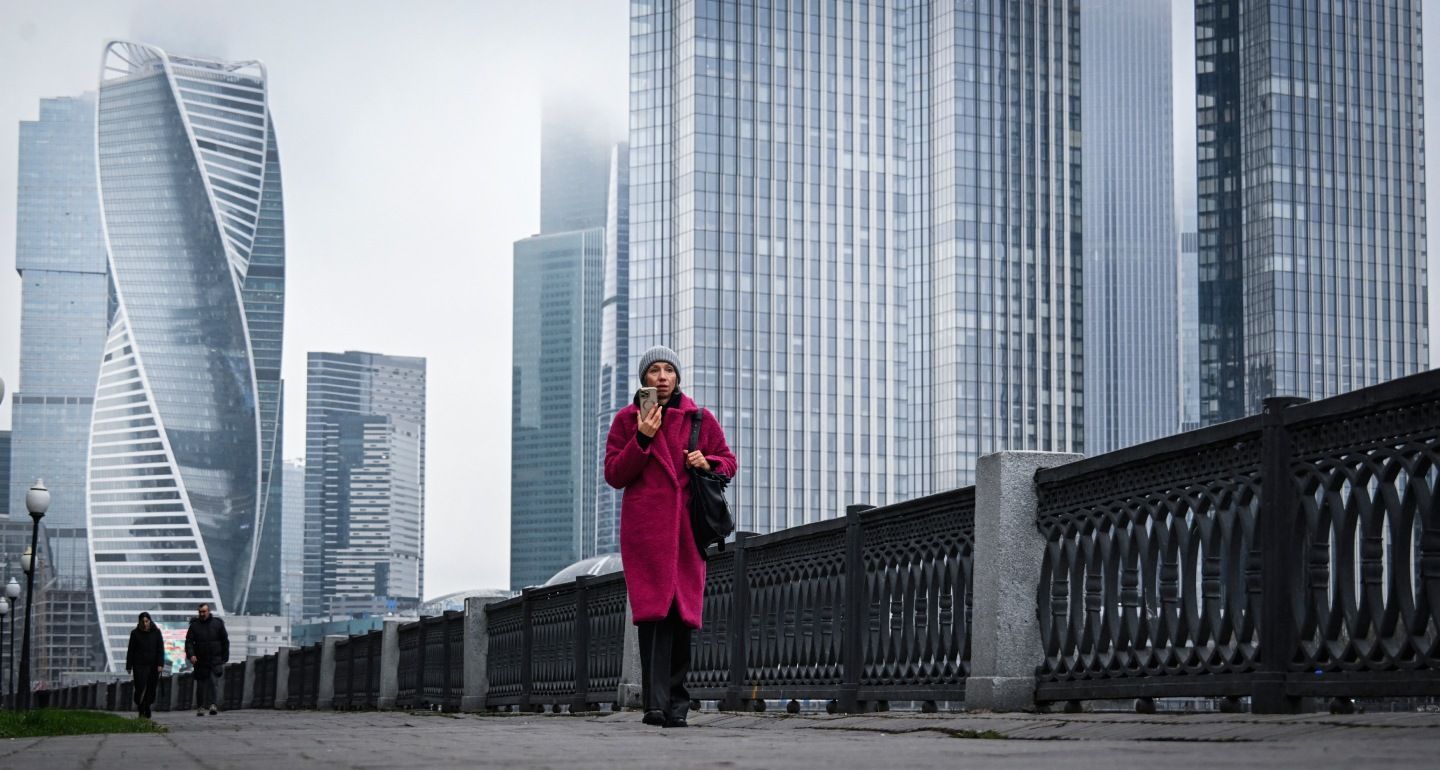
The paradox of the European Commission’s decision is that the main victims will not be those it formally targets. Major Russian businesses associated with the Putin regime have long adapted to sanctions with the help of complex schemes involving third countries, offshore companies, and nonpublic entities.
Alexandra Prokopenko
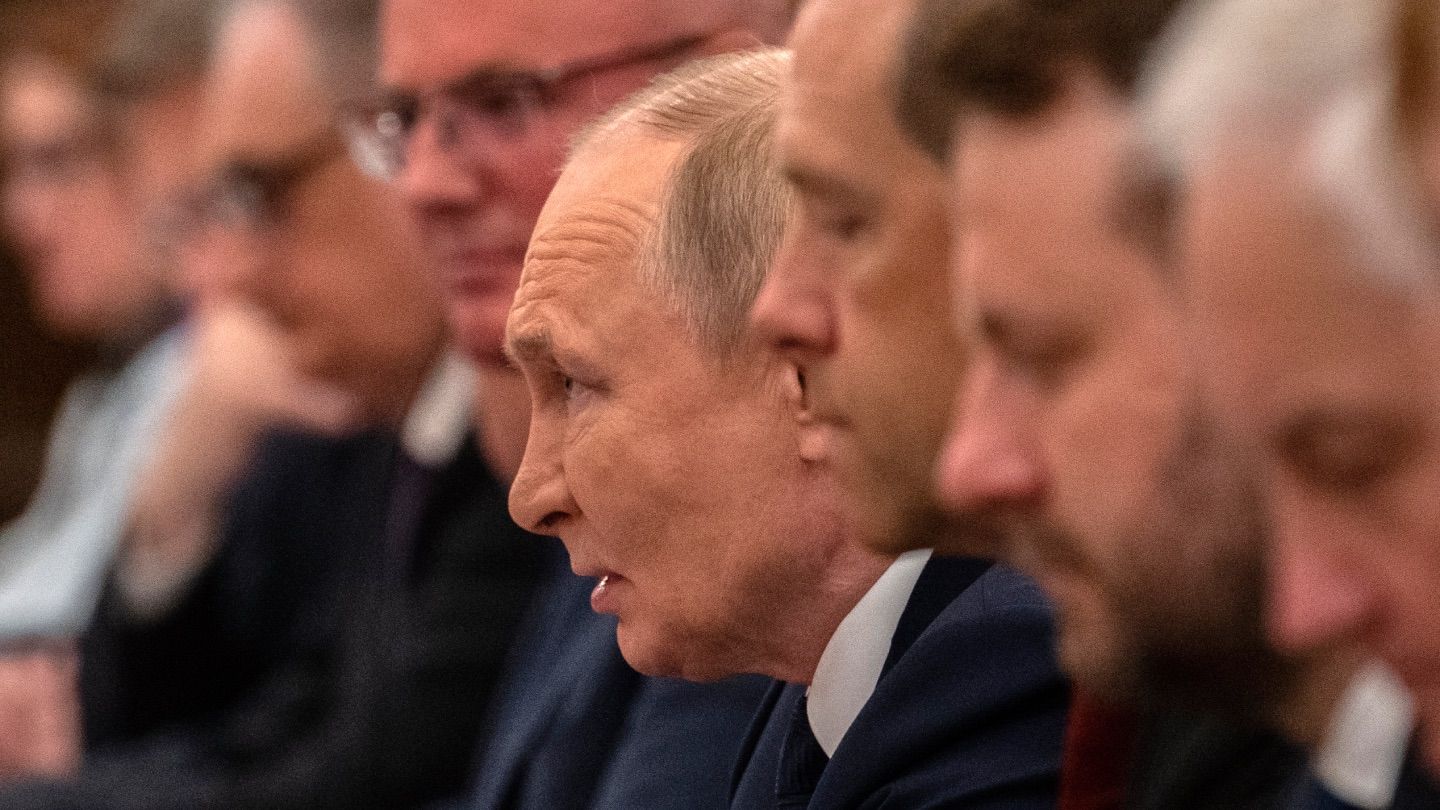
A new book by Alexandra Prokopenko looks at why the Russian ruling class became the regime’s willing servants—and how they might fare in a post-Putin world.
Vladislav Gorin
The volume of frozen private assets might seem insignificant compared with Russia’s sovereign reserves, but these are the savings of millions of people who believed that foreign securities were a safe investment and in the institution of private property.
Yulia Starostina