

Commentary
Sarah Chayes
{
  "authors": [
    "Sarah Chayes"
  ],
  "type": "legacyinthemedia",
  "centerAffiliationAll": "dc",
  "centers": [
    "Carnegie Endowment for International Peace"
  ],
  "collections": [
    "Democracy and Governance",
    "Anti-Corruption"
  ],
  "englishNewsletterAll": "democracy",
  "nonEnglishNewsletterAll": "",
  "primaryCenter": "Carnegie Endowment for International Peace",
  "programAffiliation": "DCG",
  "programs": [
    "Democracy, Conflict, and Governance"
  ],
  "projects": [],
  "regions": [],
  "topics": [
    "Democracy"
  ]
}
Source: Getty
Fighting religious extremism and ethnic rivalries requires addressing corruption.
Source: ABC Australia
Speaking on ABC Australia, Carnegie’s Sarah Chayes warned that terrorism and conflict is increasing globally and corruption is the connecting link. It fuels religious extremism and ethnic rivalries, she said. She concluded that to deprive these movements of oxygen, the international community must address corruption among political and economic elites.
Former Senior Fellow, Democracy, Conflict, and Governance Program
Sarah Chayes is internationally recognized for her innovative thinking on corruption and its implications. Her work explores how severe corruption can help prompt such crises as terrorism, revolutions and their violent aftermaths, and environmental degradation.
Recent Work
Sarah Chayes
Carnegie does not take institutional positions on public policy issues; the views represented herein are those of the author(s) and do not necessarily reflect the views of Carnegie, its staff, or its trustees.
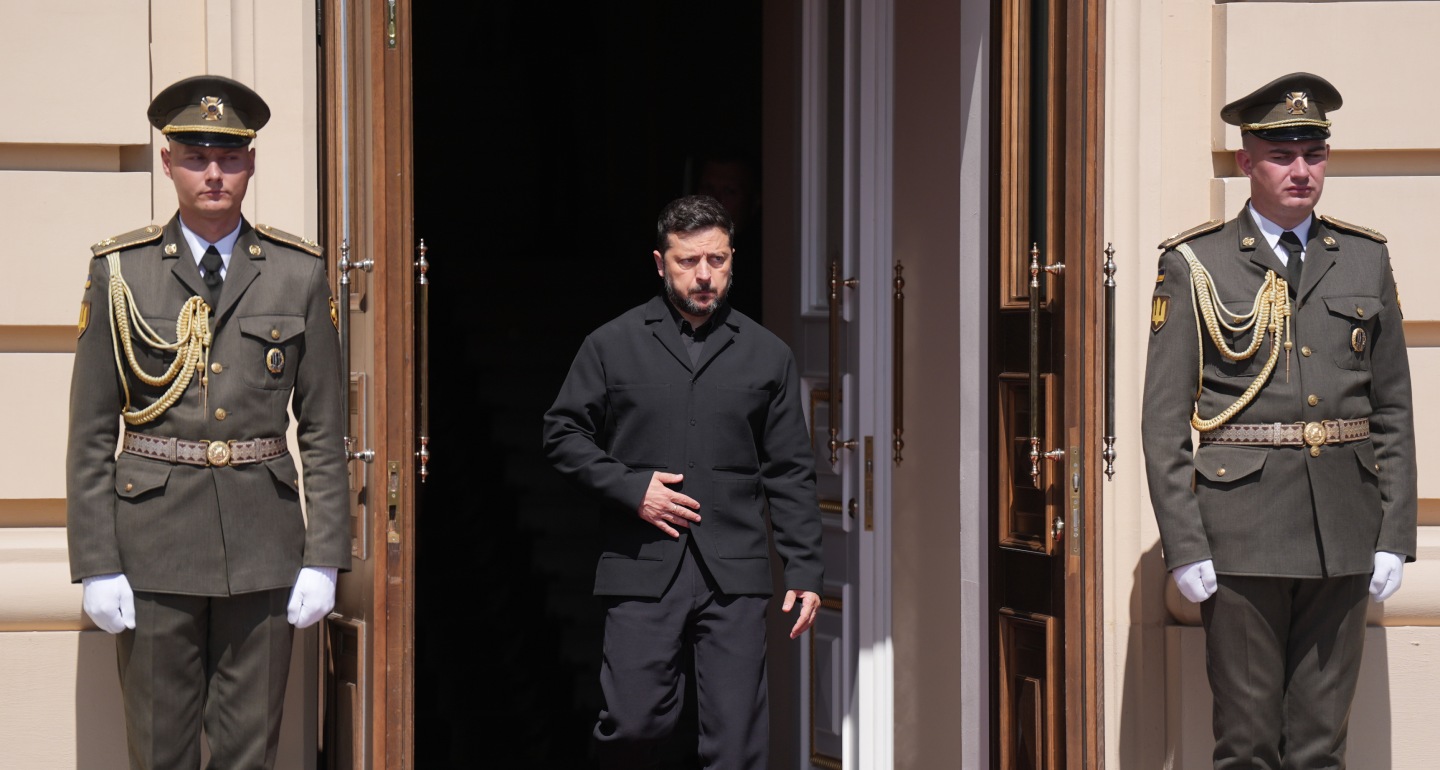
Ultimately, Zelensky sided neither with the reform camp nor with the military establishment as such, but with political control.

Balázs Jarábik
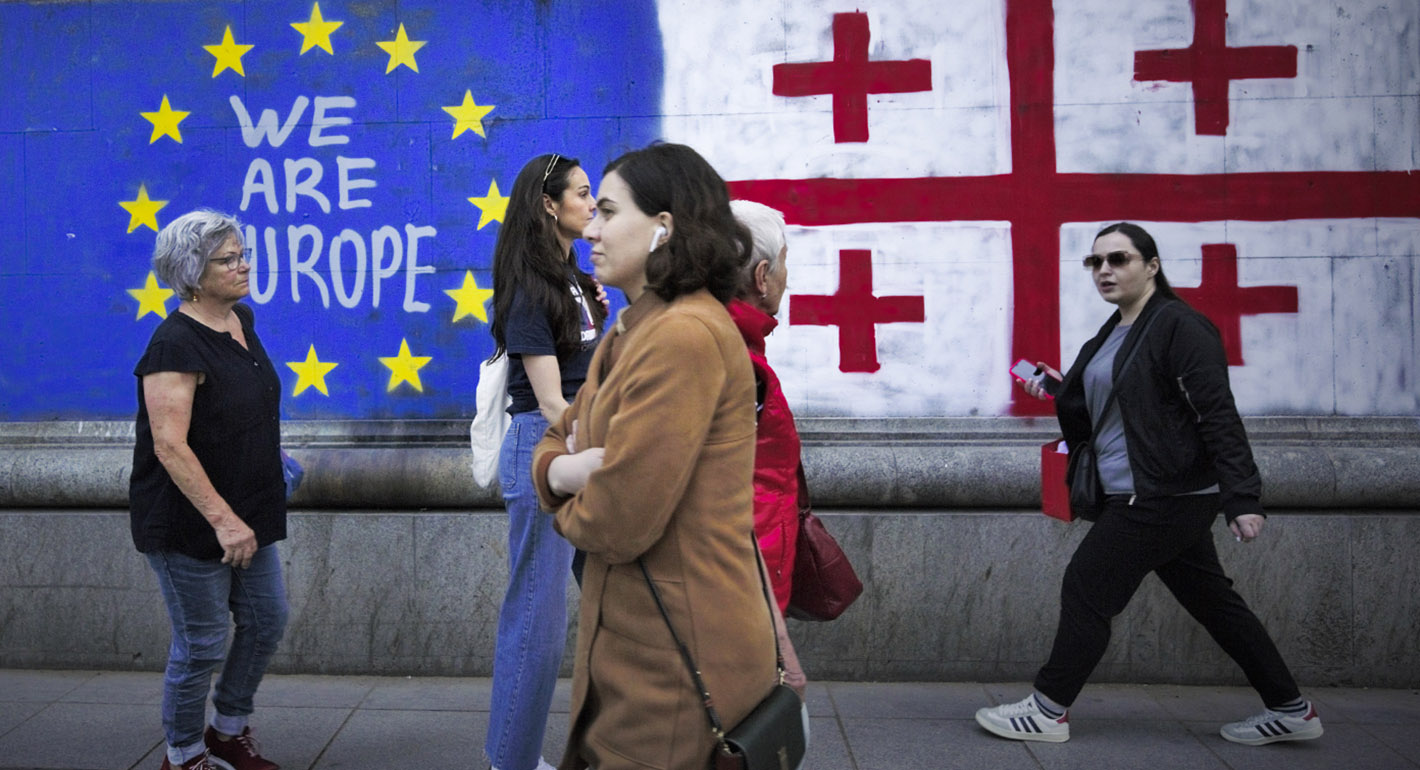
By adopting the law on foreign agents, the ruling Georgian Dream party is inviting Russia and the West to compete for Tbilisi’s favor.
Vladimir Solovyov
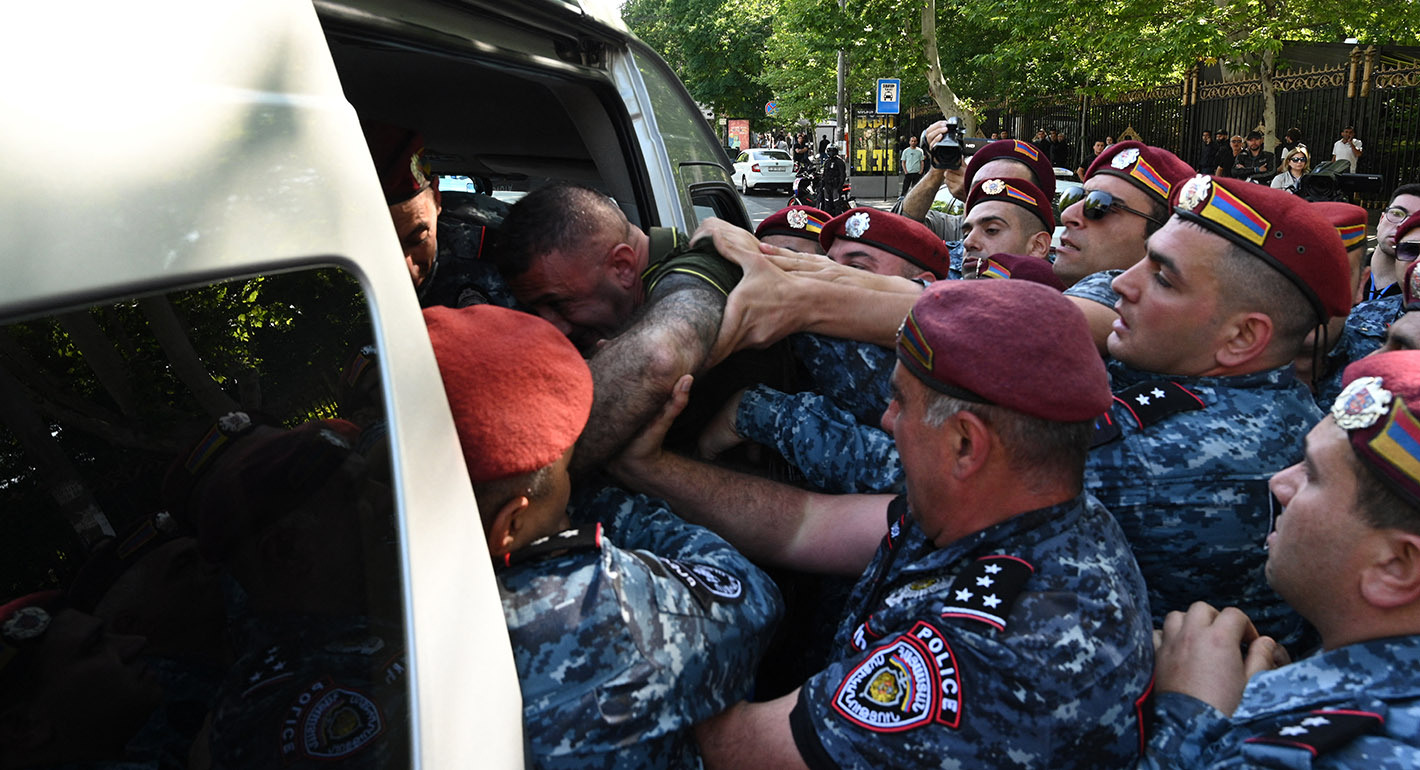
Armenia’s Nikol Pashinyan is known as a political survivor, but the current unrest—led by a clergyman—is his biggest domestic political challenge yet.
Alexander Atasuntsev
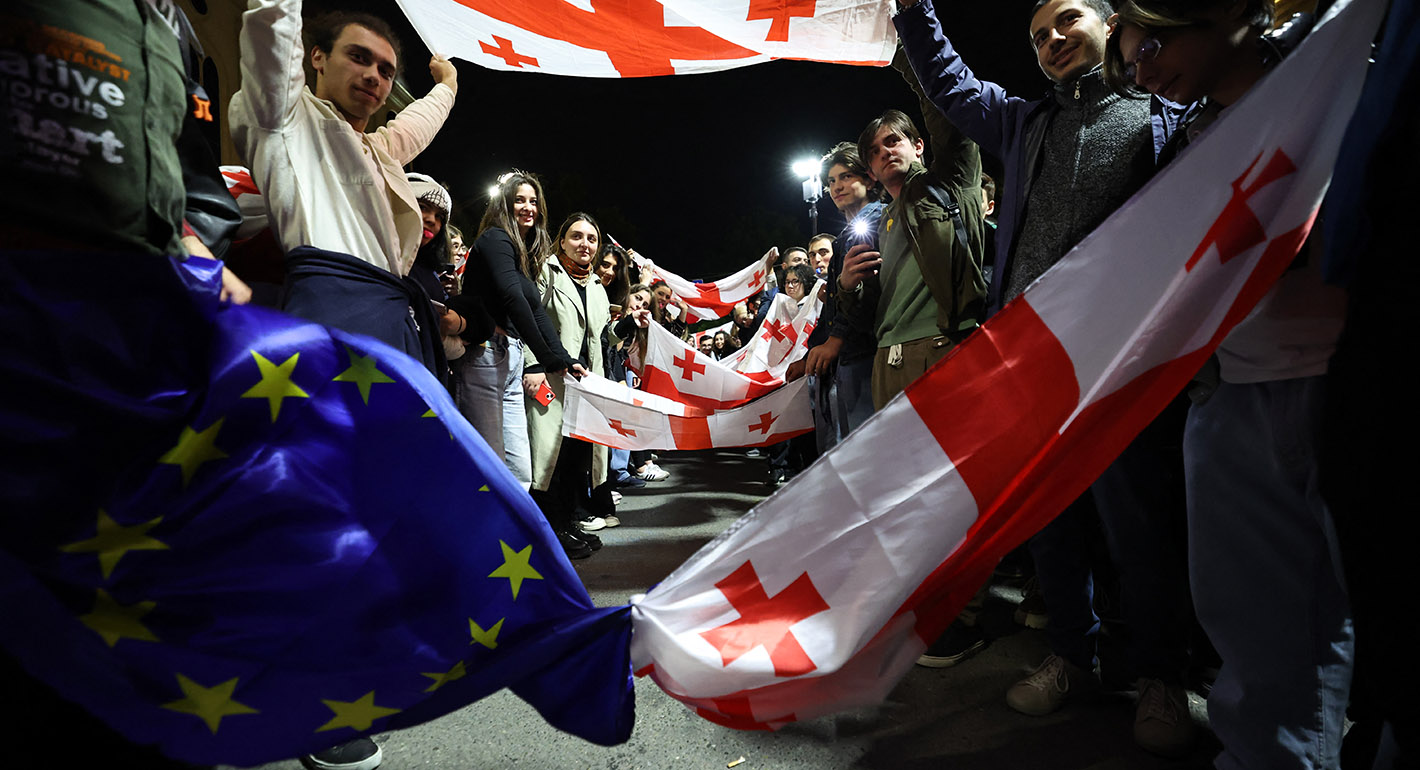
Passage of the controversial bill may drive a wedge between Tbilisi and Brussels and pave the way for a rapprochement with Russia.
Emil Avdaliani
Georgian Dream, which until recently looked certain to win another victory in this year’s elections, now risks repeating last year’s mistake—only this time, the stakes are higher.
Alexander Atasuntsev