

Commentary
Putin’s conservative staffing policies and search for ever greater control have cemented parliament’s transformation into a bureaucratic appendage of the executive branch.
Andrey Pertsev
{
  "authors": [
    "Rachel Kleinfeld",
    "Stephen J. J. Hadley"
  ],
  "type": "other",
  "centerAffiliationAll": "dc",
  "centers": [
    "Carnegie Endowment for International Peace"
  ],
  "collections": [
    "Violence and Conflict"
  ],
  "englishNewsletterAll": "democracy",
  "nonEnglishNewsletterAll": "",
  "primaryCenter": "Carnegie Endowment for International Peace",
  "programAffiliation": "DCG",
  "programs": [
    "Democracy, Conflict, and Governance"
  ],
  "projects": [],
  "regions": [
    "North America",
    "United States",
    "South America",
    "Middle East",
    "North Africa",
    "Eastern Europe"
  ],
  "topics": [
    "Political Reform",
    "Security",
    "Foreign Policy"
  ]
}
Source: Getty
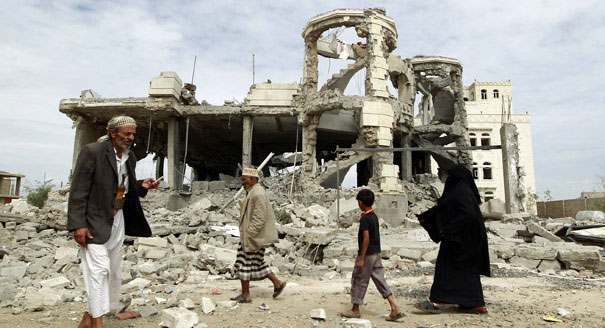
The United States has tended to focus on rebuilding state structures through outside assistance. But in the absence of an inclusive state-society compact, post-conflict states are extremely likely to return to conflict.
Source: Fragility Study Group Policy Brief
Since the end of the Cold War, every President has been forced – sometimes proactively, sometimes reluctantly – to conduct war in a fragile state. Each time, the U.S. has tried a different strategy in an attempt to learn from past mistakes. Yet regardless of the particulars—composition of forces, leadership, and international engagement—in each case the states remained fragile or failed and required ongoing international intervention for years to come. After a quarter century, it appears to many that, in the fragile states where the U.S. has committed the most money, blood, and effort, there are no solutions.
Why are these countries not able to rebuild, as Germany and Japan were able to after World War II? Why have none of our largest interventions in the post-Cold War era seemed to work?
In fact, as James Dobbins and Laurel Miller of RAND have found, international post-conflict efforts have been on the whole far more successful than is generally acknowledged.1 But recent high-profile U.S. failures have been particularly costly to the idea of U.S. leadership and effectiveness.2 The reality is that the U.S. has tended to focus on rebuilding state structures through outside assistance. But in the absence of an inclusive state-society compact, post-conflict states are extremely likely to return to conflict.3 It’s time to shift our focus from outside state-building to helping societies rebuild themselves from the inside.

Senior Fellow, Democracy, Conflict, and Governance Program
Rachel Kleinfeld is a senior fellow in Carnegie’s Democracy, Conflict, and Governance Program, where she focuses on issues of rule of law, security, and governance in democracies experiencing polarization, violence, and other governance problems.
Stephen J. J. Hadley
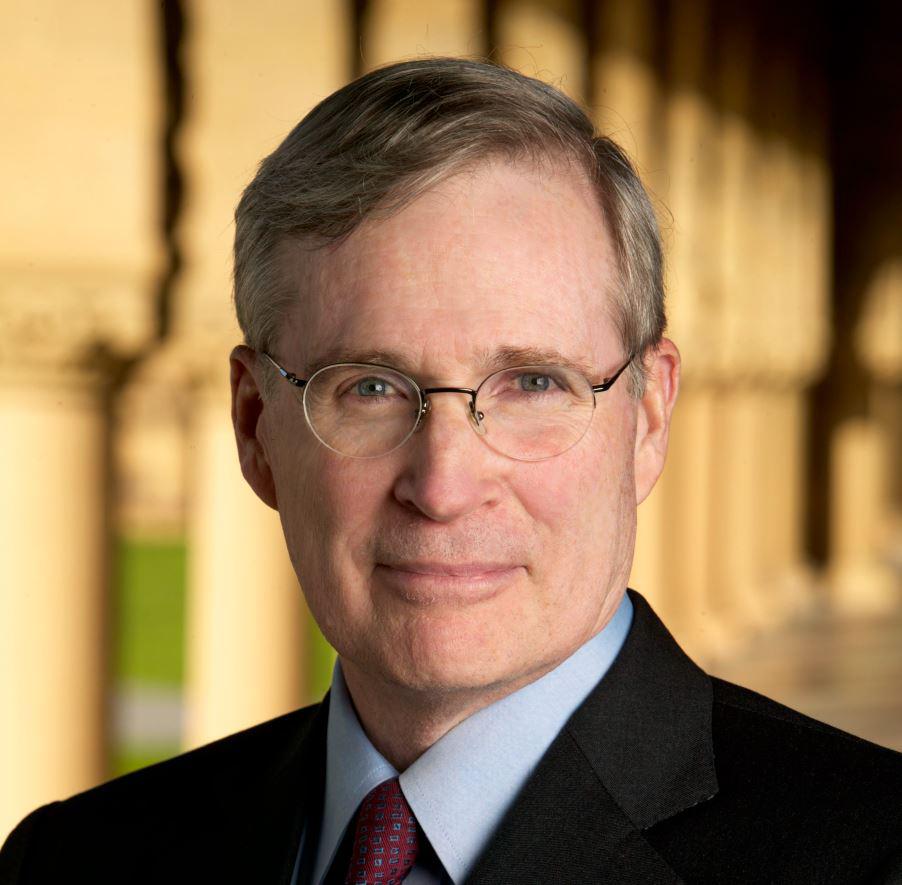
is a principal of Rice, Hadley, Gates & Manuel LLC, an international strategic consulting firm founded with Condoleezza Rice, Robert Gates, and Anja Manuel. Mr. Hadley served for four years as the Assistant to the President for National Security Affairs from 2005 to 2009. From 2001 to 2005, Mr. Hadley was the Assistant to the President and Deputy National Security Advisor, serving under then National Security Advisor Condoleezza Rice.
Carnegie does not take institutional positions on public policy issues; the views represented herein are those of the author(s) and do not necessarily reflect the views of Carnegie, its staff, or its trustees.

Putin’s conservative staffing policies and search for ever greater control have cemented parliament’s transformation into a bureaucratic appendage of the executive branch.

Andrey Pertsev

Russia’s AI-driven propaganda campaigns operate in a fragmented, chaotic, and often illogical manner. That’s not necessarily a problem for the Kremlin, though: It’s much easier to mimic genuine public debate that way.

Ilya Klishin

Without a ceasefire with Ukraine on attacking each other’s energy infrastructure—to which the Kremlin is unlikely to agree—the diesel agreement between Putin and Trump is largely for show, rather than representing a genuine increase in the volumes of Russian diesel on the global market.

Sergey Vakulenko

Russian strikes are weakening the economy sustaining Ukraine’s war effort. Closing the growing funding gap will require more European support and politically contentious reforms in Kyiv.

Balázs Jarábik

Ex-president Gurbanguly Berdimuhamedov remains interested in politics, but his son Serdar, Turkmenistan’s current president, is becoming increasingly independent and willing to break with his father’s legacy. If their covert rivalry goes too far, both risk losing power.

Galiya Ibragimova