

Article
Garima Mohan
{
  "authors": [
    "Garima Mohan"
  ],
  "type": "other",
  "centerAffiliationAll": "",
  "centers": [
    "Carnegie Endowment for International Peace",
    "Carnegie India"
  ],
  "collections": [],
  "englishNewsletterAll": "",
  "nonEnglishNewsletterAll": "",
  "primaryCenter": "Carnegie India",
  "programAffiliation": "",
  "programs": [],
  "projects": [],
  "regions": [
    "Asia",
    "India"
  ],
  "topics": [
    "Foreign Policy"
  ]
}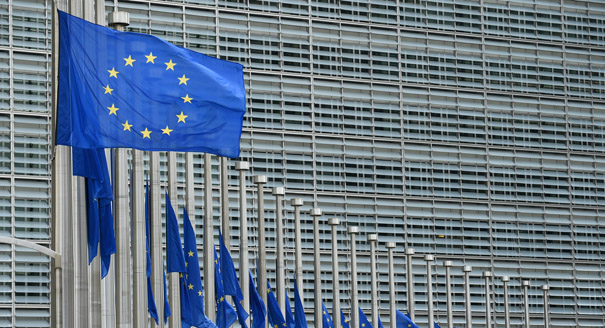
Source: Getty
Beijing-led multilateral arrangements have economic and geopolitical implications for Europe and India alike: they threaten Europe’s centrality in the Eurasian neighborhood and markets, and could posit China as the primary actor in India’s near neighborhood.
Source: Global Public Policy Institute
Promoting a rules-based, multilateral global order is a central goal of the EU global strategy on foreign and security policy, 2016. However, with the global shift of power towards Asia, the established multilateral system and international organizations are under increasing pressure. China is at the center of this challenge. Beijing-led multilateral arrangements have economic and geopolitical implications for Europe and India alike: they threaten Europe’s centrality in the Eurasian neighborhood and markets, and could posit China as the primary actor in India’s near neighborhood. And yet neither partner has found an effective approach to deal with these challenges. Looking closely at regional connectivity projects including the Belt and Road initiative (OBOR), this policy brief argues that they present similar opportunities and challenges for the EU and India alike. By building on these convergences, the two can revive their flagging strategic partnership and gain greater influence in shaping the regional order in Asia.
Former Nonresident Fellow, Carnegie India
Garima Mohan was a nonresident fellow at Carnegie India. Her research focuses on the foreign and security policies of rising powers, particularly that of India, and on Europe-India relations.
Recent Work
Garima Mohan
Carnegie does not take institutional positions on public policy issues; the views represented herein are those of the author(s) and do not necessarily reflect the views of Carnegie, its staff, or its trustees.

Despite unhappiness on the ground, Moscow is determined to use both carrot and stick to ensure there is record support for United Russia in occupied Ukraine.

Konstantin Skorkin
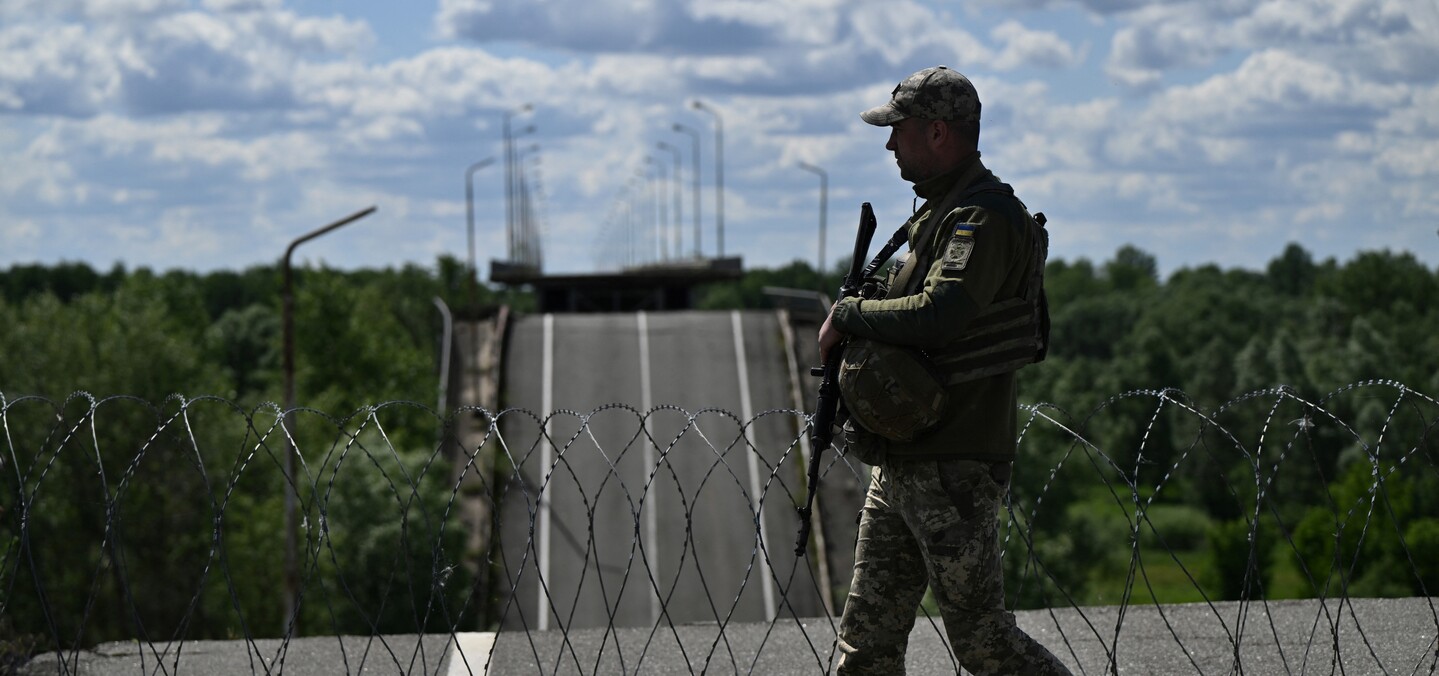
The recent damage inflicted by Ukrainian drones and missiles on Russia has made Belarus aware of its own vulnerabilities—and surprisingly amenable to Kyiv’s demands.

Artyom Shraibman
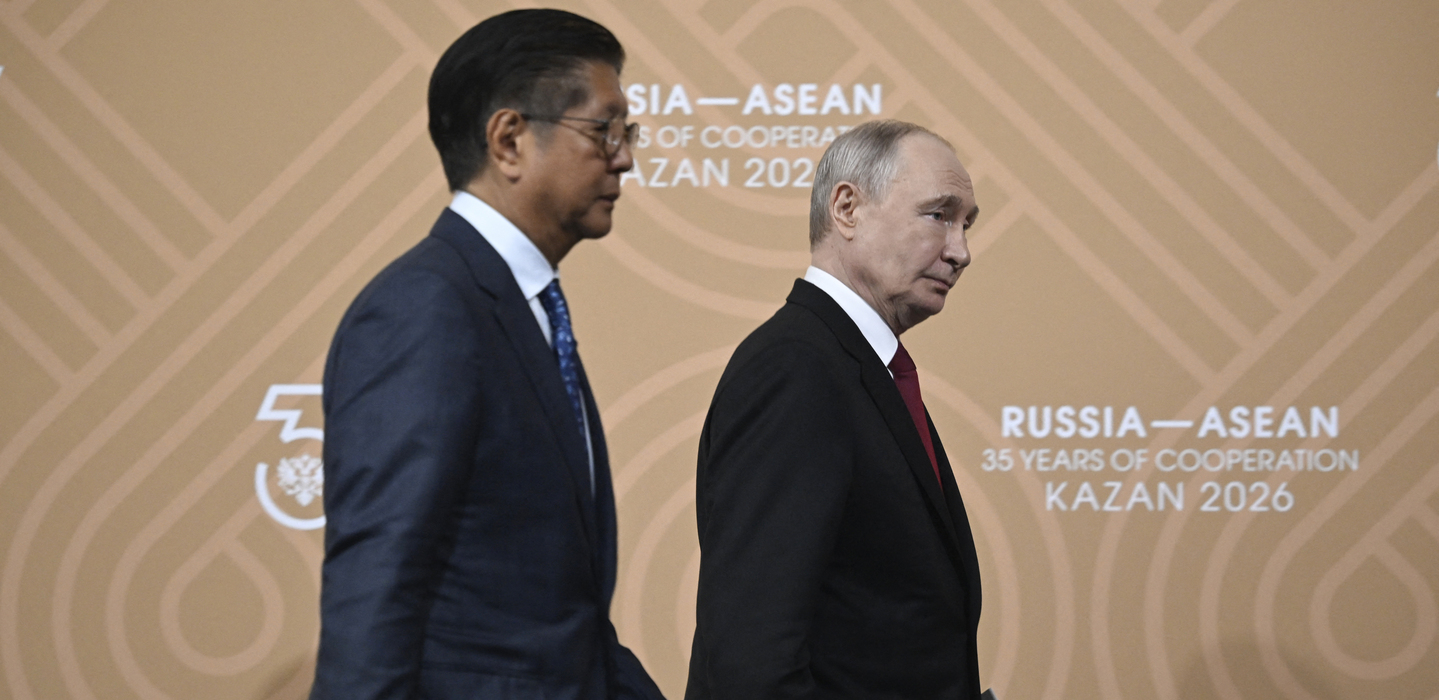
Russia looks set to reap economic benefits from closer ties with Southeast Asian countries that are keen to find reliable energy suppliers and diversify trade ties.

Alexander Gabuev
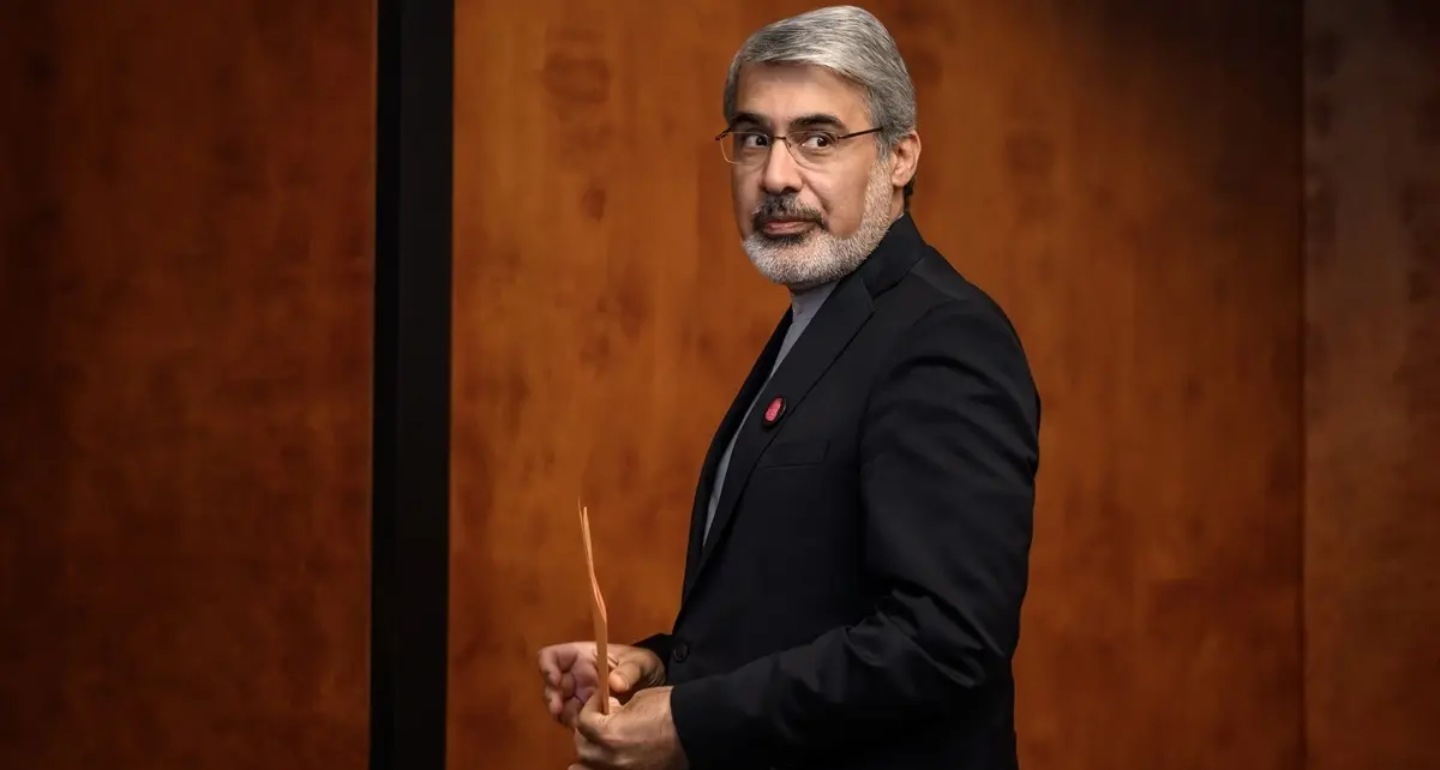
Ongoing uncertainty in the Middle East allows Moscow to both increase its influence in Tehran and continue to enjoy the financial windfall of higher oil prices.

Nikita Smagin
This year’s wars have made alternative routes to transit through Russia no less risky for Central Asian countries.

Galiya Ibragimova