

In The Media
Petr Topychkanov
{
  "authors": [
    "Petr Topychkanov"
  ],
  "type": "legacyinthemedia",
  "centerAffiliationAll": "",
  "centers": [
    "Carnegie Endowment for International Peace",
    "Carnegie Russia Eurasia Center"
  ],
  "collections": [],
  "englishNewsletterAll": "",
  "nonEnglishNewsletterAll": "",
  "primaryCenter": "Carnegie Russia Eurasia Center",
  "programAffiliation": "",
  "programs": [],
  "projects": [],
  "regions": [
    "North America",
    "United States",
    "South Asia",
    "India",
    "Russia"
  ],
  "topics": [
    "Foreign Policy"
  ]
}
Source: Getty
Speculations about the U.S. policy in South Asia may be right or wrong. But at least one thing is clear. In his policy toward South Asia, Trump will follow his understanding of pragmatic and realistic interests of the United States, and not seek how to please leaders of South Asian countries and beyond, including Russia.
Source: Russia & India Report
First, Donald Trump was contradictory to himself in the course of the campaign. Now he needs to clarify which of his words was a reflection of an emerging foreign and security policy of the new administration, and which were his personal views, that will not necessarily become a part of the policy.
Second, there is no clarity about key figures in his administration, who will lead foreign and security policy. The announced pick-ups for the posts in charge of foreign and security policy are known for their previous statements but mostly unknown for their ability to produce foreign and security policy of the United States.
This is relevant for the foreign and security policy of the United States generally and regional issues particularly. The policy towards the South Asian region will not be an exception. Neither president-elect Trump nor his pick-ups have deep understanding of this region and strategy here. It will come to them with their real involvement in South Asian affairs.
The negative attitude towards Trump among some top-level bureaucrats could lead to departures of those civil servants, who have understanding of South Asia. If that happens, the transfer of power from the (Barack) Obama administration to the new one will not necessarily mean the transfer of knowledge.
These uncertainties about Trump and his team can allow only humble speculations about what will likely happen in the South Asian policy of the United States over the next several years. The new period of the U.S.-Indian relations may bring both good and bad news to Russia.
Good news is related to Trump’s critical attitude towards alliances and U.S. commitments to allies. If this attitude is a part of a new foreign and security policy of the White House, fears of a probable political and military alliance between Washington and Delhi will become absolutely groundless.
Yet the fears would be mainly groundless even without Trump. Those Russian officials and journalists who believe in an U.S.-Indian alliance in the future cannot understand how powerful the non-alignment legacy is among the Indian elite. There are many supporters of non-alignment in various political camps in India. It professes to be a part of Indian nationalism.
Bad news of the Trump policy in South Asia could be limitation of the military and financial support for Afghanistan due to the above-mentioned critical attitude towards U.S. commitments to allies. The new administration could try to stimulate the NATO allies and Kabul to take more responsibilities for security in Afghanistan.
If that happens, it will make the possibility of destabilization there much more probable. In that case, even Moscow’s flirting with the Taliban will not save Russia and Central Asian countries from facing growing threats from Afghan territory.
Good news for Moscow could be discontinuation of the United States’ providing military and financial assistance to Pakistan. The Trump administration could try to put relations with Pakistan on a pragmatic footing. It would alienate a part of the elite in Pakistan and make the rapport between Moscow and Islamabad easier and faster. However, there are doubts in Russian readiness to take long-term and massive commitments in Pakistan, but that is another story.
Trump’s same pragmatic approach towards India could bring bad news to Moscow. The White House could be much more flexible than previous administrations in providing to India peaceful nuclear technologies and strategic military technologies.
In that case, Russia would face growing competition from the United States in the peaceful nuclear and strategic military domains, where there was zero competition for Russia until now. However, to push this business in India, the Trump administration will have to consolidate legislators’ support and overcome numerous bureaucratic obstacles. That won’t be an easy task.
Speculations about the U.S. policy in South Asia may be right or wrong. But at least one thing is clear. In his policy toward South Asia, Trump will follow his understanding of pragmatic and realistic interests of the United States, and not seek how to please leaders of South Asian countries and beyond, including Russia.
This article originally appeared in the Russia & India Report.
Former Fellow, Nonproliferation Program, Moscow Center
Topychkanov was a fellow in the Carnegie Moscow Center’s Nonproliferation Program.
Recent Work
Petr Topychkanov
Petr Topychkanov
Carnegie does not take institutional positions on public policy issues; the views represented herein are those of the author(s) and do not necessarily reflect the views of Carnegie, its staff, or its trustees.
Ongoing uncertainty in the Middle East allows Moscow to both increase its influence in Tehran and continue to enjoy the financial windfall of higher oil prices.

Nikita Smagin
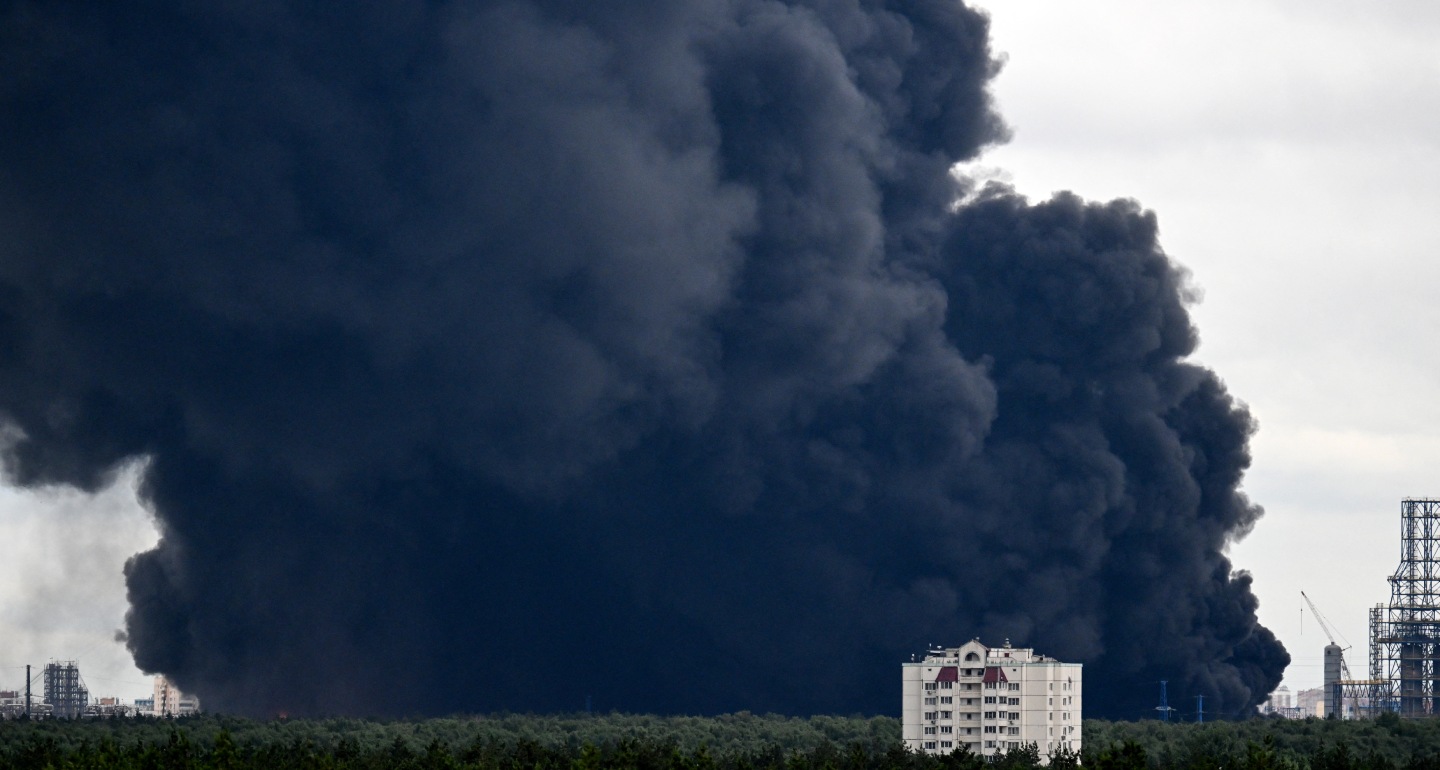
If it proves impossible for the Russian authorities to avoid a gasoline deficit, the question then becomes how they will organize the distribution of a scarce resource.

Sergey Vakulenko

This year’s wars have made alternative routes to transit through Russia no less risky for Central Asian countries.

Galiya Ibragimova
Reestablishing a dialogue with Moscow is not a goal in its own right. The goal is to guarantee the independence of Ukraine and the peace and security of Europe.
Arkady Moshes
The ruling elites in contemporary Russia are not a political class, but a community of managers who are not subject to competition or public accountability. The state is becoming an operating apparatus without any internal autonomy.

Alexandra Prokopenko