

Commentary
Andrei Kolesnikov
{
  "authors": [
    "Andrei Kolesnikov"
  ],
  "type": "commentary",
  "centerAffiliationAll": "",
  "centers": [
    "Carnegie Endowment for International Peace",
    "Carnegie Russia Eurasia Center"
  ],
  "collections": [
    "Inside Russia"
  ],
  "englishNewsletterAll": "",
  "nonEnglishNewsletterAll": "",
  "primaryCenter": "Carnegie Endowment for International Peace",
  "programAffiliation": "",
  "programs": [],
  "projects": [],
  "regions": [],
  "topics": []
}
Source: Getty
Russian authorities have nothing else to say because they have lost the ability to communicate either in real or in virtual time, and they have never learned the language of today’s reality. In this reality, not all dissent is political; some of it is a moral stance against dishonesty.
It was the German sociologist, philosopher, and pragmatist Jurgen Habermas who coined the terms “communicative action,” “communicative rationality,” and “communicative intelligence.” The Russian regime appears to have turned his theory on its head: in recent times, it has lost its ability to communicate, to provide feedback, or even to adequately convey the messages it sends out.
These flaws of communication first appeared during civil unrest back in 2011–2012. The authorities at first failed to react to the demands of the most progressive part of society. But having received, as they saw it, the mandate to govern from the silent majority, they started passing new punitive laws and filing criminal charges against dissenters.
Again on March 26, 2017, there was a communication failure: this time the regime misread the signs coming from streets and squares around the country. Russia’s leaders simply refuse to recognize what they can see, or pretend not to understand, if they sense that there is something in the air.
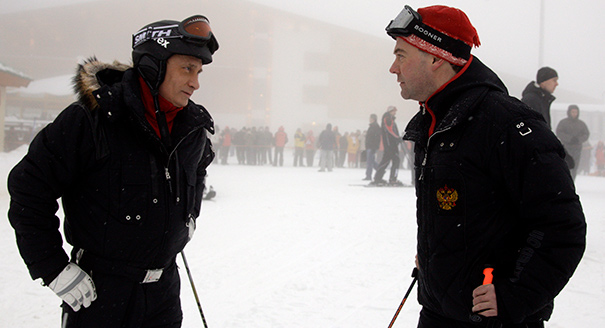
“Had a nice time skiing,” Prime Minister Dmitry Medvedev tweeted on the day of the largest protests in Russia’s recent history. It was similar to another remark he made: “There’s no money, but hang in there,’’ a statement that essentially summed up the government’s reaction to society’s problems, questions, and demands.
Apparently, the “galley slaves,” as Putin once referred to himself, are having a nice time skiing. Well, that’s not a bad way to while away one’s time in an era of high oil prices and economic growth. Ten years ago, when there were enough crumbs from Russia’s “oil pie” to go around, no one cared about sailing expeditions and ski trips.
But now, when people are told to “pay their taxes or face a policeman’s truncheon,” the deaf-and-dumb game the government is playing has begun to irk even high school and college students—especially if they are asked to read out a “list of traitors” during lectures at the Moscow Conservatory, of all places. Perhaps they should fix something at the Conservatory, as the Russian satirist Mikhail Zhvanetsky once suggested. And quite literally fix it, this time.
Now the leadership is looking for things to say in the aftermath of March 26. The speaker of parliament, Vyacheslav Volodin, has alluded to pickets in Europe. Foreign Minister Sergei Lavrov has reminded us about double standards, while Putin’s press secretary, Dmitry Peskov, has brought up the issue of the money the protesters allegedly received.
They have nothing else to say because they have lost the ability to communicate either in real or in virtual time, and they have never learned the language of today’s reality. In this reality, not all dissent is political; some of it is a moral stance against dishonesty. The dialect of intimidation the regime used during the Bolotnaya Square protests of 2011–2013 is effective, but it doesn’t make the moral stance go away. The pent-up discontent of protesters just breaks through when the time is ripe.
Everything that is discussed in the urban cafes that have replaced Soviet-era kitchens as places for debate, all the questions that sprang up in young people’s heads as they were growing up, have suddenly translated into a symbolic dialect: sports shoes (a new symbol of corruption allegations against Medvedev) and the streets.
The language used around election times is largely a dialect of lies. The language of the state-sponsored media comes across as aggressive noise that blocks out both rational statements and childish questions alike. All that remains is the symbolic dialect that opposition activist Alexei Navalny created for the March 26 protests. Regardless of whether Navalny is good or bad, the vocabulary he uses is crystal clear: what he calls corruption is what corruption really is.
The regime’s inability to speak a normal language stems from years of denying society its right to be a society, and citizens their right to be citizens. This vicious cycle has endured for more than half a century: the dissident movement can trace its roots back to a peaceful demonstration that took place at the very same Pushkin Square, by the very same Pushkin monument, on December 5, 1965.
How did the regime respond back then? Of course, with its usual repressive language: Article 190 on “organization and participation in group acts that violate public order” was added to the Penal Code. Authorities were also using the same language as half a century ago when they announced over a loudspeaker that protesters were “blocking vehicular and pedestrian traffic”: all Soviet dissident cases featured the same charges, including the 1968 case against Red Square protesters.
Couldn’t they come up with anything new in fifty years? It seems not. But one day this regime will collapse, and this won’t happen because it will overload itself with cannons and bombs. It won’t be rock-bottom oil prices, either. People will simply stop understanding the language of the regime, and the regime will completely lose the ability to listen to people.
The ski season will be over for today’s ruling class, and they will be forced to yield to those who took to the streets on March 26. These kids know nothing about the protests of 1965, because subjects like these aren’t covered in their school textbooks. But they are only too aware of the 50 shades of lying and injustice used by the regime today.
Former Senior Fellow, Carnegie Russia Eurasia Center
Kolesnikov was a senior fellow at the Carnegie Russia Eurasia Center.
Recent Work
Andrei Kolesnikov
Andrei Kolesnikov
Carnegie does not take institutional positions on public policy issues; the views represented herein are those of the author(s) and do not necessarily reflect the views of Carnegie, its staff, or its trustees.
Rather than consolidating Russian society, the conflict in Ukraine has exacerbated existing divisions on a diverse array of issues, including support for the regime. Put another way, the impression that Putin now has the full support of the Russian public is simply incorrect.
Denis Volkov, Andrei Kolesnikov
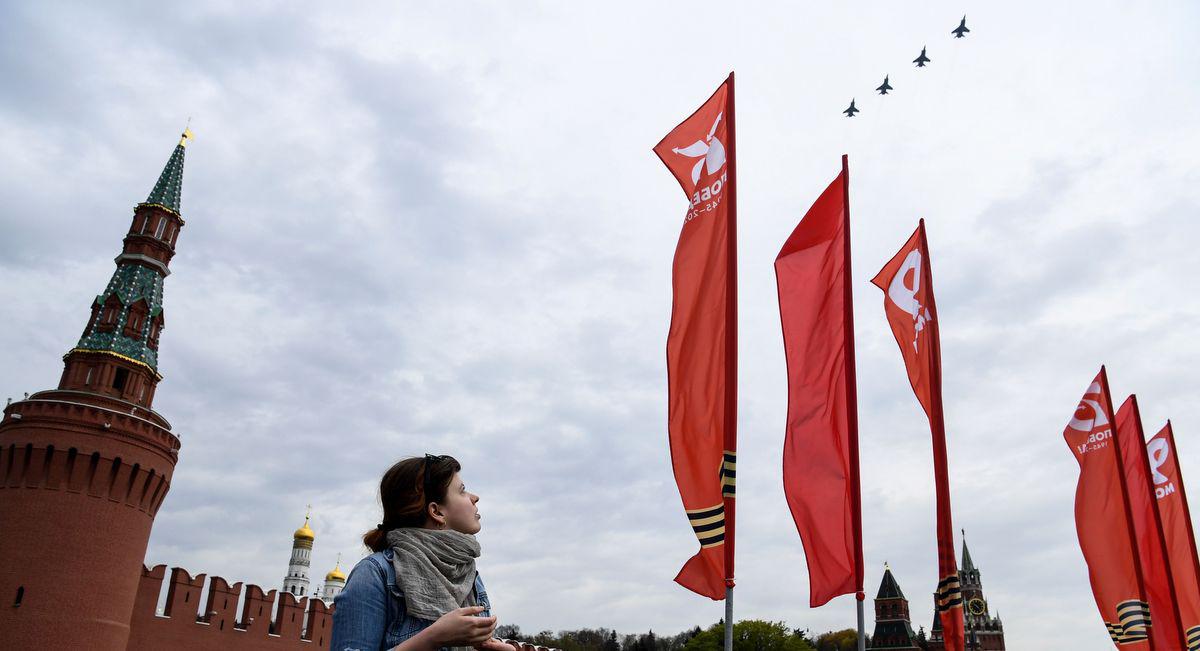
The foundation of the current Kremlin ideology is a defensive narrative: that we have always been attacked and forced to defend ourselves. Another line of defense is history.
Andrei Kolesnikov
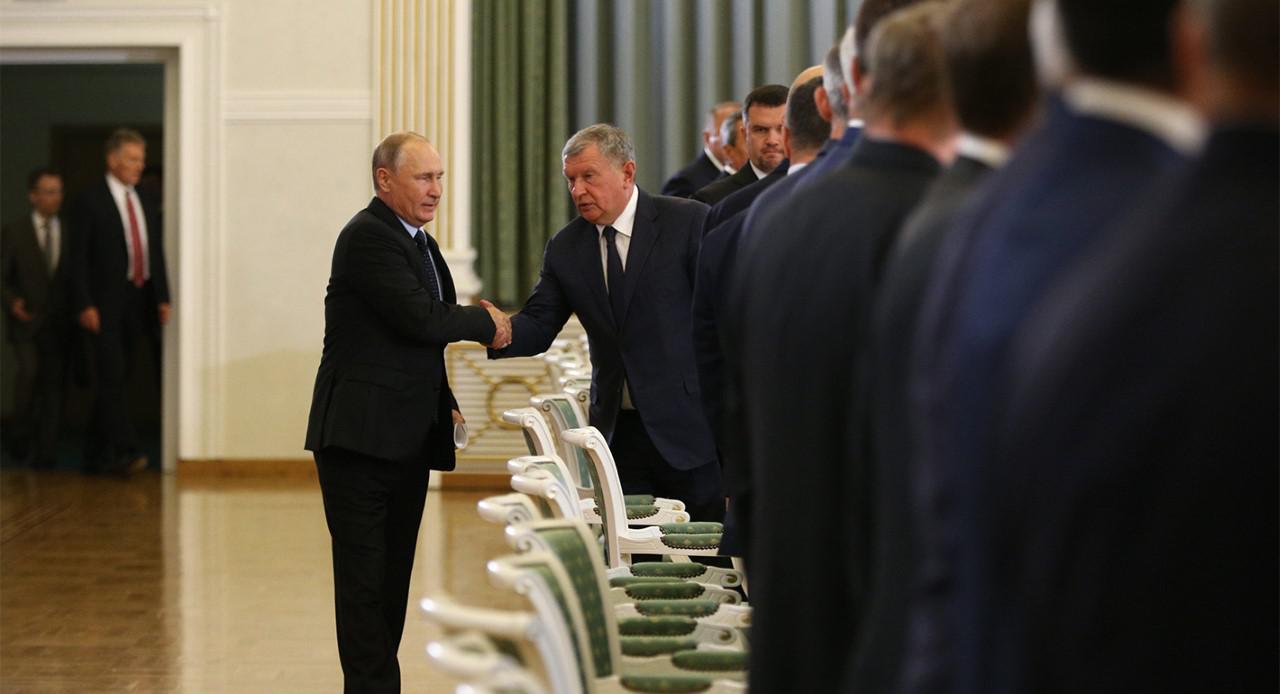
The pandemic has revealed a truth of the Russian government. Vladimir Putin has become increasingly disengaged from routine matters of governing and prefers to delegate most issues.

Tatiana Stanovaya
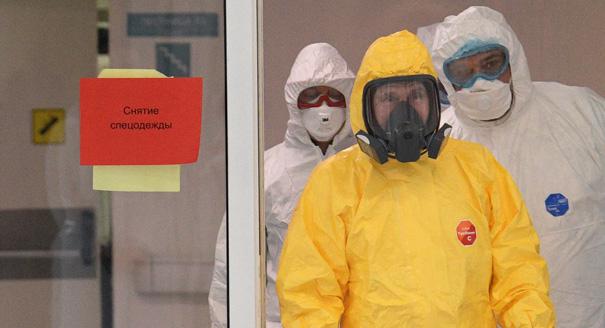
The fight against the new coronavirus in Russia is being led not by politicians oriented on the public mood, but by managers serving their boss. This is why the authorities’ actions appear first insufficient, then excessive; first belated, then premature.
Tatiana Stanovaya
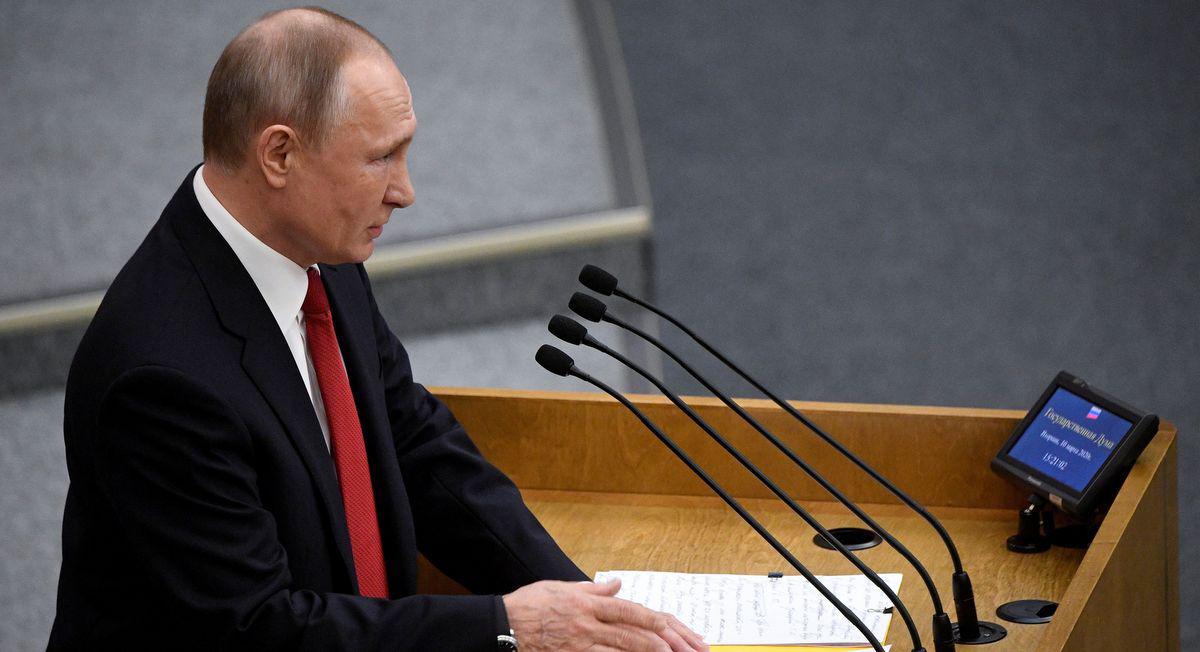
Amid a coronavirus pandemic and looming global economic crisis, Russian President Vladimir Putin has suddenly revealed how he intends to remain in power beyond 2024, when what should be his final term in office ends. In doing so, Putin seems to have bet – not incorrectly – that there is simply no one who can stop him.
Andrei Kolesnikov