

Commentary
Ongoing uncertainty in the Middle East allows Moscow to both increase its influence in Tehran and continue to enjoy the financial windfall of higher oil prices.
Nikita Smagin
{
  "authors": [
    "Jon Wolfsthal",
    "Abraham Denmark"
  ],
  "type": "legacyinthemedia",
  "centerAffiliationAll": "dc",
  "centers": [
    "Carnegie Endowment for International Peace",
    "Carnegie China"
  ],
  "collections": [
    "U.S. Nuclear Policy",
    "Korean Peninsula"
  ],
  "englishNewsletterAll": "ctw",
  "nonEnglishNewsletterAll": "",
  "primaryCenter": "Carnegie Endowment for International Peace",
  "programAffiliation": "NPP",
  "programs": [
    "Nuclear Policy"
  ],
  "projects": [],
  "regions": [
    "United States",
    "East Asia",
    "South Korea",
    "North Korea",
    "North America",
    "China"
  ],
  "topics": [
    "Nuclear Policy",
    "Arms Control"
  ]
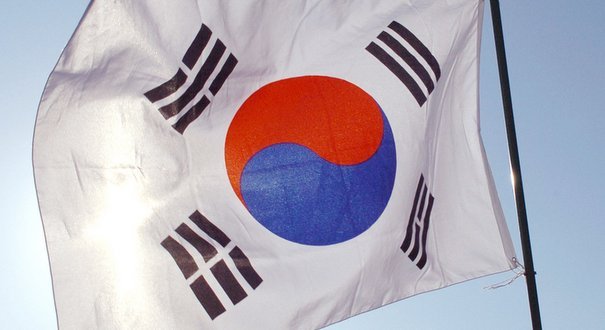
}
Source: Getty
The United States, South Korea, China, and Japan must work together to offer a combination of security and economic incentives to make denuclearization a reasonable alternative for North Korea’s Kim Jong Un.
Source: Foreign Policy
President Donald Trump has identified North Korea as an urgent threat from whom nobody is safe, but efforts to maximize pressure and convince Pyongyang to abandon its nuclear weapons program have always been a long shot. The only chance of ending North Korea’s nuclear obsession is for the United States, South Korea, Japan, and China to collectively put enough pressure on Pyongyang to convince Kim Jong Un that a deal has to be made. Once North Korea comes to the table, all four states then have to be ready to take yes for an answer, offering a combination of security and economic incentives to make denuclearization a reasonable alternative for North Korea’s leader.
A critical part of this plan was getting and keeping China really engaged on the pressure track. Indeed, Trump recently (and prematurely) praised Chinese President Xi Jinping for helping with North Korea, and even declined to speak with Taiwan President Tsai Ing-wen in order to keep China on board. Unfortunately, this play was always built on sand.
For its own security, China is unlikely to ever exert enough pressure on Pyongyang to convince it to give up what it sees as its ultimate insurance policy as doing so risks the collapse of a neighboring state. Indeed, Beijing recently confirmed that it has invited North Korea to an important economic summit, and China’s ambassador to the United States has penned an op-ed stating that China has done all it can to bring North Korea to the table. What’s Chinese for “your move?”
Regardless of China’s actions, the real center of any strategy toward North Korea is, and always has been, close coordination with our allies, especially South Korea. And this task just got a lot harder with the election of South Korea’s new President Moon Jae-in, a man who was elected to clean up the corruption that brought down his predecessor Park Gyun-hae, and revive a slowing economy. Yet a key part of Moon’s platform was to restart a policy of engagement toward North Korea, one built on attempts at reconciliation and joint economic development. Such engagement will immediately conflict with Washington’s growing desire to squeeze and isolate North Korea like never before.
Without an immediate effort to harmonize U.S. and South Korean positions, all hopes of presenting a united front against the North will be lost and the damage to the U.S.-Korean alliance potentially irreparable.
Without a dramatic effort to change course, U.S.-South Korean relations are in for a rocky patch and recent actions by Trump have only added to the turbulence. Suggesting as he did that South Korea will have to pay the United States for the Theater High Altitude Area Defense (THAAD) missile defense system and threatening to withdraw from the bilateral free trade agreement put Trump’s relationship with Moon on a bad footing. Their initial phone call seems to have gone well, but serious efforts will be needed to keep the overall relationship on track. Trump’s invitation for Moon to come to Washington for consultations on a combined alliance strategy on North Korea is a good first step. With China, the Trump administration has demonstrated an ability to identify common interests and develop an ambitious bilateral agenda to achieve shared goals. If we can do this with China — a nondemocratic potential adversary — we must surely be able to do more with a critical ally on the most pressing national security challenge to the United States.
The agenda of these consultations would be rather straight forward — identify common goals, come to agreement on a strategy to get North Korea to the negotiating table, and lay out a shared negotiating plan that ensures one country does not get out ahead of another. Without a common strategy, North Korea and China will easily drive a wedge between the two allies and weaken any attempt to peacefully resolve the North Korea nuclear issue. Such a result could dramatically harm a key alliance at a critical juncture. Aside from advancing its nuclear program, dividing the U.S.-South Korean alliance has been and remains a major priority for Pyongyang.
Additionally, Presidents Trump and Moon should agree on steps to enhance reassurance of South Korea. An intensified North Korean threat naturally raises fears in South Korea of America’s will and ability to come to its defense, and Seoul and Washington should jointly agree on measures designed to sustain confidence in American commitments. This could include enhanced but temporary, reversible deployments of conventional U.S. military capabilities, as well as efforts to enhance South Korea’s self-defense capabilities. Visible joint military exercises with the United States (and potentially with Japan), along with routine high-level political and military visits to Seoul are all in order.
One critical issue to discuss would be strategies to offer aid to North Korea. Moon supports engagement, but this strategy could directly undermine U.S. efforts to maximize pressure on Pyongyang. Yet there is a way forward on this issue: Washington and Seoul share the goal of denuclearization, and aid from South Korea can be used in a negotiation as an inducement for Pyongyang’s progress. The key for the Trump administration will be to ensure that Moon only offers aid in the context of the agreed-to alliance negotiation strategy. Aside from humanitarian aid, North Korea should not get something for nothing.
A final issue to discuss with Moon will be continuing progress on enhancing trilateral security cooperation with Japan. The three countries share significant concerns about the North Korean threat, and had made tremendous progress in enhancing security cooperation under the leadership of Presidents Obama and Park and Prime Minister Moon. Sustaining progress on this area will greatly contribute to the security of all involved, and such coordination also makes it clear to China that — even if they don’t care enough about North Korea’s nuclear weapons to take on some risk — the consequences of inaction, including enhanced U.S. military capabilities in the region, should motivate them to do more.
Putting real pressure on North Korea, as with so many other steps needed to protect American and allied security, requires managing alliances and coordinating policy decisions among multiple countries with various competing priorities and political considerations. This has always been required of American leaders and is essential now if the Trump administration is to succeed on North Korea where others have not.

Former Nonresident Scholar, Nuclear Policy Program
Jon Wolfsthal was a nonresident scholar with the Nuclear Policy Program.
Abraham Denmark
Abraham Denmark is director of the Asia Program at the Woodrow Wilson International Center for Scholars. He also holds a joint appointment as a Senior Fellow at the Wilson Center's Kissinger Institute on China and the United States. He previously served as deputy assistant secretary of defense for East Asia.
Carnegie does not take institutional positions on public policy issues; the views represented herein are those of the author(s) and do not necessarily reflect the views of Carnegie, its staff, or its trustees.
Ongoing uncertainty in the Middle East allows Moscow to both increase its influence in Tehran and continue to enjoy the financial windfall of higher oil prices.

Nikita Smagin
With no key agreement signed on the Power of Siberia 2 gas pipeline, there is a risk that the window of opportunity for Russia will close if Chinese power generation becomes so green that new gas sources are no longer of any interest to Beijing.

Alexander Gabuev

Governments in Estonia, Latvia, and Lithuania want to ensure that a U.S. military withdrawal would not leave them dangerously exposed to a Russian attack.

Sergejs Potapkins
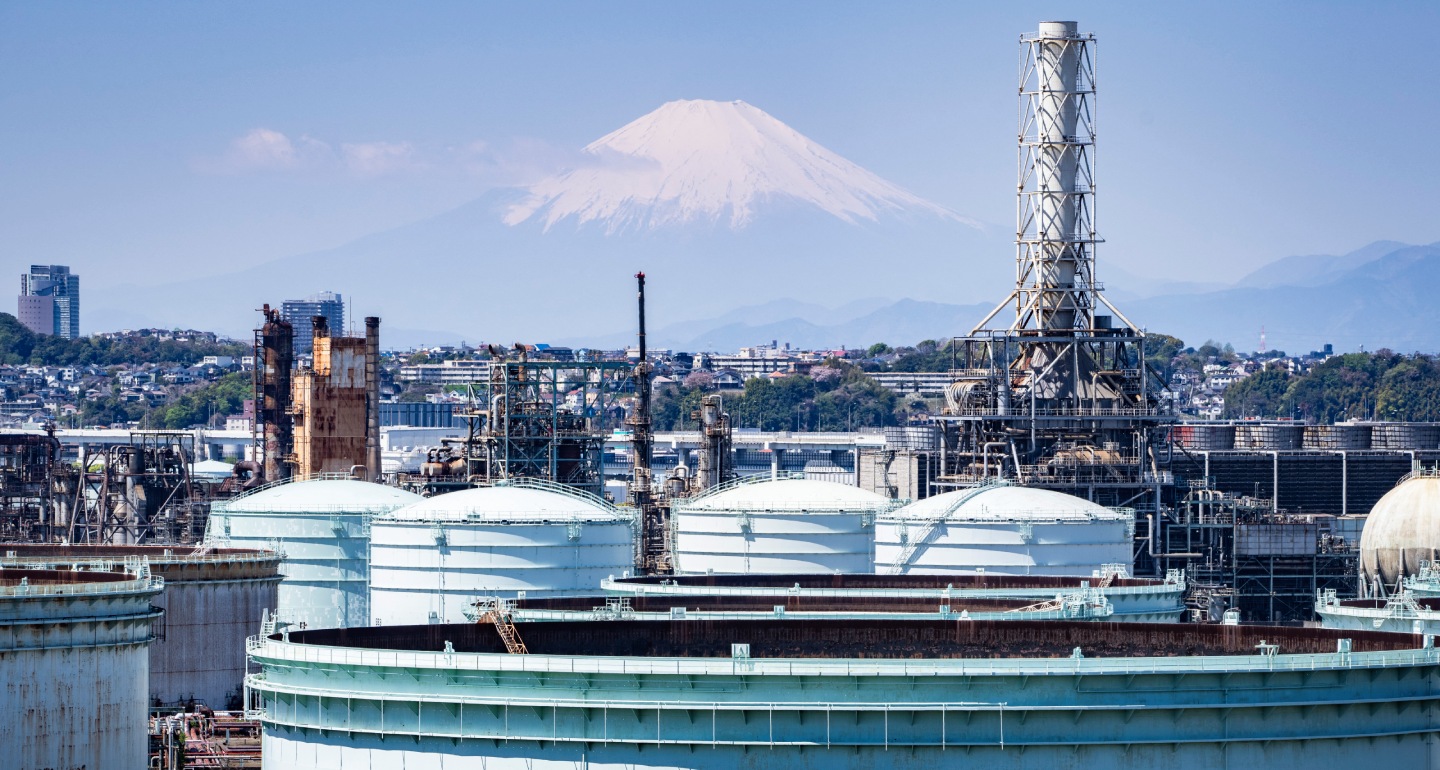
Tokyo would have to surmount a lot of obstacles—not least Western sanctions—if it wanted to return Russian oil imports to even modest pre-2022 volumes.

Vladislav Pashchenko
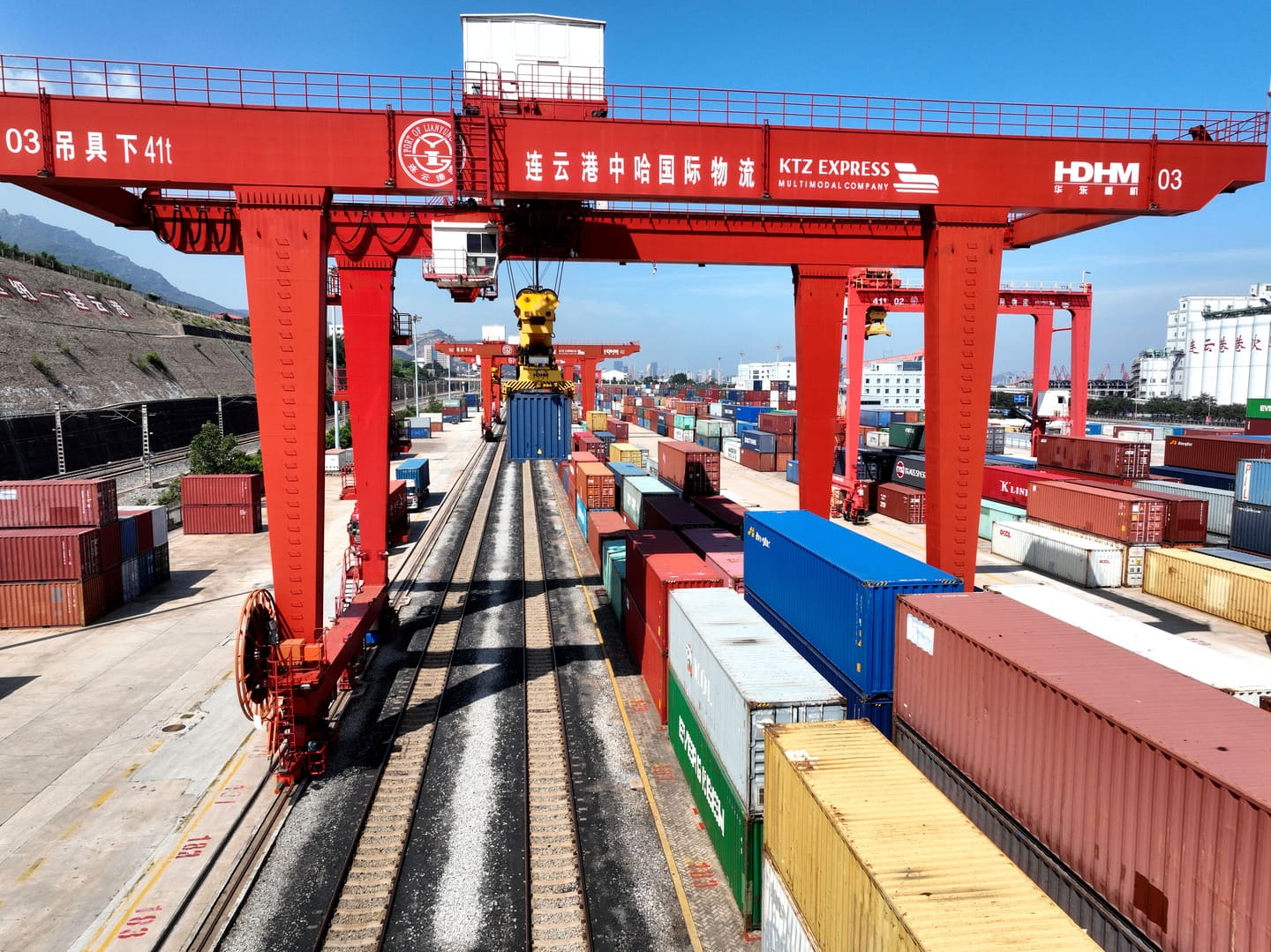
For the Middle Corridor to fulfill its promises, one of these routes must become scalable. At present, neither is.

Friedrich Conradi