

Commentary
Andrey Pertsev
{
  "authors": [
    "Andrey Pertsev"
  ],
  "type": "commentary",
  "centerAffiliationAll": "",
  "centers": [
    "Carnegie Endowment for International Peace",
    "Carnegie Russia Eurasia Center"
  ],
  "collections": [
    "Inside Russia"
  ],
  "englishNewsletterAll": "",
  "nonEnglishNewsletterAll": "",
  "primaryCenter": "Carnegie Russia Eurasia Center",
  "programAffiliation": "",
  "programs": [],
  "projects": [],
  "regions": [],
  "topics": []
}
Source: Getty
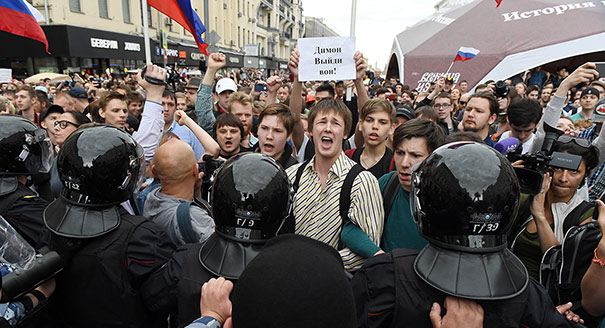
Russians are engaging in increasingly confrontational forms of protest, choosing to voice their discontent with the regime at unauthorized rallies rather than at state-sanctioned gatherings. As arrests and restrictions on civil liberties mount in response to the rallies, the authorities will seem ever more hostile and unjust.
Opposition leader Alexei Navalny’s June 12 anti-corruption rally didn’t attract much attention at first. People had already turned out to protest state corruption on March 26, and no earth-shattering revelations of graft at the top had emerged since then. The June 12 rally, it seemed, was going to involve the same people protesting in the same places about the same problems.
But it had become clear by the end of the rally that the Russian authorities are facing an entirely new form of protest, one that isn’t going away anytime soon. More and more Russians—including tens of thousands of people in Moscow and St. Petersburg—are now ready to take to the streets to oppose the government.
The June 12 rally was initially slated to take place on Sakharov Avenue, the traditional location for anti-regime protests, and had been authorized by the mayor’s office. But on the eve of the protest, Navalny suddenly changed the venue to Tverskaya Street, Moscow’s main artery, claiming that the city administration had instructed lighting and sound contractors not to cooperate with his team.
Some questioned Navalny’s justification, believing the opposition activist had opted for an unauthorized protest because he feared a low turnout and needed an excuse. Either way, the outcome was far better than anyone expected: 15,000 to 20,000 people came to Pushkin Square in Moscow. Not a bad turnout for an authorized rally, not to mention an unauthorized one.
Navalny is often criticized for rallying people to protest without informing them about the risks and potential consequences of their actions. The June 12 protests were no exception: Navalny said in a video promoting the rally that the Russian Constitution grants people the freedom of assembly, and that those arrested would be able to prove their innocence in court—something arrested protesters have not necessarily been able to do in the past.
This time, however, it appears that Navalny’s supporters knew what they were getting themselves into. Demonstrators, including the many high school students who rallied, understood that they might be arrested and perhaps abused by the police, but protested late into the night nonetheless. In this sense, wittingly or not, Alexei Navalny put his supporters to the test.
The current opposition rallies are reminiscent of Strategy 31’s unauthorized rallies on Triumfalnaya Square in the late 2000s. Those protesters knew that they might end up in a police van and spend a few days in prison, but demonstrated anyway. But while only a few hundred people showed up to the Strategy 31 rallies, tens of thousands of people marched in the latest round of protests.
The general public treats protests noticeably differently now than it did during the Strategy 31 demonstrations, when the average Muscovite viewed the Strategy activists as radicals and freaks: Navalny’s supporters are now widely seen as average Russians with common grievances.
It is telling that supporters of Putin critic Mikhail Khodorkovsky and opponents of the massive reconstruction project currently underway in Moscow, who also protested on June 12 but chose to stay on Sakharov Avenue, attracted a much smaller crowd than Navalny.
Indeed, Russians are engaging in increasingly confrontational forms of protest, choosing to voice their discontent with the regime at unauthorized rallies rather than at state-sanctioned gatherings.
This increasingly confrontational posture may create a feedback system: as arrests and restrictions on civil liberties mount in response to the rallies, the authorities will seem even more unjust and hostile. The more harshly the authorities respond to them, the more seasoned their participants become: people are already getting used to being arrested, ignoring the mores and prohibitions that may have once stopped them.
The June 12 protests also yielded another important insight: people outside Moscow and St. Petersburg are increasingly prepared to support the anti-Kremlin protests. Thousands of people now regularly attend rallies in places like Samara and Novosibirsk; the protests are gradually becoming trendy in the capital and in the provinces.
Navalny is now experimenting with different kinds of protest, testing his supporters. He asks people to come out with Russian flags to display their patriotism, and counts how many new supporters join him; he makes his supporters choose between a walk in the park at a sanctioned meeting and possible arrest at an unsanctioned one.
But in doing so, Navalny is also testing the authorities, looking for the Kremlin’s red lines. It’s easier to cultivate support for opposition to a brutal regime, after all, and Navalny’s experiments increasingly force the government to resort to violence.
Navalny is constantly raising the stakes. In doing so, he inevitably loses moderate protesters, who have no problem going to a sanctioned demonstration or only recently started to become disenchanted with Vladimir Putin. But he immediately pushes these people onto the barricades and into police formations.
As the confrontation between Navalny and the authorities escalates, he builds a nucleus of seasoned supporters who make the protests more popular and more consistent. It is this nucleus that is helping people answer that nagging question: “Who, if not Putin?”

Andrey Pertsev is a journalist with Meduza website.
Recent Work
Andrey Pertsev
Andrey Pertsev
Carnegie does not take institutional positions on public policy issues; the views represented herein are those of the author(s) and do not necessarily reflect the views of Carnegie, its staff, or its trustees.
Rather than consolidating Russian society, the conflict in Ukraine has exacerbated existing divisions on a diverse array of issues, including support for the regime. Put another way, the impression that Putin now has the full support of the Russian public is simply incorrect.
Denis Volkov, Andrei Kolesnikov
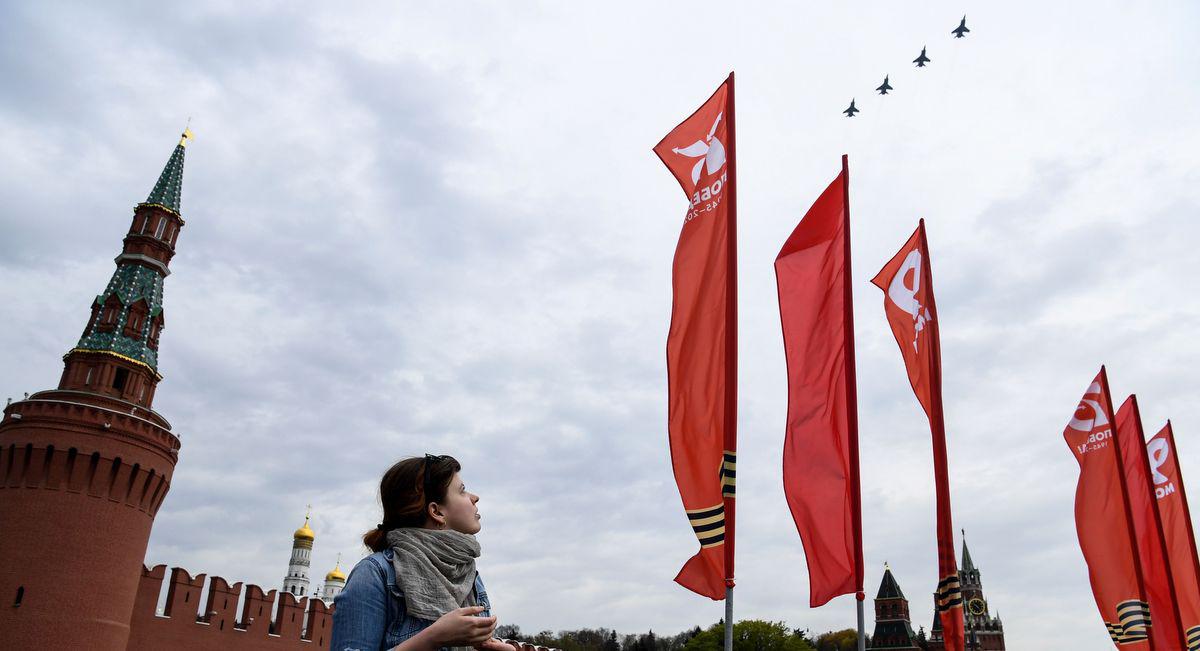
The foundation of the current Kremlin ideology is a defensive narrative: that we have always been attacked and forced to defend ourselves. Another line of defense is history.
Andrei Kolesnikov
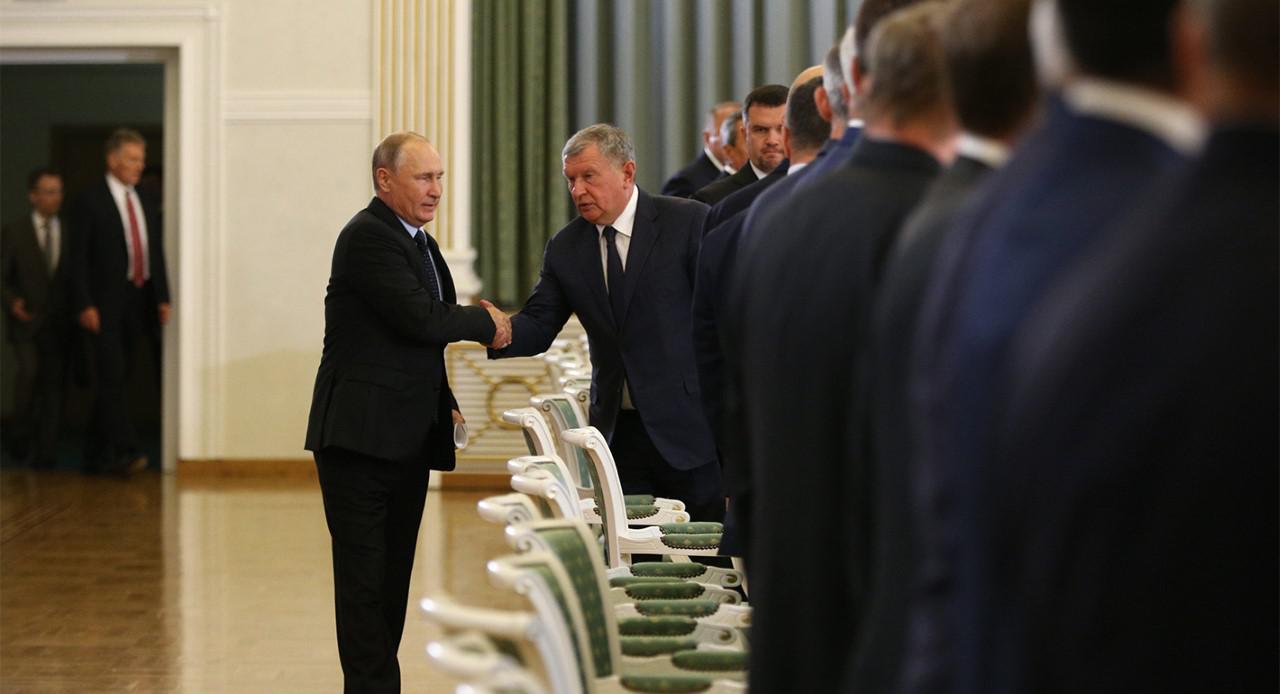
The pandemic has revealed a truth of the Russian government. Vladimir Putin has become increasingly disengaged from routine matters of governing and prefers to delegate most issues.

Tatiana Stanovaya
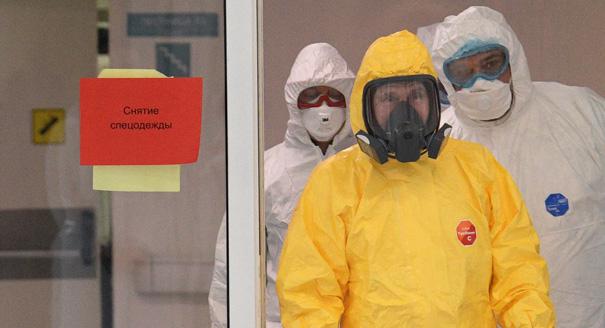
The fight against the new coronavirus in Russia is being led not by politicians oriented on the public mood, but by managers serving their boss. This is why the authorities’ actions appear first insufficient, then excessive; first belated, then premature.
Tatiana Stanovaya
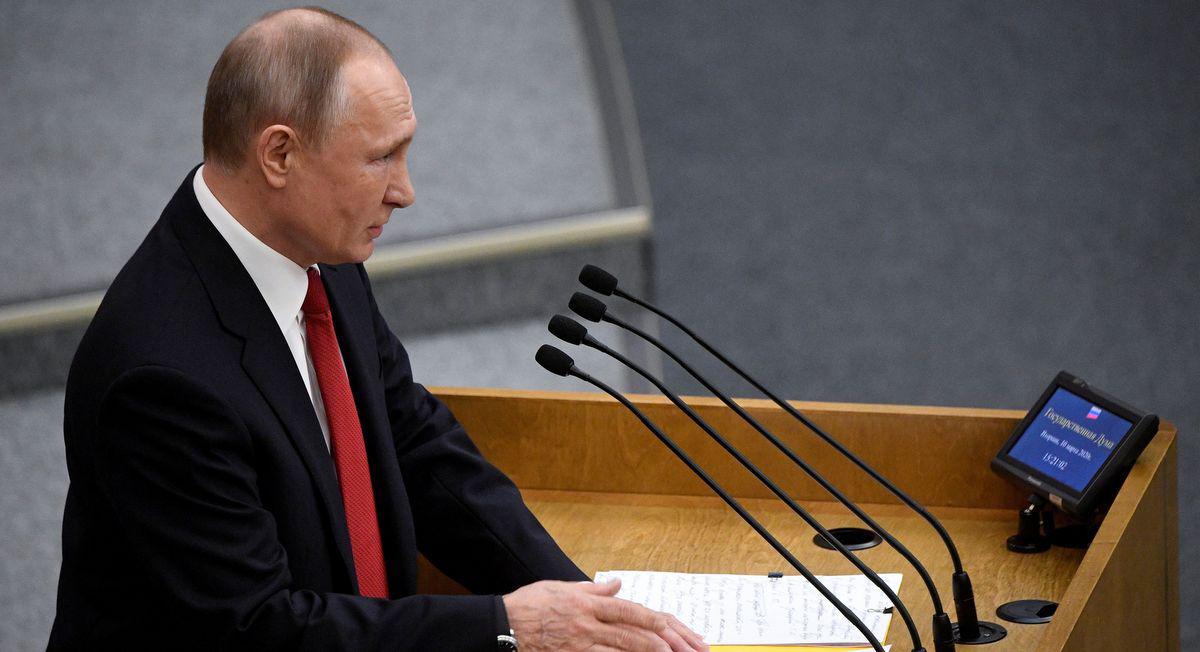
Amid a coronavirus pandemic and looming global economic crisis, Russian President Vladimir Putin has suddenly revealed how he intends to remain in power beyond 2024, when what should be his final term in office ends. In doing so, Putin seems to have bet – not incorrectly – that there is simply no one who can stop him.
Andrei Kolesnikov