

Commentary
Chung Min Lee
{
  "authors": [
    "Chung Min Lee"
  ],
  "type": "other",
  "centerAffiliationAll": "dc",
  "centers": [
    "Carnegie Endowment for International Peace"
  ],
  "collections": [],
  "englishNewsletterAll": "asia",
  "nonEnglishNewsletterAll": "",
  "primaryCenter": "Carnegie Endowment for International Peace",
  "programAffiliation": "AP",
  "programs": [
    "Asia"
  ],
  "projects": [],
  "regions": [
    "East Asia"
  ],
  "topics": [
    "Political Reform",
    "Economy",
    "Security"
  ]
}
Source: Getty
Asia in the twenty-first century is going to be a key test bed of the commercial peace theory and whether the U.S.-China strategic rivalry will result in some type of a conflict.
Source: Pacific Review
This paper explores the probable causes and consequences of an Asian Paradox or the highly incongruous structure of Asia within the broader international system: at once the engine of global economic growth while at the same time, the repository of all of the world's outstanding security threats and challenges. Asia in the 21st century is going to be a key test bed of the commercial peace theory and whether the U.S.-China strategic rivalry will result in some type of a conflict. Attention is also paid to the potential consequences flowing from the end of Asia's Meiji era or when all of Asia's major powers and key middle powers have achieved or are well on their way of achieving what Japan accomplished by the late 1890s: a wealthy economy and a strong military. How an increasingly wealthy, technologically advanced, and a militarily sophisticated Asia decides to cope with numerous security dilemmas is Asia's new Long March including the extent to which the region's strategically consequential states are willing to preserve and to strengthen the prevailing liberal international order.
This article was originally published in the Pacific Review.
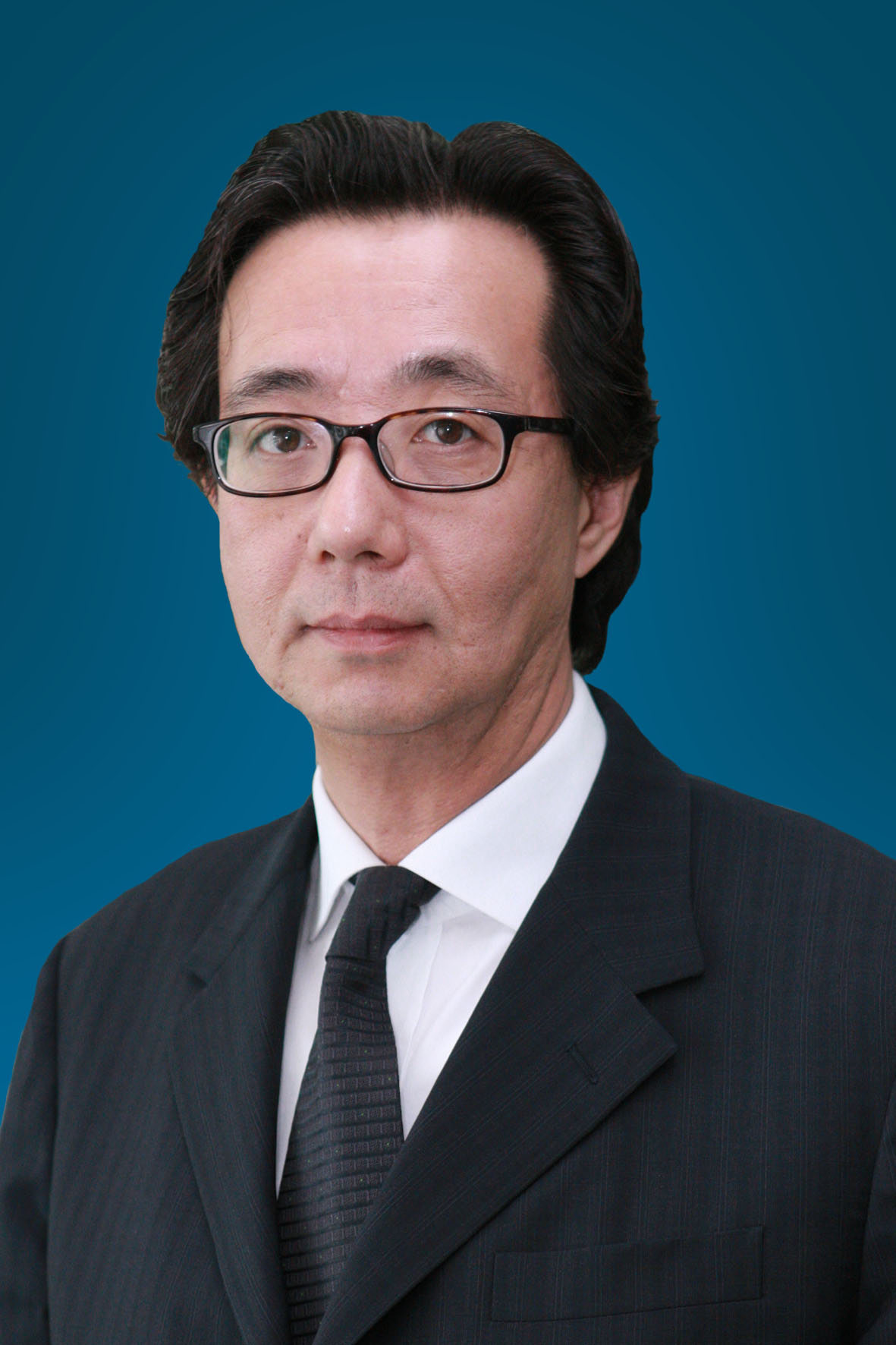
Senior Fellow, Asia Program
Chung Min Lee is a senior fellow in Carnegie’s Asia Program. He is an expert on Korean and Northeast Asian security, defense, intelligence, and crisis management.
Recent Work
Chung Min Lee
Carnegie does not take institutional positions on public policy issues; the views represented herein are those of the author(s) and do not necessarily reflect the views of Carnegie, its staff, or its trustees.

Putin’s conservative staffing policies and search for ever greater control have cemented parliament’s transformation into a bureaucratic appendage of the executive branch.

Andrey Pertsev

Russia’s AI-driven propaganda campaigns operate in a fragmented, chaotic, and often illogical manner. That’s not necessarily a problem for the Kremlin, though: It’s much easier to mimic genuine public debate that way.

Ilya Klishin

Russian strikes are weakening the economy sustaining Ukraine’s war effort. Closing the growing funding gap will require more European support and politically contentious reforms in Kyiv.

Balázs Jarábik

Ex-president Gurbanguly Berdimuhamedov remains interested in politics, but his son Serdar, Turkmenistan’s current president, is becoming increasingly independent and willing to break with his father’s legacy. If their covert rivalry goes too far, both risk losing power.

Galiya Ibragimova

For every ruble allocated to social policy, health, and education in 2027, double that amount is earmarked for the army, the police, and the security services.

Alexandra Prokopenko