

Commentary
The European far right might fail to steer EU policy in the direction Russia wants, but they will create enough chaos inside Europe to benefit the Kremlin.
Dimitar Bechev
{
  "authors": [
    "Milan Vaishnav",
    "Constantino Xavier"
  ],
  "type": "legacyinthemedia",
  "centerAffiliationAll": "dc",
  "centers": [
    "Carnegie Endowment for International Peace",
    "Carnegie India"
  ],
  "collections": [],
  "englishNewsletterAll": "ctw",
  "nonEnglishNewsletterAll": "",
  "primaryCenter": "Carnegie Endowment for International Peace",
  "programAffiliation": "SAP",
  "programs": [
    "South Asia"
  ],
  "projects": [],
  "regions": [
    "North America",
    "United States",
    "South Asia",
    "India"
  ],
  "topics": [
    "Economy",
    "Trade",
    "Security",
    "Foreign Policy"
  ]
}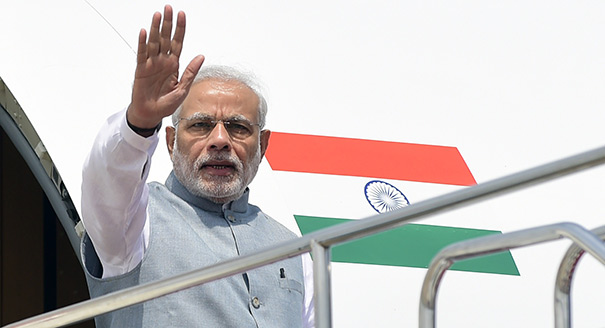
Source: Getty
When Trump and Modi meet for the first time, they will likely focus on defense deals. They may also discuss areas of mutual interest, including trade, investment, and counterterrorism.
Source: Quartz
Donald Trump will finally meet his “true friend” Narendra Modi on Monday (June 26).
The US president will host a working dinner for the Indian prime minister, a first by the Trump administration for a visiting dignitary. On the table will be a number of issues ranging from terrorism and regional security to trade and visas.
Modi’s White House visit comes a year after he travelled to Washington to meet Trump’s predecessor. Barack Obama and Modi had shared a visible camaraderie—even described as bromance—that helped further Indo-US ties. Modi, in all likelihood, will seek to forge a similar relationship with Trump.
Quartz spoke to foreign policy experts to understand what could be expected out of the meetings. Here are their responses:
Milan Vaishnav, senior associate at the Carnegie Endowment for International Peace:
Defence is the sector to watch. This is where cooperation has seen steady progress over the last few administrations. I would not look for big new deliverables in other areas. Energy is one possible exception, with India keen to have access to US LNG imports.
Constantino Xavier, fellow at Carnegie India:
Across various sectors, whether defence deals or trade and investments, the question is whether Modi and Trump will be able to strike the right balance between their respective “Make in India” and “America first” campaigns. It is likely that Trump will accord the DoD (department of defense) significant autonomy to continue engaging India on strategic and security issues.
Milan Vaishnav:
I think Modi will bring H-1B up, though he is not likely to press Trump too far to reverse his administrations executive order. Rather, I think Modi will emphasise two things. First, any future changes in the visa regimes should be predictable and communicated to India in advance, both for citizens and firms. Second, Modi will highlight the win-win nature of labour mobility; Indian IT companies have invested billions of dollars in the United States and they have announced new plans to increase local hiring in the coming years.
Constantino Xavier:
Trump and Modi are expected to see eye-to-eye on combating terrorism, so we should expect a deepening of intelligence sharing mechanisms, which India has been very keen on. The US president will also be inclined to further delegate responsibilities to New Delhi in managing the Indian Ocean.
On Afghanistan, while it is unlikely that India will increase its commitments there, the ball will be in Washington’s court to convince India that there is still hope to stabilise the country and minimise Pakistan’s influence over the Taliban. Trump’s commitment to revive the New Silk Road is a positive indication for India.
To see responses from other foreign policy experts, click here.

Director and Senior Fellow, South Asia Program
Milan Vaishnav is a senior fellow and director of the South Asia Program and the host of the Grand Tamasha podcast at the Carnegie Endowment for International Peace. His primary research focus is the political economy of India, and he examines issues such as corruption and governance, state capacity, federalism, and electoral behavior. He also conducts research on the Indian diaspora.
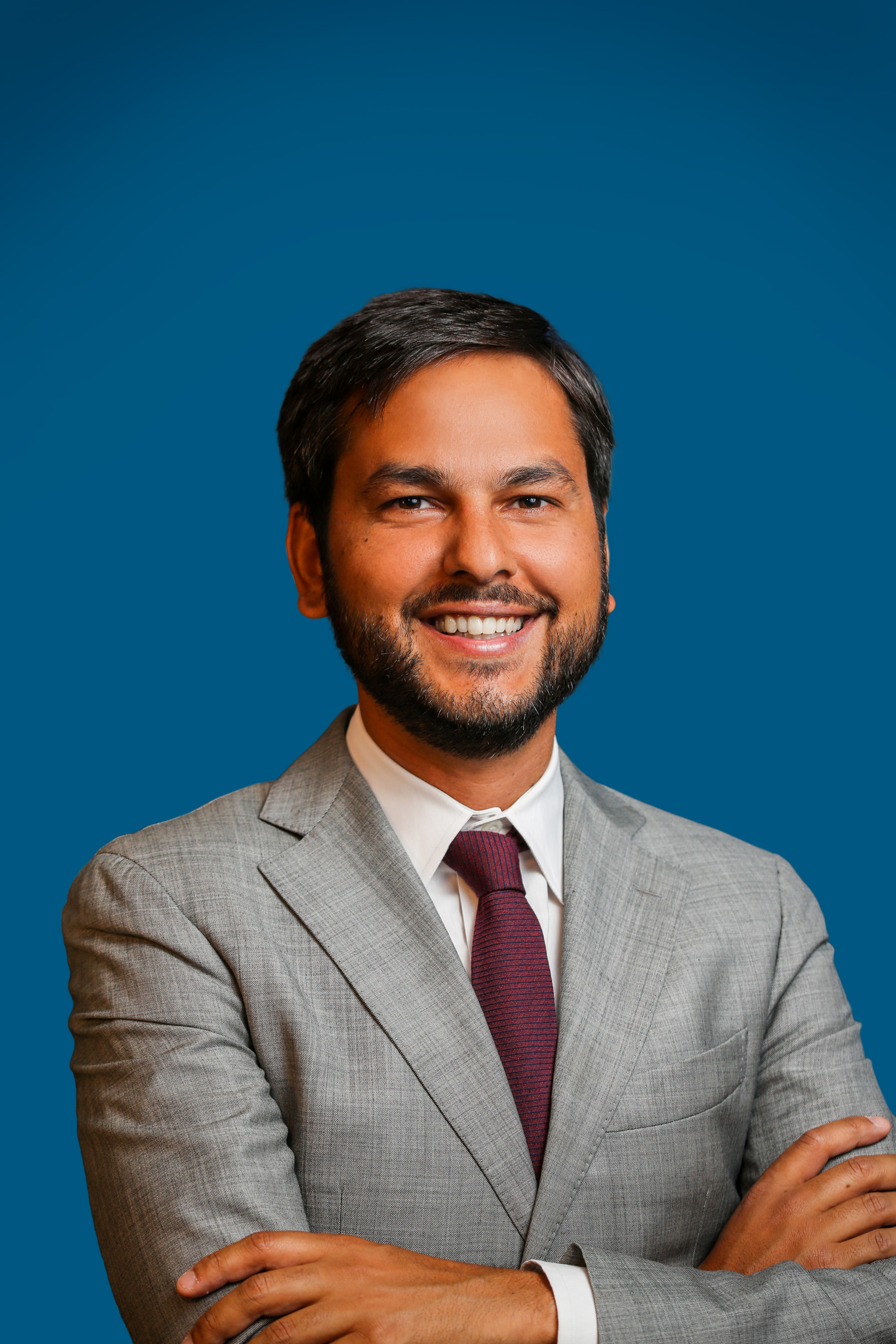
Former Fellow, Carnegie India
Constantino Xavier was a fellow at Carnegie India, based in New Delhi. His research focus is on India’s foreign policy, with emphasis on relations with its neighboring countries and South Asian regional security.
Carnegie does not take institutional positions on public policy issues; the views represented herein are those of the author(s) and do not necessarily reflect the views of Carnegie, its staff, or its trustees.

The European far right might fail to steer EU policy in the direction Russia wants, but they will create enough chaos inside Europe to benefit the Kremlin.

Dimitar Bechev

Minsk clearly expected the dialogue with Washington to yield more results, in particular the lifting of EU sanctions and permission to export potash.

Artyom Shraibman

Depleted financial reserves and a shrinking tax base mean it is no longer possible to simultaneously deliver high defense spending, price stability, and economic growth.

Alexandra Prokopenko

With the growth in points of friction between the great powers, organizations like the SCO will continue to play a role in the strategic adaptation of the smaller powers caught between them.

Temur Umarov

When faced with fuel shortages in the past, Central Asian governments could always count on additional supplies from Moscow. That safety net no longer exists.

Galiya Ibragimova