

Article
C. Raja Mohan, Darshana M. Baruah
{
  "authors": [
    "C. Raja Mohan"
  ],
  "type": "legacyinthemedia",
  "centerAffiliationAll": "dc",
  "centers": [
    "Carnegie Endowment for International Peace",
    "Carnegie India"
  ],
  "collections": [],
  "englishNewsletterAll": "ctw",
  "nonEnglishNewsletterAll": "",
  "primaryCenter": "Carnegie India",
  "programAffiliation": "SAP",
  "programs": [
    "South Asia"
  ],
  "projects": [],
  "regions": [
    "South Asia",
    "India",
    "China",
    "East Asia",
    "Southeast Asia"
  ],
  "topics": [
    "Foreign Policy"
  ]
}
Source: Getty
India’s problem is not about competing with China in South Asia, but managing its messy interdependence with the neighbours with some strategic vision and a lot of tactical finesse.
Source: Indian Express
A series of developments in the Subcontinent at the end of 2017 cast a pall of gloom over Delhi’s foreign policy discourse. The lament was about India losing to China in its own neighbourhood. After all, China has just signed a free trade agreement with the Maldives, has won a long-term lease with Sri Lanka for the Hambantota port, and seen the “pro-China” parties win the elections in Nepal.
These may be immediate political setbacks for Delhi. But they do not in any way change the geography that binds — for good or bad — India to its neighbours. Instead of mourning China’s rising profile in the Subcontinent, Delhi should reflect on its past failures to respect the logic of geography in the neighbourhood and find ways to correct them.
Delhi’s foreign policy discourse must stop seeing the competition with China in the Subcontinent as a limited overs cricket game with one winning and the other losing at the end of play. Even if Delhi “loses” most of the presumed “encounters” with Beijing in the near term, there is no way China can eliminate, let alone neutralise, India’s weight in the Subcontinent.
Consider China’s example in East Asia. When the People’s Republic was born in 1949, few of its neighbours were willing to extend diplomatic recognition. Many of them aligned their economies with those of the US and Japan rather than with China. But once China opened up its economy in the late 1970s and embarked on regional integration, the consequences of China’s size came into play. Today it is the largest trading partner for all the nations on its periphery. Whatever the political problems China’s neighbours might have with Beijing, few are willing to forego the economic opportunities it presents.
Therein lies the first lesson for India. Although Delhi inherited an integrated commercial space from the Raj, independent India’s socialist orientation meant a steady loss of regional economic perspective, declining emphasis on trade with the neighbours and a steady neglect of connectivity with them. Although three successive prime ministers — Atal Bihari Vajpayee, Manmohan Singh and Narendra Modi — have talked of regional economic integration, they have found it hard to get it going.
Delhi’s economic ministries have little strategic sense of the neighbourhood. For them Bhutan is as alien as Bolivia. Consider the most recent example of demonetisation, when Delhi paid little attention to the consequences for Nepal and Bhutan that are so closely tied to the Indian economy. On the economic front, then, Delhi is losing to itself rather than to Beijing.
The problem is similar on the security front. After it launched itself in 1949, the PRC found many of its neighbours locked in military alliances with America. The US military sat on all the islands facing China. Today, Beijing’s growing economic influence in the neighbourhood coupled with expanding military strength, are making it harder by the day for the US to sustain its forward military presence in China’s frontyard.
China’s proximity then trumps the massive military power differential between Beijing and Washington. Similarly, India’s proximity makes it hard for China to ever contain Delhi in the Subcontinent. To be sure, China might one day in the near future get a military base in Karachi or Gwadar. But the idea that China can “encircle” India in South Asia remains far-fetched. However, it has gained some credence, because India’s civilian defence leadership has long stopped thinking about an integrated defence of the region.
If China has reclaimed its geographical primacy in East Asia through sensible policies, so can India in South Asia. Size and geography allow Delhi and Beijing to dominate their neighbourhoods. It is never easy for outside powers to dominate the periphery of another. At the same time, it is always difficult for the regional hegemon to have a good neighbourhood policy.
For the smaller neighbours, it is always a fine balance between seeking some strategic autonomy by inviting external powers and provoking a military or political intervention by the hegemon. Ukraine, for example, lost Crimea to Russia when Moscow thought Kiev had gone too far towards the West. America and Europe have no desire to fight Russia on its periphery and there is no way Ukraine can now get back Crimea.
Political leaders among India’s smaller neighbours do know this and many of them would not want to cross the somewhat fuzzy red lines when it comes to military alignment with China. Similarly, India knows there are limits to its strategic partnerships with China’s neighbours in East Asia.
The hegemon also knows that it can’t always dictate policies to its smaller neighbours. China can put some pressure on North Korea, but it can’t control the leadership in Pyongyang. India has the same experience in Nepal and Maldives. Delhi, like Beijing, knows frequent interventions in the internal affairs of the neighbours have costs. The question is always about judging when it is prudent to intervene.
Proximity at once generates intimacy and hostility between a hegemon and its neighbours. India’s problem is not about competing with China in South Asia, but managing its messy interdependence with the neighbours with some strategic vision and a lot of tactical finesse.
This article was originally published in the Indian Express.
Former Nonresident Senior Fellow, Carnegie India
A leading analyst of India’s foreign policy, Mohan is also an expert on South Asian security, great-power relations in Asia, and arms control.
Recent Work

C. Raja Mohan, Darshana M. Baruah


Alexander Gabuev, Paul Haenle, C. Raja Mohan, …
Carnegie does not take institutional positions on public policy issues; the views represented herein are those of the author(s) and do not necessarily reflect the views of Carnegie, its staff, or its trustees.
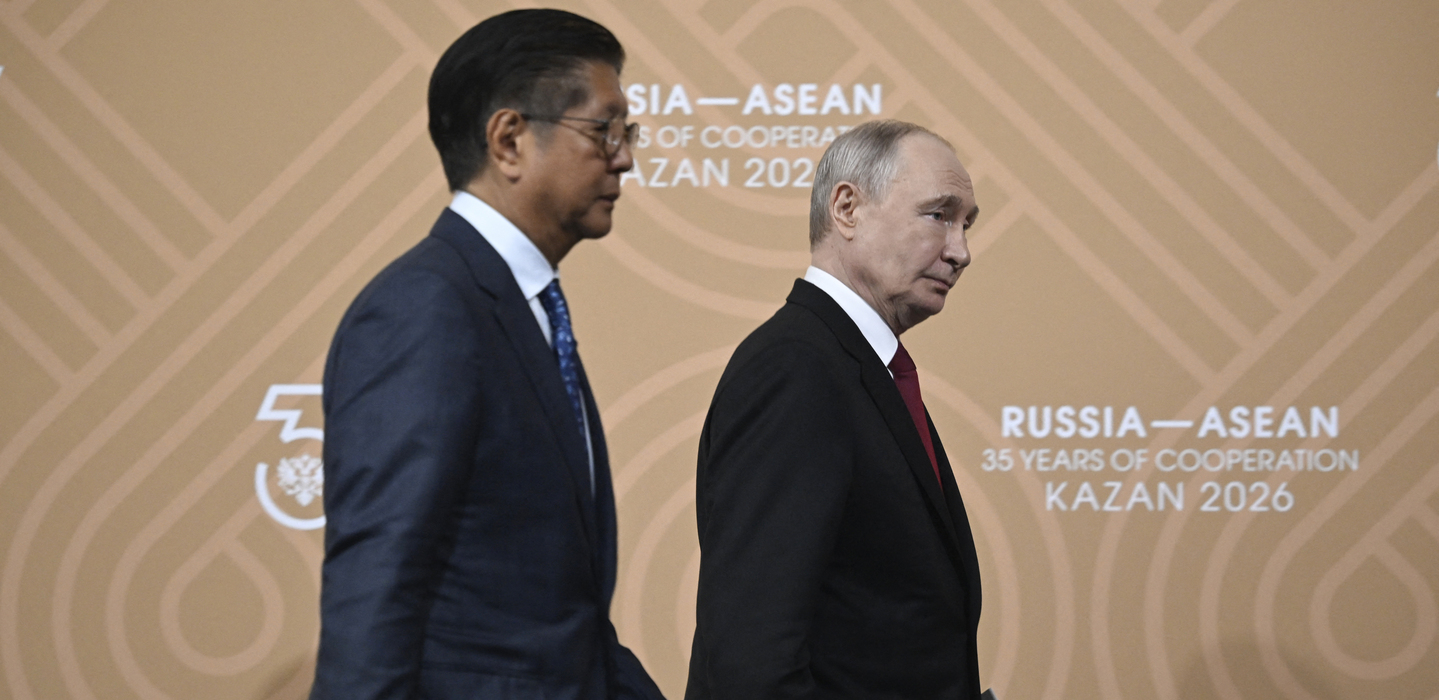
Russia looks set to reap economic benefits from closer ties with Southeast Asian countries that are keen to find reliable energy suppliers and diversify trade ties.
Alexander Gabuev

Ongoing uncertainty in the Middle East allows Moscow to both increase its influence in Tehran and continue to enjoy the financial windfall of higher oil prices.

Nikita Smagin
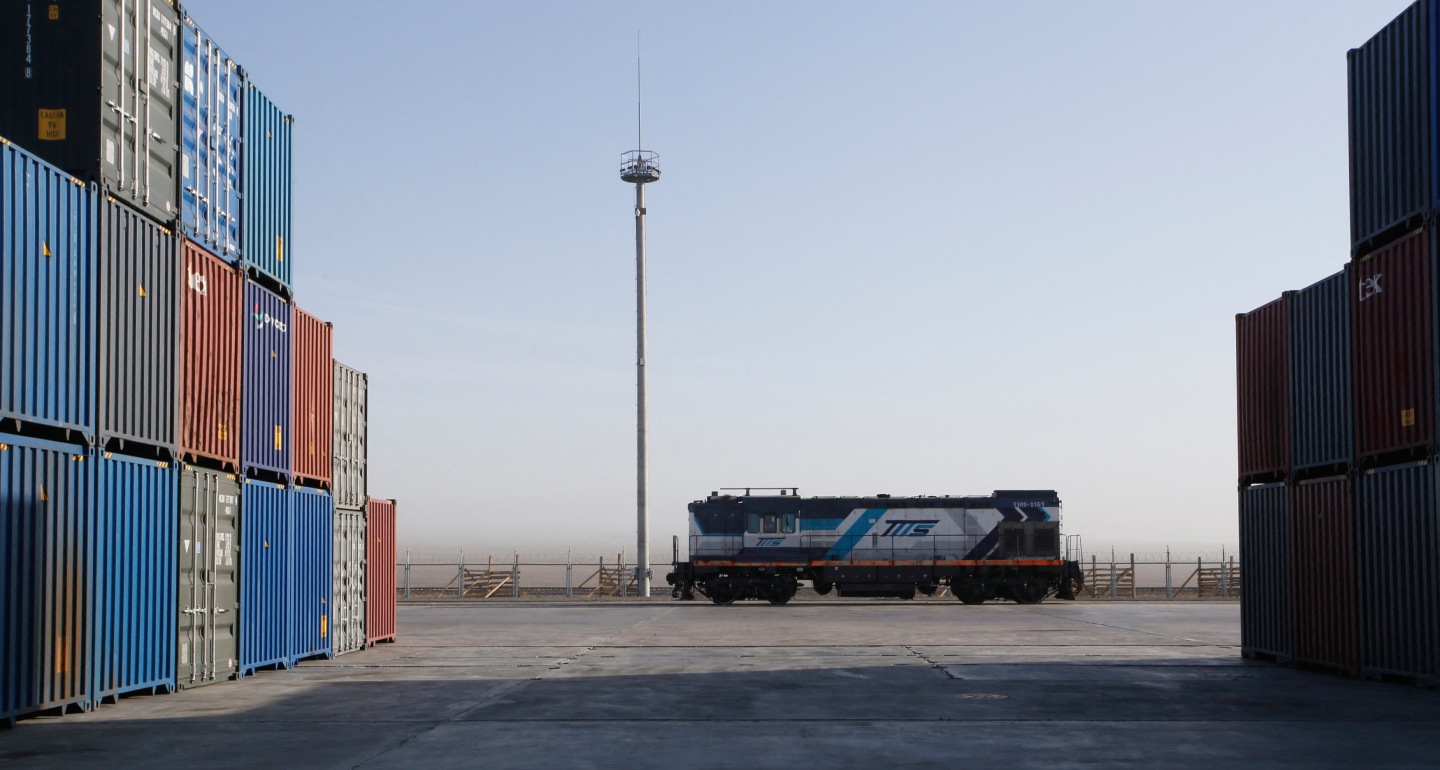
This year’s wars have made alternative routes to transit through Russia no less risky for Central Asian countries.

Galiya Ibragimova
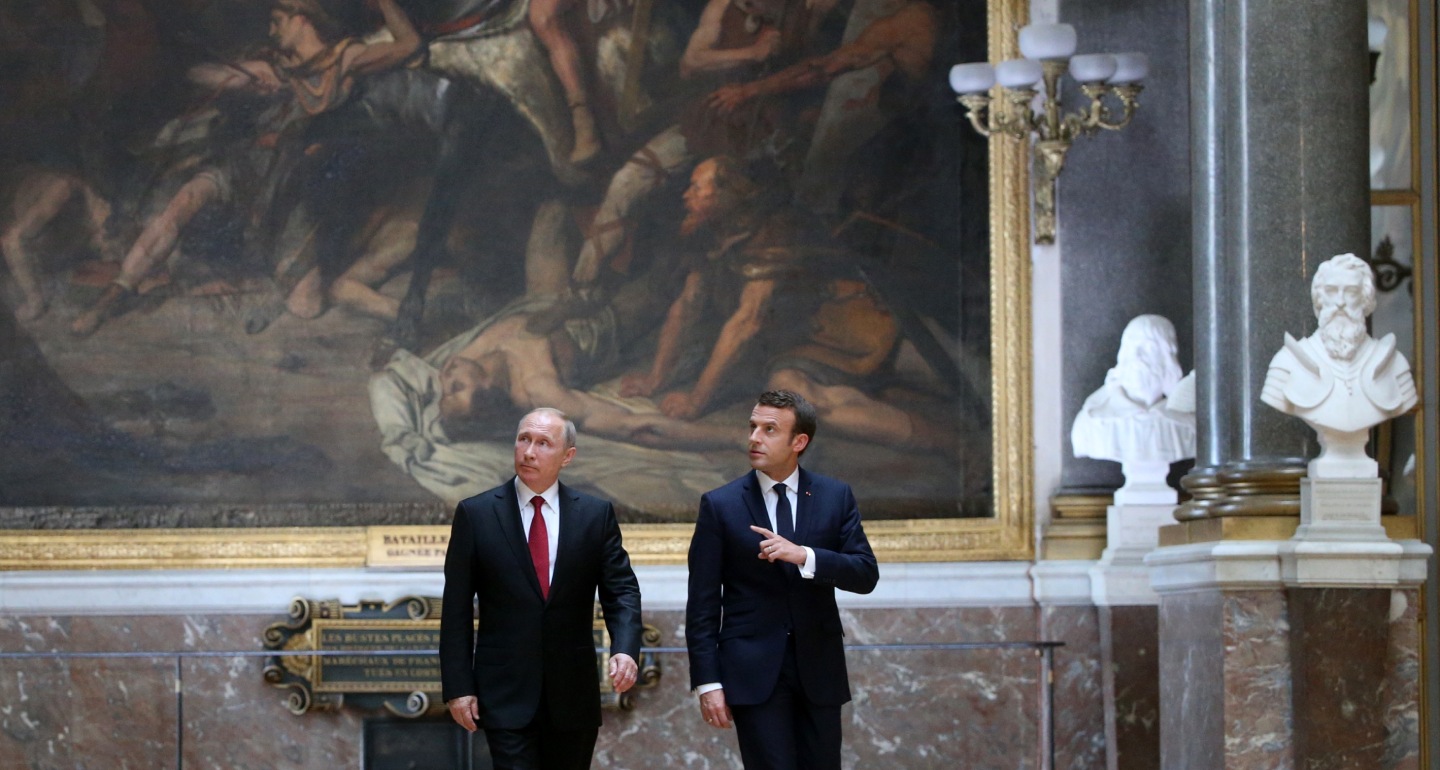
Reestablishing a dialogue with Moscow is not a goal in its own right. The goal is to guarantee the independence of Ukraine and the peace and security of Europe.
Arkady Moshes

By fueling the arguments of both supporters and opponents of Armenian Prime Minister Nikol Pashinyan, Azerbaijan wants to ensure he is re-elected with a weaker mandate.

Bashir Kitachaev