

Commentary
Russian strikes are weakening the economy sustaining Ukraine’s war effort. Closing the growing funding gap will require more European support and politically contentious reforms in Kyiv.
Balázs Jarábik
{
  "authors": [
    "Saksham Khosla"
  ],
  "type": "legacyinthemedia",
  "centerAffiliationAll": "",
  "centers": [
    "Carnegie Endowment for International Peace",
    "Carnegie India"
  ],
  "collections": [],
  "englishNewsletterAll": "",
  "nonEnglishNewsletterAll": "",
  "primaryCenter": "Carnegie India",
  "programAffiliation": "",
  "programs": [],
  "projects": [],
  "regions": [
    "India"
  ],
  "topics": [
    "Economy"
  ]
}
Source: Getty
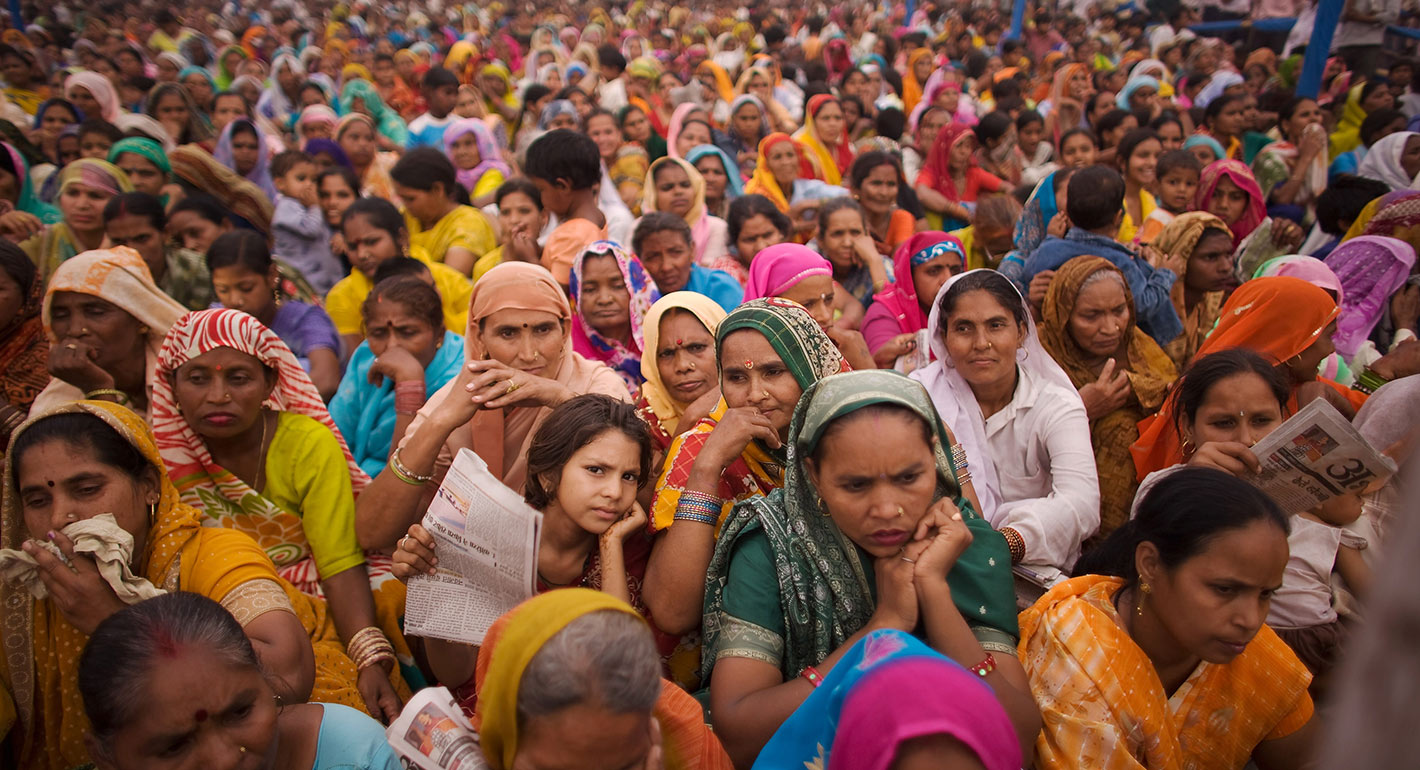
Several commentators have remarked that Universal Basic Income functions as a Rorschach test for the welfare state, given that it draws its support from a diverse ideological coalition that sees it as mediating their own preferred versions of an ideal society.
Source: Print
Several commentators have remarked that Universal Basic Income functions as a Rorschach test for the welfare state, given that it draws its support from a diverse ideological coalition ranging from the libertarian right to the liberal left that sees it as mediating their own preferred versions of an ideal society.
But a vehement debate simmers below this shallow consensus between those who see a UBI as restraining the worst paternalistic tendencies of a convoluted welfare state, and those who support its role in plugging the gaps of a social protection floor alongside universal services and efforts to reform existing programs.
Saksham Khosla
Former Research Analyst, Carnegie India
Saksham Khosla was a research analyst at Carnegie India.

Russian strikes are weakening the economy sustaining Ukraine’s war effort. Closing the growing funding gap will require more European support and politically contentious reforms in Kyiv.

Balázs Jarábik

For every ruble allocated to social policy, health, and education in 2027, double that amount is earmarked for the army, the police, and the security services.

Alexandra Prokopenko

Depleted financial reserves and a shrinking tax base mean it is no longer possible to simultaneously deliver high defense spending, price stability, and economic growth.
Alexandra Prokopenko

With the growth in points of friction between the great powers, organizations like the SCO will continue to play a role in the strategic adaptation of the smaller powers caught between them.

Temur Umarov

A much-discussed disagreement over internet restrictions in Russia was never an existential threat for Putin: It was about elite groups protecting their interests.
Alexandra Prokopenko