

Commentary
Judy Dempsey
{
  "authors": [
    "Judy Dempsey"
  ],
  "type": "legacyinthemedia",
  "centerAffiliationAll": "",
  "centers": [
    "Carnegie Endowment for International Peace",
    "Carnegie Europe"
  ],
  "collections": [],
  "englishNewsletterAll": "",
  "nonEnglishNewsletterAll": "",
  "primaryCenter": "Carnegie Europe",
  "programAffiliation": "",
  "programs": [],
  "projects": [],
  "regions": [
    "Middle East",
    "Europe",
    "Saudi Arabia",
    "Western Europe"
  ],
  "topics": [
    "Foreign Policy",
    "Democracy",
    "Global Governance"
  ]
}
Source: Getty
As it did before the Arab uprisings of 2011, the EU is putting economic interests and stability before human rights and the rule of law.
Source: Financial Times
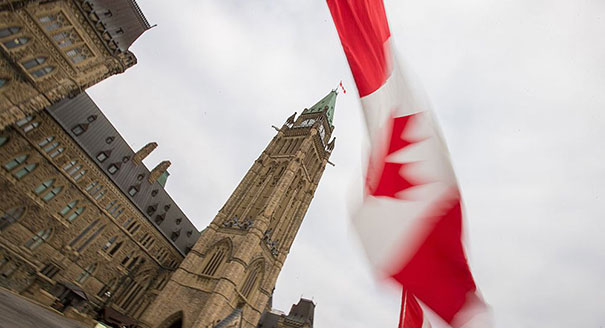
Saudi Arabia’s reaction was swift last week when Canada’s foreign minister, Chrystia Freeland, called in a tweet for the release of Samar Badawi, a leading Saudi women’s rights activist. It dumped assets, expelled the Canadian ambassador and told the 10,000 Saudi students studying in Canada to pack their bags.
This was a test case for the west’s commitment to defending human rights activists in semi-democratic and authoritarian countries. But instead of standing up for Canada, Europe backed away from a Nato ally and a country that recently forged a major trade deal with the EU.
A spokesperson for the EU’s foreign policy chief Federica Mogherini said Brussels was seeking clarification from the Saudi authorities about Ms Badawi’s arrest. The UK said both Canada and Saudi Arabia “are close partners” and urged “restraint during the current situation”. Britain and Saudi Arabia recently set a target of $90bn in trade and investment deals over the next decade.
From Germany there was silence. Berlin had its fingers burnt last year when Sigmar Gabriel, the former foreign minister, criticised Saudi Arabia’s “adventurism” in Lebanon and Yemen. Since then, Daimler, Siemens, Deutsche Bank and other companies have been cold-shouldered by Riyadh.
As it did before the Arab uprisings of 2011, the EU is putting economic interests and stability before human rights and the rule of law.
Take Iran. The EU is determined to save the nuclear deal that Mr Trump has disowned. His recent decision to impose new sanctions on Iran has horrified the Europeans. Their fear is that hardliners will become emboldened and walk away from a nuclear deal that had put the non-proliferation regime back on the agenda.
Meanwhile, inside Iran there is increasing opposition to widespread corruption, economic mismanagement and the abuse of human rights. The stability of the regime cannot be taken for granted.
Yet the EU has been silent over the corruption and rights abuses. Furthermore, European leaders have turned a blind eye to Iran’s support for terrorist movements, its interference in Syria and Yemen, and its stance on Israel. Defending the nuclear deal takes precedence.
Then there is Egypt. The EU has stood behind Egyptian president Abdel Fattah el-Sisi. It has done so despite the fact that he has imprisoned thousands of journalists, activists, women’s rights campaigners and other dissidents.
Closer to home, the EU could be much more active in supporting human rights activists and movements in Russia. Sanctions are all very well, but they should be part of a long-term strategy for relations with a post-Putin Russia.
Inside the EU, the bloc’s commitment to values is half-baked. This past weekend, tens of thousands of Romanians took to the streets of the capital Bucharest to protest against rampant corruption and cronyism. Civil society yearns for robust support from the EU, but it seems reluctant to tackle the decades-old scourge that has paralysed Romania’s state institutions.
The same could be said about Hungary, where non-governmental organisations are being targeted. The EU has been shamefully ineffective. And the European People’s party, the conservative grouping in the European Parliament, refuses to expel prime minister Viktor Orban’s rightwing Fidesz party for fear of no longer being the biggest grouping after next year’s elections.
Authoritarian regimes and populist leaders in Europe draw succour from the EU’s pusillanimity. Meanwhile, the activists who still look to Europe as the guardian of values and decency are not the only losers. The EU itself risks the very principles on which it was built.
This article was originally published in the Financial Times.
Nonresident Senior Fellow, Carnegie Europe
Judy Dempsey is a nonresident senior fellow at Carnegie Europe
Recent Work
Judy Dempsey
Judy Dempsey
Carnegie does not take institutional positions on public policy issues; the views represented herein are those of the author(s) and do not necessarily reflect the views of Carnegie, its staff, or its trustees.

Russia’s AI-driven propaganda campaigns operate in a fragmented, chaotic, and often illogical manner. That’s not necessarily a problem for the Kremlin, though: It’s much easier to mimic genuine public debate that way.
Ilya Klishin

Without a ceasefire with Ukraine on attacking each other’s energy infrastructure—to which the Kremlin is unlikely to agree—the diesel agreement between Putin and Trump is largely for show, rather than representing a genuine increase in the volumes of Russian diesel on the global market.

Sergey Vakulenko
Despite a new textbook, an influx of Russian teachers and managers, and an end to the teaching of Ukrainian, the Kremlin is unlikely to have “reprogrammed” locals.

Konstantin Skorkin
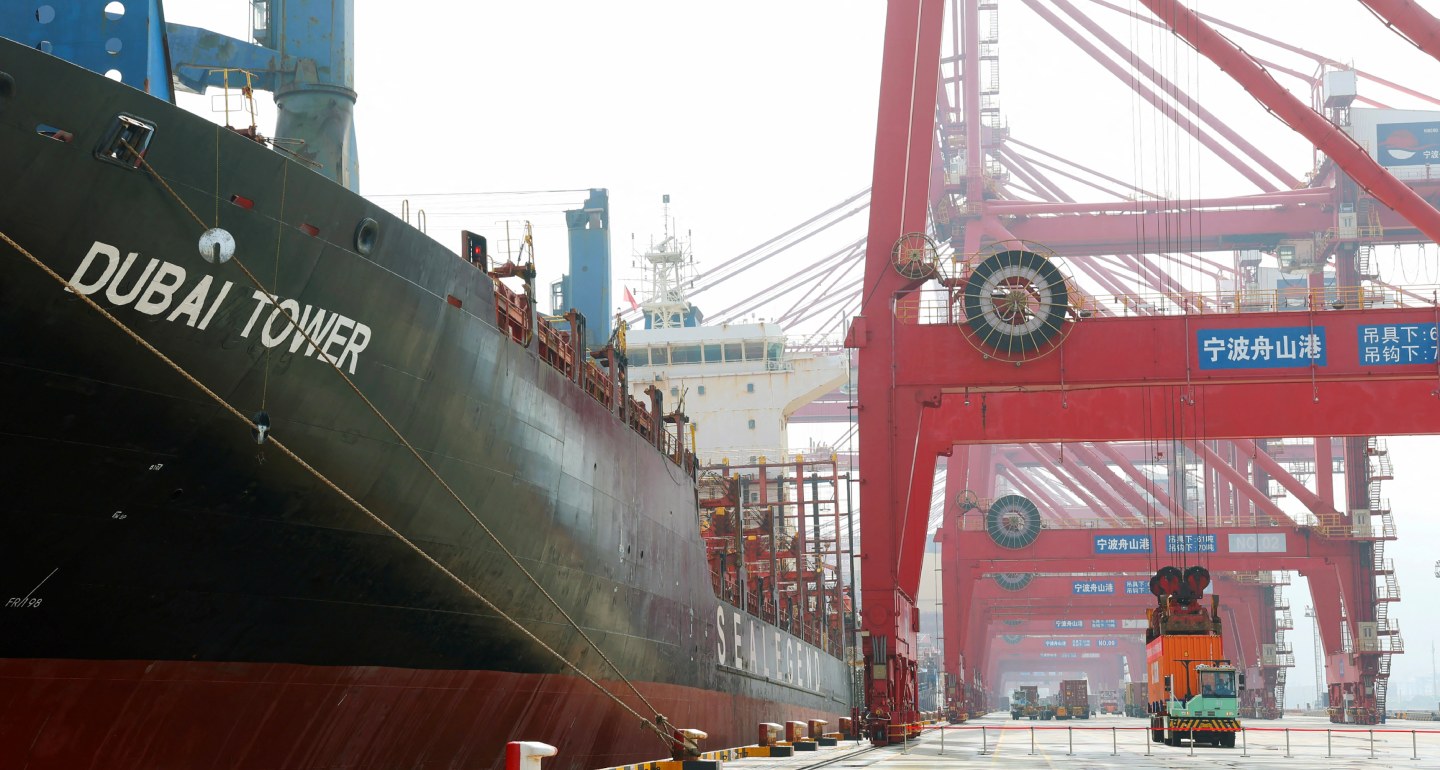
Cargo traffic through Russia’s Northern Sea Route has increased because of the disruption caused by the conflict in the Middle East, the Ukraine war, and U.S.-China tensions.
Mikhail Korostikov
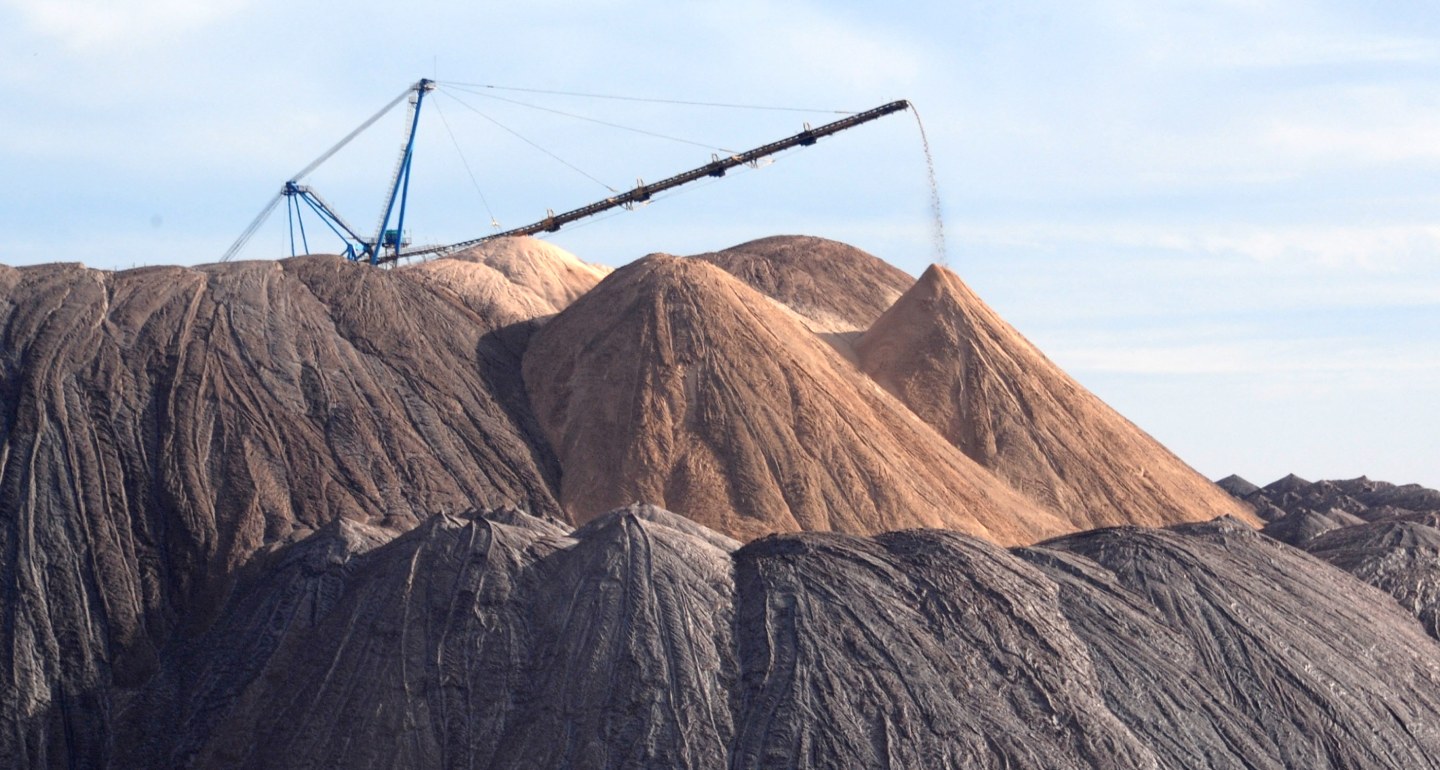
Trump has promised Belarus a massive potash deal. But Minsk is seeking something greater: restored Western transit and greater room for maneuver from Russia.

Balázs Jarábik