

Commentary
Sergey Vakulenko
{
  "authors": [
    "Sergey Vakulenko"
  ],
  "type": "commentary",
  "blog": "Carnegie Politika",
  "centerAffiliationAll": "",
  "centers": [
    "Carnegie Endowment for International Peace",
    "Carnegie Russia Eurasia Center"
  ],
  "englishNewsletterAll": "",
  "nonEnglishNewsletterAll": "",
  "primaryCenter": "Carnegie Russia Eurasia Center",
  "programAffiliation": "",
  "topics": [
    "Climate Change",
    "Energy",
    "Trade",
    "Foreign Policy"
  ]
}

Source: Getty
Without a ceasefire with Ukraine on attacking each other’s energy infrastructure—to which the Kremlin is unlikely to agree—the diesel agreement between Putin and Trump is largely for show, rather than representing a genuine increase in the volumes of Russian diesel on the global market.
Under the new diesel deal between U.S. President Donald Trump and his Russian counterpart Vladimir Putin, Russia will increase diesel exports to global markets and the United States in exchange for Washington suspending sanctions on Russian diesel through April 1, 2027. The deal has been greeted with dismay by Europe and Ukrainian President Volodymyr Zelensky, and skepticism among analysts and traders. It has also sent Russian oil company share prices soaring. But how much money does the Russian state stand to make from the deal? Will it help the global market, and will it mean lower prices at U.S. pumps?
Russia has long been one of the biggest players on the world’s diesel market. In 2025, Russian exports accounted for about 3 percent of global diesel consumption, and almost 10 percent of international trade volumes, putting it in second place on the list of exporters, between the United States and Saudi Arabia.
The war in Ukraine and ensuing Western sanctions against Russia have had little impact on Russian export volumes, which stood at around 40 million tons per year in both the pre-war 2021, and in 2025. What did change in that time was the main destinations: Türkiye, Brazil, and African countries took the place of the EU and the UK, while overland deliveries to Central Asia and Mongolia continued.
As recently as April this year, Russia had about 3 million tons of diesel available for export per month. By September, that had fallen almost ten-fold to around 325,000 tons per month due to Ukrainian attacks on Russian oil refineries, seasonal fluctuations in consumption, and a deficit on the domestic market.
To stabilize domestic prices, in July, the Russian government banned diesel exports outside of Central Asia and Mongolia. In theory, about 2 million tons of diesel could have been stockpiled under that ban by now, but that’s unlikely to have happened. Judging by data on tanker loading at Russian ports, seaborne exports of diesel did not in fact stop: 1.6–1.8 million tons were shipped by sea in the months since the ban was introduced, possibly using different customs codes to circumvent the ban.
The authorities likely knew what was going on and chose not to intervene. After all, Russia’s diesel storage capacity is limited, and if it had become full, refining volumes would have had to be reduced, resulting in lower gasoline production. That’s the last thing the government wants at a time of shortages at the pumps.
The export volumes agreed with Trump are unlikely to pose any particular difficulties for Russia. The deal is for 300,000 tons of diesel in October, 500,000 tons in November, and one million tons per month after that through April 2027—the period for which U.S. sanctions are suspended.
The easiest solution for the Russian authorities would be to simply formalize the volumes still being exported in spite of the current ban. That would make it possible to export 500,000 tons even in October without siphoning any diesel from the domestic market.
Diesel consumption in winter in Russia can be 25 percent lower than in September: there is a gradual decline from the peak in August and September to the lowest use in February. That frees up as much as a million tons of diesel for export every month.
The Russian government, which has plenty of informal methods of convincing companies to keep enough diesel back for domestic consumers, announced a partial lifting of the export ban on October 10. That is unlikely to pose a threat to the domestic market. Similarly, there is no law that says Russian companies have to comply with the OPEC+ decision to limit production, yet Russian companies have been largely adhering to the quotas set by the Energy Ministry for nearly a decade.
Russia doesn’t even need to redirect diesel away from the non-Western markets to which it has turned in recent years. Europe may be experiencing diesel shortages too, but it has no intention of buying it from Russia. And the United States itself does not need it, because it remains the world’s biggest exporter of diesel.
Trump’s interest in the deal stems not from diesel shortages in the United States, but from high prices for the fuel, which are a source of irritation for the majority of people who will be heading to the polls in three weeks’ time to vote in U.S. midterm elections.
For U.S. oil refineries that turn crude oil into diesel, this is a boom time. Usually, diesel costs 20–30 percent more than crude, while right now, it is twice the price, with all the difference going straight to the refineries. The United States as a whole has seen a slight improvement in its trade balance (a gain of 1–2 percent), so Trump would appear to have nothing to worry about.
But in reality, expensive diesel is bad for the rest of the U.S. economy: from freight and agricultural companies right up the chain of value creation and consumption. The losers from rising prices far outnumber the winners. U.S. refiners mostly make their profits not at the expense of foreigners, but from rising prices within the United States. In other words, this is not a case of value being created for the country, but of its redistribution.
The United States produces more diesel than it consumes, but prices on the U.S. market are still rising to keep pace with global prices. With no U.S. diesel export ban or export duties in place, the only way of lowering prices at home is to influence prices on the global market by increasing supply.
The most reliable and radical way to get new volumes of diesel onto the global market is to resolve the issue around the Strait of Hormuz. Increased supplies from Kuwait, Saudi Arabia, and the United Arab Emirates would quickly alleviate market instability. But Trump is currently unable to secure a swift victory over Iran, and signing a peace agreement on Iranian terms would mean an even greater loss of face and a drop in ratings. And so he has turned his attention back to another war: that between Russia and Ukraine.
Will the agreement between Russia and the United States really mean a fall in prices? In theory, oil and petrochemicals are commodities with fixed demand. Even small shortages can send prices sky-high, and even minor adjustments, accordingly, can start to bring them down again.
Yet 300,000 tons per month is too little to make a difference to a global market of 120 million tons per month, of which 30 million tons is traded internationally. And there is no way of obtaining any more diesel than that before the midterm elections on November 3.
Prices could fall on expectations that the market will see an additional 5 million tons in the next six months. But the Russian volumes have already been factored in by market players, who all understand that Russia exports as much as it can, and that Trump has little impact on that. Russia would in any case release all of its surplus diesel because it has nowhere to store it. And there is no source of additional volumes, however much Putin might wish to oblige his U.S. counterpart.
It might be another matter if there were expectations that Russian refining could return to 5.5 million barrels a day from its current 3.8–4 million barrels. But for that, Ukraine would have to stop the strikes against Russian refineries, and Kyiv is unlikely to do that, since the attacks are one of few levers it can apply to try to force Moscow to reduce the intensity of the conflict.
In theory, the diesel deal is worth about $7 billion based on current prices and a volume of about 5 million tons of diesel sold over six months. That’s about half of what Russia made from exporting oil and petrochemicals in August 2026. But to say Russia will make $7 billion from the deal would be to count it twice: after all, that diesel would have been exported in any case, albeit on less profitable terms. The most Russia can gain is from reducing the discount it previously had to offer buyers because of sanctions.
That said, there was no significant discount on Russian diesel even before—at least according to buyers’ customs statistics. Sales to Brazil are less profitable than sales to Europe before the war primarily because it costs more to transport the diesel. The suspension of U.S. sanctions won’t change anything in that respect, because EU sanctions on Russian diesel are still in force, which means transport costs will stay high.
With U.S. sanctions suspended, Russia is not limited to its “shadow fleet” and can use other tankers too, which should decrease shipping costs somewhat. But it still won’t be able to use vessels belonging to EU shipowners, which will reduce the effect.
In the best case, therefore, Russia stands to make $30–$40 per ton of product, or tens of millions of dollars per month: small fry for Russia. Furthermore, that cash will go not to the state budget, but to companies. The budget will only get its share in the form of tax paid on potentially increased profits. Nor can the Russian government allow oil companies to release more volumes of diesel for export to take advantage of the situation, as that would exacerbate the deficit on the domestic market and cost too much, both for the economy and for the government’s reputation.
The Russian budget could itself actually benefit from a reduction in global diesel prices. The tax system in Russia is structured in such a way that state coffers gain nothing from increased prices for exported petrochemicals (in contrast with crude prices, which, when they rise, result in additional income to the budget via the mineral extraction tax). The more expensive fuel is on foreign markets, the more the budget has to pay oil companies to sell the fuel on the domestic market at regulated prices under the price-stabilization or damper mechanism. So if global diesel prices fall, so will payments issued under that mechanism.
Ultimately, without a ceasefire with Ukraine on attacking each other’s energy infrastructure—to which the Kremlin is unlikely to agree—the diesel agreement between Putin and Trump is largely for show, rather than representing a genuine increase in the volumes of Russian diesel on the global market.

Senior Fellow, Carnegie Russia Eurasia Center
Sergey Vakulenko is a senior fellow at the Carnegie Russia Eurasia Center.
Recent Work
Sergey Vakulenko
Sergey Vakulenko
Carnegie does not take institutional positions on public policy issues; the views represented herein are those of the author(s) and do not necessarily reflect the views of Carnegie, its staff, or its trustees.

Despite a new textbook, an influx of Russian teachers and managers, and an end to the teaching of Ukrainian, the Kremlin is unlikely to have “reprogrammed” locals.

Konstantin Skorkin
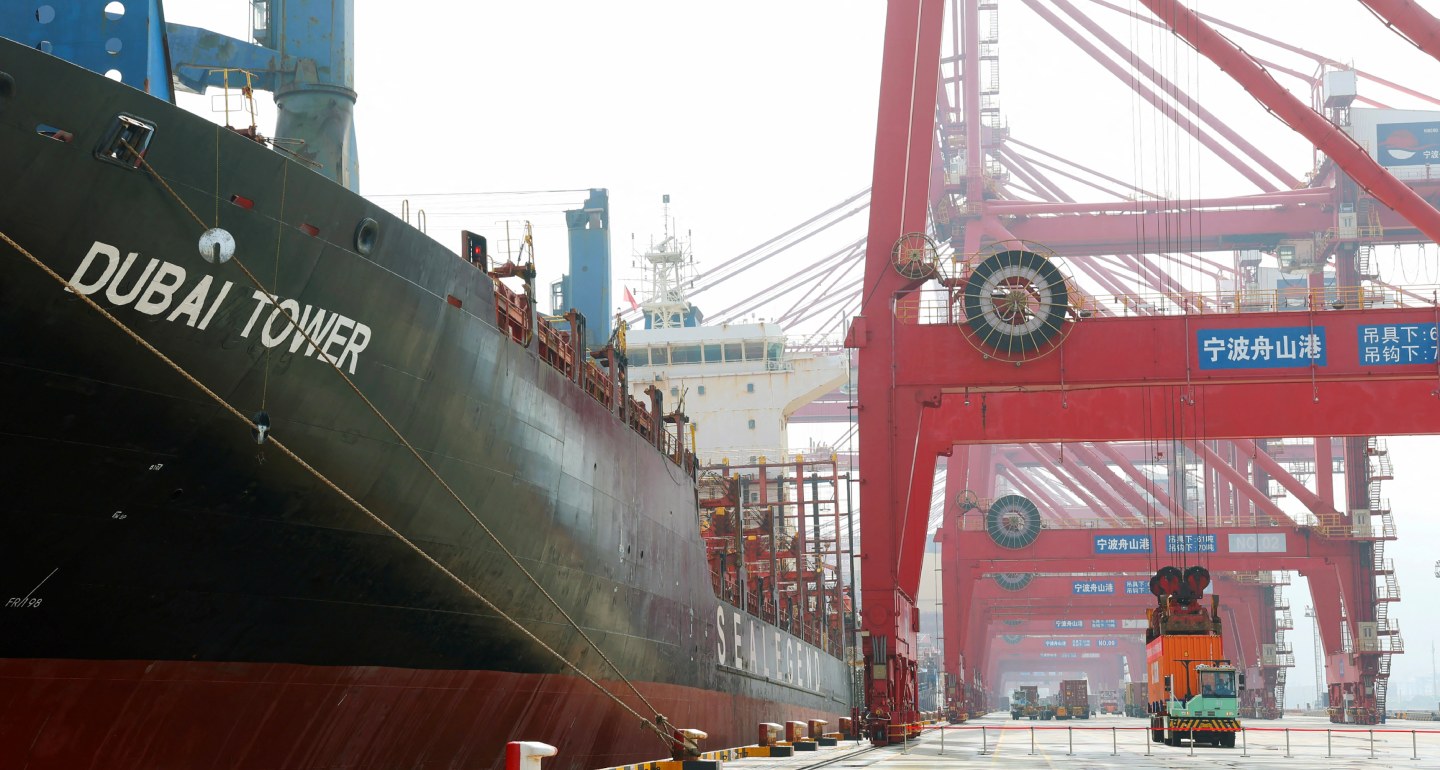
Cargo traffic through Russia’s Northern Sea Route has increased because of the disruption caused by the conflict in the Middle East, the Ukraine war, and U.S.-China tensions.

Mikhail Korostikov
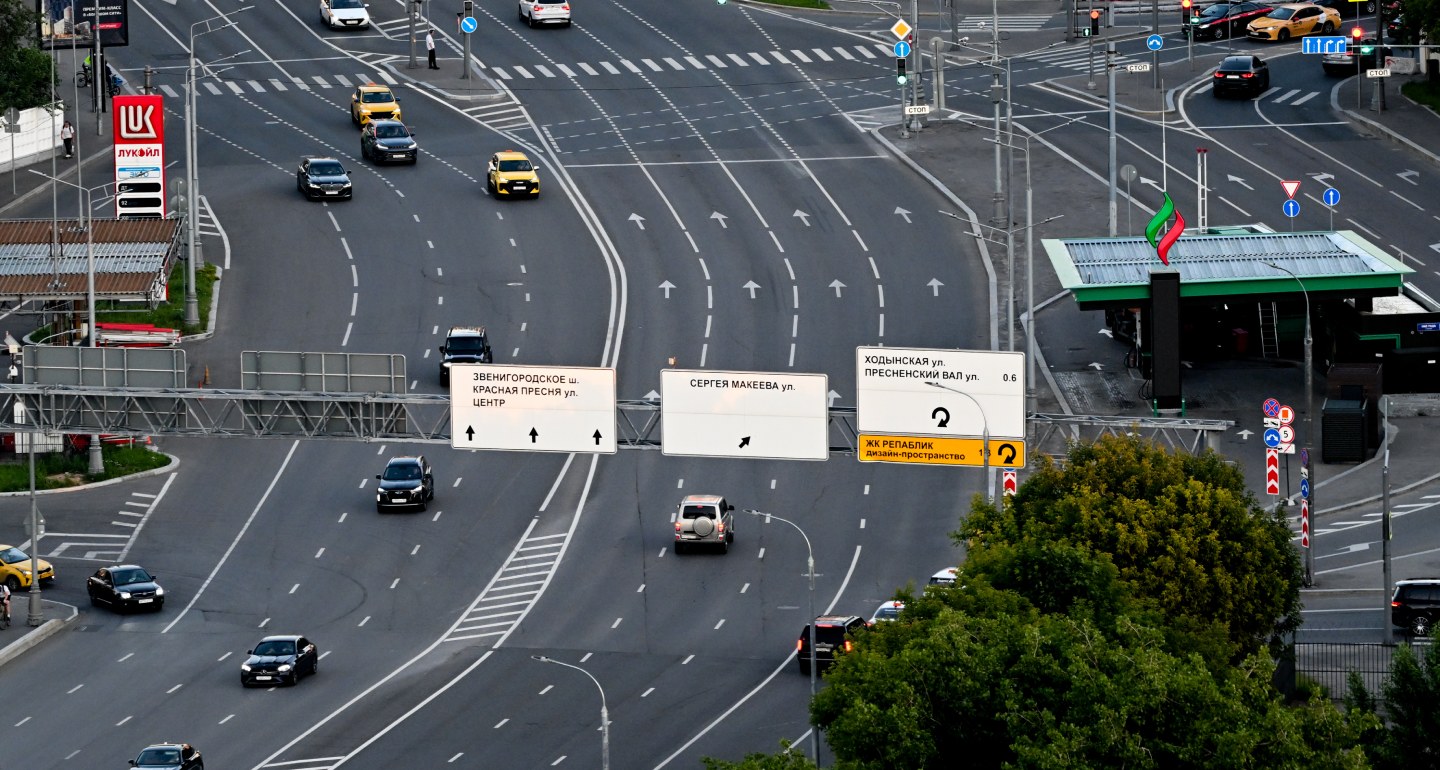
An analysis of traffic accident data suggests that Ukrainian drone attacks caused a material but not disastrous fall in Russian gasoline consumption over the summer.
Sergey Vakulenko
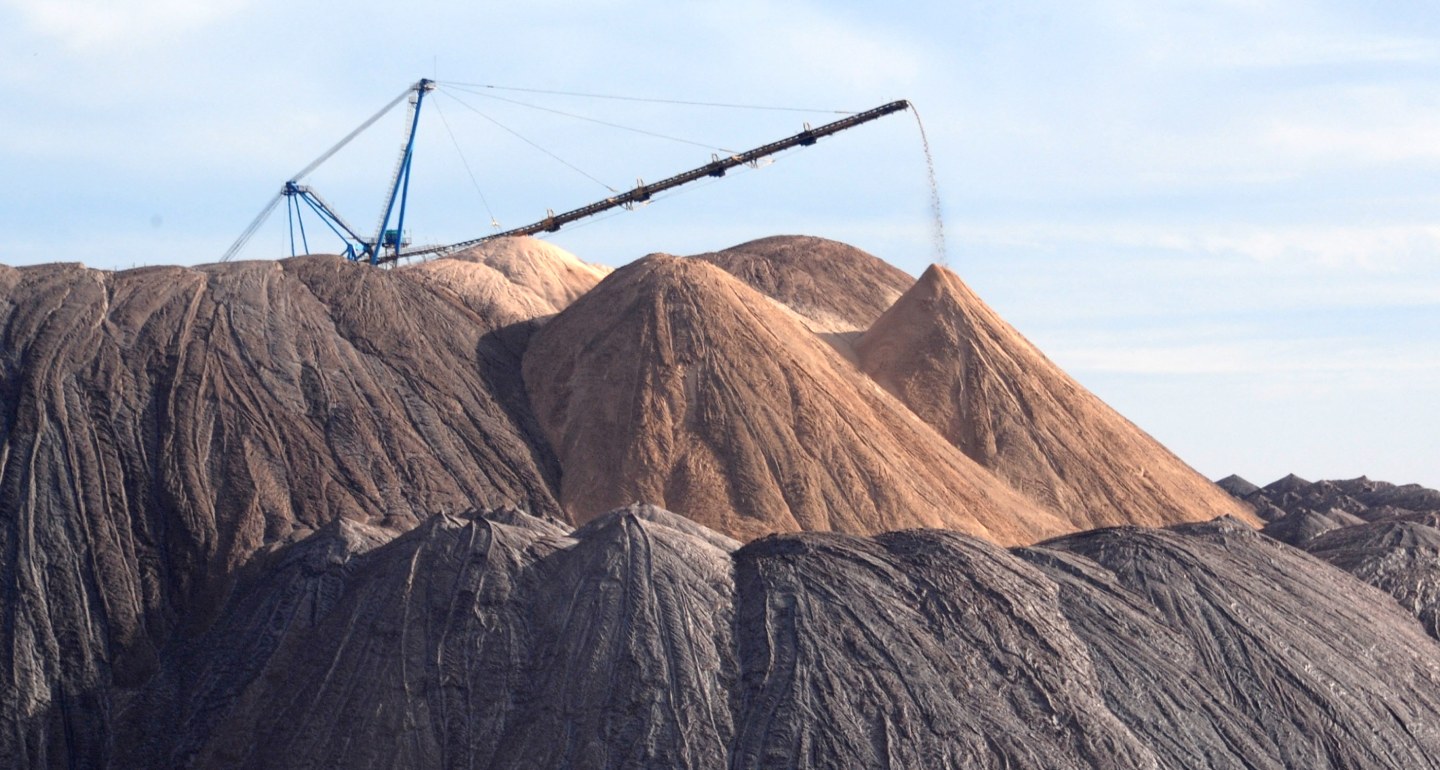
Trump has promised Belarus a massive potash deal. But Minsk is seeking something greater: restored Western transit and greater room for maneuver from Russia.

Balázs Jarábik
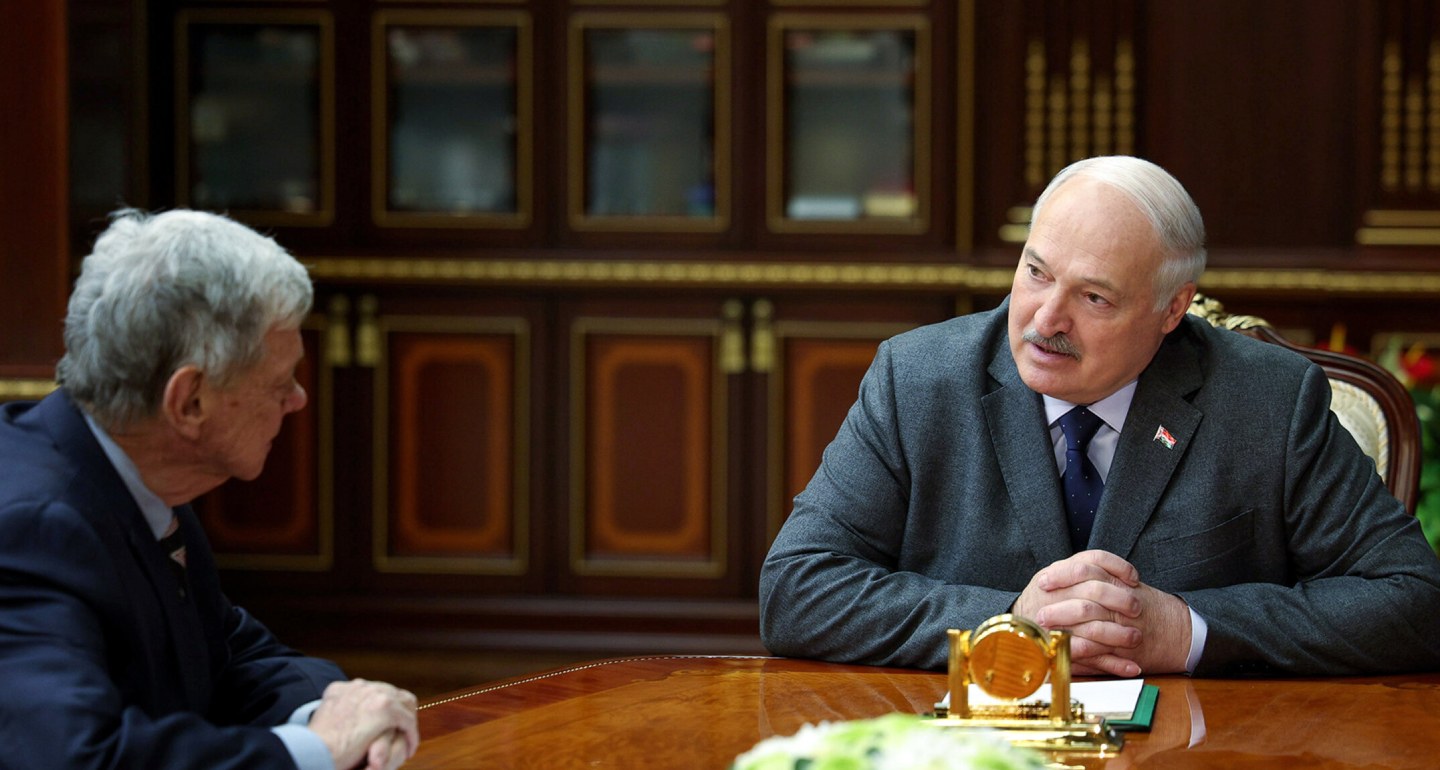
Minsk clearly expected the dialogue with Washington to yield more results, in particular the lifting of EU sanctions and permission to export potash.

Artyom Shraibman