

Q&A
- +1
Sheena Chestnut Greitens, Oriana Skylar Mastro, Yukon Huang, …
{
  "authors": [
    "Tong Zhao"
  ],
  "type": "other",
  "centerAffiliationAll": "dc",
  "centers": [
    "Carnegie Endowment for International Peace",
    "Carnegie China"
  ],
  "collections": [
    "U.S. Nuclear Policy",
    "Korean Peninsula"
  ],
  "englishNewsletterAll": "ctw",
  "nonEnglishNewsletterAll": "",
  "primaryCenter": "Carnegie China",
  "programAffiliation": "NPP",
  "programs": [
    "Nuclear Policy"
  ],
  "projects": [],
  "regions": [
    "United States",
    "South Korea",
    "China"
  ],
  "topics": [
    "Nuclear Policy"
  ]
}
Source: Getty
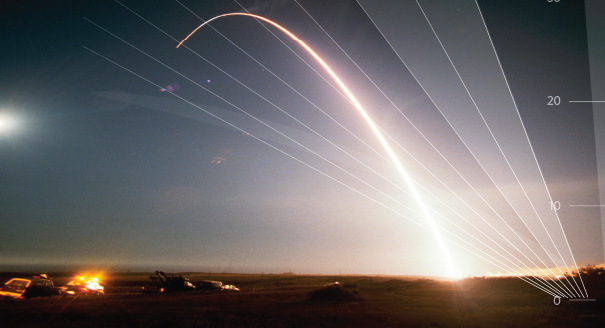
The deployment of the THAAD system has become a thorn in China’s ties with the United States and South Korea, with ample evidence suggesting that the three countries are divided on the understandings, purpose, and strategic motives of the THAAD system in South Korea.
Source: China International Strategy Review
In recent years, the deployment of the THAAD system has become a thorn in China’s ties with the United States and South Korea. This has undermined their capability and willingness to cooperate in addressing the growing challenge from the nuclear program of the Democratic People’s Republic of Korea (DPRK). There is ample evidence to suggest that the three countries are fundamentally divided on the understandings, purpose, and strategic motives of the THAAD system in South Korea. For all of these countries, effectively narrowing their differences and addressing their dispute relies on a thorough understanding of how the others think. Without a persistent effort to develop an empathetic understanding of the others’ real thinking, there would be no real prospect of progress.
To this end, the paper aims to analyze and compare respective perceptions toward the THAAD deployment in the strategic security communities in the United States, South Korea, and China, and to promote more nuanced and objective balanced understandings of this complex issue among the policymakers and experts in these countries.
I. The Nature of the THAAD Dispute
China’s Foreign Ministry officials have reiterated that THAAD is not simply a technical issue, but a strategic one. This is echoed by most Chinese experts, who argue that THAAD is an issue of major political and strategic importance to China.
American and South Korean officials and experts, however, tend to look at the issue through the lens of the technical details of the missile defense system, and have a difficult time to understand why China does not want to discuss the technical capabilities but insists on taking it as a strategic and political problem and exerts pressure on South Korea accordingly. The author has followed the THAAD-related discussions within the US strategic community and had in-depth discussions with American scholars and officials, including various Track II level dialogues. According to my observation, the US misunderstanding of China’s stance has led to a common belief in Washington: China is fully aware that THAAD does not pose any serious threat to its security; it has no substantial concern over the system; and its vehement opposition is actually choreographed to serve other geopolitical objectives. Based on this view, the US concludes that since any good-faith discussion with China on THAAD is unlikely to get anywhere, it may as well ignore China’s “unreasonable” and ill-intentioned demands and stick to what it deems perfectly “reasonable” deployment of THAAD. Judging from my discussions with South Korean scholars and officials, this view is widely embraced in South Korea as well. Most South Korean experts also believe that THAAD can provide useful protection against DPRK’s missile threat, and it was not due to American coercive pressure that the South Korean government made the decision to install THAAD.
In comparison, China’s understanding about the motives behind the THAAD deployment is fundamentally different. A
very popular view is that dealing with DPRK’s nuclear threat is just an American excuse and the main—or the real—target of THAAD is China; the objective is to implement a policy of strategic containment against China, through undermining China’s strategic security interests and disrupting the regional strategic balance. As for South Korea, China is convinced that the country fully understands that THAAD cannot effectively protect it; nonetheless, it is arm-twisted into approving the deployment by the US pressure. In other words, China has little doubt that South Korea made a decision to pick side in this China-US dispute to enhance its military alliance with the latter, despite knowing very well that THAAD would seriously undermine China’s key security interests.
For the ease of writing in this paper, the US and South Korea, who share similar perceptions, are grouped together as one side in the THAAD dispute, while China is on the other side. For both sides, there is a clear difference between how one understands its own strategic intentions and how such intentions are understood by the other side. The deep perceptual gap has led to serious mutual misunderstandings that make their differences seem irreconcilable. If one continues resorting to pressure tactics in the hope to force the other side to change positions, there would be no way to settle the dispute. Now is the time for experts from the two sides to explore causes of such huge perceptual gap and develop a common strategy to solve it.
This article was originally published in China International Strategy Review.

Senior Fellow with the Nuclear Policy Program and Carnegie China
Tong Zhao is a senior fellow with the Nuclear Policy Program and Carnegie China, Carnegie’s East Asia-based research center on contemporary China. Formerly based in Beijing, he now conducts research in Washington on strategic security issues.
Recent Work



Sheena Chestnut Greitens, Oriana Skylar Mastro, Yukon Huang, …
Carnegie does not take institutional positions on public policy issues; the views represented herein are those of the author(s) and do not necessarily reflect the views of Carnegie, its staff, or its trustees.

Trump has promised Belarus a massive potash deal. But Minsk is seeking something greater: restored Western transit and greater room for maneuver from Russia.

Balázs Jarábik

Minsk clearly expected the dialogue with Washington to yield more results, in particular the lifting of EU sanctions and permission to export potash.

Artyom Shraibman

With the growth in points of friction between the great powers, organizations like the SCO will continue to play a role in the strategic adaptation of the smaller powers caught between them.

Temur Umarov
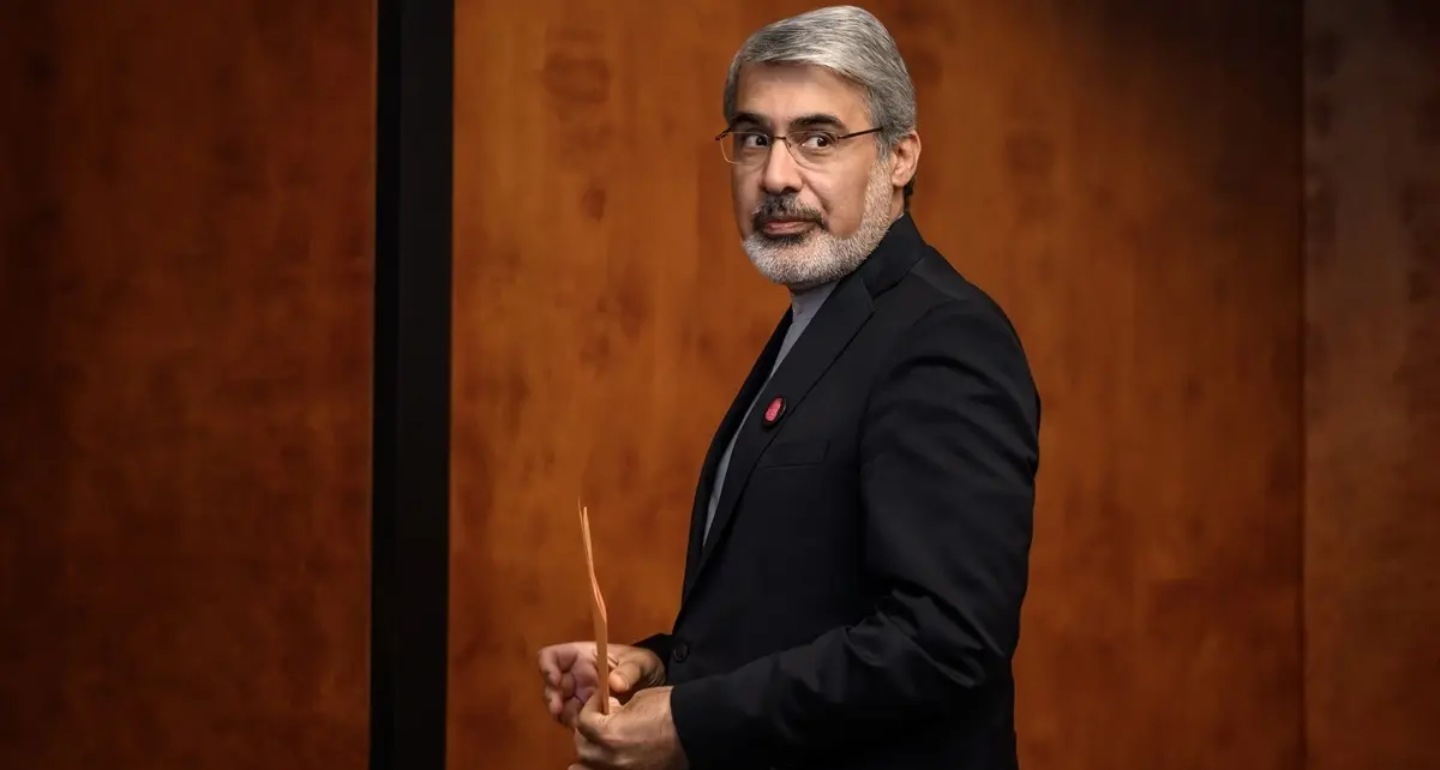
Ongoing uncertainty in the Middle East allows Moscow to both increase its influence in Tehran and continue to enjoy the financial windfall of higher oil prices.

Nikita Smagin
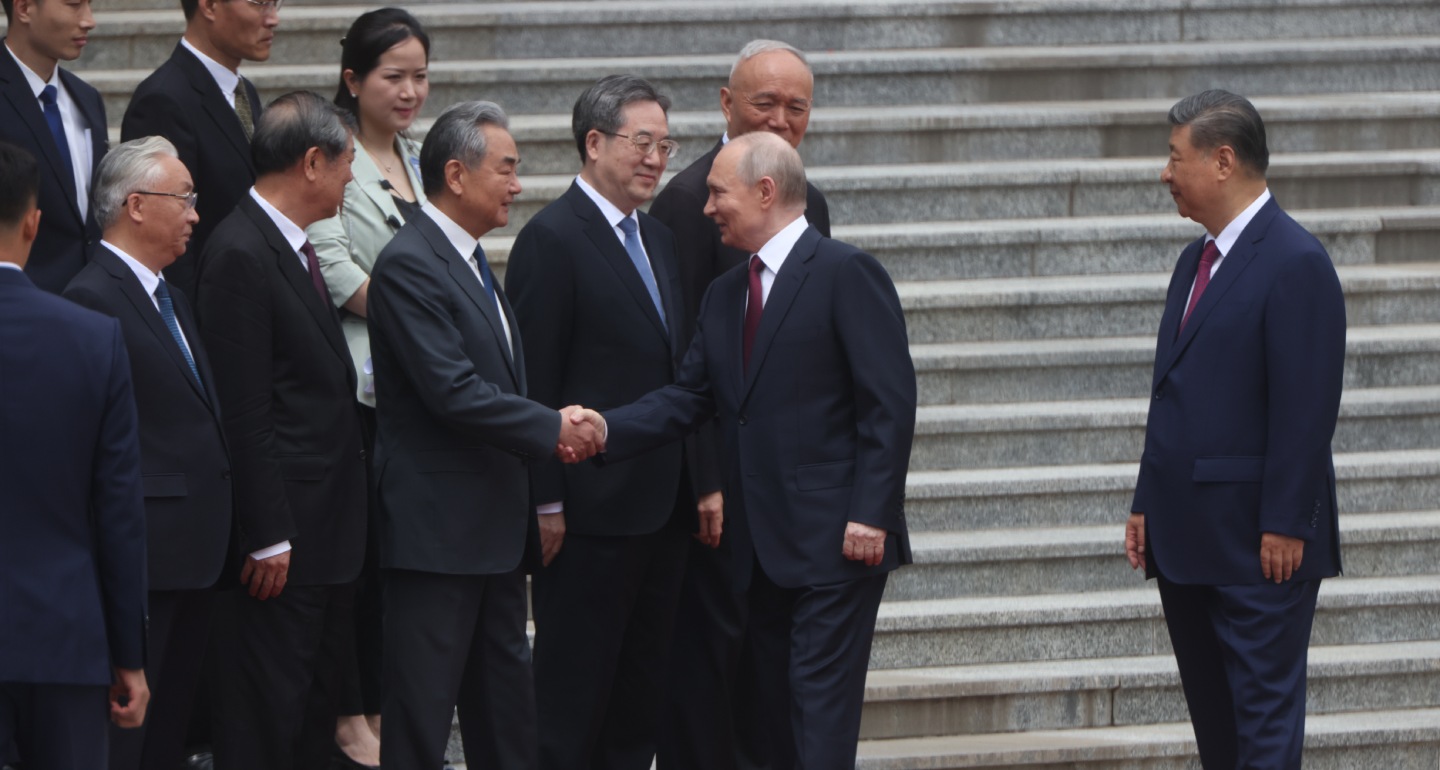
With no key agreement signed on the Power of Siberia 2 gas pipeline, there is a risk that the window of opportunity for Russia will close if Chinese power generation becomes so green that new gas sources are no longer of any interest to Beijing.

Alexander Gabuev