

Paper
- +3
Rajesh Bansal, Anirudh Burman, Rudra Chaudhuri, …
{
  "authors": [
    "Srinath Raghavan"
  ],
  "type": "legacyinthemedia",
  "centerAffiliationAll": "",
  "centers": [
    "Carnegie Endowment for International Peace",
    "Carnegie India"
  ],
  "collections": [],
  "englishNewsletterAll": "",
  "nonEnglishNewsletterAll": "",
  "primaryCenter": "Carnegie India",
  "programAffiliation": "",
  "programs": [],
  "projects": [],
  "regions": [
    "United States",
    "India"
  ],
  "topics": [
    "Foreign Policy"
  ]
}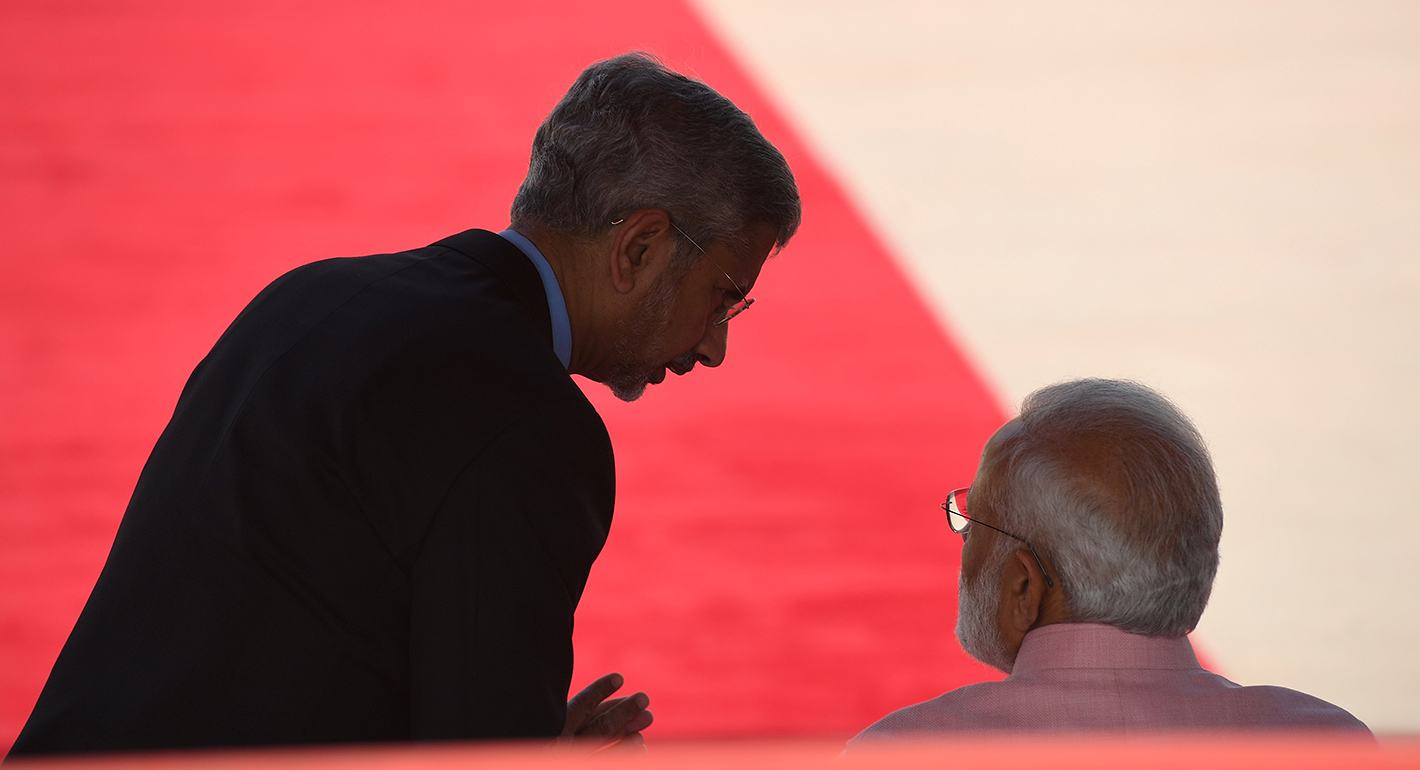
Source: Getty
Hours after he took over as the external affairs minister in the new Narendra Modi government, former diplomat S. Jaishankar had a situation on hand. U.S. President Donald Trump formally rescinded India’s designation as a beneficiary developing country under the Generalized System of Preferences.
Source: Print
Hours after he took over as the external affairs minister in the new Narendra Modi government, former diplomat S. Jaishankar had a situation on hand. US President Donald Trump formally rescinded India’s designation as a beneficiary developing country under the Generalized System of Preferences (GSP).
This designation, accorded to India in November 1975, provided preferential duty-free access to the US markets for an array of goods. It is the clearest expression yet of Trump’s intention to confront economic differences, especially bilateral trade deficit, with India head on — irrespective of its implications for the wider US-India relationship. While Jaishankar is no stranger to these issues, the context in which he will have to deal with them is more challenging than ever.

Nonresident Senior Fellow, Security Studies Program
Srinath Raghavan is a nonresident senior fellow at Carnegie India. His primary research focus is on the contemporary and historical aspects of India’s foreign and security policies.
Recent Work


Rajesh Bansal, Anirudh Burman, Rudra Chaudhuri, …
Srinath Raghavan
Carnegie does not take institutional positions on public policy issues; the views represented herein are those of the author(s) and do not necessarily reflect the views of Carnegie, its staff, or its trustees.
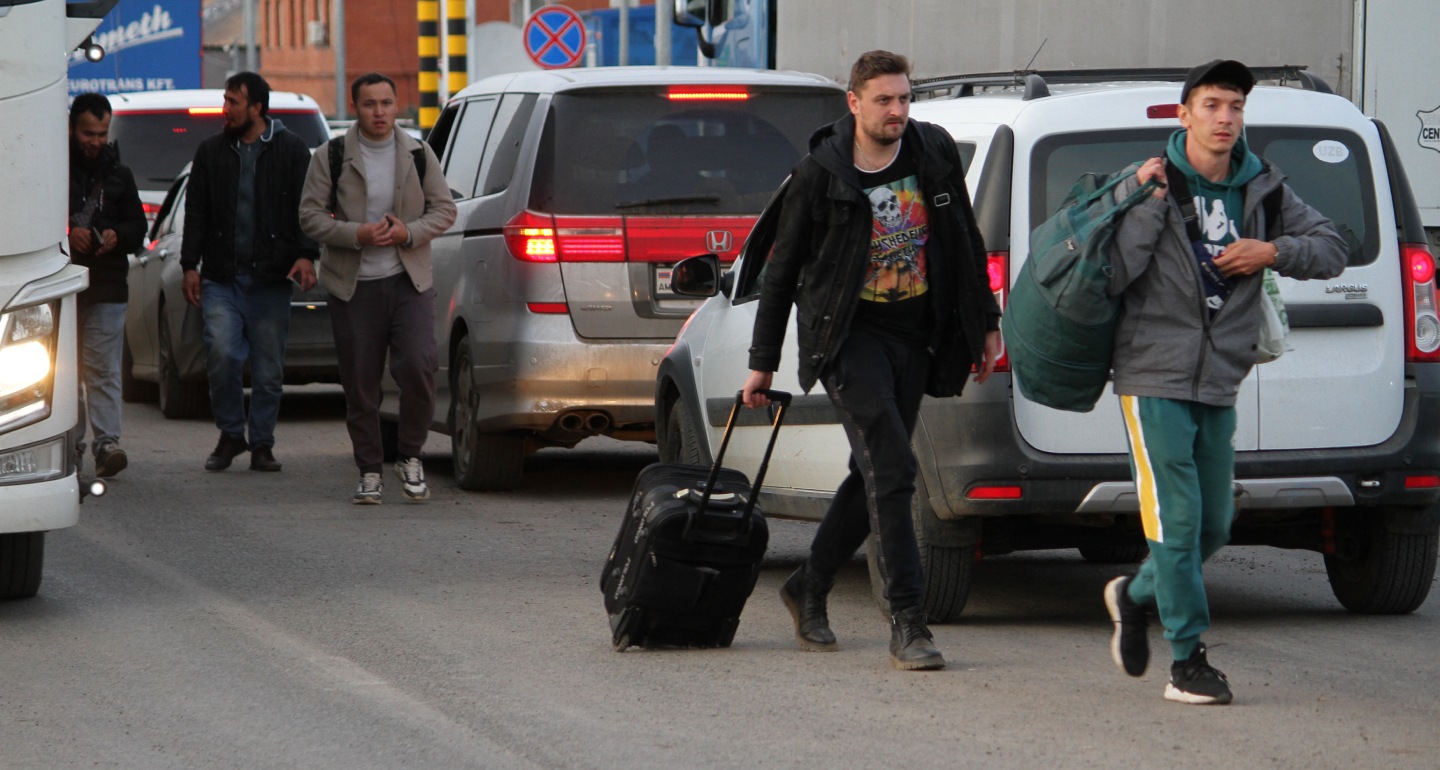
The current U.S. indifference to human rights means Astana no longer has any incentive to refuse extradition requests from its authoritarian neighbors—including Russia.

Temur Umarov
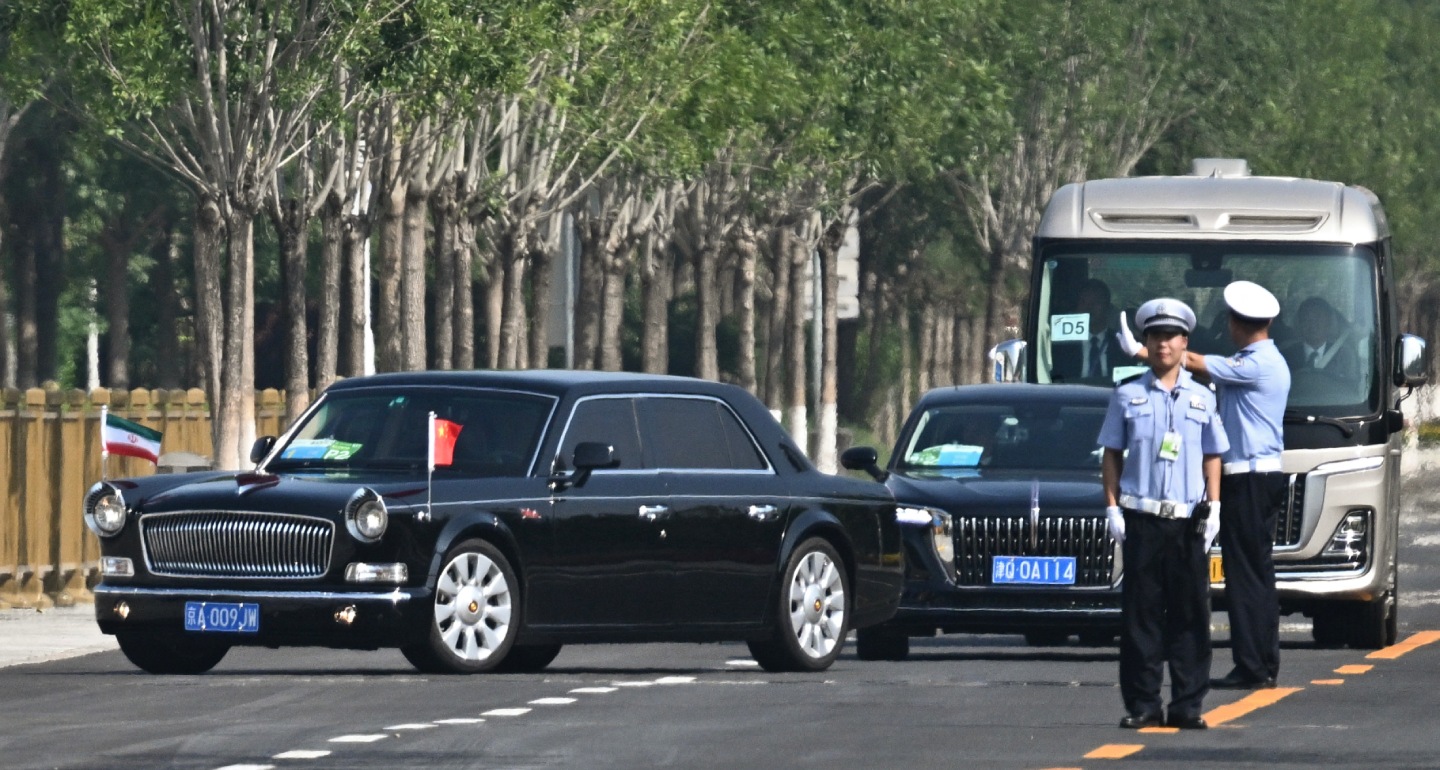
Most of Moscow’s military resources are tied up in Ukraine, while Beijing’s foreign policy prioritizes economic ties and avoids direct conflict.

Alexander Gabuev, Temur Umarov
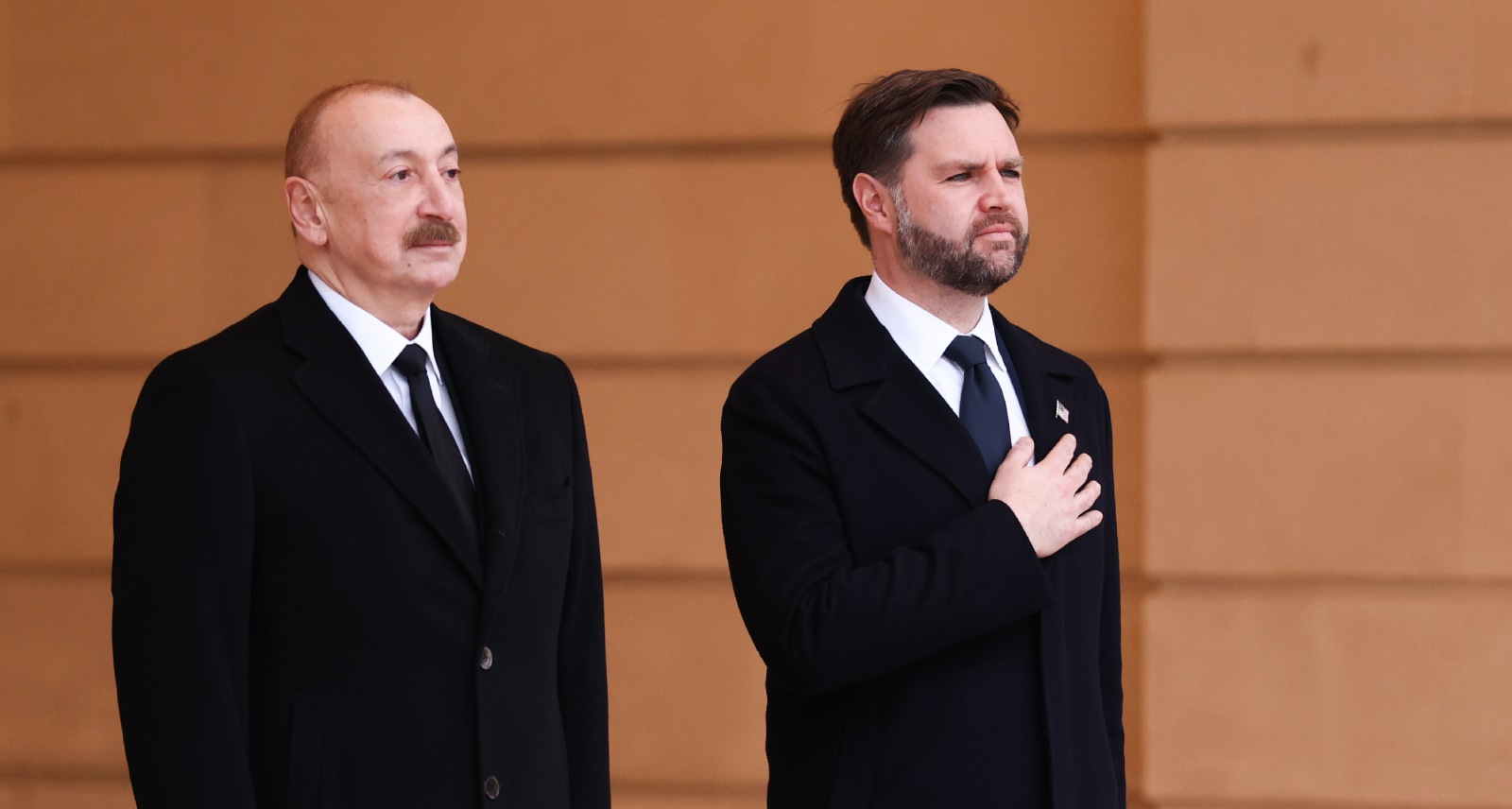
With the White House only interested in economic dealmaking, Georgia finds itself eclipsed by what Armenia and Azerbaijan can offer.

Bashir Kitachaev
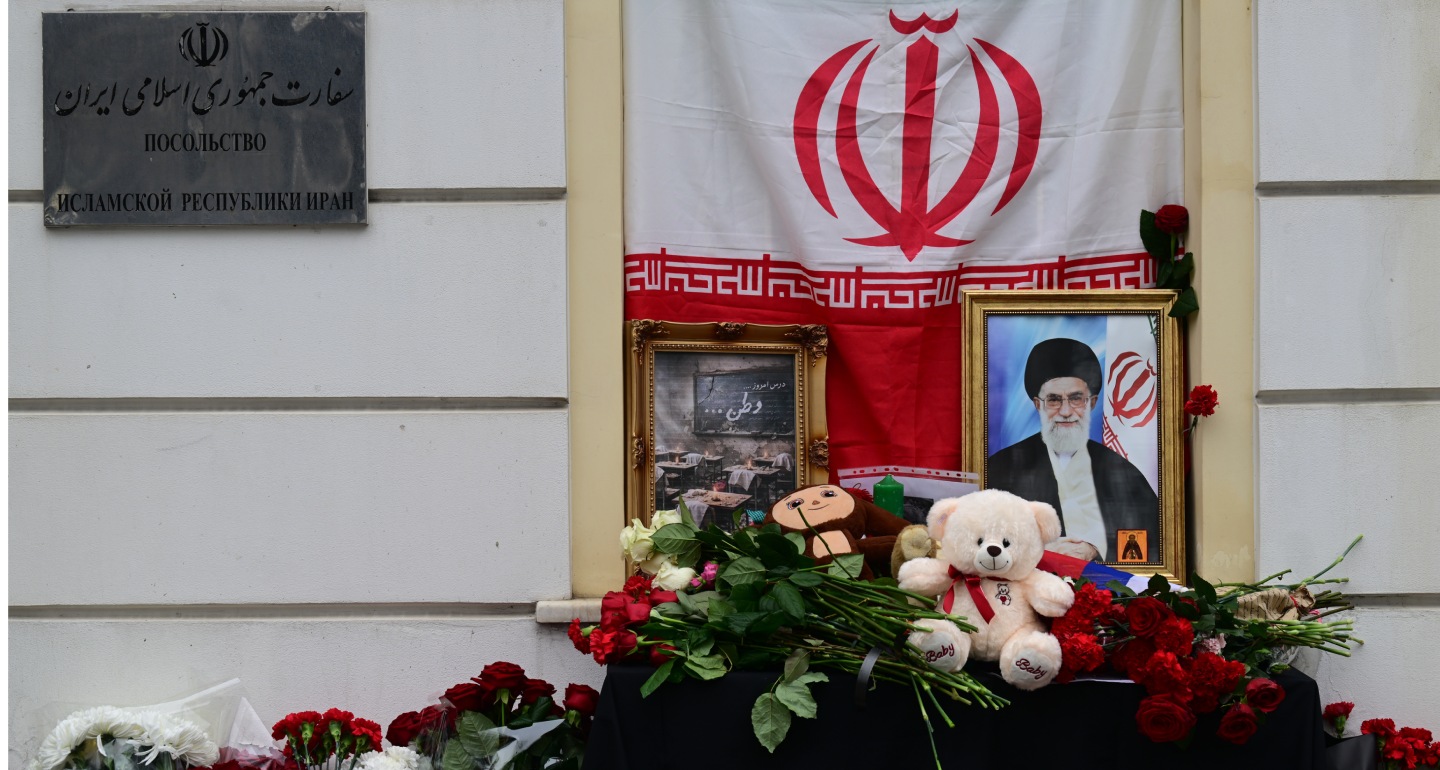
If the regime in Tehran survives, it could be obliged to hand Moscow significant political influence in exchange for supplies of weapons and humanitarian aid.

Nikita Smagin

The interventions in Iran and Venezuela are in keeping with Trump’s strategy of containing China, but also strengthen Russia’s position.

Mikhail Korostikov