

Article
Alejandro Martin Rodriguez, Joy Arkeh, Sarah Yerkes
{
  "authors": [
    "Sarah Yerkes"
  ],
  "type": "legacyinthemedia",
  "centerAffiliationAll": "dc",
  "centers": [
    "Carnegie Endowment for International Peace"
  ],
  "collections": [],
  "englishNewsletterAll": "menaTransitions",
  "nonEnglishNewsletterAll": "",
  "primaryCenter": "Carnegie Endowment for International Peace",
  "programAffiliation": "MEP",
  "programs": [
    "Middle East"
  ],
  "projects": [
    "Tunisia Monitor"
  ],
  "regions": [
    "North America",
    "United States",
    "North Africa",
    "Tunisia"
  ],
  "topics": [
    "Political Reform",
    "Democracy",
    "Foreign Policy"
  ]
}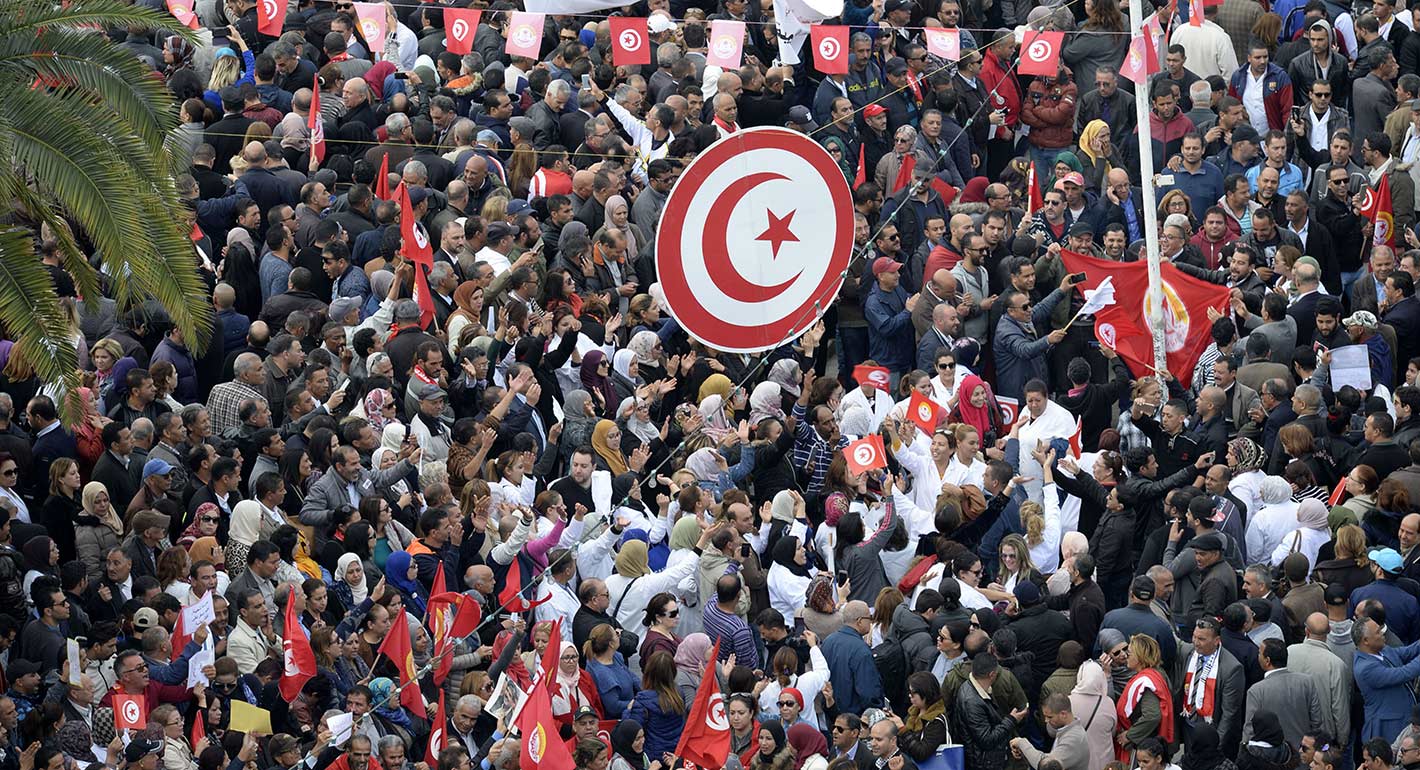
Source: Getty
Tunisians are increasingly turning toward U.S. rivals for support. This shift in attitude toward the United States comes amidst a political crisis that highlights the fragility of the country’s democratic transition.
Source: Washington Post
Tomorrow, the United States and Tunisia will hold their third Strategic Dialogue, chaired by Secretary of State Mike Pompeo and Tunisian Foreign Minister Khemaies Jhinaoui, the latest in a series of high-level diplomatic moves meant to publicly express U.S. support for the world’s youngest democracy.
The Strategic Dialogue follows the June 14 Joint Economic Commission where officials from both countries discussed ways to increase U.S. private sector investment in Tunisia. And both the House Foreign Affairs and Senate Foreign Relations Committees introduced resolutions in June re-affirming U.S. support for Tunisia.
While this uptick in engagement is a welcome development, following nearly two years of the United States ignoring Tunisia, the nice rhetoric rings hollow in the face of the Trump administration’s repeated request to dramatically cut U.S. assistance to Tunisia. President Donald Trump’s FY20 budget request of $86.4 million is a decrease of nearly two-thirds from the $241.4 million Congress appropriated in FY19. While Congress has consistently ignored the Trump administration’s requested cuts and continued to fund Tunisia at approximately the same levels each year, the administration’s continued desire to slash aid to a country on the front lines of the fight against the Islamic State, who is also facing severe economic challenges and is in the midst of a political transition, does not go unnoticed.
A recent Arab Barometer survey of Tunisia found that only 45 percent Tunisians agree with the statement that Americans are good people regardless of U.S. foreign policy– an 11 point drop from the previous survey. And three in ten Tunisians think violence against the United States may be justified. This is particularly scary in a country that was the number one contributor of foreign fighters to the Islamic State in Iraq and Syria.
Tunisians are increasingly turning toward American’s rivals— Russia and China— for support. The same survey found that only 45 percent of Tunisians prefer stronger ties with the United States—compared to 63 percent for China, 57 percent for Turkey and 50 percent for Russia. Additionally, more Tunisians say they want foreign aid from China and Russia to increase (50 and 46 percent, respectively), than from the United States (45 percent).
This shift in attitude towards the United States comes amidst a political crisis that began unfolding in Tunis in late June, highlighting the fragility of the country’s democratic transition. When 92-year-old President Beji Caid Essebsi was rushed to the hospital after suffering from a “severe health crisis,” it quickly became clear that the country is without a viable succession plan.
While the 2014 constitution details the process by which power should be transferred from an incapacitated president to the prime minister, the body who would legally determine if the president is incapacitated (the constitutional court) does not yet exist. And had the president become permanently incapacitated, power would have gone to the 85-year-old speaker of parliament— who was also hospitalized at the time.
Leadership crisis
This shift in attitude towards the United States comes amidst a political crisis that began unfolding in Tunis in late June, highlighting the fragility of the country’s democratic transition. When 92-year-old President Beji Caid Essebsi was rushed to the hospital after suffering from a “severe health crisis,” it quickly became clear that the country is without a viable succession plan.
While the 2014 constitution details the process by which power should be transferred from an incapacitated president to the prime minister, the body who would legally determine if the president is incapacitated (the constitutional court) does not yet exist. And had the president become permanently incapacitated, power would have gone to the 85-year-old speaker of parliament— who was also hospitalized at the time.
This example of the country building the democratic ship as it sails is just one of the reasons Tunisia suffers from a massive trust gap between the public and the government, a dangerous situation as the country heads towards its second ever democratic parliamentary and presidential elections in October and November of this year.
The picture is also quite bleak for Tunisia’s economy, although there are some positive signs such as increased tourism numbers this summer and both the IMF and World Bank have recently released loans to Tunisia to help the country meet some of their economic challenges. However, unemployment remains higher than in days before the revolution and Tunisians are increasingly leaving for Europe and the United States in search of jobs and better living conditions.
Three recent small-scale terror attacks in the capital highlight that Tunisia’s democratic progress also makes it a target for violent extremists such as the Islamic State. Tunisians are also very concerned about spillover from the conflict in Libya, which is showing no signs of ending, with the potential for weapons and terrorists to flood southern Tunisia and destabilize the country.
The attention Tunisia is receiving from the U.S. administration this summer is rare for a small country that, compared to its neighbors, is doing relatively well. But the Strategic Dialogue is an opportunity for more than just a photo op between Tunisian and US officials.
The United States could provide Tunisia with the sort of substantive support it needs to make it through the next phase of its democratic transition. One possibility is for the United States and Tunisia to sign a short-term memorandum of understanding guaranteeing a certain level of foreign assistance (perhaps $180 million – the average of bilateral assistance from FY2016 to FY2019) to alleviate Tunisia’s fears over continued administration attempts at budget cuts and help with long-term strategic planning of security and economic assistance expenditures.
The dialogue will likely focus on the upcoming national elections and the security challenges. However, given the Tunisian public’s increasing turn away from Washington, it would be wise for the two country’s leaders to also address ways to improve U.S.-Tunisia relations at the grassroots level and to look beyond our shared democratic values as ties that bind our countries together. As the survey results show, the United States can no longer take Tunisian support for the United States for granted.
This article was originally published by the Washington Post.

Acting Co-Director and Senior Fellow, Middle East Program
Sarah Yerkes is acting co-director and a senior fellow in Carnegie’s Middle East Program, where her research focuses on Tunisia’s political, economic, and security developments as well as state-society relations in the Middle East and North Africa.
Recent Work

Alejandro Martin Rodriguez, Joy Arkeh, Sarah Yerkes
Alejandro Martin Rodriguez, Sarah Yerkes
Carnegie does not take institutional positions on public policy issues; the views represented herein are those of the author(s) and do not necessarily reflect the views of Carnegie, its staff, or its trustees.

Russia’s ruling party would have benefited from Putin appearing as its distant patron, but as an active frontman imposing his views on the public, he has done nothing but harm both the party’s election campaign and the ruling system overall.

Andrey Pertsev

In the tenth year of his presidency, President Mirziyoyev’s system is becoming even more personalized than that of his predecessor Karimov.

Galiya Ibragimova

With the growth in points of friction between the great powers, organizations like the SCO will continue to play a role in the strategic adaptation of the smaller powers caught between them.

Temur Umarov
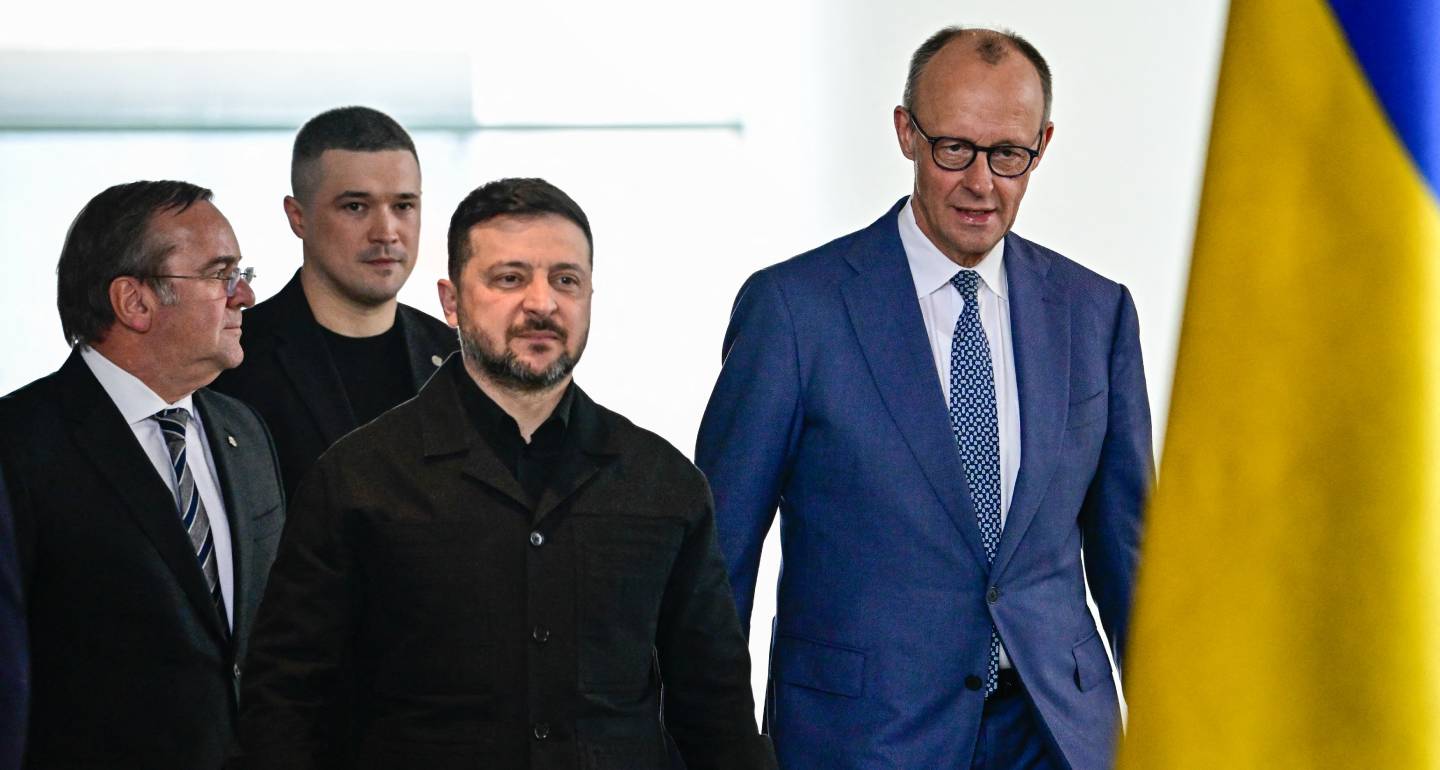
The greater threat to Zelensky comes not from Fedorov alone, but from the convergence between the former defense minister’s political campaign and the anti-corruption investigations moving ever closer to the presidential administration.

Balázs Jarábik
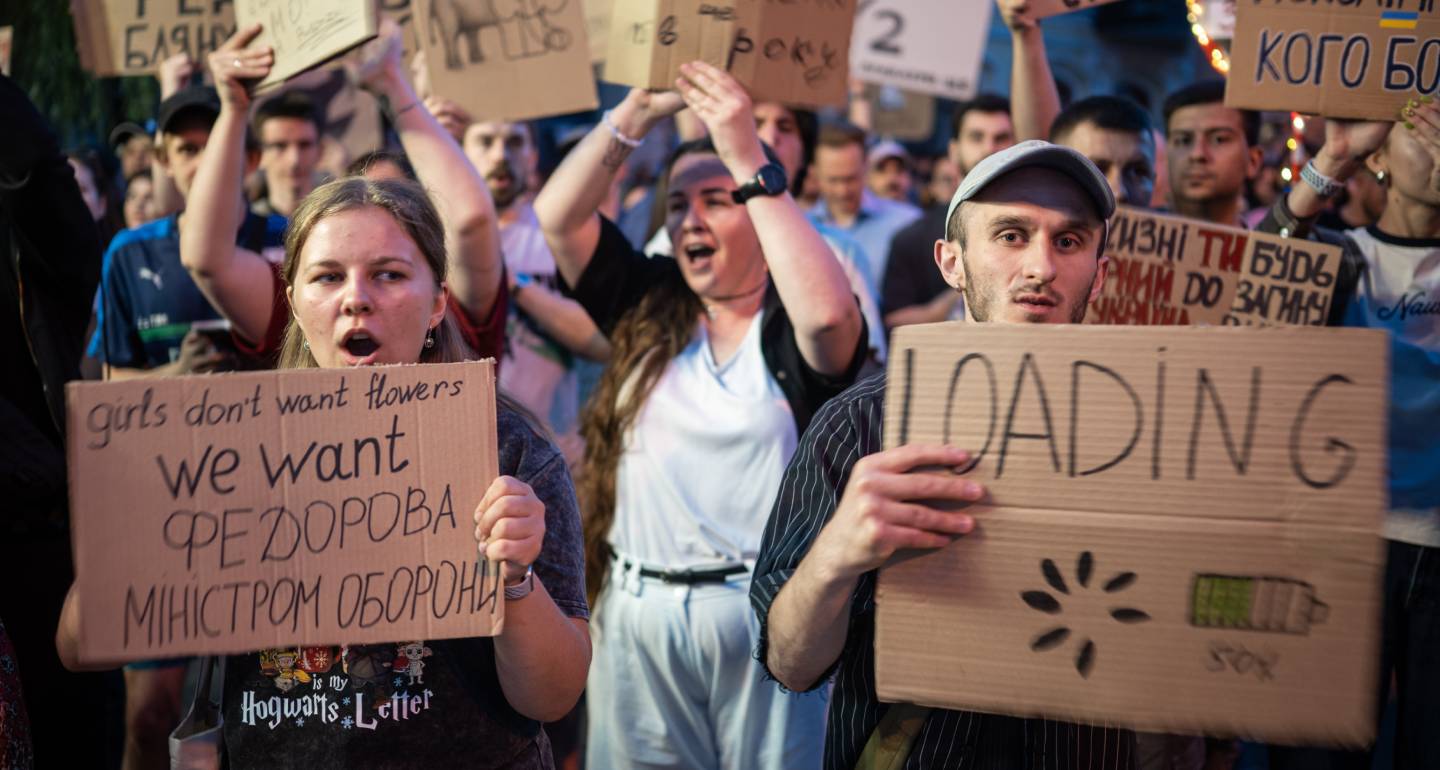
With his public call for new elections in Ukraine, ex-defense minister Mykhailo Fedorov has opened Pandora’s box.

Konstantin Skorkin