

Paper
- +3
Rajesh Bansal, Anirudh Burman, Rudra Chaudhuri, …
{
  "authors": [
    "Srinath Raghavan"
  ],
  "type": "commentary",
  "centerAffiliationAll": "",
  "centers": [
    "Carnegie Endowment for International Peace",
    "Carnegie India",
    "Carnegie China"
  ],
  "collections": [],
  "englishNewsletterAll": "",
  "nonEnglishNewsletterAll": "",
  "primaryCenter": "Carnegie India",
  "programAffiliation": "",
  "programs": [],
  "projects": [],
  "regions": [
    "South Asia",
    "India",
    "East Asia",
    "China"
  ],
  "topics": []
}
Source: Getty
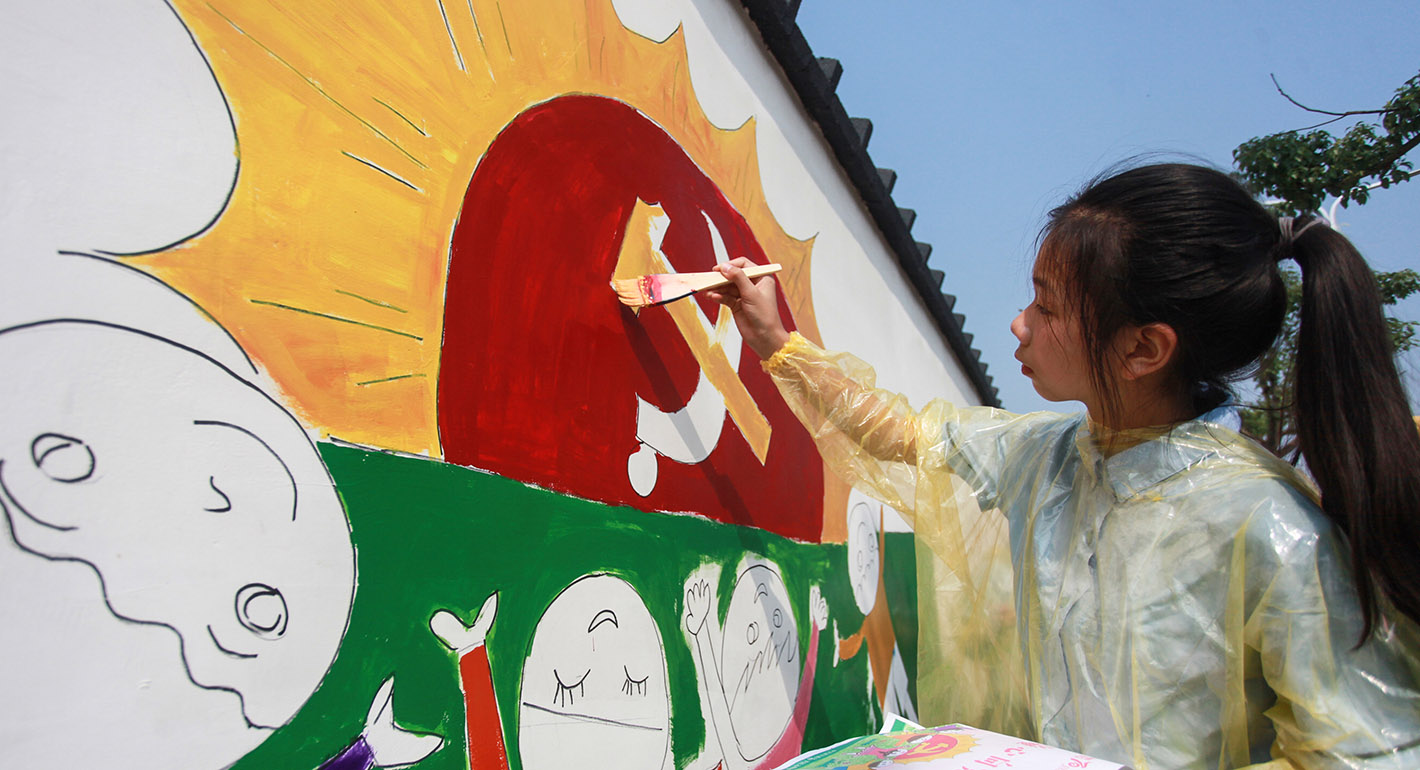
India has always taken a multifaceted view of China. Yet broadly speaking, over the past seventy years, the relationship has evolved through three distinct phases.
The image of China in Indian minds has evolved and changed over the past seven decades. China has been perceived in many ways by many different audiences in India. At the risk of oversimplification, there have been three phases in which China’s image has changed and evolved.
The first phase lasted for a decade, from the founding of the PRC in 1949 to 1959. During these years, India regarded China as a fellow Asian country that had emerged from imperial control and stood ready to craft a new future. Although the political systems of the two countries were rather different, many Indians—including the top political leadership—believed that the countries had lots of avenues for cooperation and learning. This honeymoon period came to a close in 1959, when the border dispute came to the fore and the Dalai Lama fled Lhasa, Tibet, to take refuge in India.
Over the next three years, these tensions rose to a boil and culminated in the Sino-Indian War of October-November 1962. During the same period, public and elite perceptions of China turned sharply negative. For many Indians who lived through the defeat of November 1962, Communist China came to be seen as an aggressive neighbor that sought to humiliate a democratic, non-aligned India. It took almost three decades for China-India relations to recover. Prime Minister Rajiv Gandhi’s visit to Beijing in 1989, and his meetings with Deng Xiaoping, marked the beginning of a new phase.
The most recent phase, over the past twenty-five years, has been marked by India’s admiration for China’s developmental accomplishments. India also has questions about what China’s rise means for the international order and itself. Can the cooperative and competitive elements in the relationship coexist?
This quick take is part of a series authored by scholars from across the Carnegie Endowment’s global network, in advance of the seventieth anniversary of the founding of the People’s Republic of China.

Nonresident Senior Fellow
Srinath Raghavan is a nonresident senior fellow at Carnegie India. His primary research focus is on the contemporary and historical aspects of India’s foreign and security policies.
Recent Work


Rajesh Bansal, Anirudh Burman, Rudra Chaudhuri, …
Srinath Raghavan
Carnegie does not take institutional positions on public policy issues; the views represented herein are those of the author(s) and do not necessarily reflect the views of Carnegie, its staff, or its trustees.

With the growth in points of friction between the great powers, organizations like the SCO will continue to play a role in the strategic adaptation of the smaller powers caught between them.

Temur Umarov
The demands of the Kremlin’s war in Ukraine, demographic problems, and public hostility toward Central Asians mean Russia does not have enough workers.

Salavat Abylkalikov
With no key agreement signed on the Power of Siberia 2 gas pipeline, there is a risk that the window of opportunity for Russia will close if Chinese power generation becomes so green that new gas sources are no longer of any interest to Beijing.

Alexander Gabuev
Tokyo would have to surmount a lot of obstacles—not least Western sanctions—if it wanted to return Russian oil imports to even modest pre-2022 volumes.

Vladislav Pashchenko
For the Middle Corridor to fulfill its promises, one of these routes must become scalable. At present, neither is.

Friedrich Conradi