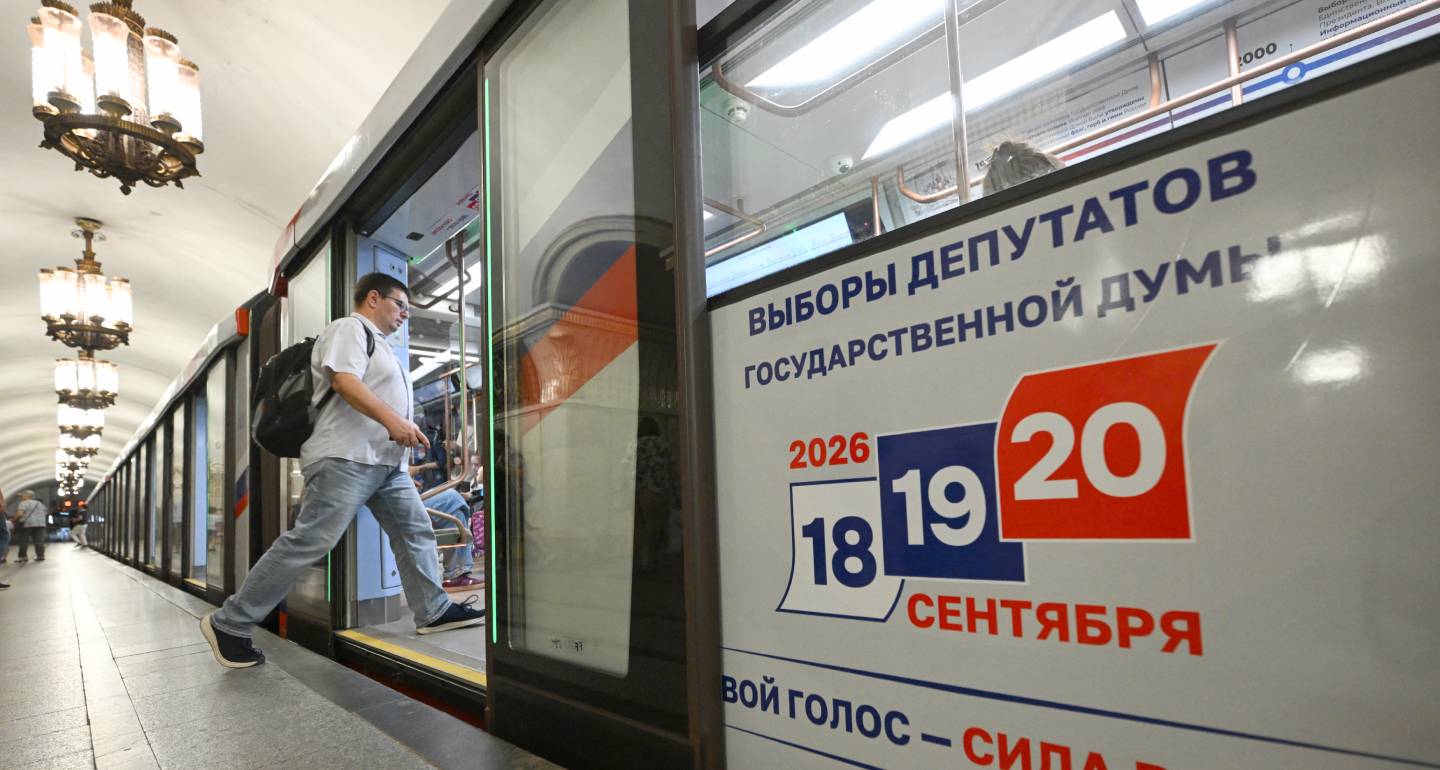


Anger over online restrictions has led to a surge in support for the New People party, which has replaced the Communists as Russia’s second most popular political party.
Andrey Pertsev
{
"authors": [
"Moisés Naím",
"Brian Winter"
],
"type": "legacyinthemedia",
"centerAffiliationAll": "dc",
"centers": [
"Carnegie Endowment for International Peace"
],
"collections": [],
"englishNewsletterAll": "americanStatecraft",
"nonEnglishNewsletterAll": "",
"primaryCenter": "Carnegie Endowment for International Peace",
"programAffiliation": "ASP",
"programs": [
"American Statecraft"
],
"projects": [],
"regions": [
"North America"
],
"topics": [
"Political Reform"
]
}Source: Getty
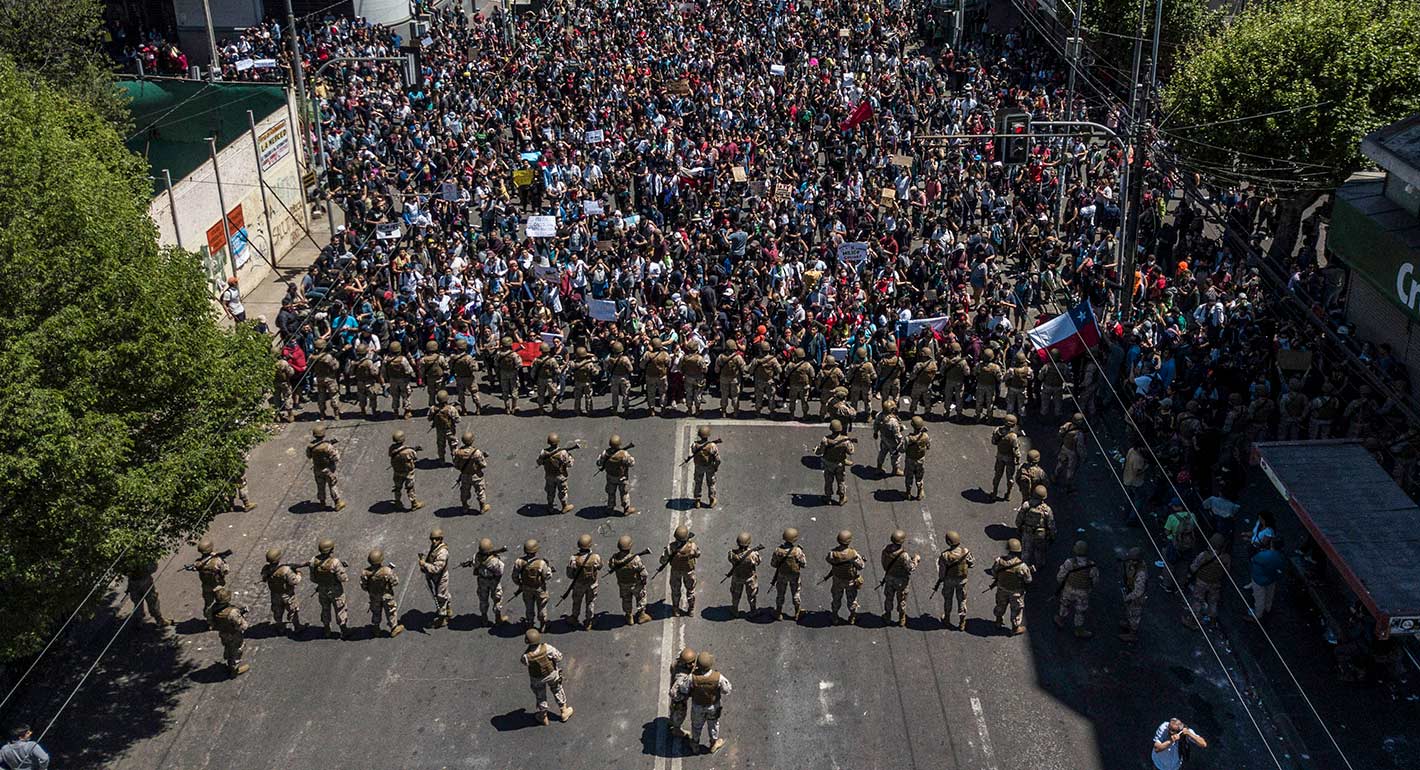
The protests now raging across much of Latin America originated from different sparks but are connected by a single common denominator: economic malaise.
Source: Foreign Affairs
In a world aflame with protest, Latin America stands out as a raging ten-alarm fire. From Bolivia to Ecuador, Haiti to Honduras, the closing months of 2019 have seen enormous, sometimes violent demonstrations prompted by a truly dizzying array of grievances, including electoral fraud, corruption, and rising fuel and public transportation prices. Even Chile, the region’s ostensible oasis of calm and prosperity, erupted in protests and riots that left 20 dead and forced President Sebastián Piñera to declare a state of emergency. It is now an open question whether any country in the region can be considered truly stable....
Distinguished Fellow
Moisés Naím is a distinguished fellow at the Carnegie Endowment for International Peace, a best-selling author, and an internationally syndicated columnist.
Brian Winter
Brian Winter is vice president for policy at the Americas Society/Council of the Americas.
Carnegie does not take institutional positions on public policy issues; the views represented herein are those of the author(s) and do not necessarily reflect the views of Carnegie, its staff, or its trustees.
Anger over online restrictions has led to a surge in support for the New People party, which has replaced the Communists as Russia’s second most popular political party.
Andrey Pertsev
The Russian regime is now visibly motivated by fear.
Alexander Baunov
The return of parliamentary politics reflects a broader shift from earlier expectations of a settlement and elections toward the reality of a prolonged war.
Balázs Jarábik
The Russian state has opted for complete ideological control of the internet and is prepared to bear the associated costs.
Maria Kolomychenko
After four years of war, there is no one who can stand up to the security establishment, and President Vladimir Putin is increasingly passive.
Tatiana Stanovaya