

Paper
Raluca Csernatoni, Alicia Wanless
{
  "authors": [
    "Raluca Csernatoni"
  ],
  "type": "legacyinthemedia",
  "centerAffiliationAll": "dc",
  "centers": [
    "Carnegie Endowment for International Peace",
    "Carnegie Europe"
  ],
  "collections": [],
  "englishNewsletterAll": "ctw",
  "nonEnglishNewsletterAll": "",
  "primaryCenter": "Carnegie Europe",
  "programAffiliation": "EP",
  "programs": [
    "Europe"
  ],
  "projects": [],
  "regions": [
    "Asia",
    "Europe",
    "North America",
    "United States",
    "East Asia",
    "China",
    "Western Europe",
    "Iran"
  ],
  "topics": [
    "EU",
    "Security",
    "Technology",
    "Military"
  ]
}
REQUIRED IMAGE
Artificial intelligence has the potential to revolutionize global strategic competition via commercial, civilian and military applications. Despite lagging behind the United States and China, the EU is launching several initiatives to become a leader in ethical AI.

Fellow, Carnegie Europe
Raluca Csernatoni is a fellow at Carnegie Europe, where she specializes on European security and defense, as well as emerging disruptive technologies.
Recent Work

Raluca Csernatoni, Alicia Wanless

Raluca Csernatoni, Patryk Pawlak
Carnegie does not take institutional positions on public policy issues; the views represented herein are those of the author(s) and do not necessarily reflect the views of Carnegie, its staff, or its trustees.

When political power is concentrated in the hands of a small circle of people, a country invariably ends up with technological stagnation.
Aleksei Kiselev

Two divergent trends—Putin’s hardline vision of how to prosecute the war in Ukraine, and a growing desire for change in Russia—could tear the regime apart.

Tatiana Stanovaya

Andrey Melnichenko’s essay offers no answer to the fundamental question of how, under any kind of negotiated settlement, Europe can protect itself from the Russian ressentiment that is inevitable in all scenarios except for an outright victory for Putin.

Leonid Bershidsky
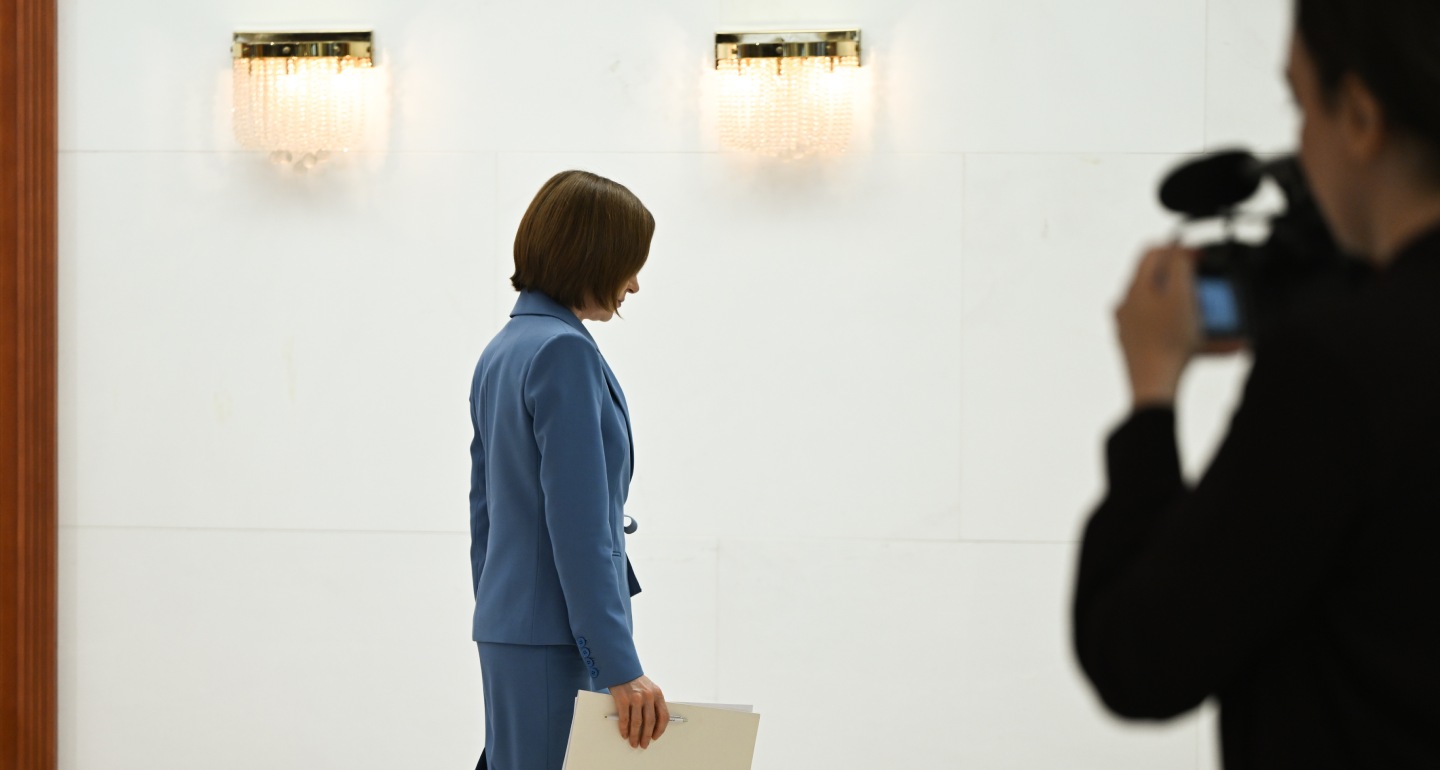
Whether PAS can refocus on the unfinished business of state-building may ultimately prove more consequential for Moldova’s European future than the pace of its accession negotiations.

Balázs Jarábik
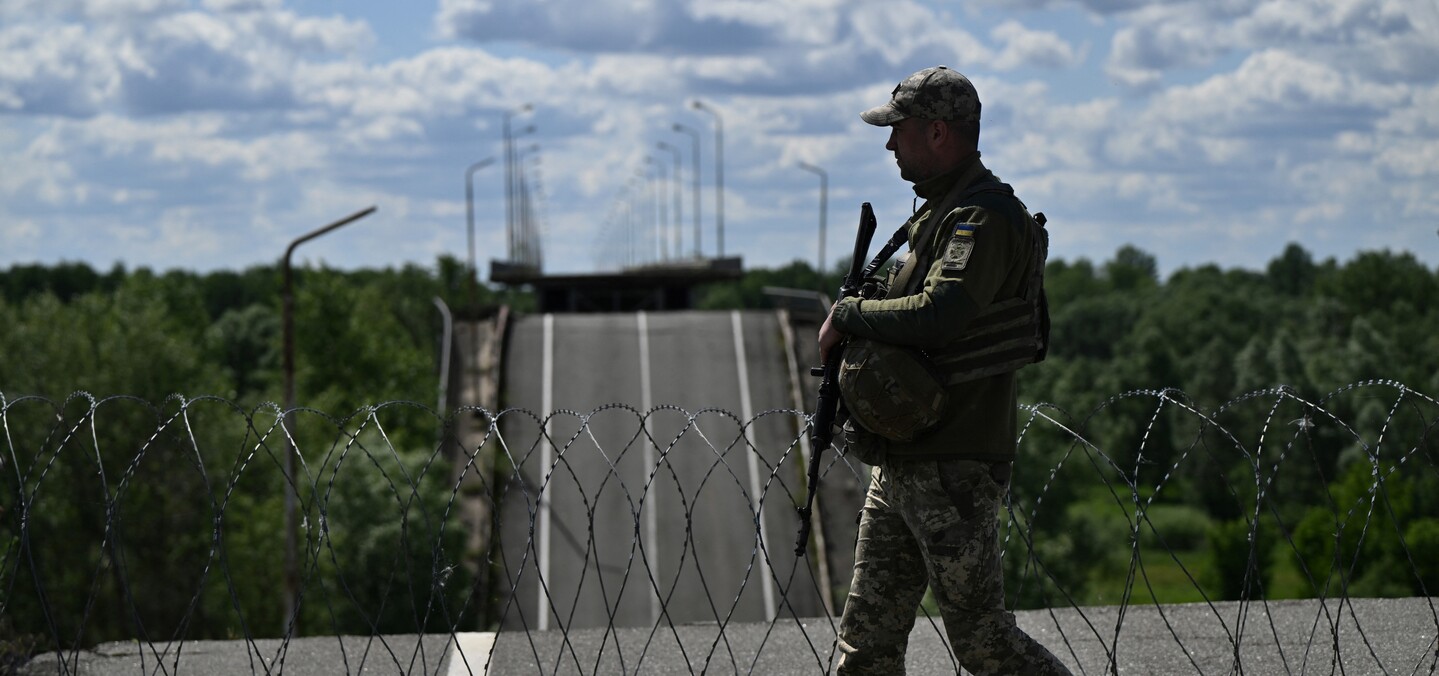
The recent damage inflicted by Ukrainian drones and missiles on Russia has made Belarus aware of its own vulnerabilities—and surprisingly amenable to Kyiv’s demands.

Artyom Shraibman