

Commentary
Peter Kellner
{
  "authors": [
    "Peter Kellner"
  ],
  "type": "legacyinthemedia",
  "centerAffiliationAll": "dc",
  "centers": [
    "Carnegie Endowment for International Peace",
    "Carnegie Europe"
  ],
  "collections": [
    "EU Integration and Enlargement",
    "Brexit and UK Politics"
  ],
  "englishNewsletterAll": "ctw",
  "nonEnglishNewsletterAll": "",
  "primaryCenter": "Carnegie Europe",
  "programAffiliation": "EP",
  "programs": [
    "Europe"
  ],
  "projects": [],
  "regions": [
    "Europe",
    "Western Europe",
    "United Kingdom",
    "Iran"
  ],
  "topics": [
    "EU",
    "Political Reform"
  ]
}
Source: Getty
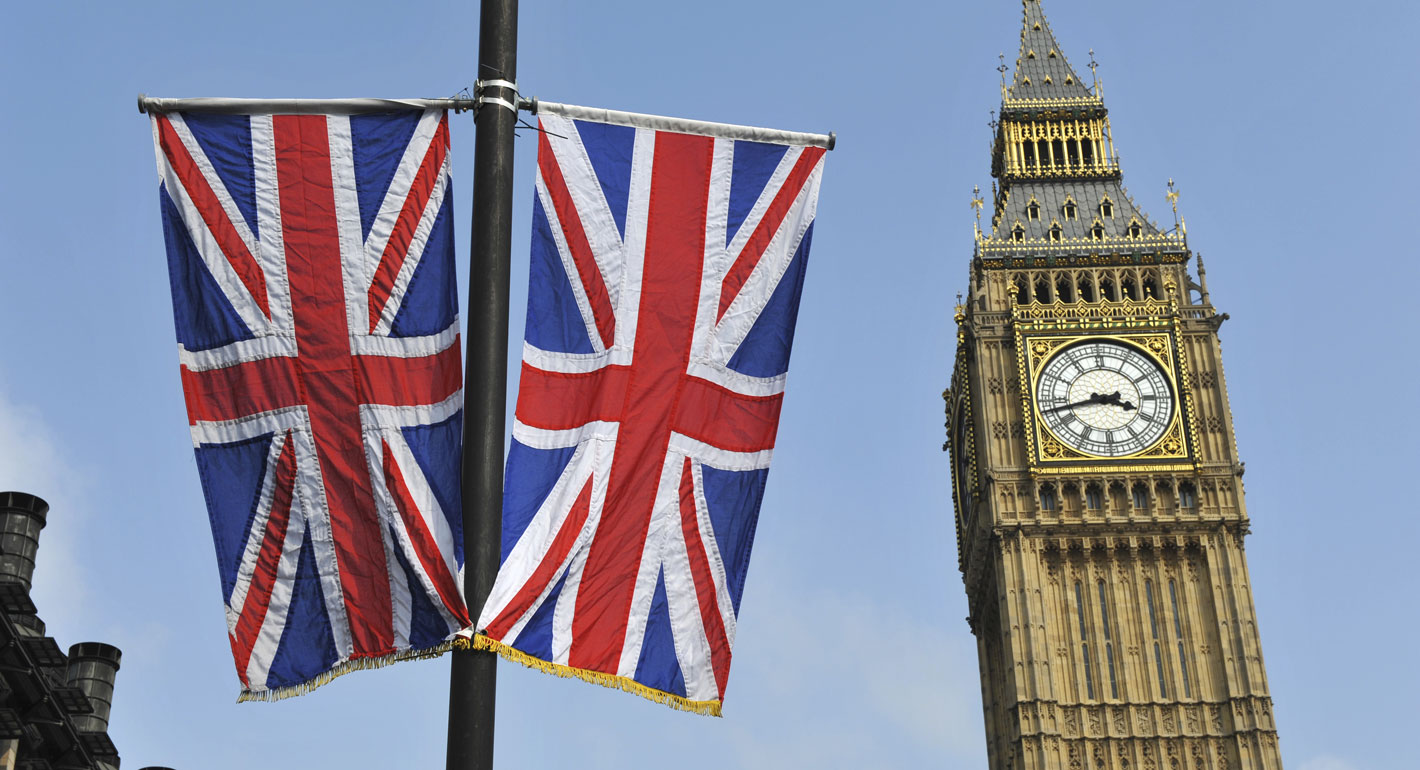
Brexit has accelerated a massive change in British voting behavior, but not started it. For the Labour party, the 2019 UK election should mark the beginning of its own fundamental transition.
Source: TheArticle
Three huge facts about Boris Johnson’s victory dwarf all others. The first is that the new Parliament will have a big majority for taking the United Kingdom out of the European Union. The second is that almost two million more people voted for parties that wanted to rethink Brexit than wanted it to go ahead next month. The third is that a huge structural change in the way people vote is transforming Britain’s political geography.
Let’s start with facts one and two. Across Britain, 52 per cent voted for one of the “rethink” parties — Labour, Lib Dem, Green, DNP and Plaid Cymru. Their total comfortably defeated the 47 per cent who supported the pro-Brexit parties: Conservative, Brexit Party and Ukip. The big difference is that the Tories had a near monopoly of the pro-Brexit vote in most seats, whereas the rethink vote was divided. Time and again, Remain seats elected Conservative MPs on minority votes. Putney was one of the very few seats where tactical voting overcame divisions in the anti-Brexit vote, and delivered the only Labour gain of the night.Ten years ago, an election that precipitated a massive change in Britain’s future place in the world on a minority vote would have prompted angry demands for electoral reform. Perhaps such demands will now be revived. However, Nick Clegg screwed up in 2010 when he insisted on a referendum on a change in the way we elect our MPs as one of his main conditions for helping David Cameron to become Prime Minister. The referendum produced a two-to-one majority for the status quo. Regardless of the merits of changing the system following this election, it is not a politically feasible objective now, and won’t be for some time to come.
More urgent is the need for the Left to come to terms with the simultaneous failure of Labour and the Liberal Democrats. In my column for TheArticle on November 26, I presented startling data contrasting the swing of almost 20 per cent from Labour to Conservative among Leave voters since 2015, with the swing of almost 10 per cent to Labour among Remain voters. (That second swing had taken place by 2017 — there has been no further shift since the last election.) The signs that this contrast would defeat dozens of Labour MPs in the Midlands and North were clear. Seats that were ultra-safe in 2015 became vulnerable in 2017, and fell like ripe plums into the Tory lap this week.
Former Nonresident Scholar, Carnegie Europe
Kellner was a nonresident scholar at Carnegie Europe, where his research focused on Brexit, populism, and electoral democracy.
Recent Work
Peter Kellner
Peter Kellner
Carnegie does not take institutional positions on public policy issues; the views represented herein are those of the author(s) and do not necessarily reflect the views of Carnegie, its staff, or its trustees.

In the tenth year of his presidency, President Mirziyoyev’s system is becoming even more personalized than that of his predecessor Karimov.

Galiya Ibragimova

The greater threat to Zelensky comes not from Fedorov alone, but from the convergence between the former defense minister’s political campaign and the anti-corruption investigations moving ever closer to the presidential administration.

Balázs Jarábik
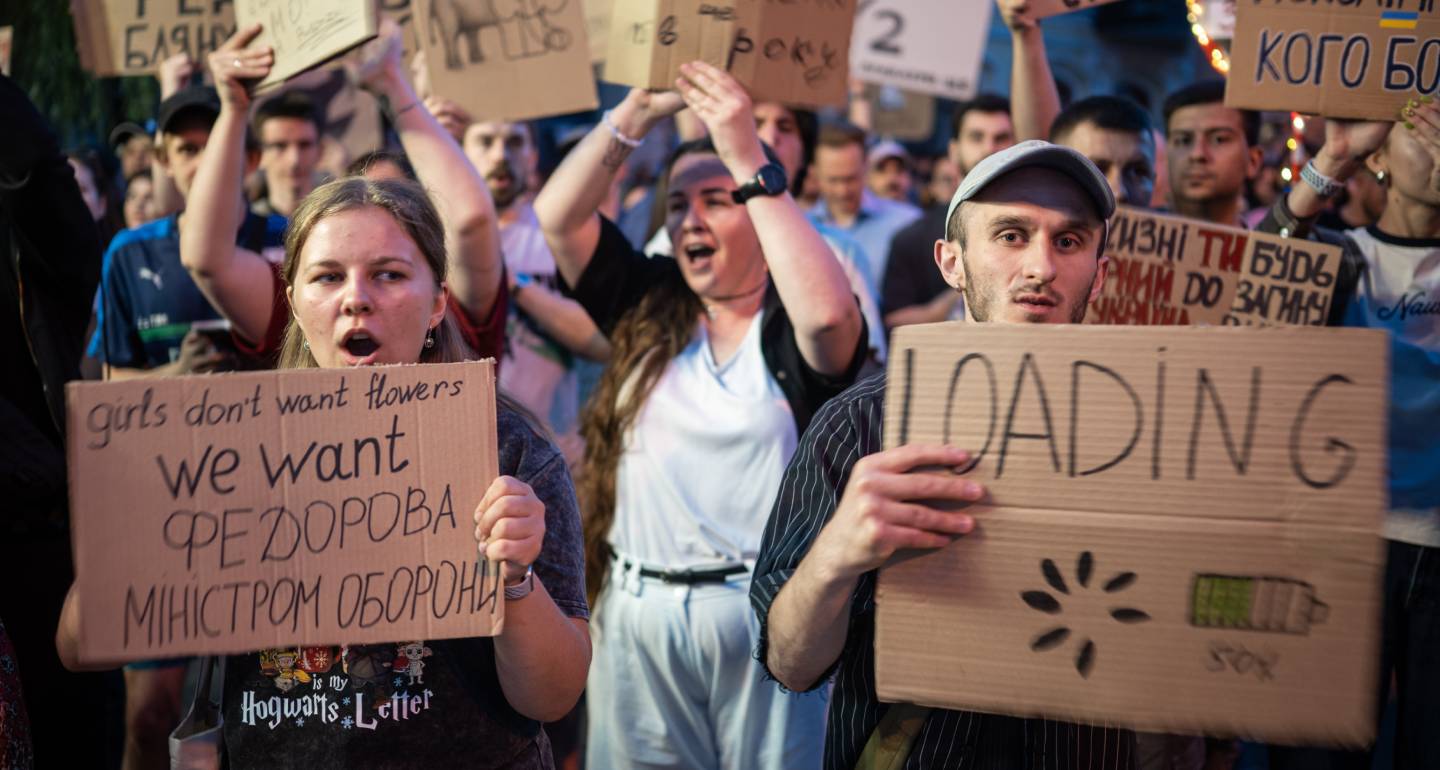
With his public call for new elections in Ukraine, ex-defense minister Mykhailo Fedorov has opened Pandora’s box.

Konstantin Skorkin

In the discussions made possible by the State Duma election campaign, one question is being asked more and more loudly. “What next?”

Andrey Pertsev

Two divergent trends—Putin’s hardline vision of how to prosecute the war in Ukraine, and a growing desire for change in Russia—could tear the regime apart.

Tatiana Stanovaya