

Other
François Godement, Ashley J. Tellis
{
  "authors": [
    "François Godement"
  ],
  "type": "other",
  "centerAffiliationAll": "dc",
  "centers": [
    "Carnegie Endowment for International Peace"
  ],
  "collections": [],
  "englishNewsletterAll": "asia",
  "nonEnglishNewsletterAll": "",
  "primaryCenter": "Carnegie Endowment for International Peace",
  "programAffiliation": "AP",
  "programs": [
    "Asia"
  ],
  "projects": [],
  "regions": [],
  "topics": [
    "Global Governance"
  ]
}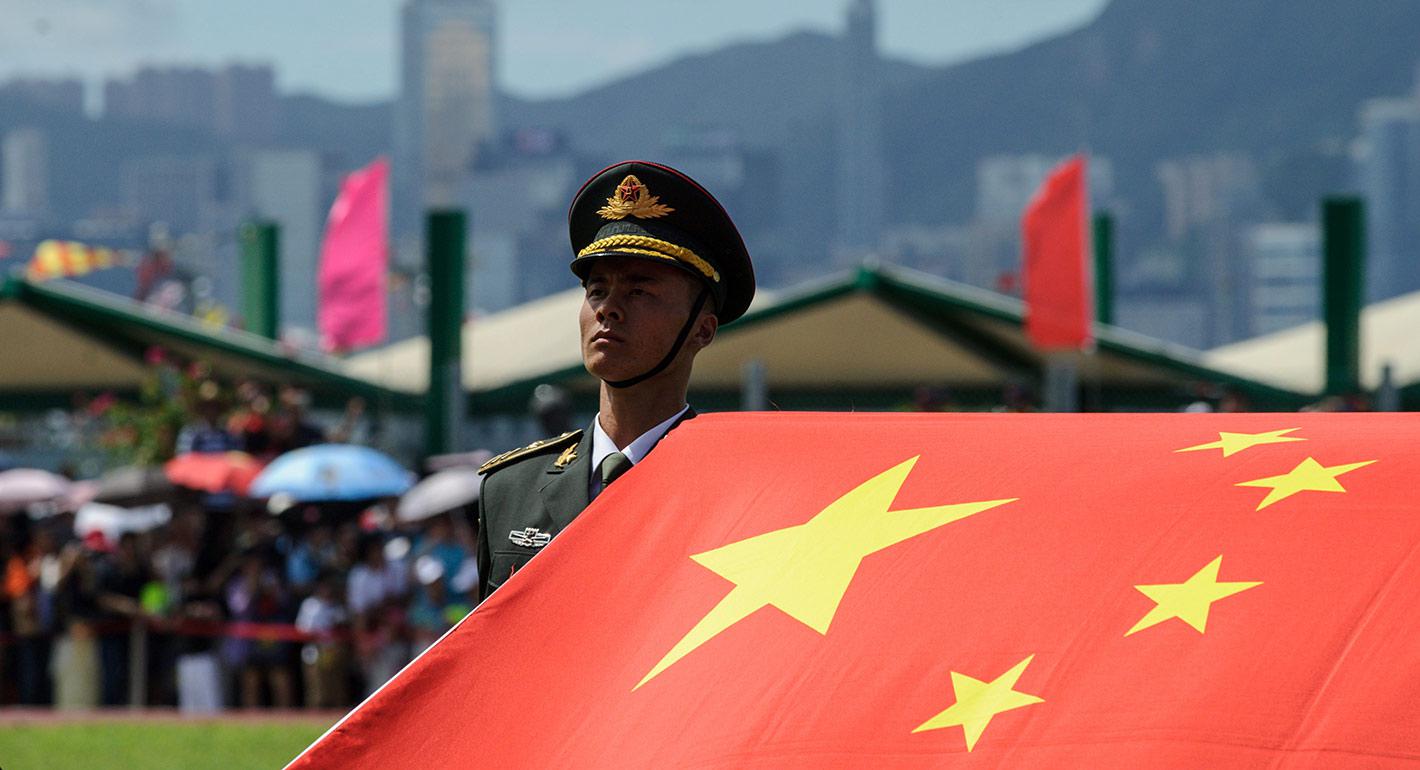
Source: Getty
What China seeks is a nonintrusive, low-cost international order built on two very contrasting pillars: national sovereignty as an absolute principle, and the free flow of goods and services for as long as China’s exceptional status as a nominal developing economy is maintained.
Source: The National Bureau of Asian Research
China has moved over time from a global alliance with the Soviet Union, followed by a short-lived revolutionary stance, to a path of integration with most international institutions and rules. But that course has abated as the country has gained wealth and power. With Xi Jinping’s ascent, China has set aside its long-standing reservations and defensive stance and begun to directly contest the liberal world order through the promotion of Chinese alternatives presented as “complementary,” with a strong preference for bilateral deals with other nation-states. China is more interested in hollowing out the international order than in a revisionist upheaval, and it also rides the trend of self-doubt and isolationism in several democracies. Mutual interest is the operative factor, often coinciding with the lure of financial gains for partners. China’s approach remains pragmatic, emphasizing diversified participation in multilateral institutions. What China seeks is a nonintrusive, low-cost international order built on two very contrasting pillars: national sovereignty as an absolute principle, and the free flow of goods and services for as long as China’s exceptional status as a nominal developing economy is maintained.
Former Nonresident Senior Fellow, Asia Program
Godement, an expert on Chinese and East Asian strategic and international affairs, was a nonresident senior fellow in the Asia Program at the Carnegie Endowment for International Peace.
Recent Work
François Godement, Ashley J. Tellis
François Godement, Abigaël Vasselier
Carnegie does not take institutional positions on public policy issues; the views represented herein are those of the author(s) and do not necessarily reflect the views of Carnegie, its staff, or its trustees.

Andrey Melnichenko’s essay offers no answer to the fundamental question of how, under any kind of negotiated settlement, Europe can protect itself from the Russian ressentiment that is inevitable in all scenarios except for an outright victory for Putin.

Leonid Bershidsky

The recent damage inflicted by Ukrainian drones and missiles on Russia has made Belarus aware of its own vulnerabilities—and surprisingly amenable to Kyiv’s demands.

Artyom Shraibman
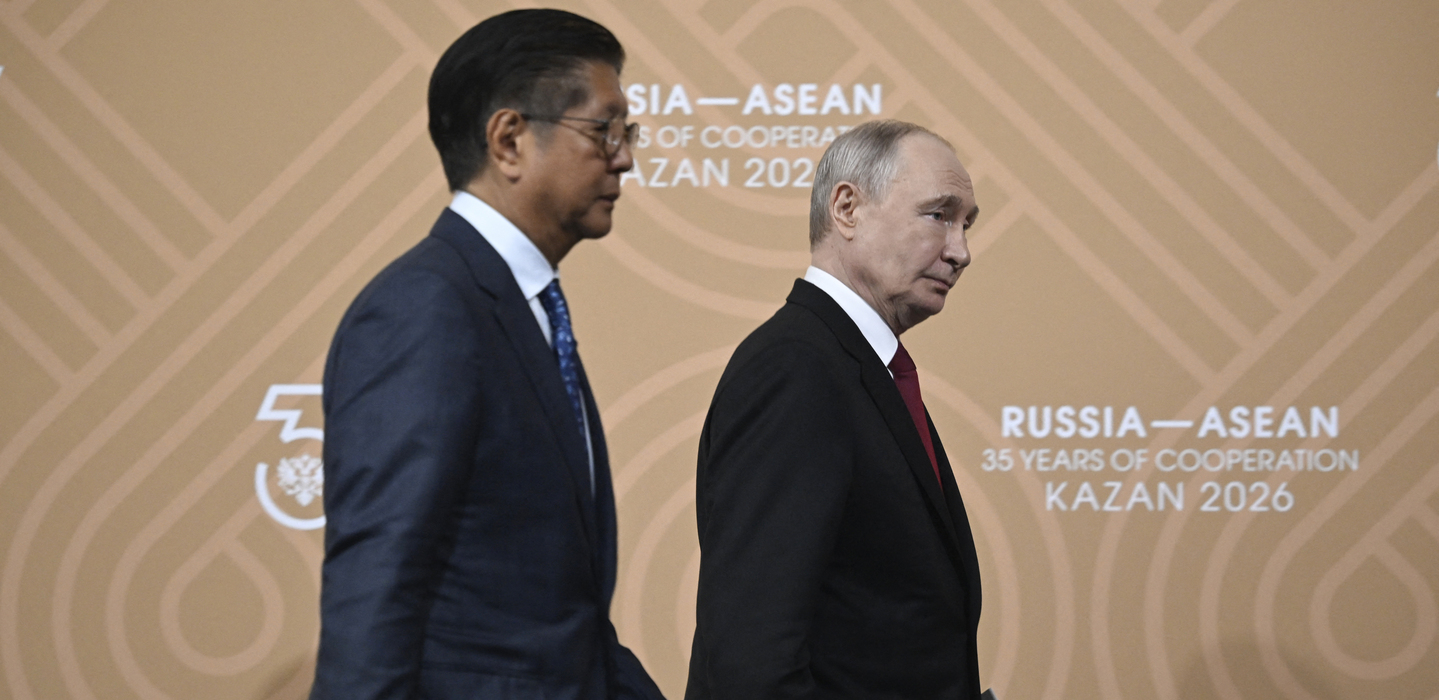
Russia looks set to reap economic benefits from closer ties with Southeast Asian countries that are keen to find reliable energy suppliers and diversify trade ties.

Alexander Gabuev
Ongoing uncertainty in the Middle East allows Moscow to both increase its influence in Tehran and continue to enjoy the financial windfall of higher oil prices.

Nikita Smagin

This year’s wars have made alternative routes to transit through Russia no less risky for Central Asian countries.

Galiya Ibragimova