

Commentary
In the tenth year of his presidency, President Mirziyoyev’s system is becoming even more personalized than that of his predecessor Karimov.
Galiya Ibragimova
{
  "authors": [
    "Firas Abi Nassif",
    "Edward Asseily",
    "Bilal Bazzy",
    "Hala Bejani",
    "Amer Bisat",
    "Henri Chaoul",
    "Ishac Diwan",
    "Haneen El Sayed",
    "Ali El Reda Youssef",
    "Saeb el Zein",
    "Nabil Fahed",
    "Philippe Jabr",
    "Sami Nader",
    "May Nasrallah",
    "Paul Raphael",
    "Jean Riachi",
    "Nisreen Salti",
    "Kamal Shehadi",
    "Nasser Saidi",
    "Maha Yahya",
    "Bassam Yammine",
    "Gerard Zouein"
  ],
  "type": "other",
  "centerAffiliationAll": "dc",
  "centers": [
    "Carnegie Endowment for International Peace",
    "Malcolm H. Kerr Carnegie Middle East Center"
  ],
  "collections": [
    "Arab Spring 2.0",
    "Decoding Lebanon"
  ],
  "englishNewsletterAll": "menaTransitions",
  "nonEnglishNewsletterAll": "",
  "primaryCenter": "Malcolm H. Kerr Carnegie Middle East Center",
  "programAffiliation": "MEP",
  "programs": [
    "Middle East"
  ],
  "projects": [],
  "regions": [
    "Levant",
    "Lebanon",
    "Middle East"
  ],
  "topics": [
    "Economy",
    "Political Reform"
  ]
}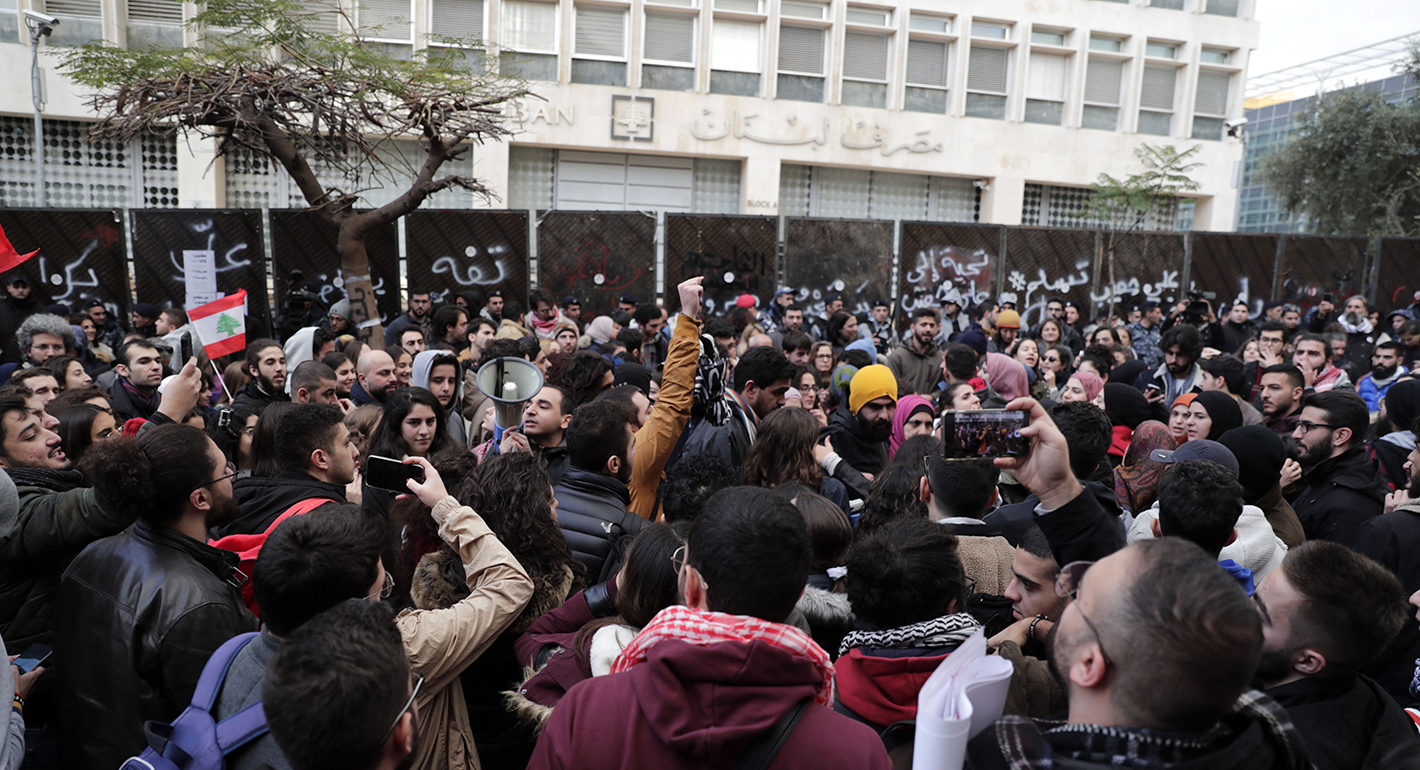
Source: Getty
An independent group of development specialists, economists and finance experts met in Beirut late-December to discuss the ongoing economic crisis and the path forward. This note summarizes the deliberations and puts forth a ten-point action plan meant to arrest the crisis and place the country on a path of sustained recovery.
Source: A citizen initiative
The economic crisis is, at its core, a governance crisis emanating from a dysfunctional sectarian system that hindered rational policymaking and permitted a culture of corruption and waste. The country, led by the public sector, lived beyond its means. Decades of pursuing this model left the economy with high debt and a bloated banking sector.
Inevitably, the dramatic debt increase resulted in an-expanding debt-servicing burden. The large yearly funding needs rendered the country vulnerable to external and regional shocks. As external financial flows into Lebanon slowed, the central bank resorted to desperate and extremely expensive efforts to attract them. Ultimately, this proved unsustainable. Since October, we’ve had a virtual cessation of capital inflows and a sharp acceleration of outflows.
This situation leaves the country with three simultaneous crises.
The first is a balance of payments and currency crisis. For 2020, we estimate the gap between USD supply and USD demand at $8 billion. If this gap is not filled, the economy will experience difficulties including the servicing of external debt, imported goods’ shortages, currency devaluation, and economic contraction.
The second crisis is that of public finance. Beginning with a 10 percent of GDP deficit in 2019, government revenues are now collapsing under the weight of the recession and the banking crisis described below. Inflation-adjusted spending is also crumbling. We estimate a $3 billion primary budget deficit (excluding interest payments) for 2020. In the current situation, funding this deficit will prove challenging.
The third crisis is that of the banking system. With almost half of banks’ assets invested in Lebanese sovereign risk including with the Banque du Liban (BDL) and another quarter representing risky private sector claims, banks are effectively insolvent and illiquid. Despite the loose and inefficient capital and banking controls recently put in place, the sector is experiencing a deposit run. In similar international experiences, the central bank usually steps in and provides the liquidity that banks need. However, the BdL is constrained by its limited USD reserves and by fears that an oversupply of LBP would lead to further currency weakening.
Persisting with the current ad hoc approach to policy making will lead Lebanon on a path of implosion and political disintegration. We foresee seven consequences:
We think there is. Below we outline a three-year program that aims to arrest the crisis, deal with its root causes and set the country back on a path of recovery. The program seeks to ensure equitable burden sharing of the crisis’ fallout while protecting the most vulnerable especially during the period of transition. The ten concrete steps below should be implemented in parallel rather than piecemeal.
The consequences of the current path are catastrophic. Delays will only increase dislocation, exponentially magnify the needed adjustment, and place the burden on those least able to shoulder it. A better option is available. It won’t be easy, may at times prove painful and will certainly require a new social contract. But we sincerely believe this approach will pave the way to a better and prosperous future.
Firas Abi Nassif, Edward Asseily, Bilal Bazzy, Hala Bejani, Amer Bisat, Henri Chaoul, Ishac Diwan, Haneen El Sayed, Ali El Reda Youssef, Saeb el Zein, Nabil Fahed, Philippe Jabr, Sami Nader, May Nasrallah, Paul Raphael, Jean Riachi, Nisreen Salti, Nasser Saidi, Kamal Shehadi, Maha Yahya, Baasam Yammine, Gerard Zouein
Firas Abi Nassif
Edward Asseily
Bilal Bazzy
Hala Bejani
Amer Bisat
Minister of Economy and Trade of Lebanon
Amer Bisat is the Minister of Economy and Trade of Lebanon.
Henri Chaoul
Ishac Diwan
Research Director at the Finance for Development Lab at the Paris School of Economics, Professor of Practice at the Department of Economics at the American University of Beirut.
Ishac Diwan is the research director at the Finance for Development Lab at the Paris School of Economics, Professor of Practice at the Department of Economics at the American University of Beirut.
Haneen El Sayed
Ali El Reda Youssef
Saeb el Zein
Nabil Fahed
CEO, Fahed Group, Vice Chairman/Treasurer of the Chamber of Commerce of Beirut
Nabil Fahed is the CEO of the Fahed Group and serves as the Vice Chairman/Treasurer of the Chamber of Commerce of Beirut.
Philippe Jabr
Sami Nader
Director of the Institute of Political Science at Saint Joseph University.
Sami Nader is the director of the Institute of Political Science at Saint Joseph University.
May Nasrallah
Paul Raphael
Jean Riachi
Nisreen Salti
Kamal Shehadi
Minister of State for Technology and Artificial Intelligence and Minister of the Displaced of Lebanon
Kamal Shehadi is the Minister of State for Technology and Artificial Intelligence and Minister of the Displaced of Lebanon.
Nasser Saidi
Nasser Saidi is a former Lebanese Minister of Economy & Trade, Minister of Industry, and First Vice-Governor of Banque du Liban.

Director, Malcolm H. Kerr Carnegie Middle East Center
Maha Yahya is director of the Malcolm H. Kerr Carnegie Middle East Center, where her research focuses on citizenship, pluralism, and social justice in the aftermath of the Arab uprisings.
Bassam Yammine
Gerard Zouein
Carnegie does not take institutional positions on public policy issues; the views represented herein are those of the author(s) and do not necessarily reflect the views of Carnegie, its staff, or its trustees.

In the tenth year of his presidency, President Mirziyoyev’s system is becoming even more personalized than that of his predecessor Karimov.

Galiya Ibragimova
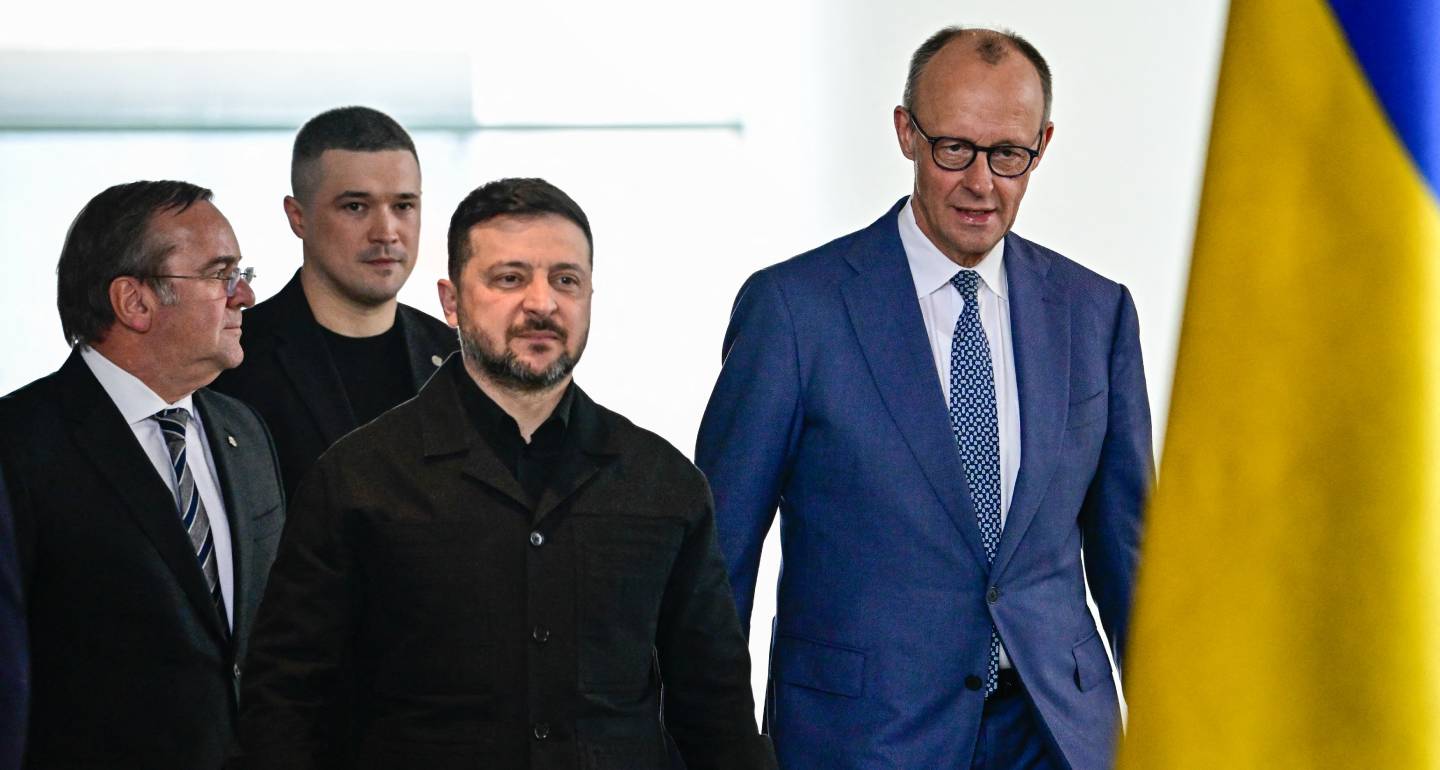
The greater threat to Zelensky comes not from Fedorov alone, but from the convergence between the former defense minister’s political campaign and the anti-corruption investigations moving ever closer to the presidential administration.

Balázs Jarábik
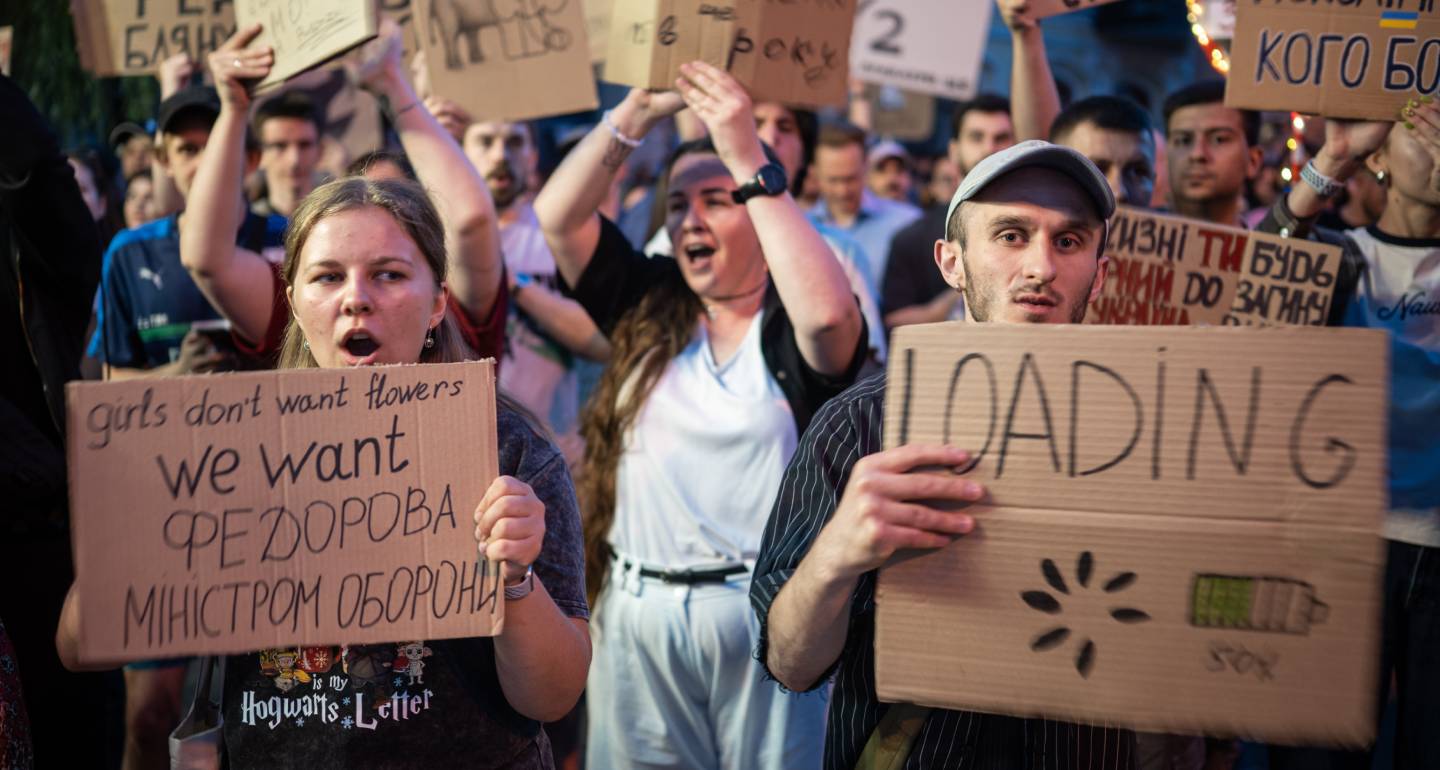
With his public call for new elections in Ukraine, ex-defense minister Mykhailo Fedorov has opened Pandora’s box.

Konstantin Skorkin

In the discussions made possible by the State Duma election campaign, one question is being asked more and more loudly. “What next?”

Andrey Pertsev

Two divergent trends—Putin’s hardline vision of how to prosecute the war in Ukraine, and a growing desire for change in Russia—could tear the regime apart.

Tatiana Stanovaya