

Commentary
H. A. Hellyer
{
  "authors": [
    "H. A. Hellyer"
  ],
  "type": "legacyinthemedia",
  "centerAffiliationAll": "",
  "centers": [
    "Carnegie Endowment for International Peace"
  ],
  "collections": [],
  "englishNewsletterAll": "",
  "nonEnglishNewsletterAll": "",
  "primaryCenter": "Carnegie Endowment for International Peace",
  "programAffiliation": "",
  "programs": [],
  "projects": [],
  "regions": [],
  "topics": [
    "Religion"
  ]
}
Source: Getty
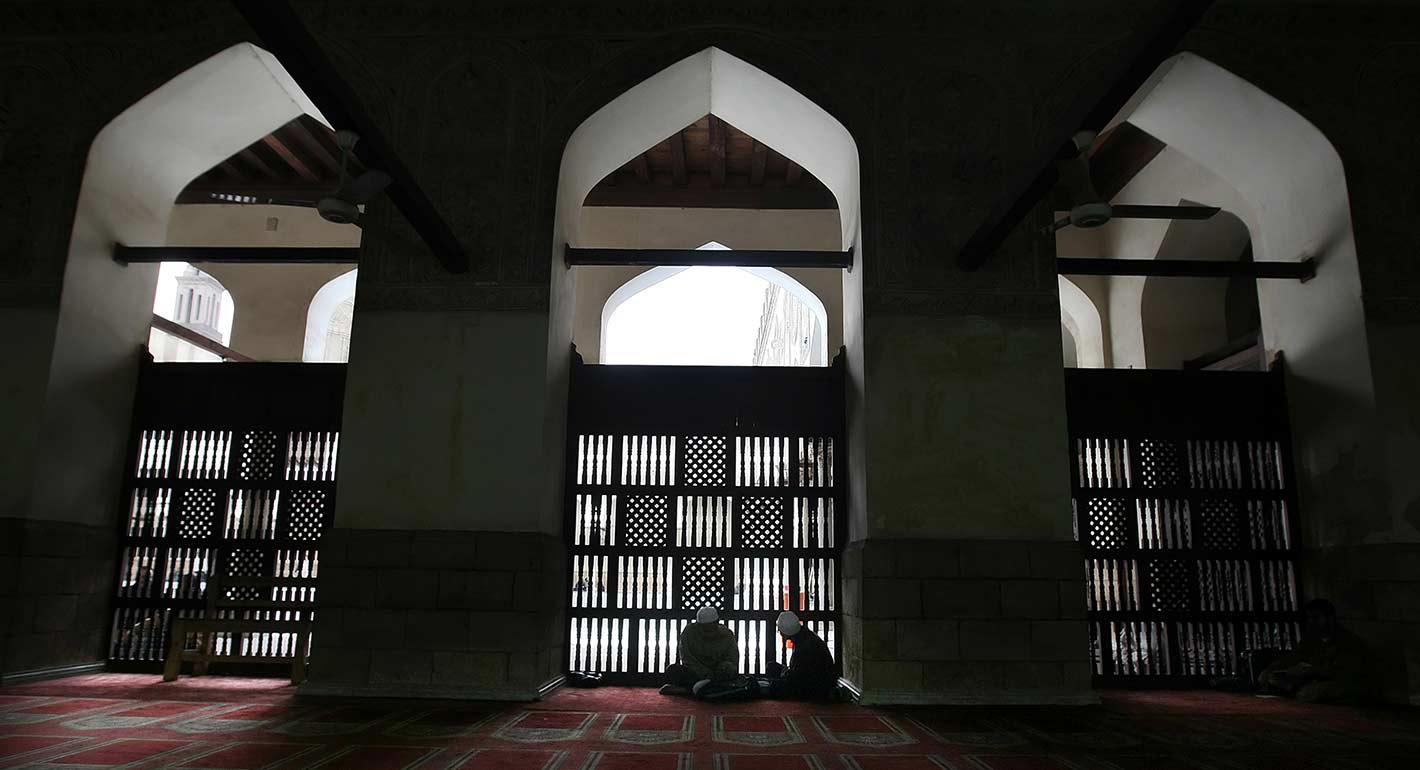
Recently, Muslims around the world have pleaded with Islamic scholars to weigh in on the pandemic to give advice and guidance.
Source: ABC AU
In many religious traditions, there are two relational axes along which our lives are understood. The first is the vertical, between the created and the Creator; the second is the horizontal, among the created and with the rest of creation. Islam has those two aspects as well, with the latter relationship always being viewed through the lens of the former. The COVID-19 pandemic has had a marked effect on the latter relationship, changing the nature of ritual worship in many ways. And at the same time, Muslim sages and scholars have reminded their flocks that the former relationship, between the Divine and those who beseech Him, remains constant and consistent — even if takes different forms in this difficult time.
Over the past week, Muslims around the world have pleaded with Islamic scholars to weigh in on the pandemic to give advice and guidance. The coronavirus directly affects congregational worship in several significant ways due to the “social distancing” advice — not least the ability to attend lessons and classes (because Islam is fundamentally a religion of learning), and funeral arrangements (because of the concern of spreading infection from people who pass away from complications arising from the virus)...
Former Nonresident Scholar, Middle East Program
Dr. H.A. Hellyer was a nonresident scholar at the Carnegie Endowment for International Peace. He serves as a senior associate fellow at the Royal United Services Institute for Defence and Security Studies in London, and as a Cambridge University fellow.
Recent Work
H. A. Hellyer
H. A. Hellyer
Carnegie does not take institutional positions on public policy issues; the views represented herein are those of the author(s) and do not necessarily reflect the views of Carnegie, its staff, or its trustees.
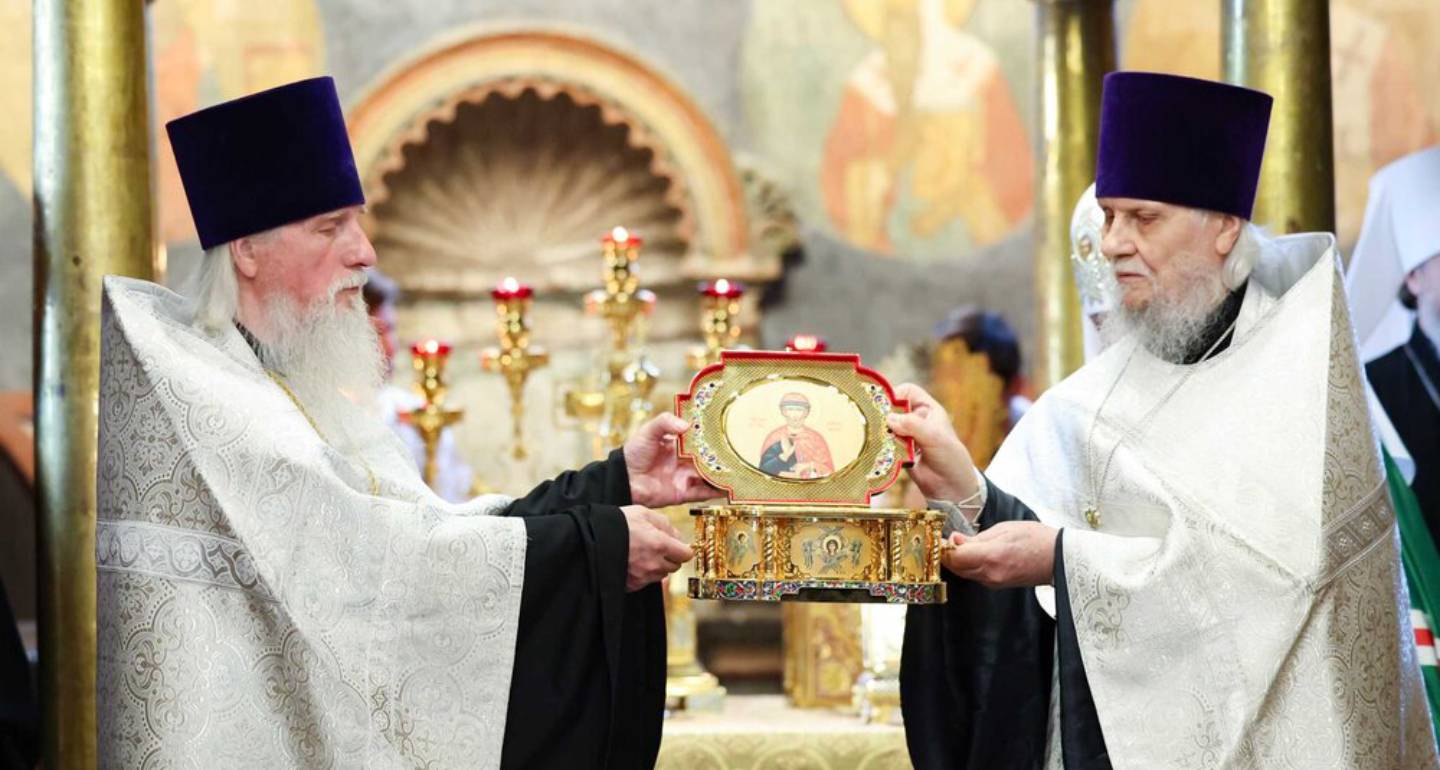
The recent uncovering of Dmitry Donskoy’s relics in the Cathedral of the Archangel is yet another attempt by the Russian Orthodox Church to help the state solve its problems. However, parroting the state’s version of Russian history leaves the Church with no message except “patriotism.”
Alexander Zanemonets
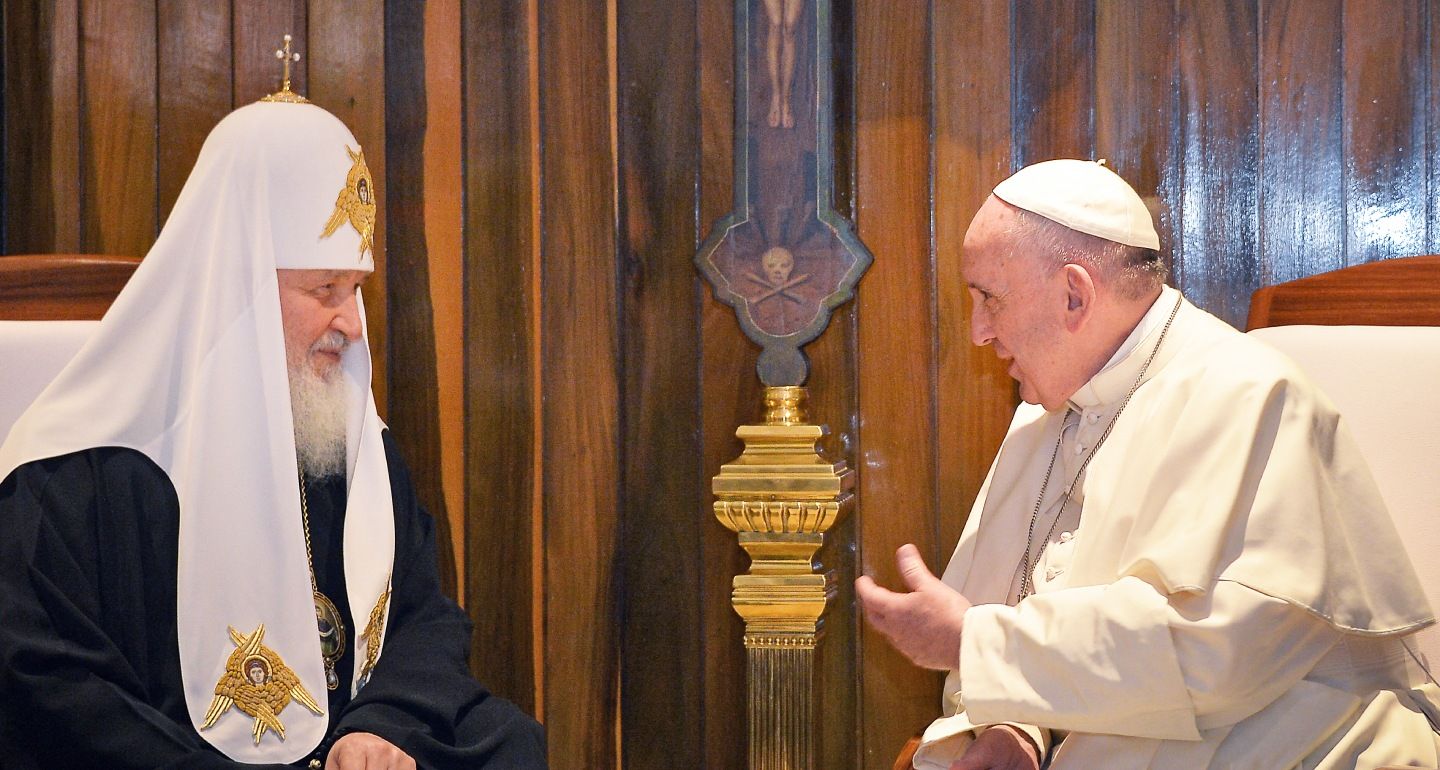
The differences between Moscow and the Vatican have been laid bare in recent years by the war in Ukraine and the ideological convictions of Pope Francis.
Ksenia Luchenko
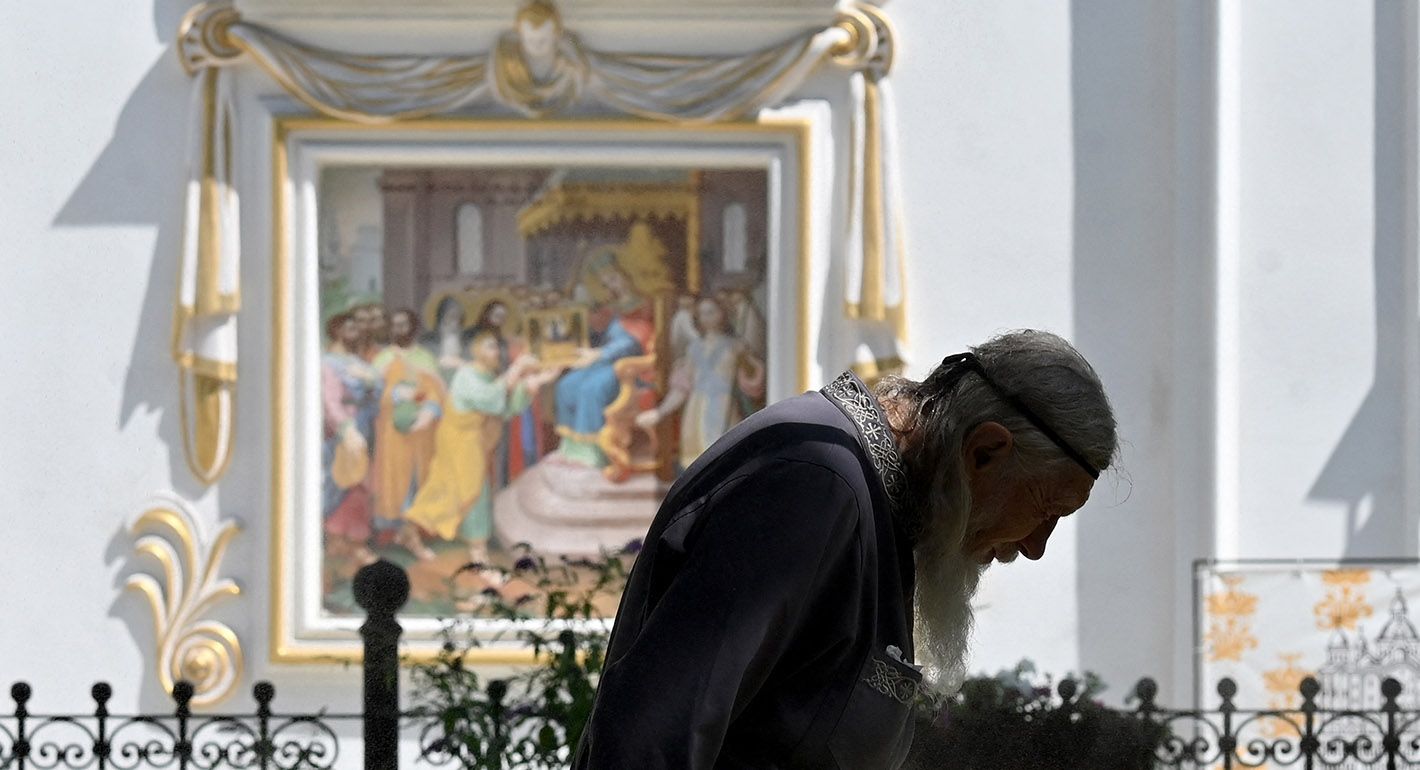
The repercussions of outlawing the Ukrainian Orthodox Church of the Moscow Patriarchate could be more serious than Kyiv seems to realize.

Konstantin Skorkin
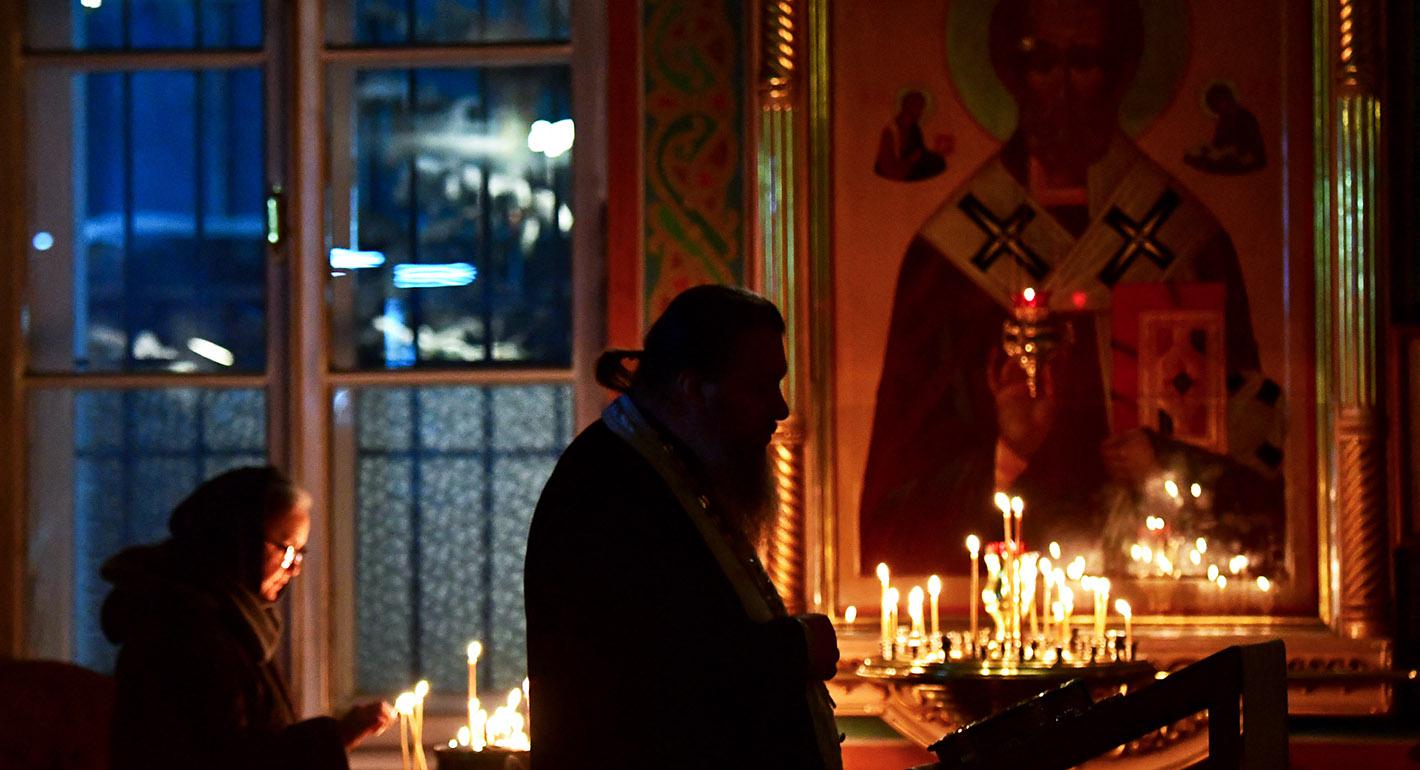
After the full-scale invasion of Ukraine, the Russian Orthodox Church publicly embraced the war, sparking a crisis of conscience for priests and parishioners alike.
Ksenia Luchenko
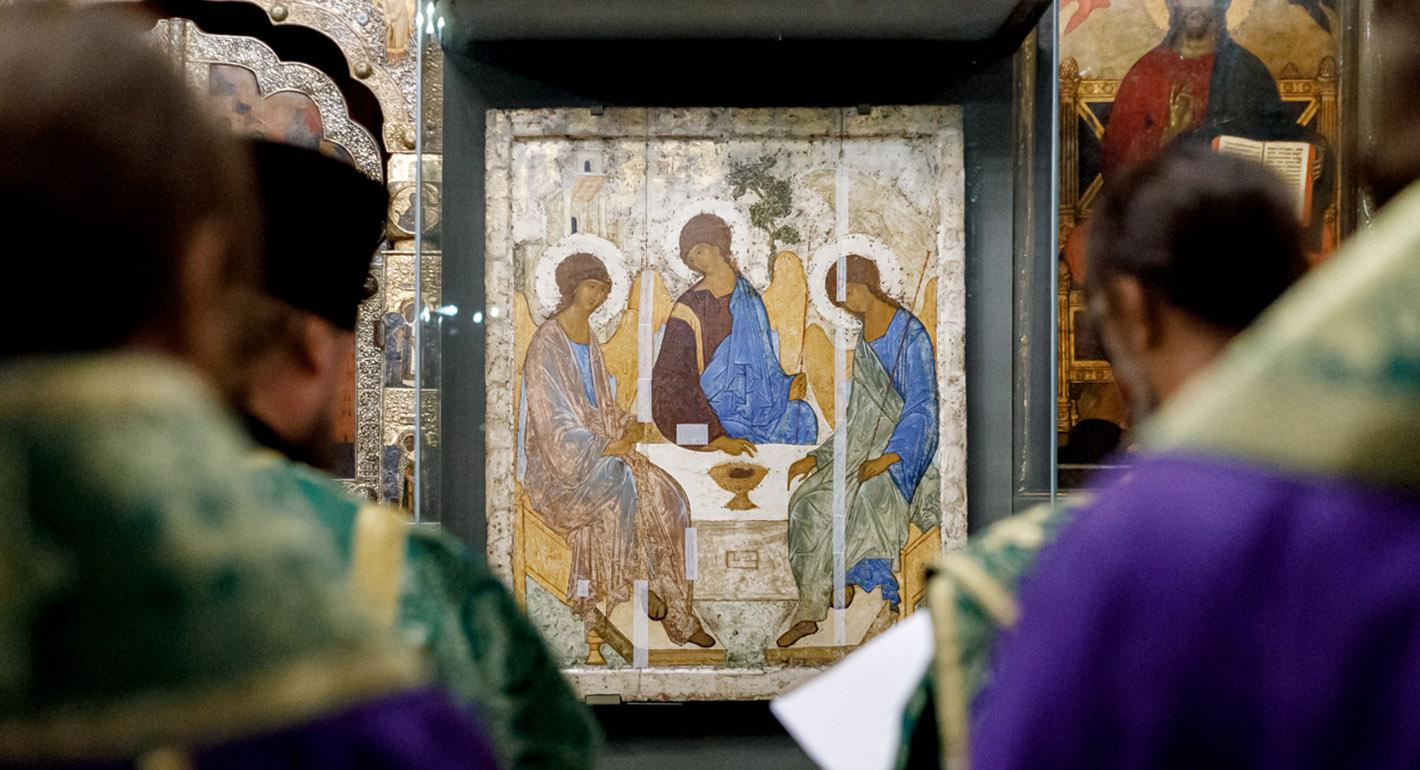
The recent transfer of Andrei Rublev’s world-famous Trinity icon to the Russian Orthodox Church illustrates the Kremlin’s superstitions and desire to give its war against Ukraine a spiritual foundation.
Ksenia Luchenko