

Other
François Godement, Ashley J. Tellis
{
  "authors": [
    "François Godement"
  ],
  "type": "legacyinthemedia",
  "centerAffiliationAll": "dc",
  "centers": [
    "Carnegie Endowment for International Peace"
  ],
  "collections": [],
  "englishNewsletterAll": "asia",
  "nonEnglishNewsletterAll": "",
  "primaryCenter": "Carnegie Endowment for International Peace",
  "programAffiliation": "AP",
  "programs": [
    "Asia"
  ],
  "projects": [],
  "regions": [
    "East Asia",
    "China"
  ],
  "topics": []
}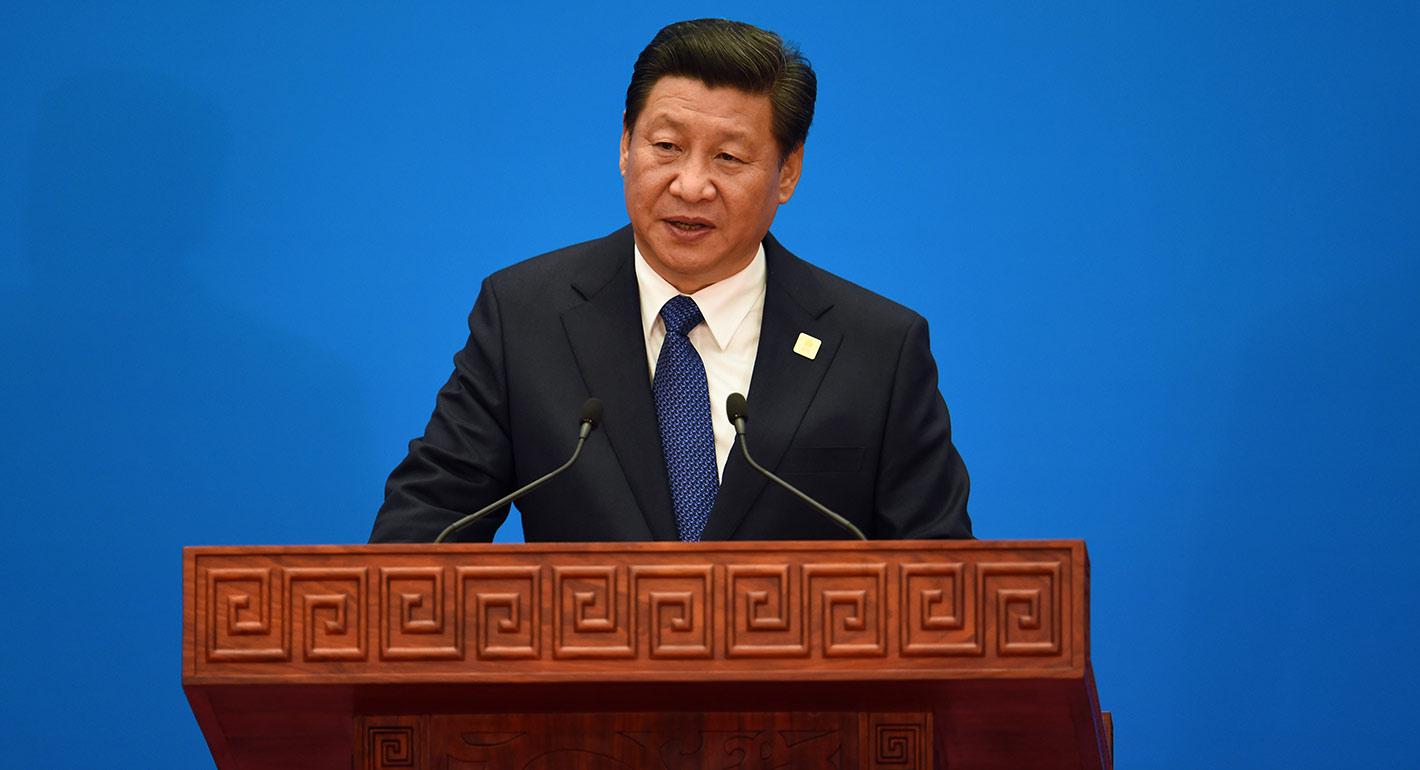
Source: Getty
Not enough commentary has focused on the extraordinary diversity of China’s international posture these days.
Source: Institut Montaigne
Not enough commentary has focused on the extraordinary diversity of China’s international posture these days. Within the same fortnight, Xi Jinping has announced at the World Health Organization a USD 2 billion contribution towards recovery from Covid-19, targeted at developing countries, and a host of medical initiatives in Africa. Liu He, the chief Chinese trade negotiator, held a call with his American counterparts where he reiterated his commitment to implementing the Phase One trade deal for 2020. Wang Yi, China’s Foreign affairs Minister, talks about the need to avoid a Cold War with the United States. Liu has separately committed to holding talks in earnest with the EU, in order to arrive at a long-sought Bilateral Investment Agreement.
Meanwhile, China’s spring session of the National People’s Congress (NPC) is setting a 6,6% increase in the defense budget, at a moment when other central budget expenditures are set to decrease. The rise in military spending is set to exceed, possibly by far, the country’s economic growth in 2020, for which no target is published this year. Even more tellingly, the NPC is to immediately write a national security law for Hong Kong, where the official goal is now "long-term peace and stability", terms previously used for Tibet and Xinjiang. The adjective "peaceful" is dropped from the mention of Taiwan’s reunification with the mainland.
The new Chinese posture alternates hardline decisions and expressions – think "wolf warrior diplomacy" for the latter – with tailored initiatives, and consensual but vague commitments on some issues. Is this merely obfuscation, or is there a logic at work in this sharply divided international posture? Certainly, the new brand of public diplomacy under Xi Jinping has made ample use of lies. The most egregious case used to be Xi’s assurance to Barack Obama in 2015 that China would not "militarize" the South China Sea. It will now have to be replaced by the coming endgame in Hong Kong, where in a series of well-choreographed moves, China has done away with the commitment to uphold "One country, two systems" until 2047. Officially nesting China’s security organs inside Hong Kong, affirming the precedence of its Central Liaison Office over the Basic Law, and leaving the Special Administrative Region’s (SAR) "government" the mere task of transposing the future law into the region’s legal system ends the existence of Hong Kong as an autonomous entity. In the 1930s, an expression took hold: treaties were not worth more than the paper that they were written on. This is now the fate of the 1984 Sino-British Joint Declaration.
This article was originally published by Institut Montaigne.

Former Nonresident Senior Fellow, Asia Program
Godement, an expert on Chinese and East Asian strategic and international affairs, was a nonresident senior fellow in the Asia Program at the Carnegie Endowment for International Peace.
Recent Work
François Godement, Ashley J. Tellis

François Godement, Abigaël Vasselier

With the growth in points of friction between the great powers, organizations like the SCO will continue to play a role in the strategic adaptation of the smaller powers caught between them.

Temur Umarov
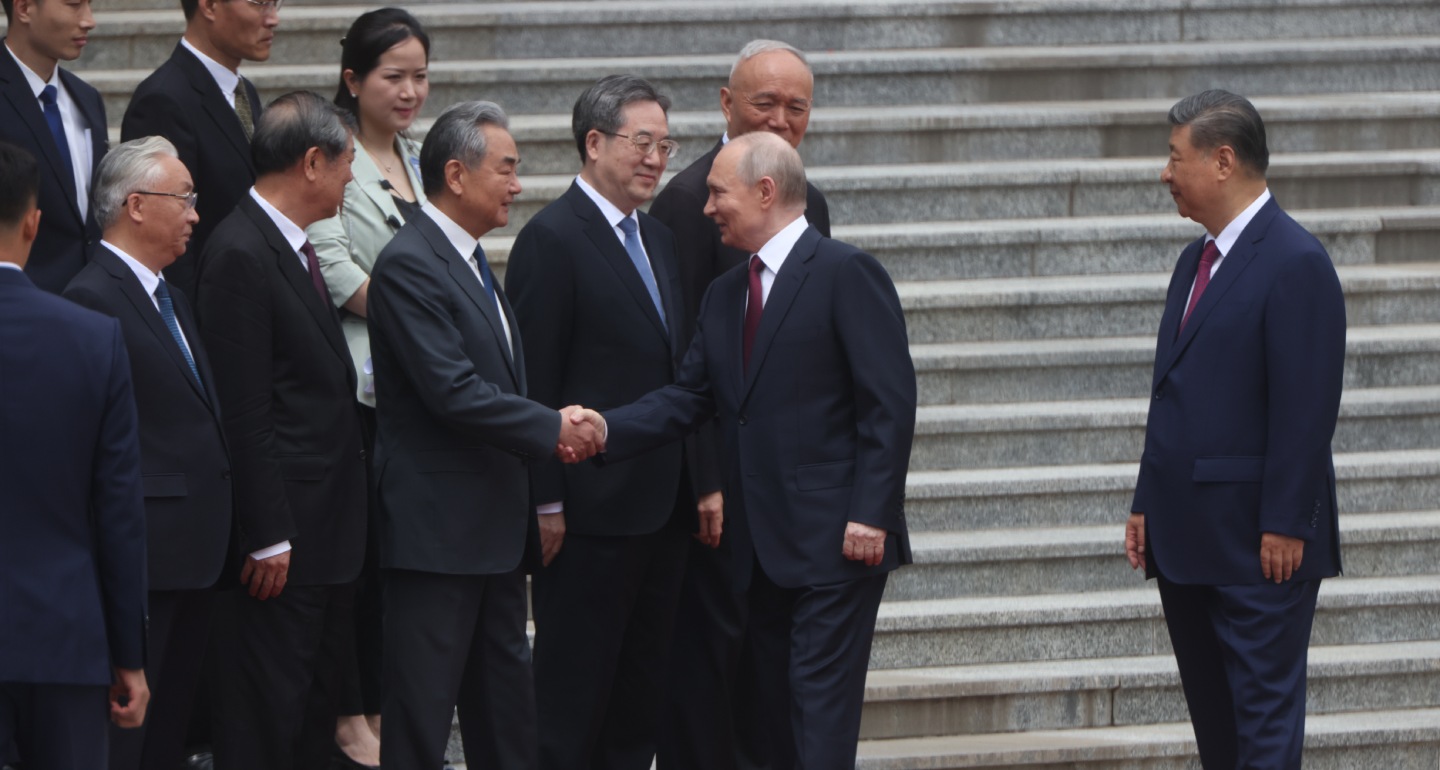
With no key agreement signed on the Power of Siberia 2 gas pipeline, there is a risk that the window of opportunity for Russia will close if Chinese power generation becomes so green that new gas sources are no longer of any interest to Beijing.

Alexander Gabuev

Tokyo would have to surmount a lot of obstacles—not least Western sanctions—if it wanted to return Russian oil imports to even modest pre-2022 volumes.

Vladislav Pashchenko
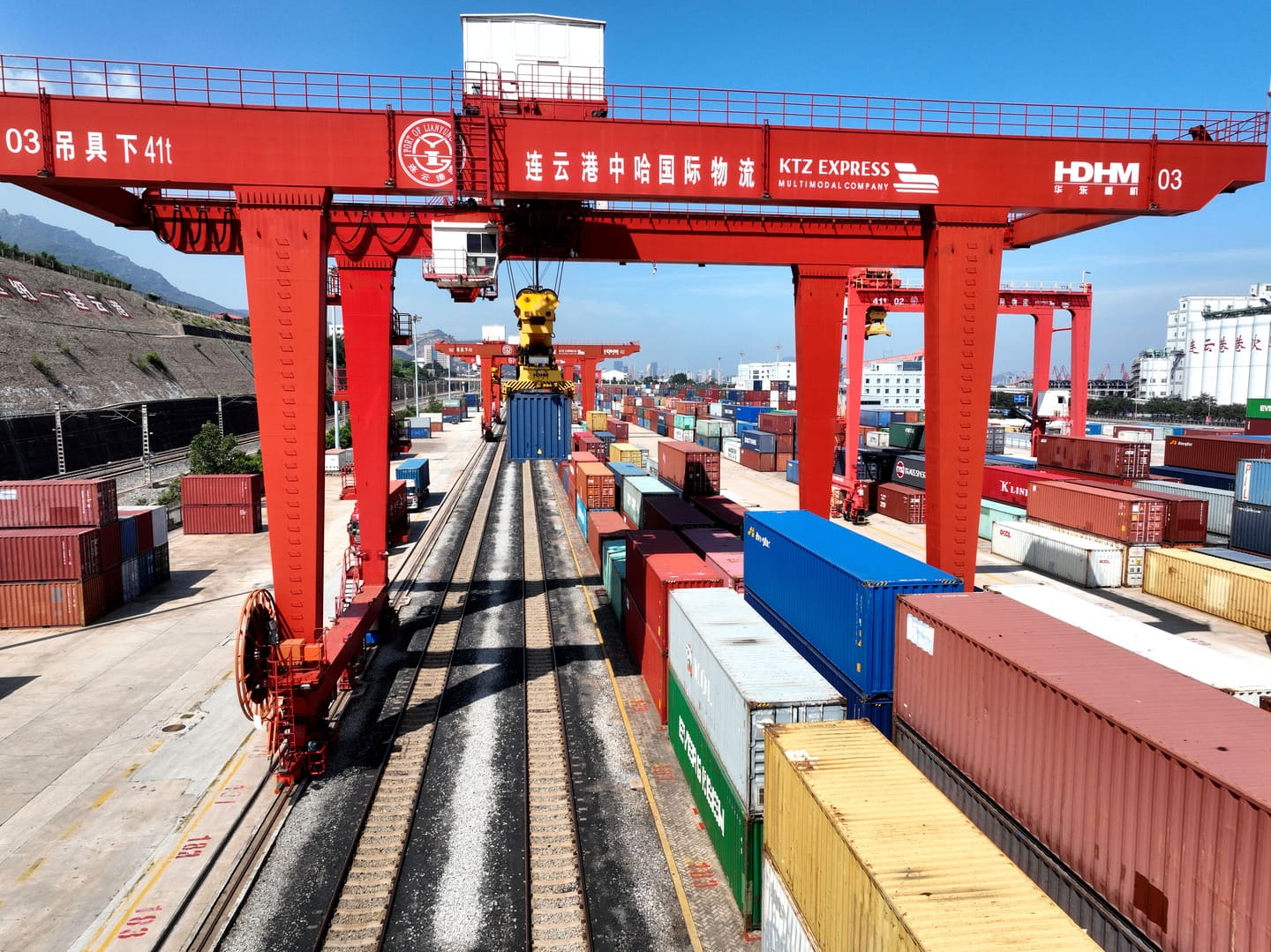
For the Middle Corridor to fulfill its promises, one of these routes must become scalable. At present, neither is.

Friedrich Conradi
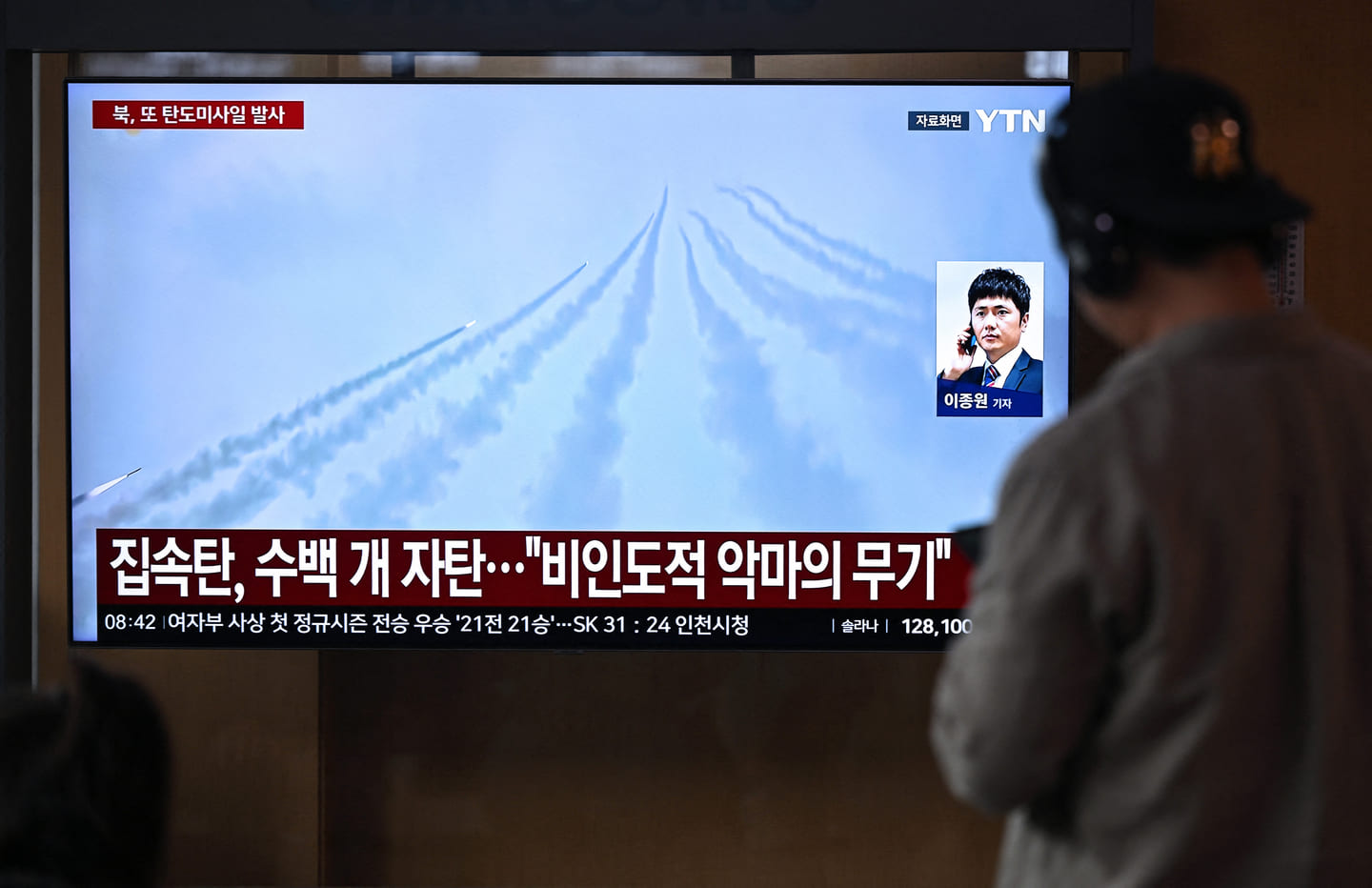
Troubled by the growing salience of nuclear debates in East Asia, Moscow has responded in its usual way: with condemnation and threats. But by exacerbating insecurity, Russia is forcing South Korea and Japan to consider radical security options.

James D.J. Brown