

Commentary
Pierre Vimont
{
  "authors": [
    "Pierre Vimont"
  ],
  "type": "other",
  "centerAffiliationAll": "dc",
  "centers": [
    "Carnegie Endowment for International Peace",
    "Carnegie Europe"
  ],
  "collections": [
    "Europe’s Southern Neighborhood",
    "Coronavirus"
  ],
  "englishNewsletterAll": "ctw",
  "nonEnglishNewsletterAll": "",
  "primaryCenter": "Carnegie Europe",
  "programAffiliation": "EP",
  "programs": [
    "Europe"
  ],
  "projects": [],
  "regions": [
    "Europe",
    "Western Europe",
    "France",
    "Iran"
  ],
  "topics": [
    "Foreign Policy",
    "EU",
    "Economy"
  ]
}
Source: Getty
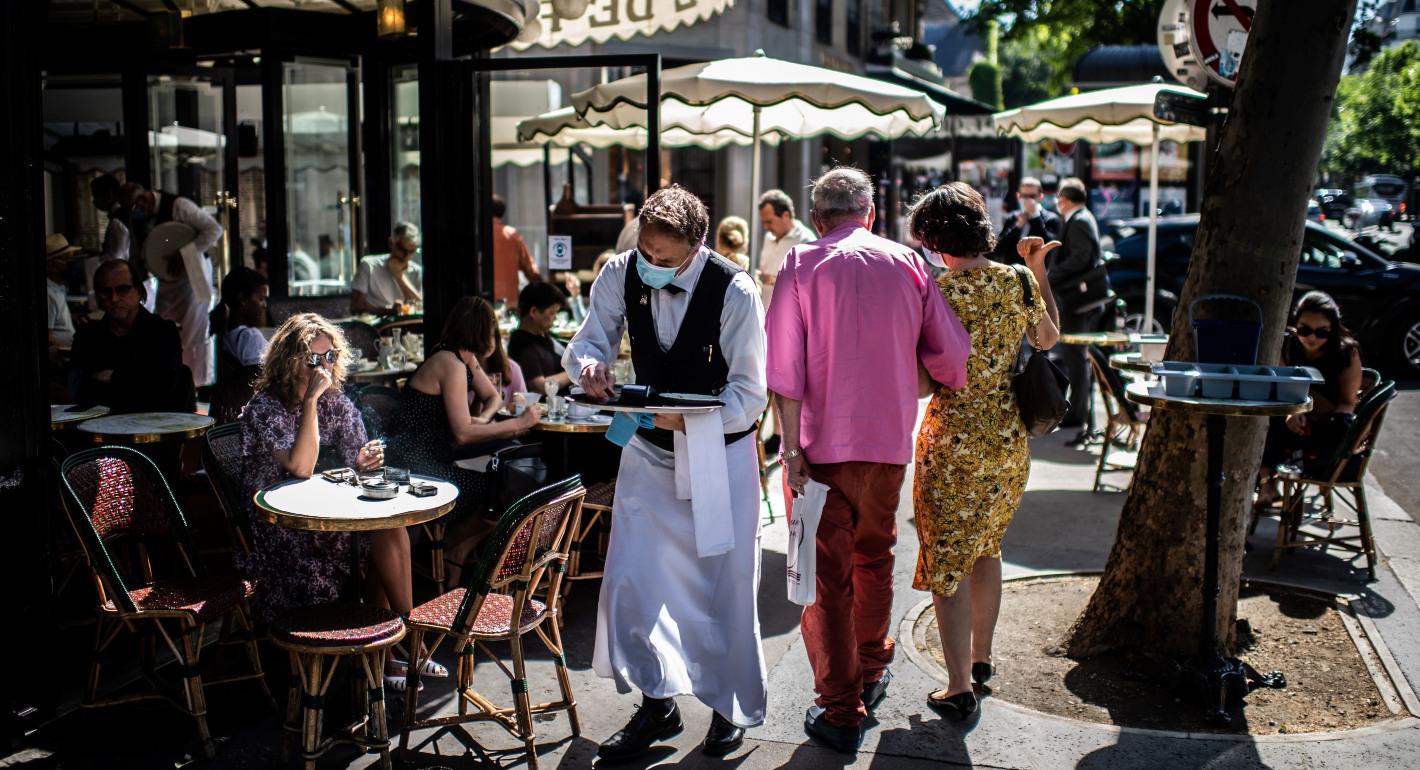
Surprisingly, France has not yet witnessed major controversies on the issue of external support to third countries during the coronavirus pandemic.
Source: Centre for European Policy Studies
So far, France did not witness major controversies on the issue of external support to third countries. The traditional nationalistic arguments against international solidarity are nowhere to be seen. No “France first” slogan in parliamentary debates, no political leader standing at the helm of a massive social protest against French assistance to Africa for instance.
This relative indifference from the French population comes as something of a surprise. In a nation where the far-right nativist movements are today faring rather successfully in opinion polls and in electoral competitions (in the first round of local elections in March, the Rassemblement National achieved some of its best scores in recent years), one would expect the issue of external support to stir public controversy. Such political mobilization would have been all the more natural as the French government has been highly visible in its solidarity toward the outside world. With the EU Commission’s President and with the German Chancellor, President Macron is at the forefront of European efforts to ramp up international solidarity. In EU Council meetings, French representatives have right from the start been encouraging EU institutions to come up with a financial plan (“Team Europe”) in support of Africa. Individually France has been advocating the most radical option of debt cancellation for the poorest countries in Africa in G20 meetings.How to explain this perception of a somewhat subdued nation in front of this usually confrontational issue? It has probably to do with the clear perception that we are all in this crisis together and that the spread of the pandemic outside of France could not just be pushed aside as irrelevant to our own difficulties. Another explanation could be the historically close relationship between France and the African continent which stills reverberates in French politics as a special case for public care. And finally, perhaps, there may be an undercurrent feeling of collective disarray which has disrupted traditional political ideologies and forced citizens and political leaders alike to think differently when confronting this unknown virus.
To conclude, a sober note of caution may nevertheless be necessary. As the economic and social fallouts of the virus crisis loom dangerously on the European political horizon, difficult financial and budgetary choices will have to be made. In the midst of this hardship, external assistance may well become the first victim of the harsh decisions to be taken. And this downgrading of external solidarity could happen almost surreptitiously without any real public debate.
This brief country analysis is part of “Coronationalism” vs a geopolitical Europe? EU external solidarity at the time of Covid-19, a report published by the Centre for European Policy Studies. The analysis was originally titled “France: Surprisingly, no “France First” slogans to be seen.”

Senior Fellow, Carnegie Europe
Pierre Vimont is a senior fellow at Carnegie Europe. His research focuses on the European Neighborhood Policy, transatlantic relations, and French foreign policy.
Recent Work
Pierre Vimont
Pierre Vimont
Carnegie does not take institutional positions on public policy issues; the views represented herein are those of the author(s) and do not necessarily reflect the views of Carnegie, its staff, or its trustees.
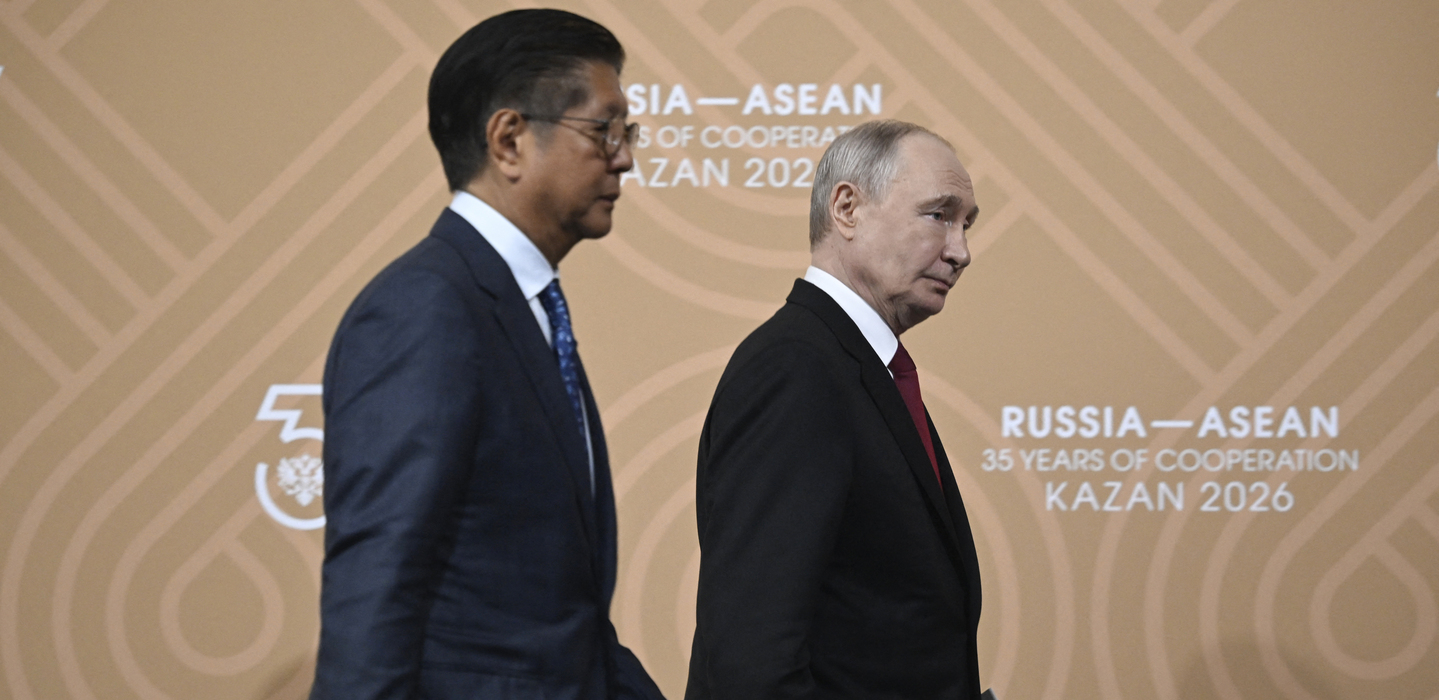
Russia looks set to reap economic benefits from closer ties with Southeast Asian countries that are keen to find reliable energy suppliers and diversify trade ties.

Alexander Gabuev
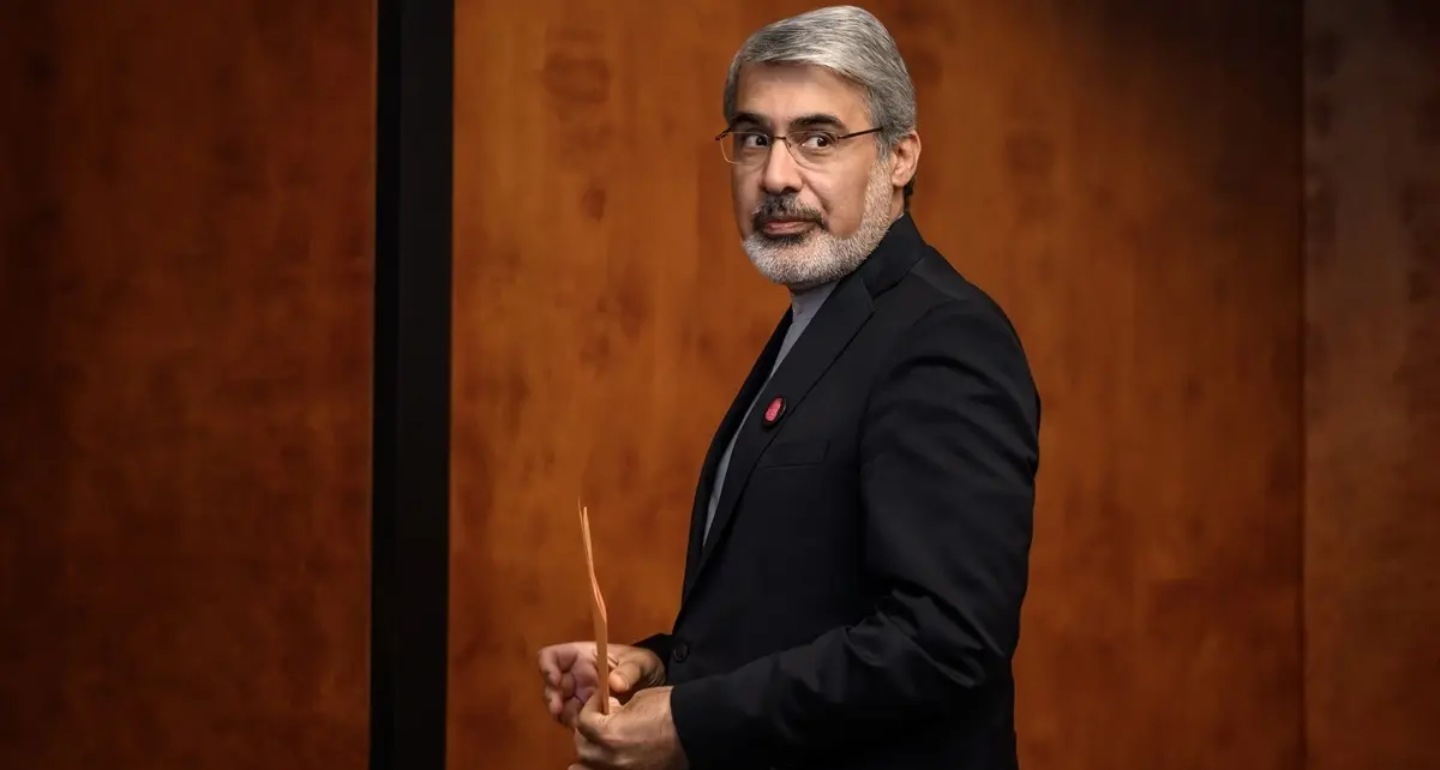
Ongoing uncertainty in the Middle East allows Moscow to both increase its influence in Tehran and continue to enjoy the financial windfall of higher oil prices.

Nikita Smagin
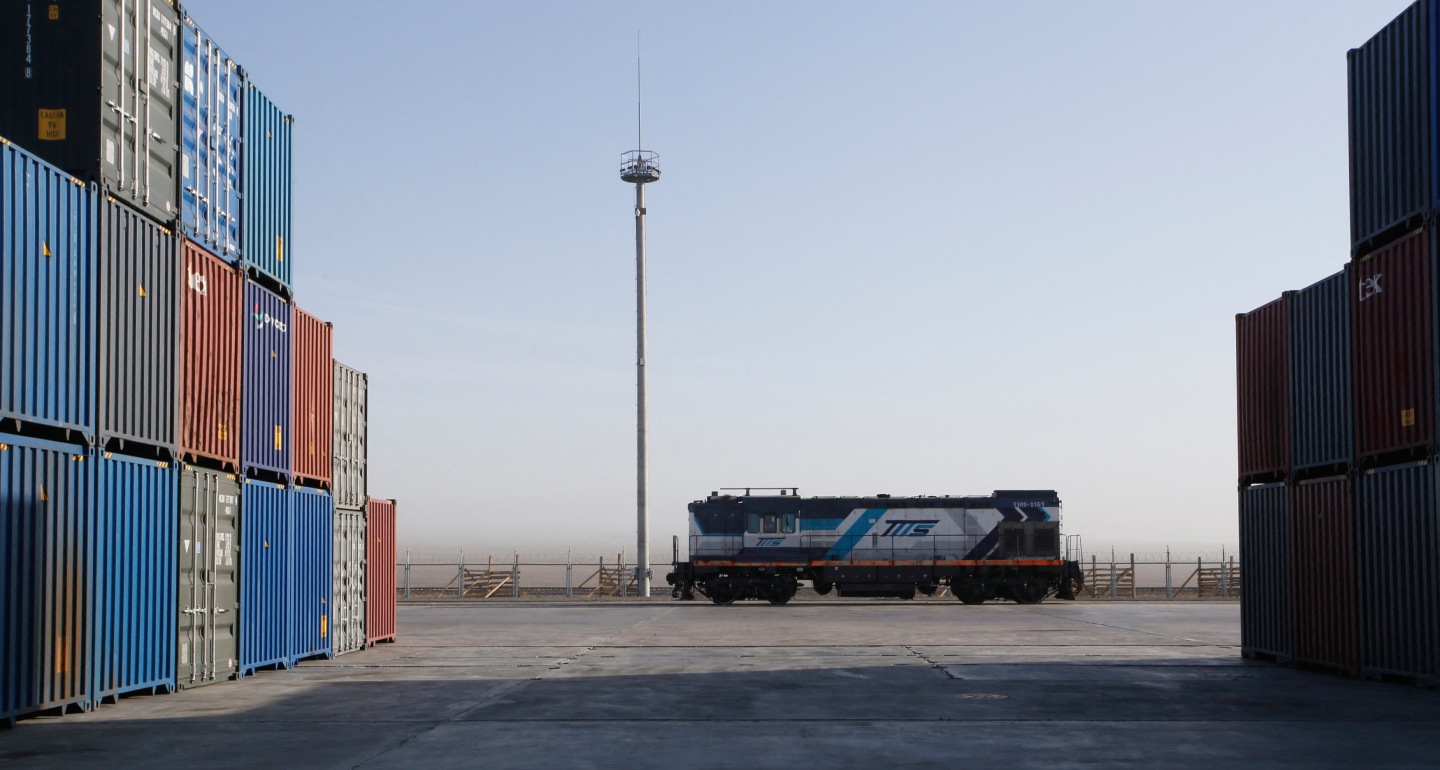
This year’s wars have made alternative routes to transit through Russia no less risky for Central Asian countries.

Galiya Ibragimova
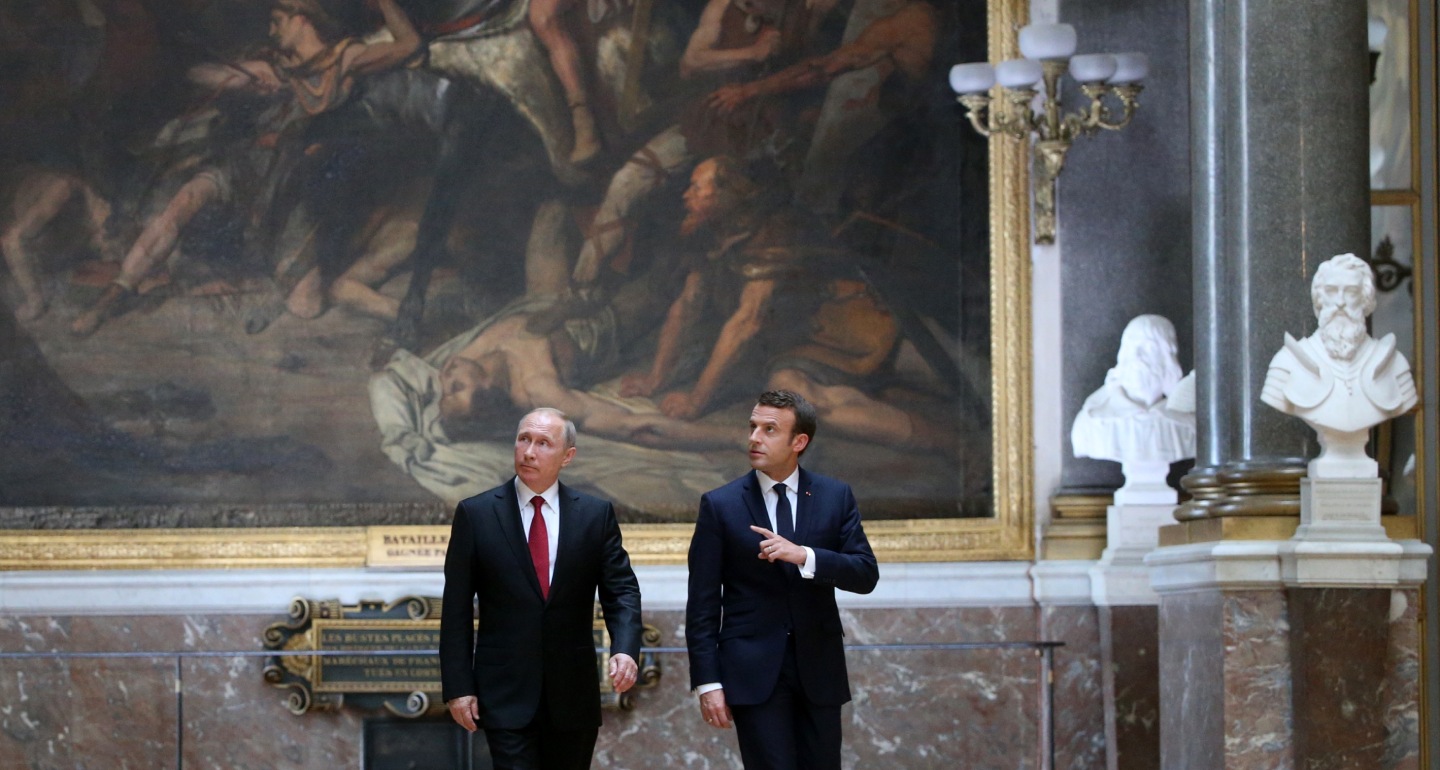
Reestablishing a dialogue with Moscow is not a goal in its own right. The goal is to guarantee the independence of Ukraine and the peace and security of Europe.
Arkady Moshes

By fueling the arguments of both supporters and opponents of Armenian Prime Minister Nikol Pashinyan, Azerbaijan wants to ensure he is re-elected with a weaker mandate.

Bashir Kitachaev